
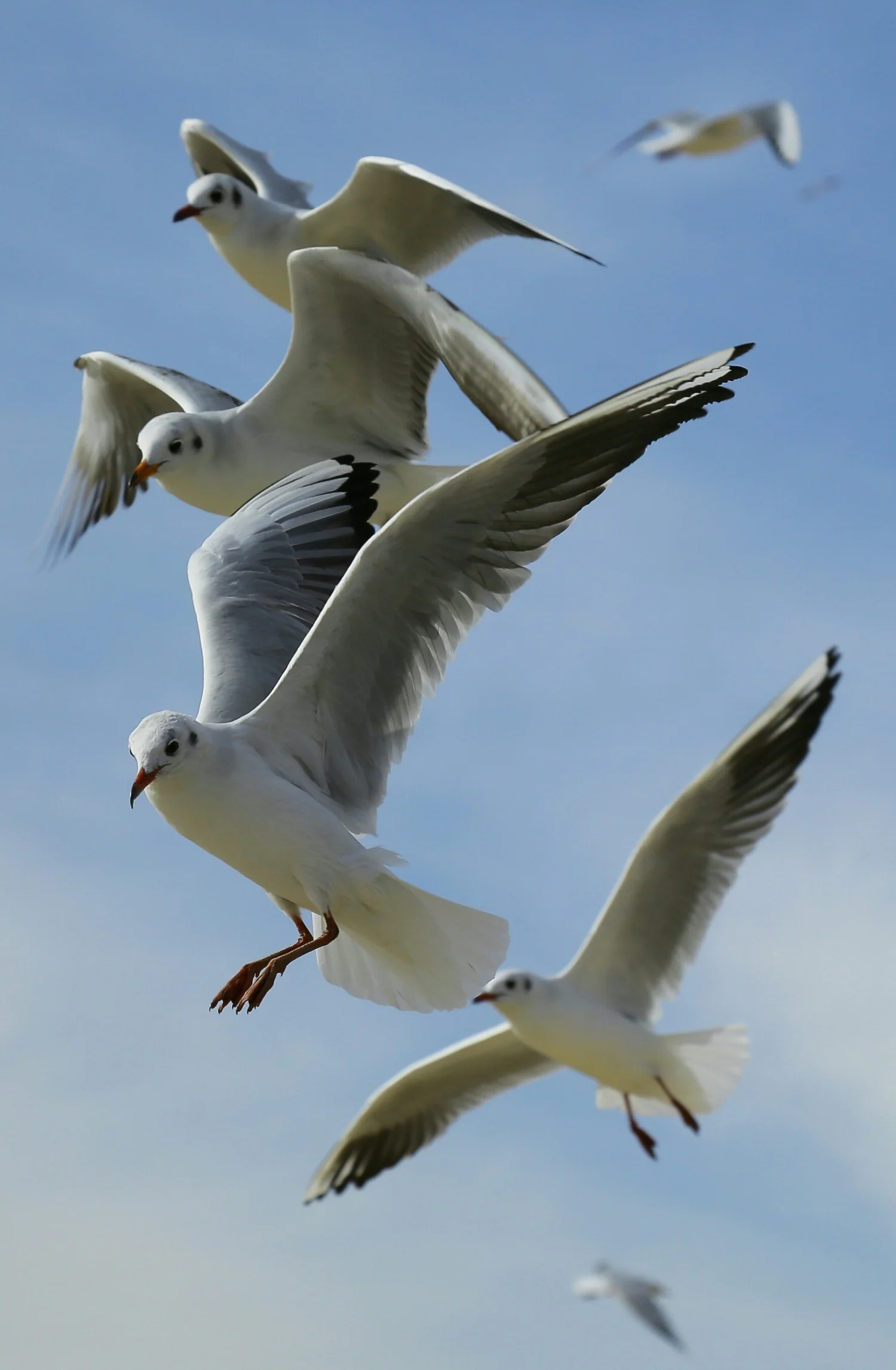
Have you ever wondered if birds are born knowing how to fly, or if they have to learn it just like you might learn a new skill? Flying seems so natural for birds, but is it really something they pick up over time?
Understanding whether flying is an instinct or a learned behavior can change the way you see these amazing creatures. You’ll discover surprising facts about how birds take to the skies and what it means for their survival. Ready to uncover the truth behind a bird’s first flight?
Keep reading, because what you’re about to learn might just change your perspective forever.
Birds And Flight
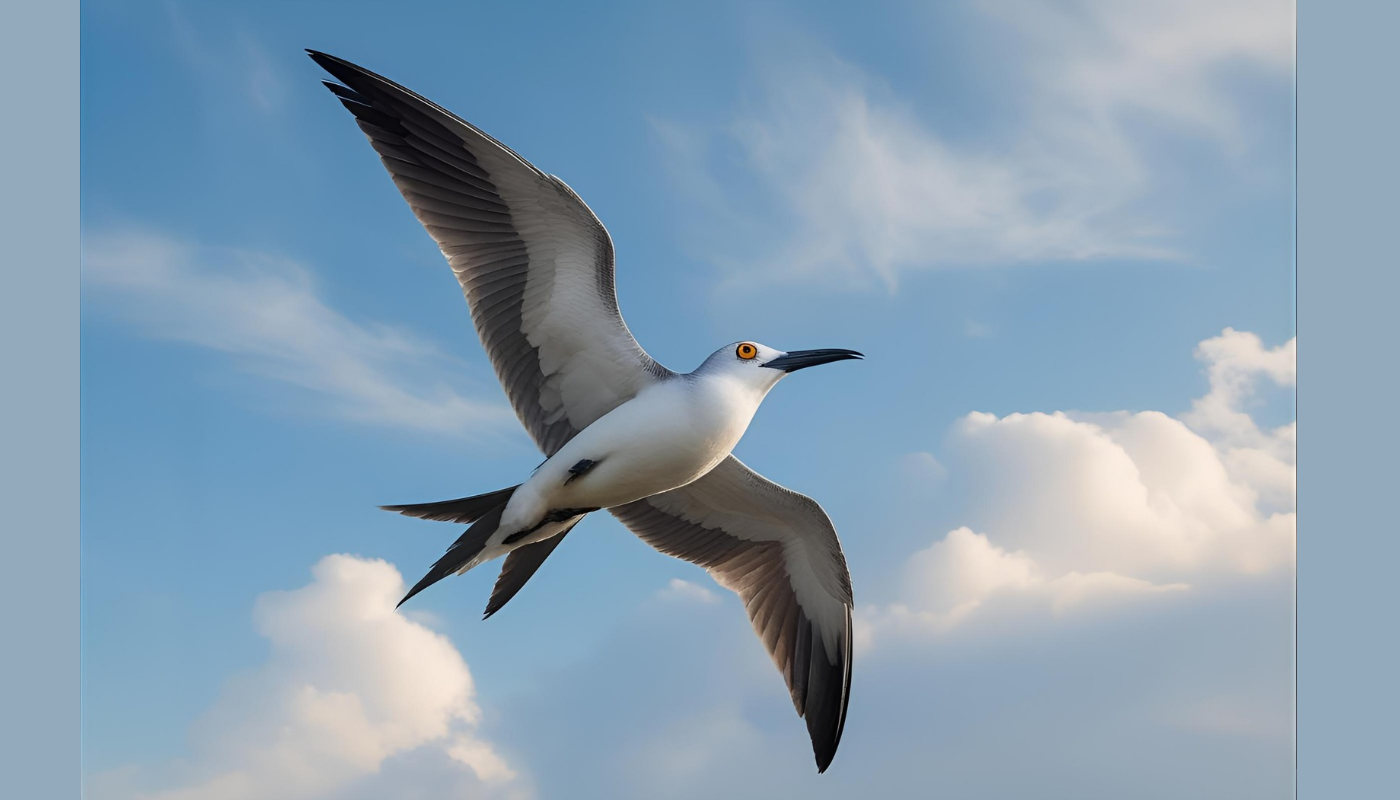
Birds and flight have fascinated humans for centuries. Watching a bird soar through the sky can fill you with awe and wonder. But have you ever wondered whether flying is an innate ability or something birds have to learn?
Natural Instinct Or Learned Skill
Many people assume that flight in birds is purely instinctual. However, the reality is more complex. While birds are born with the potential to fly, they often need to practice and develop the skill.
Young birds typically engage in practice flights, learning to navigate air currents and improve their technique. This raises an interesting question: how much of a bird’s ability to fly is hardwired, and how much is learned through experience?
Evolution Of Flight In Birds
The ability to fly didn’t just appear out of nowhere. Birds evolved from theropod dinosaurs, gradually developing the necessary adaptations for flight. These changes include the development of feathers, lightweight skeletons, and powerful muscles.
Over millions of years, these evolutionary adaptations have shaped birds into the skilled fliers we see today. Consider the diverse flying techniques of different bird species: the hovering of a hummingbird is vastly different from the powerful soaring of an eagle.
As you observe birds in your backyard or on a nature walk, think about the intricate balance of instinct and learning that enables them to take to the skies. Could this blend of nature and nurture teach us something about our own abilities and potential?
Credit: medium.com
How Birds Learn To Fly
Learning to fly is a crucial skill for young birds. It is a mix of nature and experience. Birds must develop strength, coordination, and confidence to take flight. This section explores how birds learn to fly through genetics, environment, and parental help.
Role Of Genetics
Genetics give birds the basic tools for flying. Their body shape, wing structure, and muscle strength are inherited. These traits set the foundation for flight ability. Some birds are born with natural instincts to flap their wings. This instinct pushes them to practice and improve flying skills.
Influence Of Environment
The environment shapes how birds learn to fly. Safe spaces allow young birds to try short flights. Trees, branches, and open areas provide good practice spots. Weather conditions also affect learning. Calm days make flying easier, while strong winds can challenge young birds. The environment teaches birds how to handle real flying situations.
Parental Guidance And Practice
Parents play a key role in teaching flight. They encourage their young with calls and examples. Parents often show how to flap wings and glide. Baby birds watch and imitate these actions. Parents also protect them during early attempts. Practice flights grow longer and stronger with each try. This ongoing support builds the bird’s flying confidence.
Flight Development Stages
Flight development in birds follows clear stages from hatching to their first real flight. These stages show how flying is a skill learned over time. Young birds need to grow strong wings and learn how to use them. They also practice many times before they can fly well.
Hatching To First Flight
After hatching, baby birds stay in the nest and grow quickly. Their feathers start to form, and muscles begin to strengthen. During this time, they watch their parents and siblings. This stage builds the base for future flying skills. The first flight usually happens weeks after hatching.
Wing Strength And Coordination
Strong wings are vital for flight. Birds exercise their wings by flapping inside the nest. This action helps muscles develop and improves control. Coordination between wings and body also improves with practice. Without strong and coordinated wings, birds cannot lift off or glide properly.
Trial And Error In Flight Attempts
Young birds try flying many times before they succeed. They may jump, flap, and fall repeatedly. Each attempt teaches them balance and wing control. Parents often encourage these efforts by calling or showing how to fly. This trial and error phase is essential for mastering flight skills.
Credit: thehubpublication.com
Species Variations In Flight Learning
Flight learning varies widely among bird species. Some birds start flying soon after hatching. Others take longer and need more practice. These differences depend on how much help young birds get from their parents. The way birds develop also affects their flight skills. Understanding these species variations gives us insight into bird behavior and survival.
Precocial Vs. Altricial Birds
Birds fall into two main groups based on their development: precocial and altricial.
- Precocial birdshatch with open eyes and down feathers. They can walk and sometimes swim shortly after birth.
- Altricial birdshatch blind, featherless, and helpless. They rely on parents for food and protection for weeks.
Precocial birds often learn to fly faster. Their early mobility helps them practice wing movements quickly. Altricial birds need more time to develop muscles and coordination for flight. Parents usually feed and protect them until they are ready to leave the nest.
Examples Of Flight Learning Differences
Different species show clear contrasts in flight learning.
- Ducklings(precocial) start flapping and moving soon after hatching. They can fly within a few weeks.
- Songbirds(altricial) stay in the nest for several weeks. They learn to fly through guided practice and trial.
- Raptorslike hawks also take time. They develop strong flight skills through extended learning and parental teaching.
- Swallowsleave the nest quickly and practice flying almost immediately.
These examples show how species type affects flight learning speed and method. Flight is both instinctive and learned, shaped by each bird’s needs and environment.
Flight Without Learning
Flight without learning suggests birds can fly naturally without practice. Some birds show flying skills soon after birth. This points to built-in abilities, not just learned actions. Exploring this idea helps us understand bird behavior better.
Innate Flying Abilities
Many birds hatch with strong instincts to fly. Their bodies are ready with muscles and feathers suited for flight. This readiness means flying is part of their natural makeup.
Young birds often try flying shortly after leaving the nest. This happens even without watching other birds. It shows flying can be an automatic skill.
Some species have genetic traits that guide their flying actions. These traits help them balance and control flight from the start. The brain is wired to manage these movements early on.
Cases Of Flight In Isolation
Studies on birds raised alone reveal interesting facts. These birds can still flap wings and take off. They do this without following any role models or teachers.
Examples include birds raised without seeing other birds fly. Despite isolation, they develop flight abilities naturally. This proves flight is not solely a learned skill.
Such cases highlight the power of instinct in bird flight. Learning can improve flight, but the base skill is often inborn. Birds rely on natural drives to begin flying.
Impacts Of Flight Learning
Learning to fly is more than just a milestone for birds; it shapes their entire existence. The impacts of flight learning reach deep into how birds survive, adapt, and even interact with humans. Understanding these effects can change how you see birds and their behaviors around you.
Survival And Adaptation
Flight skills directly affect a bird’s ability to find food and escape predators. Birds that master flying early often have higher survival rates because they can explore wider areas and react quickly to threats.
Take young hawks, for example. Those that practice flying more frequently tend to catch prey faster and avoid dangers better than their less active siblings. This shows how crucial flight learning is to adapting in the wild.
Have you noticed how some birds seem more confident in the air than others? This confidence usually comes from the amount of practice and experience they get during their learning phase.
Human Influence On Flight Behavior
Your presence and activities can change how birds learn to fly and behave in the air. Urban environments, with their noise and buildings, often force birds to alter their flight paths and speeds.
Sometimes, feeding birds or using bird feeders can unintentionally affect their natural flight development. Birds might rely more on stationary food sources and fly less, which can reduce their overall agility.
Have you ever seen birds in a city darting between buildings differently than those in the countryside? This difference reflects how human surroundings shape their flying habits.
Credit: freerangeparrots.org
Frequently Asked Questions
Do Birds Learn To Fly Or Is It Instinctual?
Birds have an instinct to fly but also learn through practice. Young birds observe and mimic parents. Flight skills improve with repeated attempts and muscle strengthening. So, flying is both innate and learned behavior.
How Do Baby Birds Develop Flying Skills?
Baby birds develop flying by practicing wing flaps and short flights. Parents encourage fledglings to leave the nest gradually. This helps build coordination, strength, and confidence needed for sustained flight.
Can All Bird Species Fly Naturally?
Not all bird species can fly naturally. Some, like ostriches and penguins, have lost this ability through evolution. Most birds have a natural instinct and the physical ability to learn flying.
What Role Does Environment Play In Bird Flight Learning?
Environment plays a crucial role in learning to fly. Safe surroundings allow young birds to practice without danger. Varied terrain and weather conditions help birds adapt their flying skills effectively.
Conclusion
Birds have an instinct to fly but also learn through practice. Young birds watch their parents and try many times before flying well. Flying skills improve with experience and time. This shows flying is partly natural and partly learned. Every bird’s journey to flight is unique and important.
Understanding this helps us appreciate how birds grow and survive. Flying is both a gift and a skill they develop.