

Do you dream of capturing stunning bird photographs that look like they belong on the cover of a nature magazine? Getting close to birds for photography can be a thrilling challenge, but it’s one you can master with the right approach.
Imagine being able to snap those perfect shots that capture every feather and expression, leaving your friends and followers in awe. You don’t need to be a professional photographer to achieve this; you just need the right tips and techniques.
In this guide, you’ll discover how to get closer to birds in a way that feels almost magical. Ready to turn your bird photography dreams into reality? Keep reading to find out how.
Credit: www.allaboutbirds.org
Choosing The Right Gear
Choosing the right gear is key to capturing stunning bird photos. The right equipment helps you get close and keep images sharp. It also allows you to react quickly when birds move. This section covers the best cameras, lenses, and stabilizers to use for bird photography.
Best Cameras For Bird Photography
Cameras with fast autofocus and high frame rates work best. These features help capture quick bird movements. DSLR and mirrorless cameras are popular choices. Look for models with good sensor quality for clear, detailed images.
- High frames per second (fps) for action shots
- Fast and accurate autofocus systems
- Good low-light performance for dawn or dusk shooting
- Durable build to handle outdoor conditions
Essential Lenses
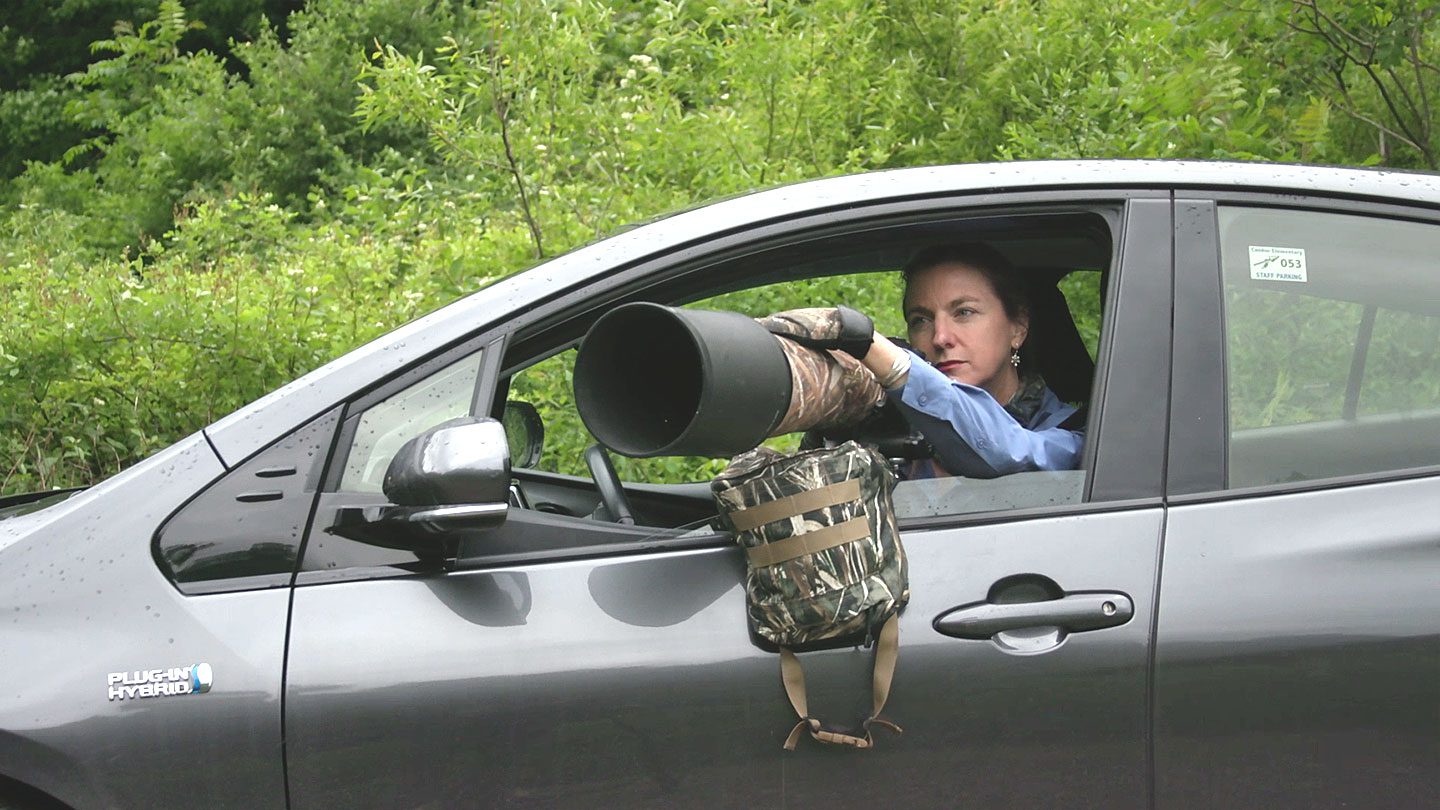
Telephoto lenses are essential for bird photography. They allow you to shoot from a distance without disturbing birds. Lenses with focal lengths between 300mm and 600mm work well. Image stabilization helps reduce blur from hand movements.
- 300mm to 600mm focal length for close-up shots
- Wide aperture (f/2.8 to f/5.6) for faster shutter speed
- Image stabilization to keep photos sharp
- Lightweight options for easier handling in the field
Tripods And Stabilizers
Stable support is critical for sharp bird photos. Tripods reduce camera shake during long shoots. A gimbal head allows smooth movement while tracking birds. Portable tripods are easier to carry on hikes.
- Strong, lightweight tripod for stability
- Gimbal or ball head for smooth tracking
- Quick setup and easy adjustment
- Compact design for travel and fieldwork

Credit: www.allaboutbirds.org
Finding Ideal Locations
Finding the right locations is key to capturing stunning bird photos. Birds gather in places that meet their needs for food, shelter, and safety. Knowing where to find these spots helps you get closer without disturbing them.
Bird Habitats To Explore
Wetlands, forests, and grasslands host many bird species. Each habitat offers different opportunities for photography. Wetlands attract waterfowl and wading birds. Forests provide cover for songbirds and woodpeckers. Grasslands hold ground-nesting birds and raptors.
Visit local parks, nature reserves, and wildlife refuges. These areas protect natural habitats and support bird populations. Early mornings and late afternoons are best times to explore. Birds are more active and easier to spot during these hours.
Seasonal Bird Watching Spots
Bird presence changes with seasons. Migration periods bring many species to specific areas. Research local migration routes and timing. Coastal shores often see large flocks during spring and fall.
Winter bird feeding stations attract species that stay in cold climates. Summer offers nesting birds in forests and fields. Adjust your location choice based on season for better results.
Using Bird Feeders And Baths
Bird feeders and baths attract birds close to homes or gardens. They provide food and water, encouraging frequent visits. Place feeders in quiet, sheltered spots. Use a variety of seeds for different bird types.
Keep baths clean and filled with fresh water. Small birds especially enjoy shallow water sources. Setting up feeders and baths creates a reliable location. It allows you to photograph birds without traveling far.
Mastering Bird Behavior
Understanding bird behavior is crucial if you want to get closer and capture stunning photos. Birds communicate a lot through their actions and movements. Recognizing these signals helps you predict their next move, making your shots more natural and timely.
Reading Bird Body Language
Birds often reveal their mood and intentions through subtle body shifts. Watch for signs like puffed-up feathers, quick head turns, or tail flicks. These clues can tell you if a bird feels threatened, curious, or relaxed.
For example, a bird that suddenly freezes with its head tilted might be listening for danger. If you notice this, staying still will prevent scaring it away. Over time, you’ll start recognizing these patterns and know exactly when to raise your camera.
Timing Your Shots
Birds rarely stay still for long, so timing is everything. Early mornings and late afternoons usually offer the best lighting and bird activity. These moments provide soft natural light and heightened bird movement, perfect for dynamic shots.
Pay attention to the bird’s routine—when it preens, feeds, or rests. Capturing these moments requires patience and readiness. Have your camera settings adjusted beforehand to seize those split-second opportunities.
Common Bird Feeding Patterns
Most birds follow predictable feeding habits that you can use to your advantage. Some species prefer seeds on the ground, while others feed in trees or near water. Knowing where and when birds eat helps you position yourself for the best angle.
- Birds like finches often gather in small groups at feeders during mid-morning.
- Woodpeckers usually search tree trunks for insects throughout the day.
- Waterfowl feed along pond edges mostly during low tide or early morning.
Have you noticed how certain birds return to the same spot daily? Observing these habits lets you anticipate their arrival and prepare your shot. This knowledge turns waiting into rewarding moments behind the lens.

Credit: www.allaboutbirds.org
Techniques To Approach Birds
Getting close to birds for photography requires patience and the right techniques. Birds are naturally wary of humans, so how you approach them matters a lot. Here are some practical ways to get closer without scaring them away.
Moving Slowly And Quietly
Sudden movements and loud noises are the quickest ways to send birds flying. Move in slow, deliberate steps and keep your body relaxed. Try to avoid snapping branches or rustling leaves underfoot by watching where you step carefully.
When you pause, stay still for a moment to let birds get used to your presence. Have you noticed how a sudden breeze can startle birds more than your actual movement? Use this to your advantage by moving only when the wind covers your sound.
Using Natural Cover
Natural cover like bushes, trees, or tall grass can help you blend into the environment. Position yourself behind or inside these natural elements to break your outline. This makes you less noticeable and gives birds confidence to stay close.
Wear clothing in earth tones to avoid standing out against the background. Have you ever tried crouching low behind a bush while photographing? It often works better than standing because you’re less imposing from the bird’s point of view.
Setting Up Blinds And Hides
Blinds and hides are structures designed to conceal your presence completely. You can buy portable blinds or create your own using local materials like branches and leaves. Staying inside these hides allows birds to act naturally without fear.
Place your hide near known feeding or nesting spots and remain patient. It may take time for birds to get comfortable, but once they do, you’ll capture moments others miss. Have you tried setting up a hide for a few hours? The wait is often worth the unique shots you get.
Camera Settings For Close Shots
Getting close-up shots of birds requires precise camera settings. These settings help capture sharp, clear images with great detail. Adjusting focus and exposure, using burst mode, and optimizing shutter speed make a big difference. Each setting works together to create beautiful photos that show the bird’s features.
Adjusting Focus And Exposure
Set your camera to single-point autofocus. This lets you focus exactly on the bird’s eye or head. Avoid letting the camera choose autofocus points automatically. It might focus on the background instead.
Exposure controls how bright or dark the photo appears. Use exposure compensation to brighten shadows or tone down highlights. Birds often have bright feathers or dark spots, so adjust exposure carefully. Check the histogram to avoid over or underexposed images.
Using Burst Mode
Burst mode captures many photos quickly. Birds move fast, so burst mode helps catch perfect moments. Hold the shutter button down to take multiple shots in seconds. This increases chances of getting a clear, sharp image.
Burst mode is best for action shots like flying or feeding birds. Later, choose the best photo from the series. This avoids missing small but important details in one shot.
Optimizing Shutter Speed
Shutter speed controls how long the camera sensor is exposed to light. Use a fast shutter speed to freeze bird movements. A speed of 1/1000 second or faster works well for flying birds.
For perched birds, a shutter speed around 1/500 second is often enough. Slow shutter speeds cause blurry images from bird movement or camera shake. Increase ISO if light is low, but avoid too much noise.
Ethical Bird Photography
Ethical bird photography respects the life and habitat of birds. It balances capturing beautiful images with protecting these creatures. Photographers must act carefully to avoid causing harm or stress to birds. Ethical practices help keep birds safe and their environments healthy. Following these simple rules allows photographers to enjoy their hobby responsibly.
Avoiding Disturbance
Stay calm and move slowly to avoid startling birds. Sudden movements or loud noises can scare them away. Keep a safe distance to prevent stress or flight. Use a telephoto lens to get close shots without approaching. Patience helps; wait quietly for birds to come closer.
Respecting Nesting Areas
Nests are fragile and important for bird survival. Do not touch or get too near nests. Avoid photographing during breeding seasons to prevent disturbing parents and chicks. Observe signs of stress, like alarm calls or sudden flight, and back away immediately. Protecting nests ensures birds can raise their young safely.
Following Local Guidelines
Different places have rules for wildlife photography. Check local laws and regulations before you start. Some areas require permits or have restricted zones. Respect protected sites and private properties. Following guidelines supports conservation efforts and keeps bird populations healthy.
Post-processing Tips
Post-processing is where your bird photos truly come alive. It’s not just about fixing mistakes; it’s about highlighting the unique beauty of each bird you capture. With a few thoughtful edits, your images can tell a stronger story and grab more attention.
Enhancing Details
Sharpening the feathers and eyes can make your bird photos pop. Use tools like the sharpening brush or clarity slider sparingly to avoid unnatural looks. Pay close attention to the eyes—they are the soul of your photo and should be crisp and clear.
Noise reduction is also important, especially if you shot in low light. Balancing noise removal while keeping fine feather details is tricky but worth the effort. Have you noticed how a little extra detail can bring a bird’s personality into focus?
Color Correction
Adjusting colors helps you match what you saw in real life or create a mood you want to convey. Start with white balance to fix any color casts caused by lighting conditions. A slight boost in vibrance can make feathers look more vivid without overdoing it.
Be careful not to push saturation too far; unnatural colors can distract rather than enhance. Sometimes subtle shifts in hue can bring out hidden tones in feathers you didn’t notice initially. What colors do you want your viewers to feel when they see your photo?
Cropping For Impact
Cropping isn’t just about cutting out distractions—it’s about focusing the viewer’s eye where you want it. Tight crops can emphasize a bird’s expression or intricate feather patterns. Try different crop ratios to see what creates the most dynamic composition.
Leave some space in the direction the bird is looking or moving to add a sense of motion. Experiment with rule-of-thirds placement to make your shot more engaging. How does changing your crop affect the story your photo tells?
Frequently Asked Questions
How Can I Approach Birds Without Scaring Them?
Move slowly and quietly towards birds. Avoid sudden movements and loud noises. Wear neutral colors to blend in with surroundings. Use natural cover like trees or bushes for concealment. Patience is key; wait for birds to get comfortable with your presence.
What Camera Settings Work Best For Bird Photography?
Use a fast shutter speed to freeze bird movements. Set a wide aperture for a blurred background. Increase ISO in low light to maintain sharpness. Use continuous autofocus to track moving birds. Shoot in burst mode to capture multiple shots quickly.
How Do I Attract Birds For Better Photos?
Place bird feeders or water sources near your shooting area. Use bird calls or songs to lure birds closer. Plant native trees and shrubs to provide shelter. Avoid disturbing their natural habitat. Early mornings are best for active bird photography.
What Lens Is Ideal For Close-up Bird Shots?
A telephoto lens between 300mm and 600mm is ideal. It allows close-up shots without disturbing birds. Choose lenses with image stabilization for sharper images. A zoom lens offers flexibility in framing shots. Prime lenses often provide better image quality.
Conclusion
Getting close to birds for photography takes patience and respect. Move slowly and stay quiet to avoid scaring them. Use natural cover to blend into the environment. Learn about bird habits to predict their movements. Always keep your camera ready for quick shots.
Enjoy the calm moments and watch carefully. With practice, your photos will improve naturally. Remember, the goal is to capture beauty gently and clearly. Keep trying, and each trip will bring new chances. Bird photography is about connection, not just pictures.