

Have you ever found yourself captivated by the vibrant colors and graceful movements of birds in flight? If so, you’re not alone.
Capturing these beautiful creatures through the lens of a camera is an art form in its own right, known as bird photography. But what do you actually call this fascinating hobby? Understanding the terminology can deepen your appreciation and connection to this unique pursuit.
You’ll discover the captivating world of bird photography and uncover the name that defines it. Stay with us to explore why this term matters and how it can transform your next nature outing into a rewarding experience. Whether you’re a curious beginner or a seasoned birdwatcher, this insight might just change the way you see the world around you.
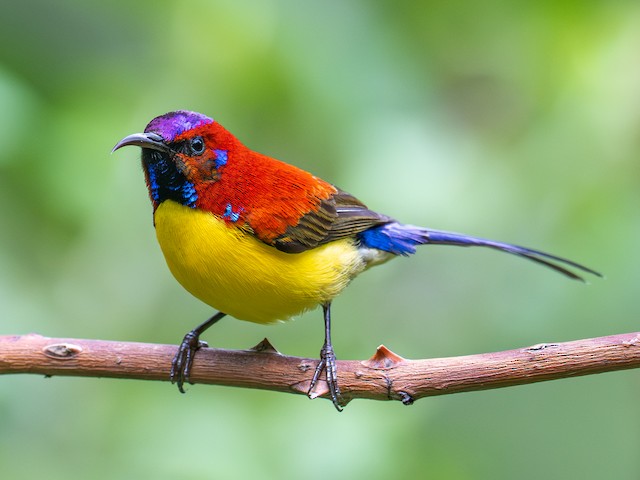
Credit: ebird.org
Bird Photography Basics
Bird photography opens a window to nature’s beauty and challenges you to capture fleeting moments. Understanding the basics helps you get closer to birds and snap sharp, vibrant shots. Let’s break down the essentials you need to start shooting like a pro.
Key Equipment For Bird Shots
Choosing the right gear is crucial. A sturdy tripod or monopod stabilizes your camera and reduces blur, especially during long waits.
Don’t forget extra batteries and memory cards. Birds can be unpredictable, and you want to be ready to shoot without interruption.
- Camera with fast autofocus
- Long telephoto lens (300mm or more)
- Tripod or monopod for stability
- Weather protection for gear
Choosing The Right Lens
Your lens shapes how close you can get without disturbing birds. Telephoto lenses are popular because they allow you to capture details from a distance.
If you want versatility, a zoom lens like 100-400mm works well for different bird sizes and environments. Prime lenses often deliver sharper images but limit your framing options.
Ask yourself: Are you shooting in dense forests or open fields? This will guide your lens choice to balance reach and flexibility.
Camera Settings For Birds
Fast shutter speed is key to freezing motion. Start around 1/1000 second or faster to catch birds in flight or quick movements.
Use continuous shooting mode to increase your chances of getting the perfect shot. Autofocus should be set to tracking mode to keep moving birds sharp.
Adjust ISO based on lighting, but keep it as low as possible to avoid noise. Aperture around f/5.6 to f/8 offers a good depth of field and sharpness.
Credit: ebird.org
Techniques For Capturing Birds
Capturing birds in their natural environment demands patience and skill. Photographers must use specific techniques to seize clear, sharp images of these fast and often unpredictable creatures. Understanding these techniques helps improve photo quality and reveals the beauty of birds.
Tracking Fast Movements
Birds move quickly and change direction without warning. To track these movements, use continuous autofocus mode. This keeps the bird in focus as it flies or hops. A fast shutter speed, usually above 1/1000 second, freezes motion and avoids blur. Practice smooth panning with the camera to follow the bird’s path. Staying calm and steady helps capture sharp images.
Using Natural Light
Natural light highlights birds’ colors and details. Early morning and late afternoon provide soft, warm light that enhances feathers. Avoid harsh midday sun, which creates strong shadows and bright spots. Position yourself so the light falls on the bird’s front or side. This lighting adds depth and life to photos. Cloudy days can also offer even, diffused light ideal for bird photography.
Composing Stunning Bird Photos
Good composition draws attention to the bird and its environment. Use the rule of thirds by placing the bird off-center for a balanced look. Include natural elements like branches or water to add context. Leave space in front of the bird’s direction to create a sense of movement. Focus on the bird’s eye to make the photo more engaging and alive.
Popular Styles In Bird Photography
Bird photography offers a variety of styles that allow you to capture these creatures in unique and captivating ways. Each style challenges you to see birds differently and sharpen different skills. Whether you prefer detailed close-ups or dynamic action shots, understanding these popular approaches can help you decide where to focus your efforts next.
Close-up Portraits
Close-up portraits highlight the intricate details of birds, from their feathers to their eyes. This style demands patience and a steady hand, as you often need to get very close or use a powerful zoom lens. Have you ever noticed how a sharp eye can bring out the personality of a bird in a photo?
Pay attention to lighting and background when shooting portraits. A soft, blurred background helps the bird stand out. Try to capture the bird’s expression or behavior to make your image more compelling.
Action And Flight Shots
Capturing birds in motion is thrilling and tests your timing and camera settings. Fast shutter speeds are crucial to freeze wing beats and sharp details. Do you enjoy the challenge of predicting a bird’s movement and snapping the perfect moment?
Practice tracking birds in flight to improve your success rate. Action shots often require continuous autofocus and burst mode. Watching the way birds take off or land can give you clues about when to shoot.
Environmental Bird Photography
This style places birds within their natural habitat, showing the relationship between the creature and its surroundings. It tells a story beyond just the bird, adding context to your images. Have you thought about how including the environment can add depth to your bird photos?
Look for interesting backgrounds like trees, water, or sky to enhance your composition. Be mindful not to let the environment overpower the bird. Balance is key—both the bird and its habitat should complement each other in the frame.

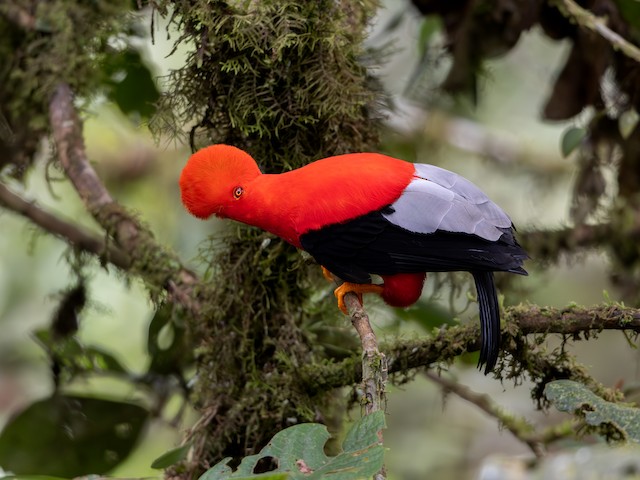
Credit: birdingincostarica.com
Finding Birds To Photograph
Finding birds to photograph is an exciting part of bird photography. It requires patience and knowledge about where birds live and behave naturally. Knowing the right places and times helps capture stunning bird images. Respect for wildlife and their environment ensures safe and ethical photography practices.
Best Locations And Habitats
Birds live in many different habitats. Forests, wetlands, and coastal areas host many species. Parks and gardens near water sources also attract birds. Mountain areas and open fields can be great spots too. Each habitat offers unique chances to see different birds.
- Forests provide shelter for songbirds and woodpeckers.
- Wetlands attract waterfowl like ducks and herons.
- Coastal shores are home to seabirds and shorebirds.
- Urban parks often have common birds easy to photograph.
Seasonal Bird Watching Tips
Bird presence changes with seasons. Spring brings many birds for nesting and mating. Fall is perfect for watching migration journeys. Winter offers chances to photograph birds in snowy settings. Summer hosts young birds learning to fly. Knowing seasonal patterns helps find active bird life.
- Spring: Look for nests and singing males.
- Summer: Watch for juvenile birds and feeding parents.
- Fall: Spot flocks moving south or north.
- Winter: Find birds at feeders or open water.
Ethical Wildlife Photography
Respect for birds and nature is vital. Avoid disturbing nests or feeding birds. Use long lenses to keep distance. Stay quiet and move slowly to avoid stress. Never chase birds or damage habitats. Ethical practices protect birds and help photographers get better shots over time.
- Keep a safe distance from birds.
- Do not touch or disturb nests.
- Avoid loud noises or sudden movements.
- Follow local wildlife laws and guidelines.
Editing And Enhancing Photos
Editing and enhancing your bird photography is where your images truly come to life. Raw photos often need adjustments to reveal the beauty and details you saw through your lens. Learning the right editing techniques can make your bird shots stand out without losing their natural charm.
Post-processing Basics
Start by organizing your photos and choosing the best shots to work on. Basic adjustments like cropping, straightening, and exposure correction help set a strong foundation. Don’t overdo it; subtle changes often create the most authentic results.
Try to keep your workflow consistent. This helps maintain a style that your audience will recognize. Are you enhancing every feather or just improving the overall feel of the image?
Color Correction Techniques
Colors can shift depending on lighting and camera settings, so fixing white balance is key. Adjusting contrast and saturation carefully brings out the bird’s natural colors without making them look fake.
Look at the bird’s plumage closely—does it match what you saw in real life? Small tweaks to highlights and shadows can balance the image and add depth.
Sharpening And Noise Reduction
Sharpening helps highlight details like feathers and eyes, but too much can create an unnatural look. Apply it selectively, focusing on the bird rather than the background.
Noise often appears in low-light shots or high ISO settings. Use noise reduction tools to smooth out grain while preserving important textures. What level of noise are you willing to tolerate for a clearer image?
Sharing And Showcasing Your Work
Sharing and showcasing your bird photography helps others see your passion and skill. It creates chances to connect with fellow photographers and bird lovers. Displaying your work also builds your reputation and opens doors to new opportunities.
Building A Portfolio
A well-organized portfolio shows your best bird photos clearly. Choose images that highlight different species and settings. Keep the portfolio updated with fresh and high-quality pictures. Use simple layouts that focus attention on the photos. Add brief descriptions to give context and share interesting facts.
Using Social Media
Social media platforms offer wide reach for bird photography. Share photos regularly to engage followers and attract new viewers. Use clear captions and relevant tags to improve visibility. Join groups or pages dedicated to birdwatching and photography. Interact with other users by commenting and liking their posts.
Entering Photography Contests
Contests provide a chance to gain recognition and feedback. Look for local or international bird photography competitions. Follow the contest rules carefully to avoid disqualification. Submit your best work that fits the contest theme. Winning or placing can boost your credibility and inspire you to improve.
Frequently Asked Questions
What Is Bird Photography Called?
Bird photography is commonly called “avian photography. ” It focuses on capturing images of birds in natural settings. This genre highlights bird behavior, beauty, and habitats. Bird photographers use specialized equipment like telephoto lenses to get detailed shots.
Why Is Bird Photography Popular?
Bird photography is popular because it combines nature appreciation with technical skill. It offers a peaceful outdoor activity and challenges photographers to capture fast-moving subjects. This hobby also helps raise awareness about bird conservation and environmental protection.
What Equipment Is Needed For Bird Photography?
Bird photography requires a camera with a fast autofocus system and a telephoto lens, typically 300mm or longer. A tripod helps stabilize shots. Additional gear includes camouflage clothing, binoculars, and remote shutter releases for better stealth and image clarity.
How Do You Attract Birds For Photography?
Attract birds by using feeders, birdbaths, or planting native plants. Early morning or late afternoon offers the best light and bird activity. Patience and quietness are crucial to avoid scaring birds away during photography sessions.
Conclusion
Bird photography captures the beauty of birds in their natural world. It shows their colors, shapes, and actions clearly. This type of photography needs patience and a good eye. Many call it “avian photography” or simply “birding photography. ” It helps people appreciate birds more deeply.
Anyone can enjoy this hobby with some practice. Try to take photos without disturbing the birds. This way, you keep nature safe and beautiful. Bird photography offers a calm and fun way to connect with nature every day.