

Losing a pet bird can be one of the most heart-wrenching moments for you. That tiny feathered friend depends on you, and seeing it fly away can fill you with worry and fear.
But don’t panic—you still have a good chance to bring your bird back safely. You’ll discover simple, effective steps to catch your escaped pet bird quickly and calmly. Keep reading, because every minute counts when your bird is out there somewhere, waiting for you to find it.
Prepare Quickly
Time is your biggest challenge when a pet bird escapes. Acting fast can make the difference between a quick catch and a long, frustrating search. Preparing quickly means getting everything ready to boost your chances of bringing your bird back safely.
Gather Essential Supplies
Start by grabbing items that will help lure and capture your bird. A favorite treat or snack works wonders—birds respond well to familiar food.
Bring a lightweight blanket or towel to gently cover and catch your bird without hurting it. Also, have a travel cage or secure container ready to safely hold your bird once caught.
Consider a flashlight if it’s near dusk; birds often hide in shaded areas. Even a small mirror can attract some birds curious about their reflection.
Inform Family And Neighbors
Tell everyone in your home about the escaped bird immediately. They can help watch for it and avoid accidentally scaring it away.
Reach out to neighbors with a clear description of your bird. Ask them to check their yards and keep doors and windows closed.
Sharing photos and details through neighborhood social media groups or messaging apps increases the number of eyes searching. Have you ever noticed how many people want to help when they know what to look for?
Locate Your Bird
Finding a lost pet bird quickly increases the chance of a safe return. Start by locating your bird carefully and calmly. Birds often stay close to familiar sounds and places. Quietly observe the area around your home and yard. Your patience will help your bird feel safe to come out.
Listen For Bird Calls
Birds make noise to communicate. Stand quietly and listen for familiar chirps or whistles. Repeat your bird’s usual call softly. This might encourage your bird to respond. Use a calm voice to avoid scaring it away. Check during early morning or late afternoon. These are times when birds are more vocal.
Check Favorite Spots
Birds seek shelter where they feel safe. Look under trees, bushes, and near bird feeders. Check cozy corners, rooftops, and nearby fences. Your bird may hide from noise or people. Bring a flashlight for darker spots. Take your time and move slowly to avoid startling your pet. Keep food or treats nearby to attract your bird.
Use Effective Luring Techniques
Catching an escaped pet bird requires patience and the right approach. Using effective luring techniques can help bring your bird back safely. These methods attract your bird’s attention and encourage it to come closer.
Offer Favorite Treats
Birds respond well to food they love. Bring out their favorite treats to lure them gently. Hold the treat where your bird can see it clearly. Move slowly to avoid scaring the bird away.
Use small pieces of fruit, seeds, or nuts your bird enjoys. Offer the treat near their usual resting spots. Leave a small trail of treats to guide the bird closer. This method works well because birds follow food instinctively.
Use Familiar Sounds
Birds recognize familiar sounds from their daily routine. Use your bird’s name softly or whistle their favorite tune. Play recorded sounds of their cage or calling sounds. These noises can comfort the bird and draw it near.
Keep sounds calm and steady to avoid startling the bird. Sit quietly and repeat the sounds to build trust. Combine this technique with offering treats for better results. Sounds create a sense of safety for your pet bird.
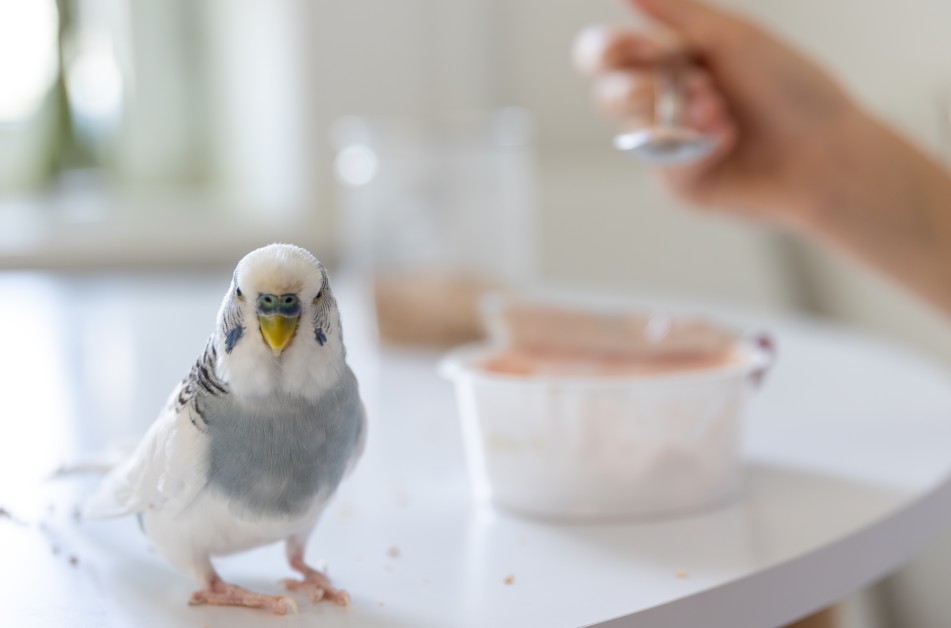
Credit: www.petassure.com
Create A Safe Capture Environment
Creating a safe capture environment helps catch your escaped pet bird without causing stress. It makes the process smooth and safer for both you and the bird. Setting up the right area improves your chances of success.
Set Up Traps And Nets
Use traps designed for small birds to avoid injury. Place them near the bird’s favorite spots. Bait traps with food your bird loves, like seeds or fruit. Nets can help gently catch the bird if it lands nearby. Always handle traps and nets carefully to prevent harm.
Reduce Noise And Distractions
Keep the area quiet to avoid scaring the bird away. Turn off loud machines and lower voices. Ask others to stay calm and move slowly. Remove pets and other distractions from the space. A calm environment makes the bird feel safer and more likely to stay close.
Handle Your Bird Carefully
Handling your escaped pet bird with care is crucial to ensure its safety and comfort. Birds can get scared easily, and rough actions may cause injury or stress. A calm and gentle approach helps build trust and makes the capture easier. Pay close attention to your bird’s body language and move slowly. Your calm presence can reduce fear and encourage the bird to stay still.
Approach Calmly
Move slowly and quietly toward your bird. Sudden moves can frighten it and cause it to fly away again. Keep your hands visible so the bird does not feel trapped. Speak softly or remain silent to avoid startling your pet. Stay low and avoid looming over the bird. Patience is key. Wait for the right moment when the bird is still or resting.
Secure The Bird Gently
Use both hands to gently cup the bird without squeezing. Support its body firmly but softly to avoid injury. Avoid grabbing the wings or tail, which can cause harm. If possible, cover the bird with a light cloth or towel to calm it down. Keep the bird close to your chest for warmth and security. Move slowly to prevent sudden escapes. Once secure, place the bird back in its cage or a safe carrier quickly.

Credit: www.youtube.com
Prevent Future Escapes
Stopping your pet bird from escaping again is just as important as catching it this time. You want to create a safe environment where your bird feels secure and less likely to try flying off. Small changes to your cage and training can make a big difference in keeping your feathered friend close.
Improve Cage Security
Check your bird’s cage carefully for any weak spots or loose bars. Birds can squeeze through surprisingly small gaps, so make sure all doors and locks fit tightly. Adding extra clips or locks can prevent accidental openings.
Consider the cage’s placement too. Avoid spots near open windows or doors where your bird could escape if it gets out. Keeping the cage in a quiet, comfortable area reduces stress, which can lower the chance of escape attempts.
Train For Recall
Teaching your bird to come back to you when called can save a lot of worry. Start training in a calm, familiar place using treats and a consistent call word. Keep training sessions short and positive to build trust.
Practice regularly, gradually increasing the distance between you and your bird. This helps your bird learn that returning to you is rewarding, not scary. Have you tried calling your bird from across the room yet? It’s amazing how quickly they can learn with patience.

Credit: kathylafollett.medium.com
Frequently Asked Questions
How Can I Safely Catch My Escaped Pet Bird?
Approach your bird calmly and quietly to avoid scaring it. Use treats or its favorite food to lure it closer. Gently cover it with a towel or net once near. Avoid sudden movements to ensure a safe capture.
What Are The Best Tools To Catch An Escaped Bird?
Use a soft towel, bird net, or a large box to catch your bird. These tools help prevent injury. Avoid using bare hands alone, as birds may panic and hurt themselves. Patience and gentle handling are essential.
How Long Should I Search For My Escaped Pet Bird?
Search immediately and continue for several hours or days if needed. Birds may hide nearby initially, so check bushes and trees carefully. Use familiar sounds or calls to attract them back. Persistence increases your chances of recovery.
Should I Notify Neighbors If My Bird Escapes?
Yes, informing neighbors helps widen the search area. Provide a description and your contact information. Ask them to check their yards or garages. Community involvement can speed up finding your pet bird.
Conclusion
Catching an escaped pet bird takes patience and care. Always remain calm. Birds sense fear and stress. Keep favorite treats handy. They can lure your bird back. Use gentle, soothing calls. Your bird may respond to familiar sounds. Check nearby trees and rooftops.
Birds often stay close to home. Consider using a cage as a trap. It provides a safe return space. Enlist help from friends or neighbors. More eyes can spot the bird quicker. Stay hopeful and persistent. Your feathered friend wants to come home.
With these tips, you can succeed in reuniting with your bird.