
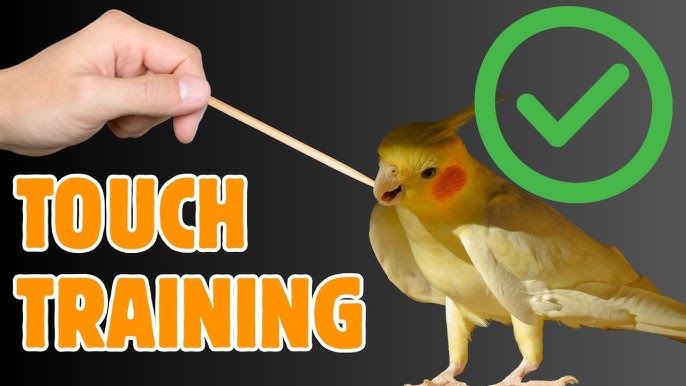
If you have a pet bird that nips or bites, you know how frustrating and painful it can be. But what if you could change that behavior quickly and easily?
You can, and it starts with understanding why your bird bites in the first place. You’ll discover simple, proven techniques to train your bird not to bite—so you can enjoy a happier, safer relationship with your feathered friend. Keep reading, and you’ll learn the secrets to turning biting into bonding.
Reasons Birds Bite
Understanding why birds bite helps in training them better. Biting is a natural behavior but often signals discomfort or need. Recognizing the cause allows you to respond calmly and effectively. Birds use biting to communicate. Learning their reasons prevents fear and builds trust.
Fear And Stress
Birds bite when they feel scared or stressed. Loud noises, sudden movements, or new environments can trigger this. They bite to protect themselves from perceived danger. A scared bird may bite without warning. Calm surroundings and gentle handling reduce fear biting.
Territorial Behavior
Birds are territorial by nature. They bite to defend their space or cage. New people or pets near their area may cause biting. This behavior protects their comfort zone. Respecting their space helps lower territorial bites.
Lack Of Socialization
Birds not used to people often bite. Lack of social contact makes them wary and defensive. Socializing young birds reduces biting as they grow. Frequent, gentle interaction teaches them trust and friendliness.
Seeking Attention
Sometimes birds bite to get your attention. They learn biting makes you react. If ignored, they may bite more. Offering attention and playtime stops attention-seeking bites. Positive interaction keeps birds happy and calm.
Signs Your Bird May Bite
Recognizing the signs that your bird may bite is key to building trust and preventing painful encounters. Birds communicate a lot through subtle cues that many owners overlook. Paying close attention to these signals helps you respond calmly and avoid triggering a bite.
Body Language Cues
Your bird’s posture can tell you a lot about its mood. Watch for raised feathers around the neck or head—this often means your bird feels threatened or agitated.
Also, a stiff body or rapid head movements can signal discomfort. If your bird flares its wings or lunges forward, it’s trying to warn you before it bites.
Vocal Warnings
Birds use sounds to express feelings just like humans. Sharp squawks, hisses, or growling noises often serve as vocal warnings before a bite.
Pay attention if your bird suddenly becomes louder or changes its usual chirping pattern. These sounds can mean your bird is upset and about to defend itself.
Changes In Behavior
Notice any sudden change in your bird’s behavior around you. If a friendly bird starts avoiding your hand or cage, it might be feeling scared or stressed.
Also, if your bird becomes more territorial or aggressive during feeding or play, it could be preparing to bite. How does your bird act when you approach? Observing this can help you prevent bites.
Preparing For Training
Training a pet bird not to bite begins with proper preparation. Setting up the right conditions helps your bird feel safe and ready to learn. Preparation involves more than just the training itself. It includes creating a calm space, having the right tools, and building a strong bond with your bird. These steps make the training smoother and more effective.
Creating A Safe Environment
Choose a quiet room with few distractions. Birds need calm to focus and feel secure. Remove sharp objects and anything the bird could hurt itself on. Keep windows and doors closed to prevent sudden escapes. Soft lighting helps your bird stay relaxed. Make sure the cage is clean and stable. A safe place lowers stress and reduces biting triggers.
Gathering Necessary Supplies
Prepare tools that support training and comfort. Have healthy treats to reward good behavior. Use a small perch or a training stick to guide your bird’s actions. Keep a towel handy for gentle handling and safety. Use toys to distract and engage your bird. Organize these supplies in one spot for easy access during sessions.
Establishing Trust
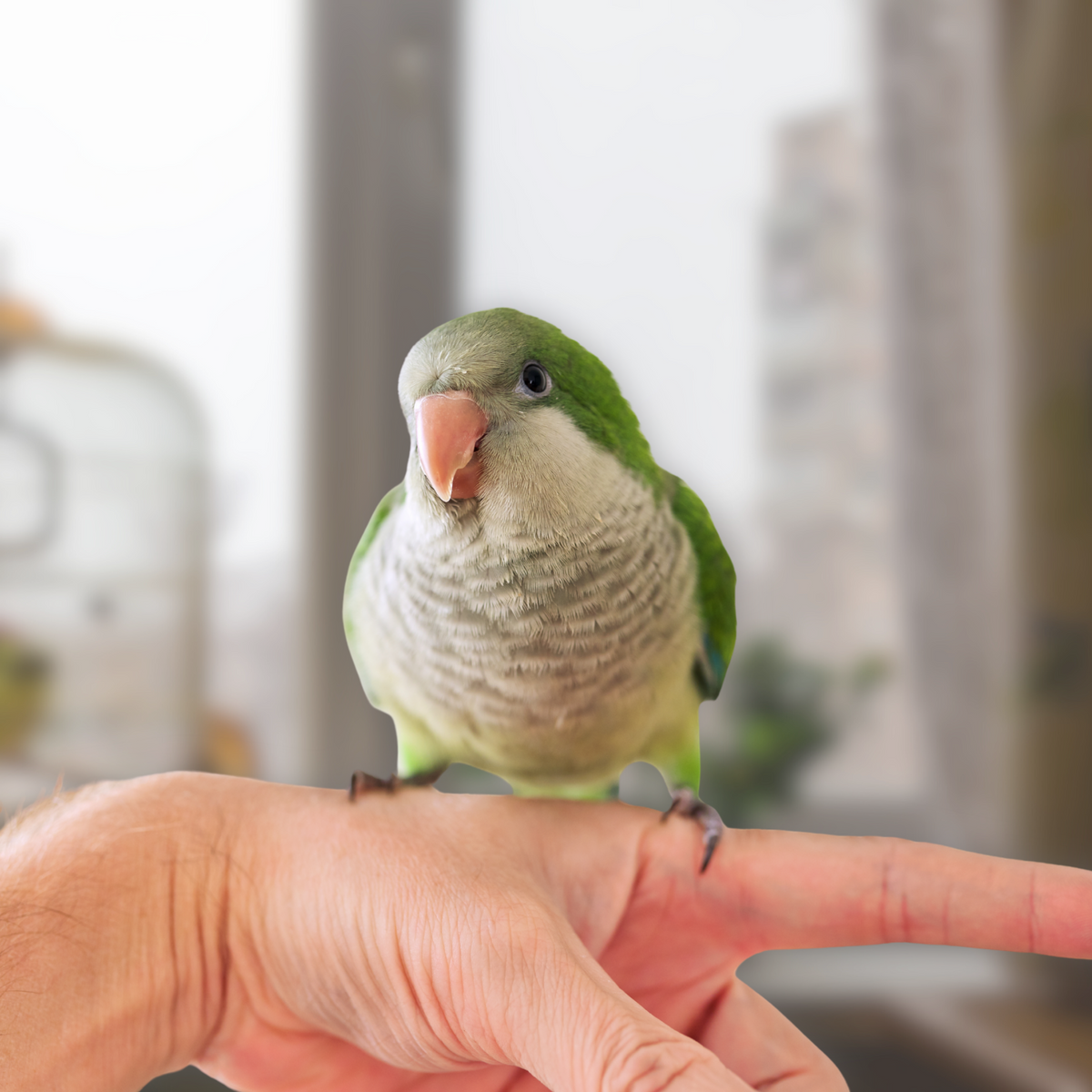
Spend quiet time near your bird each day. Speak softly and move slowly to avoid startling it. Offer treats by hand to build positive feelings. Let your bird explore your hand without pressure. Observe its body language to understand moods. Trust grows with patience and kindness. A trusting bird is less likely to bite during training.
Credit: birdsupplies.com
Techniques To Prevent Biting
Training a pet bird not to bite needs patience and clear techniques. Birds bite for many reasons like fear or excitement. Preventing biting requires understanding your bird’s behavior and reacting calmly. Using gentle, consistent methods helps build trust and reduces biting. Here are some effective techniques to keep your bird calm and friendly.
Positive Reinforcement
Reward your bird when it behaves well. Use praise and gentle petting to show approval. Positive reinforcement encourages good habits without fear. Repeat rewards often to help your bird learn quickly. Avoid punishment as it can increase fear and biting.
Redirecting Aggression
Offer a toy or object when your bird shows signs of biting. This helps the bird focus its energy on something safe. Teach your bird to chew toys instead of your fingers. Redirecting aggression keeps both you and your bird safe.
Consistent Handling
Handle your bird gently every day to build comfort. Use calm movements and speak softly to avoid startling it. Consistency helps your bird know what to expect. This reduces fear, which often causes biting. Avoid sudden changes in how you handle your bird.
Using Treats Effectively
Give treats to encourage calm behavior and trust. Use small, healthy treats and offer them during training. Treats help your bird associate your hands with good things. Avoid giving treats after biting to prevent mixed signals. Treats become a tool for positive connection.
Building Gentle Habits
Building gentle habits is key to preventing your pet bird from biting. Birds respond well to calm, consistent interactions that teach them what behavior is acceptable. Developing these habits takes patience but sets a foundation for a trusting relationship.
Regular Social Interaction
Spending time with your bird daily helps it feel secure and less likely to bite out of fear or frustration. Talk softly, offer gentle pets, and share quiet moments to build trust. Have you noticed how your bird reacts differently after a few minutes of calm attention?
Try to include your bird in your routine activities. Let it observe you while you read or work. This social exposure reduces anxiety and encourages positive behavior.
Training Sessions Routine
Short, frequent training sessions work better than long ones. Aim for 5 to 10 minutes a few times a day to keep your bird engaged without overwhelming it. Consistency in timing helps your bird anticipate and cooperate during training.
Use clear signals and rewards like treats or praise. For example, when your bird steps up without biting, immediately give a favorite treat. This teaches it that gentle behavior gets positive attention.
Encouraging Calm Behavior
Teach your bird to stay calm by rewarding relaxed postures and quiet behavior. If it starts to bite, pause your interaction immediately to show that biting stops the fun. Do you catch your bird’s signs of stress early enough to intervene?
Provide a safe space like a cozy corner in the cage where your bird can retreat to calm down. This helps prevent biting caused by overstimulation or fear. Remember, calmness is a habit you nurture just like any other.

Credit: www.youtube.com
Addressing Biting Incidents
Biting is a common challenge when training pet birds, but how you respond to these incidents can make all the difference. Addressing biting calmly and thoughtfully helps build trust and guides your bird toward better behavior. Let’s look at key ways to handle biting without escalating the problem.
Remaining Calm
It’s natural to feel shocked or hurt when your bird bites, but staying calm is essential. Birds can sense your emotions, and reacting with anger or fear might make biting worse.
Take a deep breath and pause before responding. This helps you avoid reinforcing the biting behavior through unintended reactions like shouting or sudden movements.
Avoiding Punishment
Punishing your bird for biting often backfires. Physical punishment or yelling can damage your relationship and increase fear or aggression.
Instead, use gentle redirection to teach what behavior you expect. For example, quietly withdraw your hand and give your bird space, then reward calm, gentle interactions.
Reassessing Training Methods
If biting continues, it’s time to rethink your approach. Ask yourself if your bird might be scared, stressed, or overstimulated.
Try changing how you interact, such as offering more positive reinforcement or shorter training sessions. Sometimes, adding favorite treats or toys can motivate your bird to learn without resorting to biting.
Have you noticed patterns in your bird’s biting? Noticing when and why it happens helps tailor your training for better results.
When To Seek Professional Help
Knowing when to ask for professional help can make a huge difference in training your pet bird not to bite. Sometimes, despite your best efforts, biting persists or worsens. Recognizing the signs that you need extra guidance ensures your bird’s well-being and your peace of mind.
Behavioral Experts
Bird behaviorists specialize in understanding why your bird bites and how to address it effectively. If you notice aggressive biting patterns or sudden changes in behavior, consulting a behavioral expert is wise. They can create a personalized plan tailored to your bird’s unique personality and environment.
Have you tried all common techniques without success? A professional might identify triggers you missed, like stress or fear. Their insights often save you time and frustration.
Veterinary Advice
Sometimes biting stems from health issues. Pain or illness can make your bird irritable and prone to biting unexpectedly. A vet checkup rules out medical problems such as infections or injuries that might be causing discomfort.
Don’t overlook subtle signs like changes in appetite or feather condition. Your vet can also advise on nutritional adjustments that improve your bird’s mood and reduce biting tendencies.
Advanced Training Options
If basic training doesn’t work, consider advanced methods like clicker training or desensitization techniques. Professionals offering these services have experience with difficult cases and use positive reinforcement to change behavior.
Have you thought about group classes or workshops? These settings provide socialization and expert feedback that can accelerate progress. Sometimes, learning alongside other bird owners helps you discover new strategies and stay motivated.

Credit: www.amazon.ca
Frequently Asked Questions
How Can I Stop My Pet Bird From Biting?
To stop biting, identify triggers and avoid them. Use positive reinforcement and gentle handling. Offer toys and attention to reduce stress. Consistency and patience are key in training your bird not to bite.
Why Do Pet Birds Bite Their Owners?
Birds bite due to fear, stress, or territorial behavior. They may also bite when feeling threatened or uncomfortable. Understanding their body language helps prevent bites by addressing the root cause effectively.
What Are Effective Training Tips To Prevent Bird Biting?
Use calm, gentle interactions and reward good behavior. Avoid sudden movements or loud noises. Offer chew toys to redirect biting impulses. Consistent training sessions build trust and reduce aggressive biting.
How Long Does It Take To Train A Bird Not To Bite?
Training time varies by species and individual bird. With daily consistent training, results can appear in weeks. Patience and positive reinforcement accelerate the process. Avoid punishment as it worsens biting behavior.
Conclusion
Training a pet bird not to bite takes time and patience. Start with understanding its behavior and needs. Build trust gradually with gentle handling. Positive reinforcement works wonders. Use treats and praise to reward good behavior. Be consistent with your approach daily.
Birds sense your emotions, so stay calm and patient. Seek professional help if needed. Every bird is unique, so adapt methods to suit yours. With love and care, biting can be reduced. Enjoy a harmonious bond with your feathered friend.