
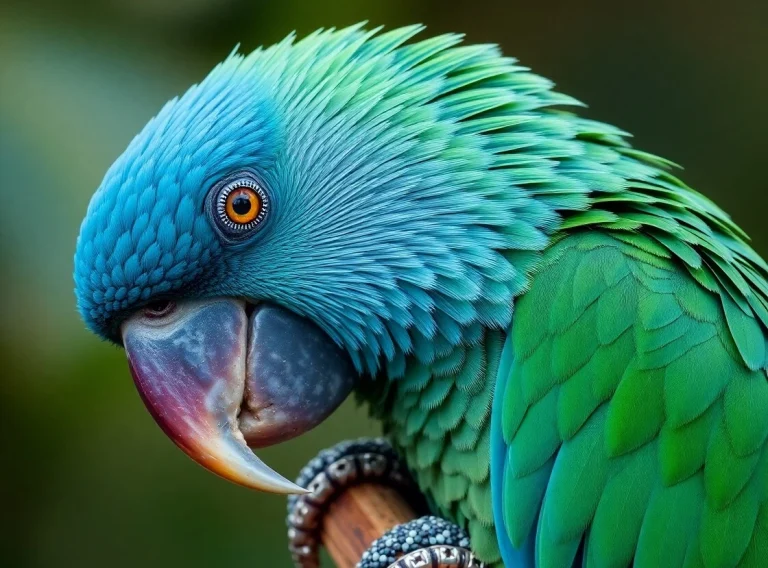
Are you thinking about adding a feathered friend to your home? Choosing the right bird as a pet can bring joy, companionship, and even a splash of color to your life.
But with so many types of birds out there, which one fits your lifestyle best? Whether you want a chatty companion, a low-maintenance buddy, or a playful entertainer, understanding the kinds of birds that make great pets is key. Keep reading to discover which birds match your personality and home, and find the perfect winged friend waiting just for you.
Popular Pet Birds
Many bird species make great pets. They bring color and life to any home. Some birds are easier to care for and more social than others. These popular pet birds fit well with families and individuals alike.
Budgerigars
Budgerigars, also called budgies or parakeets, are small and lively. They are easy to train and love to mimic sounds. Budgies have bright green or blue feathers and enjoy social interaction. They adapt well to indoor living and need daily playtime.
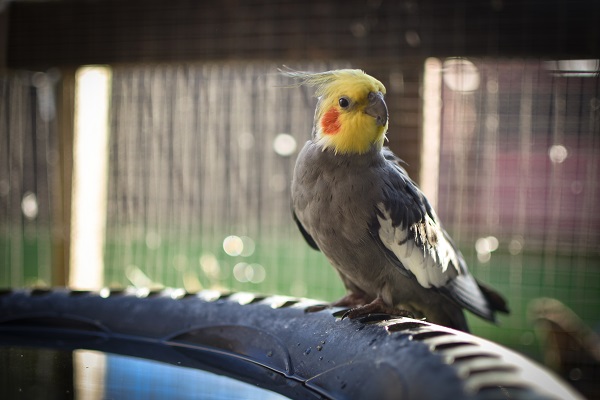
Cockatiels
Cockatiels are gentle and friendly birds. They have a unique crest on their heads that moves with their mood. Cockatiels enjoy being petted and often whistle tunes. They are good for first-time bird owners and form strong bonds with humans.
Lovebirds
Lovebirds are small parrots known for their strong pair bonds. They are colorful, with shades of green, yellow, and orange. Lovebirds are curious and active, needing plenty of toys. They thrive on attention and social interaction.
Parakeets
Parakeets are a popular group of small to medium-sized birds. They come in many colors and patterns. Parakeets are playful and talkative pets. They enjoy flying around safe indoor spaces and benefit from companionship, either with owners or other birds.
Canaries
Canaries are famous for their singing ability. They are small songbirds with bright yellow feathers. Canaries prefer calm environments and do well in cages with space to fly. They require less handling but provide beautiful melodies throughout the day.
:strip_icc()/sun-parakeets-135559243-5b53f406c9e77c0037e36d6b.jpg)
Credit: www.thesprucepets.com
Large Friendly Birds
Large friendly birds bring a unique charm to any home. Their size often matches their personality—bold, intelligent, and affectionate. If you’re ready to commit time and care, these birds can become lifelong companions who truly understand you.
African Grey Parrots
African Grey Parrots are famous for their incredible talking abilities. They can learn hundreds of words and even mimic sounds around the house.
These birds crave mental stimulation. You’ll need to provide puzzles and toys to keep their sharp minds busy. Have you ever witnessed an African Grey’s ability to solve problems? It’s quite impressive and rewarding to see.
Amazon Parrots
Amazon Parrots are lively and social, often known for their playful nature. They love interacting with their owners and can become the center of attention in your home.
They do require daily social time to stay happy. If you can spend time talking, singing, or playing games, an Amazon Parrot might be the perfect choice for you.
Cockatoos
Cockatoos are affectionate and thrive on close bonds with their humans. They enjoy cuddling and often seek physical contact more than other birds.
However, they can be loud and demanding. Are you prepared for a pet that might ask for your attention multiple times a day? Their charming personalities make the effort worthwhile.
Macaws
Macaws are among the most stunning and intelligent large birds. Their bright feathers and playful behavior can brighten any room instantly.
These birds need space to move and a lot of mental engagement. If you have room and time, a Macaw can become a loyal, entertaining friend who keeps you on your toes.
Bird Temperaments
Understanding bird temperaments is key to choosing the right pet bird. Each species has unique behaviors and needs. These traits affect how a bird lives with people and other pets. Knowing these details helps in creating a happy home for your feathered friend.
Social Behavior
Birds vary widely in social needs. Some enjoy company and get lonely without it. Others prefer solitude and can be stressed by too much attention. Parrots and cockatiels often thrive with interaction. Budgies and canaries may be content alone but benefit from a companion bird. Observing these traits helps you pick a bird that fits your lifestyle.
Vocalization Levels
Birds express themselves with sounds. Some species are very noisy and vocal. African Greys and Amazon parrots talk and call often. Finches and doves are quieter and make soft sounds. Consider your living space and neighbors. Choose a bird whose vocalization level matches your tolerance for noise.
Interaction Needs
Birds need different amounts of attention. Some require daily play and training sessions. Others are more independent and enjoy occasional interaction. Parrots need mental stimulation to avoid boredom. Smaller birds might be fine with less handling. Understanding these needs keeps your bird healthy and happy.
Credit: www.northernparrots.com
Care Requirements
Caring for pet birds requires attention to their specific needs. Each bird species has unique care demands. Proper care ensures a healthy, happy pet. Understanding key care areas helps you provide the best life for your bird.
Diet And Nutrition
A balanced diet keeps birds strong and energetic. Fresh fruits and vegetables supply essential vitamins. Seeds and pellets offer necessary proteins and fats. Avoid feeding birds chocolate, caffeine, or salty foods. Clean water must be available at all times.
Housing And Space
Birds need cages large enough to move freely. The cage should have perches of different sizes. Avoid placing the cage near drafts or direct sunlight. Regular cleaning prevents illness and keeps the space fresh. Outdoor aviaries suit larger birds needing more room.
Exercise And Enrichment
Birds need daily exercise to stay fit and happy. Toys like bells, mirrors, and ladders stimulate mental activity. Time outside the cage encourages natural behaviors like flying. Social interaction with humans or other birds reduces boredom. Rotate toys regularly to keep interest high.
Choosing The Right Bird
Choosing the right bird as a pet means thinking about more than just their colorful feathers or charming songs. It’s about finding a companion that fits well with your lifestyle and personality. This choice will shape your daily routine and the bond you build with your feathered friend.
Matching Personality
Birds have distinct personalities, just like people. Some parrots are playful and outgoing, while finches tend to be more independent and quieter. Consider whether you want a bird that enjoys lots of interaction or one that’s happy being low-maintenance.
If you enjoy socializing and talking, a talkative parrot might be your perfect match. But if you prefer a calm, peaceful pet, a canary or budgie might suit you better. What kind of energy do you want from your bird each day?
Time Commitment
Different birds require different levels of attention. Larger parrots often need several hours of social interaction and mental stimulation daily. Smaller birds like lovebirds or cockatiels still need care but are less demanding.
Think about how much time you can realistically dedicate to your pet. Can you commit to daily play and training? If your schedule is busy, a bird with simpler needs might be smarter to choose. How will your daily routine affect your ability to care for your bird?
Allergy Considerations
Birds produce dander and feathers that can trigger allergies in some people. It’s important to test your sensitivity before bringing a bird home. Spending time around birds at a friend’s house or a pet store can reveal potential issues.
Some bird species produce less dander, like parakeets or canaries, which might be better for allergy sufferers. Using air purifiers and regular cage cleaning can also help manage symptoms. Have you considered how allergies might affect your relationship with your pet?
:strip_icc()/parakeet-budgie-budgerigar-952787256-5b52a7d046e0fb0037bec8a7.jpg)
Credit: www.thesprucepets.com
Training And Bonding
Training and bonding with pet birds is essential for a happy and healthy relationship. Birds are intelligent creatures that respond well to consistent interaction. Your efforts to train and bond will create trust and make daily care easier and more enjoyable for both of you.
Basic Commands
Start with simple commands like “step up” and “step down.” These teach your bird to move onto your hand or a perch on cue. Use treats and gentle praise to encourage the behavior.
Keep training sessions short—around 5 to 10 minutes—to hold your bird’s attention. Repetition is key, so practice daily. What commands could make your daily interactions smoother?
Building Trust
Trust forms the foundation of your bond. Spend quiet time near your bird without forcing interaction. Let your bird come to you when ready.
Offer treats through the cage bars at first, then gradually allow hand feeding. Patience here pays off. Has your bird ever surprised you by opening up after consistent patience?
Handling Techniques
Proper handling keeps your bird calm and safe. Support their body gently but firmly, avoiding squeezing or sudden movements. Always approach from the front or side to avoid startling them.
Use a perch during initial handling to give your bird a sense of security. Handling should feel positive, so stop if your bird shows distress. How comfortable do you feel handling your bird right now?
Frequently Asked Questions
What Types Of Birds Are Best As Pets?
Popular pet birds include parrots, budgerigars, canaries, and cockatiels. They are friendly, social, and easy to train. Each species has unique care needs and personalities, so choose based on your lifestyle and experience.
Are Small Birds Easier To Care For As Pets?
Yes, small birds like budgerigars and finches require less space and simpler care. They are ideal for beginners and apartment living. However, all birds need daily attention and a proper diet to stay healthy.
Can Parrots Talk And Mimic Sounds?
Many parrot species, such as African Greys and Amazons, can mimic human speech. Their intelligence and vocal ability make them popular pets. Training and social interaction enhance their talking skills.
How Long Do Pet Birds Typically Live?
Pet bird lifespans vary by species. Small birds live 5-10 years, while larger parrots can live 20-80 years. Proper care, diet, and environment influence their longevity significantly.
Conclusion
Choosing the right bird as a pet enriches your life. Birds come in various sizes and personalities. Some are chatty, while others are quiet. Parakeets and canaries are good for beginners. They are low-maintenance and friendly. Larger birds like parrots need more attention.
They can learn tricks and mimic sounds. Remember, birds need proper care and time. Understanding their needs is crucial. With the right choice, birds become great companions. They bring joy and color into your home. Consider space, time, and commitment before deciding.
Enjoy the delightful company of your feathered friend!