
Imagine capturing the perfect shot of a majestic bird in its natural habitat, undisturbed by your presence. Sounds exciting, right?
Bird photography is an exhilarating hobby, but it often requires patience and stealth. That’s where a bag hide comes into play. Creating a bag hide is your ticket to blending seamlessly into the environment, giving you an up-close and personal view of the avian world without alarming your feathered subjects.
In this guide, you’ll discover the simple steps to make your very own bag hide, turning you into an invisible observer in nature’s theater. Whether you’re a seasoned photographer or just starting out, this creative solution will elevate your bird photography game. Ready to get closer to your subjects than ever before? Let’s dive in and explore how you can create this essential tool.
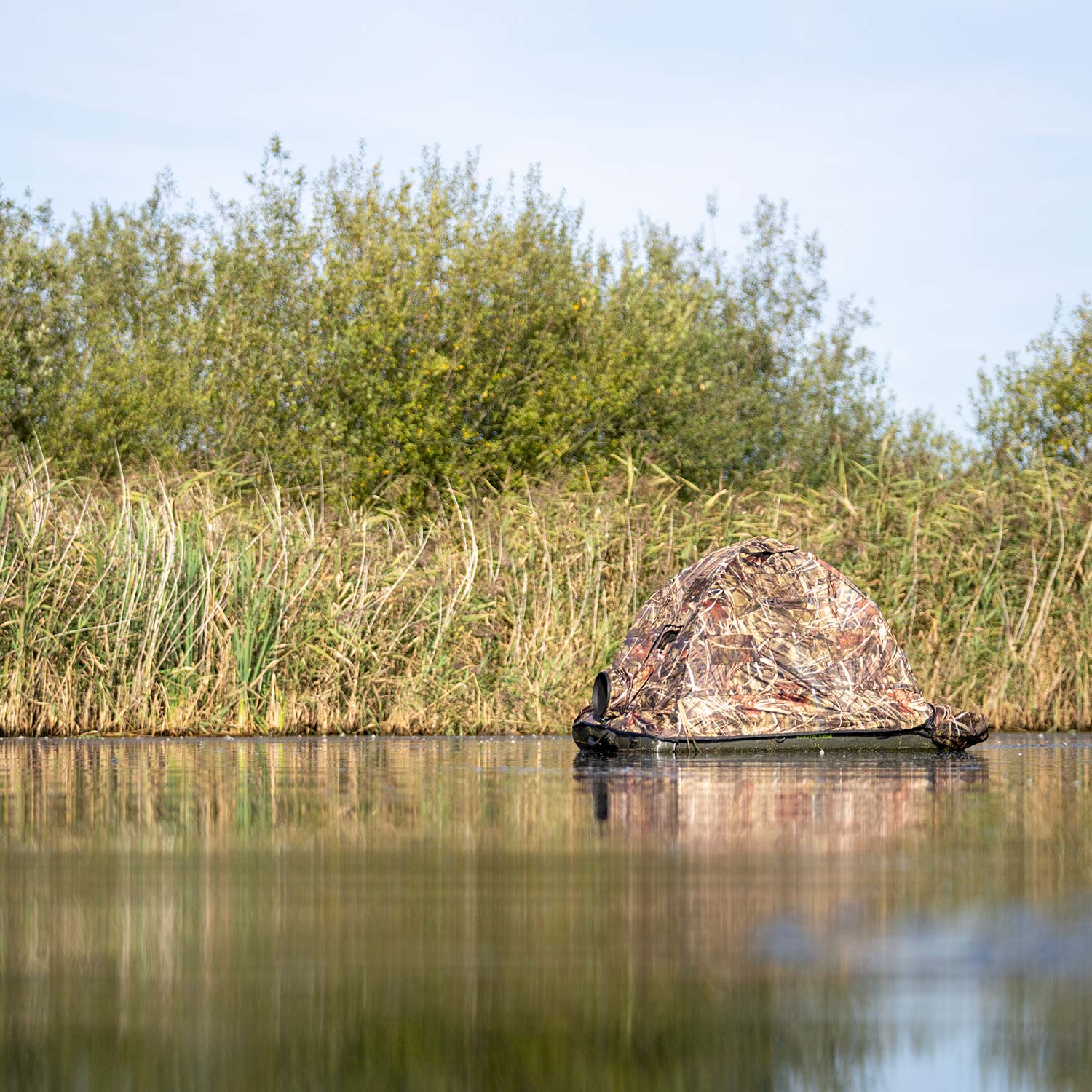
Credit: www.buteophotogear.com
Choosing The Right Materials
Choosing the right materials is the first step in making a bag hide for bird photography. The materials must be durable and help you blend into nature. Selecting good fabric and tools makes your hide effective and long-lasting. This section explores fabric types and essential accessories needed.
Fabric Types For Durability And Camouflage
Durability is key to protect your gear and withstand outdoor conditions. Choose fabrics that resist tears and water. Camouflage helps you stay unnoticed by birds, increasing your chances of good shots.
- Canvas:Heavy and tough. It lasts long and resists wind and rain.
- Ripstop Nylon:Lightweight and tear-resistant. Good for easy carrying.
- Camouflage Prints:Available in many patterns. Matches different environments like forests or grasslands.
- Mesh Fabric:Allows airflow and reduces heat build-up inside the hide.
Essential Accessories And Tools
Accessories improve the functionality and comfort of your bag hide. Tools help you assemble and customize it quickly.
- Zippers and Velcro:Easy access to your camera without disturbing birds.
- Adjustable Straps:Secure the hide tightly around your bag or tripod.
- Padding:Protects your camera and lens from bumps.
- Stakes or Weights:Keep the hide stable on windy days.
- Needle and Thread:For quick repairs on the go.

Credit: www.youtube.com
Designing Your Bag Hide
Designing your bag hide is key to capturing great bird photos. It needs to blend with nature and support your gear. A well-designed hide keeps birds calm and gives you clear shots. Consider size, shape, windows, and comfort. These details make your hide effective and easy to use.
Optimal Size And Shape
Your hide should be just big enough for you and your camera. Too large, and it may scare birds away. Too small, and you will feel cramped. A rectangular shape works well for stability and ease. Aim for a size around 24 to 30 inches wide and 18 to 24 inches deep. Height should allow sitting or crouching comfortably.
Incorporating Viewing Windows
Windows let you see and photograph birds without being noticed. Use mesh or clear plastic for stealth. Position windows at different heights for varied shooting angles. Make sure windows are large enough to fit your camera lens. Cover them with removable flaps to control light and visibility.
Portability And Comfort Features
Lightweight materials make carrying your hide easier. Use water-resistant fabric to protect against rain and dew. Add padded shoulder straps for comfortable transport. Include internal pockets for small gear and snacks. Ventilation openings help keep you cool during long sessions outdoors.
Step-by-step Construction
Building a bag hide for bird photography requires careful planning and precise work. This section guides you through the construction process. Each part ensures your hide is sturdy, comfortable, and effective for close-up shots. Follow each step to create a practical hide that blends well with nature.
Cutting And Assembling The Fabric
Choose a camouflage fabric that is durable and lightweight. Measure fabric pieces according to your hide’s size. Cut panels for the main body, windows, and top flap. Use sharp scissors for clean edges.
Lay the pieces flat on a clean surface. Align edges carefully before sewing. Join the main panels with strong, straight stitches. Leave openings for camera lenses and ventilation. Double-check measurements to ensure comfort inside the hide.
Adding Reinforcements And Fasteners
Strengthen high-stress areas with extra fabric patches. Sew patches on corners and window edges. Use heavy-duty thread for long-lasting results. Attach Velcro strips or zippers to window flaps. These fasteners allow quick access and secure closure.
Add loops or rings to attach the hide to a tree or ground stakes. Reinforce these points with extra stitching. This prevents wear and tear during use. Proper reinforcements keep your hide stable in windy conditions.
Finishing Touches For Practical Use
Sew pockets inside to store small gear like lens caps or snacks. Add adjustable straps for carrying comfort. Use soft fabric inside the hide to avoid noise when moving. Test all openings to ensure smooth operation.
Consider adding a small mesh screen for extra camouflage and insect protection. Check your hide in natural light to confirm its blending ability. These details improve your bird photography experience greatly.
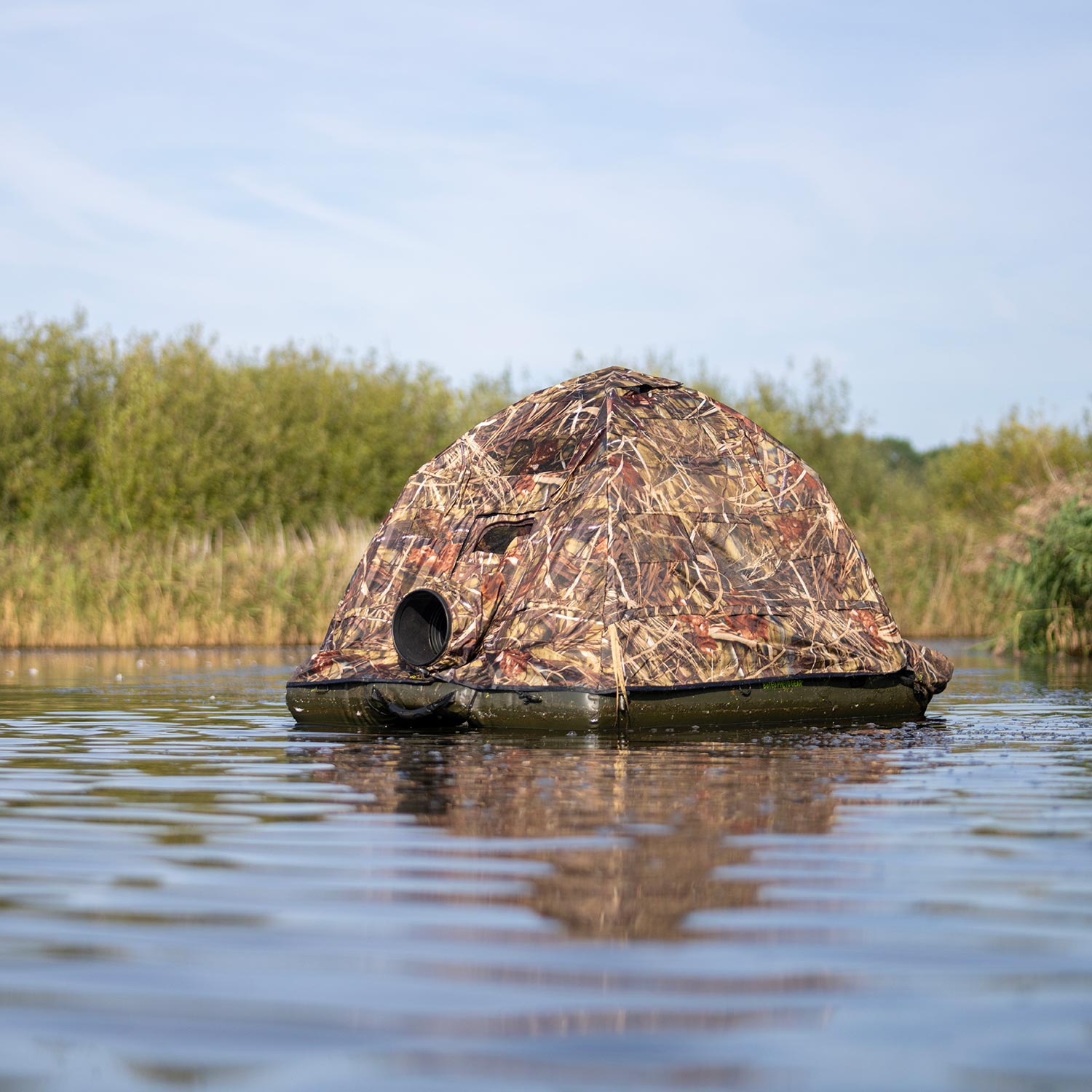
Credit: www.buteophotogear.com
Positioning Your Hide In The Field
Positioning your bag hide correctly in the field is key to capturing great bird photos. The right spot helps you stay unseen while keeping the birds comfortable. Careful placement increases your chances of seeing natural bird behavior. It also protects the birds from stress and disturbance.
Selecting Ideal Locations
Choose spots where birds feed, rest, or nest. Look for areas near water, bushes, or trees. Avoid open spaces that offer no cover. Check for wind direction to keep your scent away from birds. Pick a location with good light for clear photos.
Camouflage Techniques For Natural Blending
Use natural materials like leaves, grass, or branches to cover your hide. Match colors and textures with the surrounding environment. Avoid shiny or bright items that attract attention. Keep the hide low to the ground when possible. Blend your camera and gear with the hide’s colors.
Minimizing Disturbance To Birds
Move slowly and quietly when setting up your hide. Avoid sudden movements that can scare birds away. Stay inside the hide and keep noise to a minimum. Limit your time near nests or feeding areas. Watch bird behavior to know when to stay still or move.
Expert Tips For Successful Bird Photography
Successful bird photography needs more than just a good camera. It requires skill, patience, and the right approach. Understanding how to use your gear, timing your shots, and staying unnoticed are key. These expert tips will help you capture stunning bird images with your bag hide.
Optimal Camera Settings
Use a fast shutter speed to freeze bird motion. Aim for 1/1000 second or faster. Set a wide aperture, like f/5.6, to blur the background. This makes the bird stand out. Increase ISO only if light is low, but avoid too much noise. Use continuous autofocus to keep birds sharp. Shoot in burst mode to catch quick actions. Adjust white balance to match natural light.
Patience And Timing Strategies
Birds move fast and can be shy. Wait quietly and observe their habits. Early morning and late afternoon offer the best light and activity. Birds are more active then. Avoid sudden movements; they scare birds away. Plan your shoot near feeding or nesting spots. Watch for signs of bird presence like calls or flight paths. Patience often results in the best shots.
Maintaining Stealth And Silence
Stay hidden inside your bag hide to avoid disturbing birds. Wear natural colors to blend with surroundings. Move slowly and avoid noise. Keep your camera settings ready before the bird arrives. Use a silent shutter mode if possible. Avoid touching the hide or surrounding area suddenly. Silence and stillness increase your chances of close shots.
Frequently Asked Questions
What Materials Are Best For Making A Bird Photography Bag Hide?
Natural fabrics like camouflage cloth and lightweight mesh work best. They blend with the environment and allow ventilation. Sturdy zippers and waterproof linings improve durability and comfort during long shoots.
How Do I Set Up A Bag Hide For Bird Photography?
Place the bag hide near bird activity spots. Ensure it’s stable and camouflaged with natural elements. Position your camera through the opening for clear shots without disturbing the birds.
Can A Bag Hide Improve Bird Photography Success?
Yes, a bag hide conceals your presence, reducing bird disturbance. It allows closer, natural behavior shots. This increases photo quality and variety, making your bird photography more rewarding.
Is A Bag Hide Suitable For All Bird Species?
Mostly yes, but effectiveness depends on bird sensitivity to movement. Ground-feeding or shy species benefit most. Adjust hide placement and camouflage based on target species’ habits.
Conclusion
Creating a bag hide helps you get closer to birds easily. It keeps you hidden and comfortable outdoors. Use simple materials to build one at home. Practice patience and stay still for the best shots. Enjoy watching birds without scaring them away.
This small effort can bring great photo moments. Try making your own bag hide soon. Capture nature’s beauty up close and personal.