
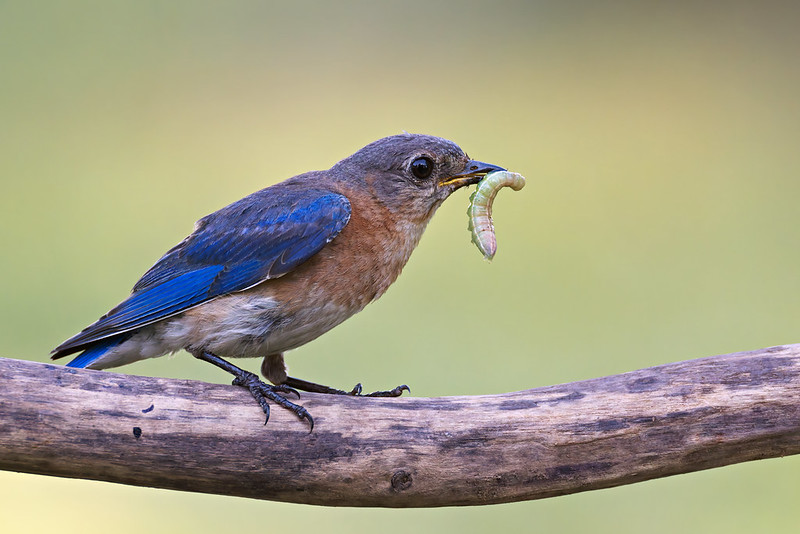
Have you ever spotted a bluebird near its nest and wondered if the little one is ready to leave the safety of home? Knowing how to tell if bluebird fledging behavior is happening can help you understand these beautiful birds better.
It’s not just about watching—they’re sending signals you can learn to recognize. You’ll discover the clear signs that tell you when a bluebird chick is preparing to take its first flight. Keep reading, and you’ll become an expert at spotting these exciting moments in nature.
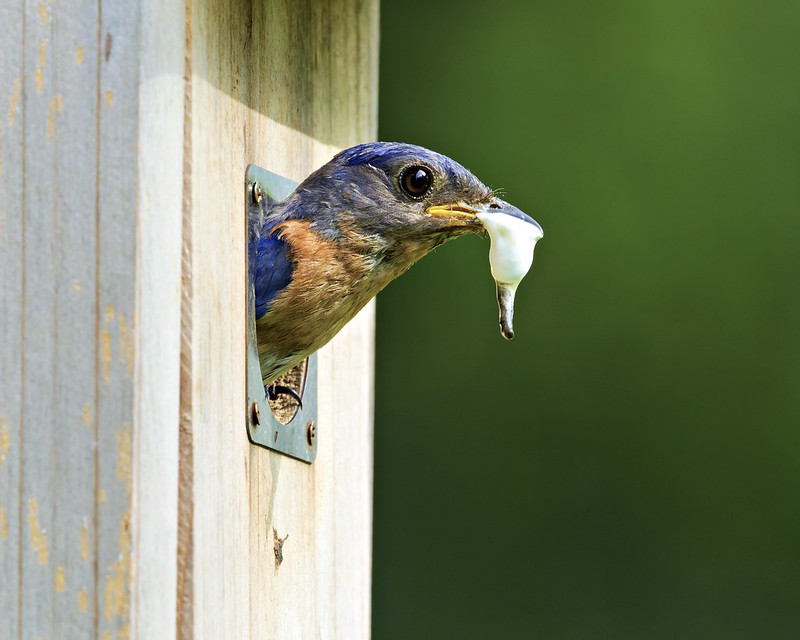
Credit: stevecreek.com
Fledging Basics
Bluebird fledging behavior shows when young birds leave the nest but still depend on parents. Watch for fluttering wings and hopping near the nest. Parents often feed and guide fledglings as they learn to fly and find food.
Understanding the basics of fledging can be both fascinating and essential for bird enthusiasts and conservationists alike. Watching a bluebird fledging transform from a helpless chick to a confident flyer is a rewarding experience. By learning to recognize the stages of fledging, you can ensure these beautiful birds make a successful transition into the wild.What Is Fledging
Fledging is the critical phase where a young bird leaves the nest and begins to fly. During this time, the fledglings learn essential survival skills, such as finding food and avoiding predators. This stage is marked by increased independence but also vulnerability, as fledglings are still honing their flying abilities.Timeline Of Fledging Stages
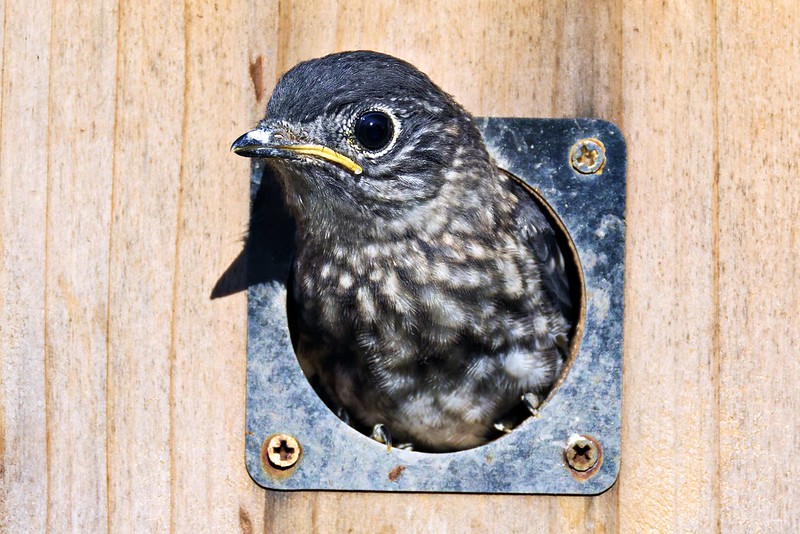
The fledging process typically begins when the chicks are about two to three weeks old. Initially, you’ll notice them flapping their wings vigorously while still in the nest. This exercise strengthens their muscles in preparation for their first flight. In the next stage, the young birds may venture to the edge of the nest. They might hop around nearby branches, practicing balance and control. It’s a crucial time when they gain confidence to take those first flights. Finally, the fledglings will leave the nest entirely, often returning only for shelter or protection. They start exploring their environment, learning to forage and interacting with other birds. This gradual independence signifies the successful completion of fledging. Have you ever watched a bluebird fledgling take its first flight? Observing these stages can offer insights into the delicate balance of nature and the challenges these birds face.Signs Of Healthy Fledging
Recognizing the signs of healthy fledging in bluebirds is key to understanding their development and ensuring their survival. Healthy fledglings show clear markers that indicate they are ready to leave the nest and explore the world. Observing these signs can help you know when your bluebirds are thriving and when they might need extra care.
Physical Development Markers
Healthy fledgling bluebirds display a number of clear physical traits. Their feathers should be fully grown, smooth, and vibrant, without gaps or fluffiness that suggests immaturity.
Look for strong, steady wing and leg muscles. These muscles are essential for flight and hopping between branches. A fledgling with weak or underdeveloped wings may struggle to leave the nest or escape predators.
Check the eyes and beak as well. Bright, clear eyes and a clean, well-formed beak are good signs of health. If you notice dull eyes or a deformed beak, the bird might be unwell or undernourished.
Behavioral Indicators
Behavior tells you a lot about a fledgling’s readiness to survive outside the nest. Healthy fledglings will actively respond to sounds and movements around them, showing alertness and curiosity.
Watch how they interact with their parents. Healthy fledglings beg for food with vigor and show improvement in wing-flapping and hopping. These behaviors help build strength and coordination.
Are they able to perch securely? This is a crucial skill before their first flight. If a fledgling struggles to grip or balance, it may need more time to develop.
Have you noticed any hesitation or lethargy? Healthy fledglings are generally eager to explore but cautious. If a bird seems overly timid or inactive, you might want to keep a closer eye on its progress.
Common Fledging Challenges
Bluebird fledging is an exciting yet delicate stage in their life cycle. However, fledglings face several challenges that can impact their survival. Understanding these common fledging challenges helps you better support and protect these young birds during their critical transition from nest to flight.
Predator Threats
Predators pose one of the biggest risks to fledgling bluebirds. Cats, snakes, and larger birds like hawks often target young birds that are not yet strong flyers. You might notice a sudden disappearance of fledglings near your birdhouse, which could indicate predator activity.
To reduce threats, consider placing nest boxes in open areas away from dense shrubs where predators hide. Installing predator guards on poles can also deter climbing animals. Have you checked your birdhouse setup lately to make sure it’s as safe as possible?
Environmental Factors
Weather conditions can dramatically affect fledgling success. Heavy rain or strong winds can dislodge fragile fledglings or make it difficult for them to practice flying. Cold snaps can also weaken them, especially if their feathers aren’t fully developed.
Providing shelter near the nesting area can help shield fledglings from harsh weather. You might also observe that fledglings stay closer to the nest during bad weather, showing their vulnerability. What local weather patterns could you monitor to better protect these young birds?
Feeding Patterns During Fledging
Feeding patterns during fledging offer key clues about the growth stage of bluebird chicks. Observing how often and in what way parents feed their young can tell you if fledglings are ready to leave the nest or still heavily dependent. Understanding these patterns helps you recognize natural behaviors and avoid unnecessary interference.
Parent Feeding Frequency
Bluebird parents increase feeding visits as their chicks grow, especially just before fledging. You might notice parents arriving every 10 to 20 minutes with food, which shows they’re preparing fledglings for independence.
Interestingly, the frequency isn’t constant throughout the day. Early mornings and late afternoons tend to see more feeding activity. Have you ever watched how a parent bluebird seems almost frantic during these times? That’s a sign they’re maximizing food delivery to support rapid growth.
Fledgling Feeding Responses
Pay attention to how fledglings react when parents arrive. Newly fledged bluebirds often stretch their necks and open their mouths wide, signaling hunger. As they grow more confident, they may begin to feed themselves but still rely on parents for frequent meals.
Sometimes fledglings make short flights between branches while parents follow and feed them. This behavior is a clear indicator of their transition phase. Have you noticed how this gradual shift prepares fledglings for life outside the nest?
Flight Skill Progression
Flight skill progression is a key part of bluebird fledging behavior. Young bluebirds develop their flying abilities gradually. Their muscles and coordination grow stronger each day. Observing this progression helps understand when they are ready to leave the nest.
The process starts with small movements and ends with full flight. Each stage shows important changes in strength and control. These changes indicate healthy development and readiness for independence.
Wing Strength Tests
Wing strength tests show how well a bluebird can flap its wings. Birds begin by stretching their wings and making small flaps. Parents often encourage this by bringing food nearby.
Watch for steady, strong wing beats. This means muscles are getting stronger. Weak or slow wing flaps suggest more time is needed before flight.
Practice Flights And Hops
Practice flights and hops help young bluebirds build balance and control. They start by hopping around the nest area. These short flights become longer over time.
Young birds may jump from branch to branch. Each hop improves their coordination. Practice flights show confidence and readiness to explore outside the nest.
Social Behavior And Interaction
Observing social behavior and interaction is key to understanding if a bluebird is ready to fledge. These behaviors reveal how well the young birds are adapting to life outside the nest. Watching their interactions helps you spot signs of independence and growth.
Sibling Dynamics
Sibling interactions among bluebird fledglings can tell you a lot. Young birds often jostle for food and attention, showing their strength and readiness to survive on their own. If you notice less squabbling and more cooperative behavior, it may mean they are preparing to leave the nest.
Pay attention to how they share space. Are they comfortable sitting close or do they start to spread out? This can hint at their readiness to explore beyond the nest.
Communication Calls
Bluebird fledglings use a variety of calls to communicate. Listen for changes in their sounds—strong, clear calls often indicate confidence and readiness to fly. Softer, frequent begging calls usually mean they still rely heavily on parents for food.
Try recording their calls over a few days. Do you hear more varied and purposeful sounds? This could suggest they are practicing communication skills needed for survival outside the nest.
When To Intervene
Knowing when to intervene in blue bird fledging behavior is key. Most young birds leave the nest before they can fly well. This is normal and parents continue to care for them on the ground. But sometimes, a bird may be in trouble and need help.
Recognizing signs of distress helps decide if action is needed. Intervening too soon can harm the bird or separate it from its parents. Waiting too long might put the bird in danger. Careful observation is crucial.
Signs Of Distress
- The bird is alone and cold without any parent nearby.
- It has visible injuries like bleeding or broken wings.
- The bird is very weak, not moving, or unable to stand.
- It cries loudly for a long time without rest.
- Insects or predators are circling close to the bird.
Safe Human Assistance Tips
- Wear gloves to protect yourself and the bird.
- Use a soft cloth or box to gently pick up the bird.
- Keep the bird warm and quiet in a safe container.
- Avoid feeding or giving water without expert advice.
- Contact a local wildlife rehabilitator or vet quickly.
- Do not try to raise the bird yourself; experts know best.
Credit: stevecreek.com
Credit: www.robertgroosphotography.com
Frequently Asked Questions
What Are Common Signs Of Blue Bird Fledging Behavior?
Blue bird fledging signs include increased wing flapping, hopping near the nest, and begging for food. They start exploring outside the nest, showing curiosity and coordination improvements. Parents continue feeding them during this stage until they can fly confidently.
When Do Blue Birds Typically Start Fledging?
Blue birds usually begin fledging between 16 to 21 days after hatching. This period varies slightly depending on species and environmental conditions. Observing their wing strength and activity levels helps determine the exact fledging time.
How Can I Safely Observe Blue Bird Fledging?
Watch from a distance using binoculars to avoid disturbing the birds. Avoid touching or moving nests. Limit visits during peak fledging days to prevent stress. Quiet observation lets fledglings practice flying and feeding naturally.
Why Is Fledging Behavior Important For Blue Bird Survival?
Fledging marks the transition from nest dependency to independence. It helps young birds develop flight skills and foraging ability essential for survival. Successful fledging increases their chances of thriving in the wild and avoiding predators.
Conclusion
Bluebird fledging shows young birds learning to fly and explore. Parents watch closely and feed them during this time. You may see chicks hopping near the nest and stretching wings. This behavior means they are ready to leave soon. Watching these moments helps you understand their growth stages.
Patience is key while birds gain strength and skills. Enjoy the process of nature’s gentle transition. It’s a small but important step in a bluebird’s life. Observing with care creates a special connection with wildlife.