
Have you ever watched a bird carefully gather twigs and weave them into a cozy nest? It might seem like a simple act, but have you wondered if this skill is something birds are born with or if they learn it over time?
Understanding whether nest building is a learned behavior can change how you see birds and nature around you. Keep reading, and you’ll discover surprising facts that might just change the way you appreciate these incredible little architects. Your curiosity is about to be rewarded!

Credit: www.numberanalytics.com
Nest Building Basics
Birds have captivated humans for centuries with their intricate nest-building abilities. Watching a bird construct its home is a fascinating glimpse into nature’s craftsmanship. But is nest building something birds are born knowing, or is it a skill they learn over time? Understanding the basics of nest building can shed light on this intriguing question.
Materials And Techniques
Birds exhibit impressive resourcefulness when selecting materials for their nests. They often use twigs, grass, leaves, and mud, but some species even incorporate feathers or spider silk for added comfort and stability. Each material serves a purpose—twigs provide structure, grass adds flexibility, and mud acts as a natural adhesive.
Techniques vary widely among species. Some birds weave materials together like expert artisans, while others simply pile them up. Have you ever noticed a bird meticulously selecting each twig? This behavior suggests a blend of instinct and learned finesse, as trial and error might inform their choices.
Common Nest Types
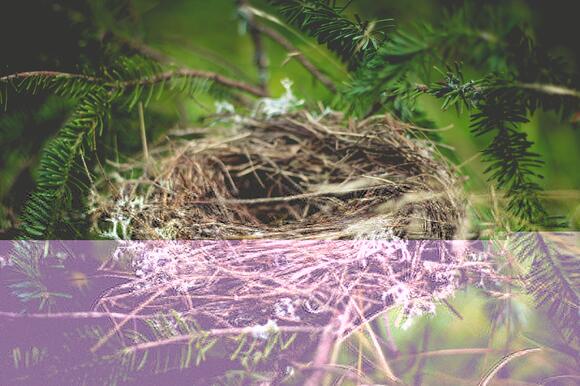
Bird nests come in an incredible variety, each adapted to the bird’s environment and needs. Cup-shaped nests are perhaps the most familiar, providing a snug fit for eggs and hatchlings. Some birds, like the oriole, create hanging nests that sway from tree branches, offering protection from predators.
Ground nests are another type, often concealed under foliage to keep them hidden. Then there are the burrow nests, where birds dig into the ground or take over abandoned animal burrows. Each type reflects a bird’s unique approach to survival. What kind of nest would you build if you were a bird?

Credit: www.cell.com
Instinct Vs Learning
Birds build nests to protect their eggs and young. This behavior may seem natural, but is it instinct or learned? The answer lies in understanding both genetic influences and the role of experience. Some nest-building actions appear automatic, while others improve with practice. Exploring these two factors helps explain how birds create their homes.
Genetic Influences
Many birds inherit nest-building skills from their ancestors. Their brains and bodies are wired to perform certain actions. For example, some species use specific materials or shapes without prior learning. This shows that genetics play a strong role in guiding nest construction.
Instinctive behaviors help birds survive in their environment. These built-in patterns reduce the need for trial and error. Young birds often start building nests correctly the first time. This suggests genes provide a basic blueprint for nest building.
Role Of Experience
Experience refines and improves nest-building skills. Birds learn which materials work best through trial and error. Older birds often build better nests than younger ones. This shows that practice and observation influence nest quality.
Some birds watch others and copy their techniques. They adjust their methods based on success or failure. Over time, learning helps birds adapt to new environments. Experience adds flexibility to the instinctive base of nest building.
Observations From Wild Birds
Watching wild birds build nests offers clear clues about whether this skill is learned or instinctive. Each species shows unique ways of gathering materials and constructing their homes. These behaviors can help you understand how much birds rely on experience versus natural instinct.
Variations Across Species
Different bird species use very different techniques and materials for their nests. Some, like weaverbirds, create intricate woven structures, while others, such as robins, simply gather loose twigs and leaves. These differences suggest that some aspects of nest building are hardwired, but the finesse may improve with practice.
Observing young birds shows they often learn from watching their parents or neighbors. For example, young crows experiment with sticks before mastering tool use in nest building. This trial-and-error learning indicates that experience plays a role alongside instinct.
Adaptations To Environment
Wild birds often adjust their nest building based on the materials and conditions around them. If you’ve seen birds use unusual items like plastic or paper, you’ve witnessed their ability to adapt to urban or changing environments. This flexibility suggests they are not just following a strict blueprint but learning from their surroundings.
Birds in windy or wet areas may build sturdier nests or position them more carefully to avoid damage. Noticing these adjustments can make you wonder how much of their skill is taught by nature versus shaped by environment. Could your local birds be changing their habits every season?
Experiments On Nest Building
Experiments on nest building have given us valuable insights into whether this behavior is instinctive or learned. Scientists have carefully observed birds in different settings to understand how they develop their nest-building skills. These studies reveal the balance between natural instincts and the influence of experience or environment.
Controlled Studies
Researchers often isolate birds from their parents to see if they can build nests without any guidance. Some species still manage to create functional nests, suggesting a strong instinctual basis. However, the quality and complexity of the nests usually improve when birds have prior exposure to nest materials or examples.
In one experiment, young birds given different types of materials showed varied success in nest construction. This implies they learn to select the best materials through trial and error. Have you ever noticed how your own skills improve simply by practicing and adjusting?
Impact Of Social Learning
Birds also learn by watching others. Studies show that young birds observing experienced nest builders tend to copy their techniques. This social learning speeds up their ability to build effective nests.
Interestingly, some birds taught to use unusual materials by their parents continue this behavior in future nests. This shows that what they learn socially can override natural preferences. Think about how much you’ve learned just by watching others around you—birds do the same!
Cognitive Abilities And Nesting
Birds show remarkable cognitive skills during nest building. Their intelligence affects how they choose materials and design nests. Nesting is not just instinct; it involves thought and learning.
Birds solve problems to protect their eggs and chicks. They adapt to challenges in their environment. This shows their ability to think and plan.
Problem Solving Skills
Birds face many challenges while building nests. They find ways to use available materials creatively. Some birds repair damaged nests or switch sites if needed.
They test different materials for strength and comfort. This trial and error shows problem solving. Birds learn from past mistakes and improve their nests.
Memory And Innovation
Birds remember good nesting spots and materials. They use this memory to build better nests each season. Some species even pass this knowledge to their young.
Innovation appears when birds try new building techniques. They mix materials or shape nests differently. This behavior proves that nesting involves learning, not just instinct.
Implications For Conservation
Understanding whether nest building in birds is a learned behavior has direct consequences on how we approach conservation efforts. If birds learn their nesting habits through experience or social interaction, changes in their environment could disrupt these behaviors and threaten their survival. This makes it crucial to think carefully about how habitat changes affect not just the birds’ physical needs, but also their ability to pass on essential skills.
Habitat Changes And Nesting
Habitat loss and alteration can have a huge impact on birds’ nesting success. When natural materials become scarce, young birds may struggle to learn proper nest building techniques. This can lead to poorly constructed nests, increasing the risk of eggs and chicks failing to survive.
Have you noticed how urbanization reduces green spaces? This often means fewer safe places for birds to practice and perfect their nesting skills. Protecting these habitats preserves the natural learning grounds for future generations of birds.
Supporting Nesting Behaviors
Conservation efforts can support nesting behaviors by providing resources that encourage learning and practice. Simple actions like installing nest boxes or planting native vegetation offer birds the materials and safe spaces they need.
Community involvement can also play a role. Observing and sharing local bird nesting habits helps build awareness and fosters environments where these behaviors can thrive. What small steps could you take in your neighborhood to help birds build better nests?
Credit: www.newsbreak.com
Frequently Asked Questions
Is Nest Building In Birds Instinctive Or Learned?
Nest building in birds is primarily instinctive. Birds have innate behaviors guiding their construction. However, experience and environment can refine their skills over time, blending instinct with learning.
How Do Young Birds Learn Nest Building?
Young birds learn nest building through observation and practice. They watch adults and gradually mimic techniques. This hands-on learning improves their construction skills for future nesting.
Can Environmental Factors Influence Bird Nest Building?
Yes, environmental factors greatly impact nest building. Availability of materials and habitat conditions affect nest design and location. Birds adapt their techniques to suit these external influences.
Do All Bird Species Build Nests The Same Way?
No, bird species have diverse nest building methods. Each species uses unique materials and structures suited to their needs. This diversity reflects adaptation to different environments and survival strategies.
Conclusion
Birds learn many skills, but nest building is partly instinctive. Young birds watch and copy adults to improve their skills. Experience helps them build stronger and safer nests. Nature gives birds basic tools, but practice makes them better. Each species uses different materials and styles for their nests.
This mix of instinct and learning keeps birds ready to survive. Watching birds build teaches us about nature’s balance. Nest building shows how animals adapt and grow. It reminds us how life combines hard wiring and learning.