
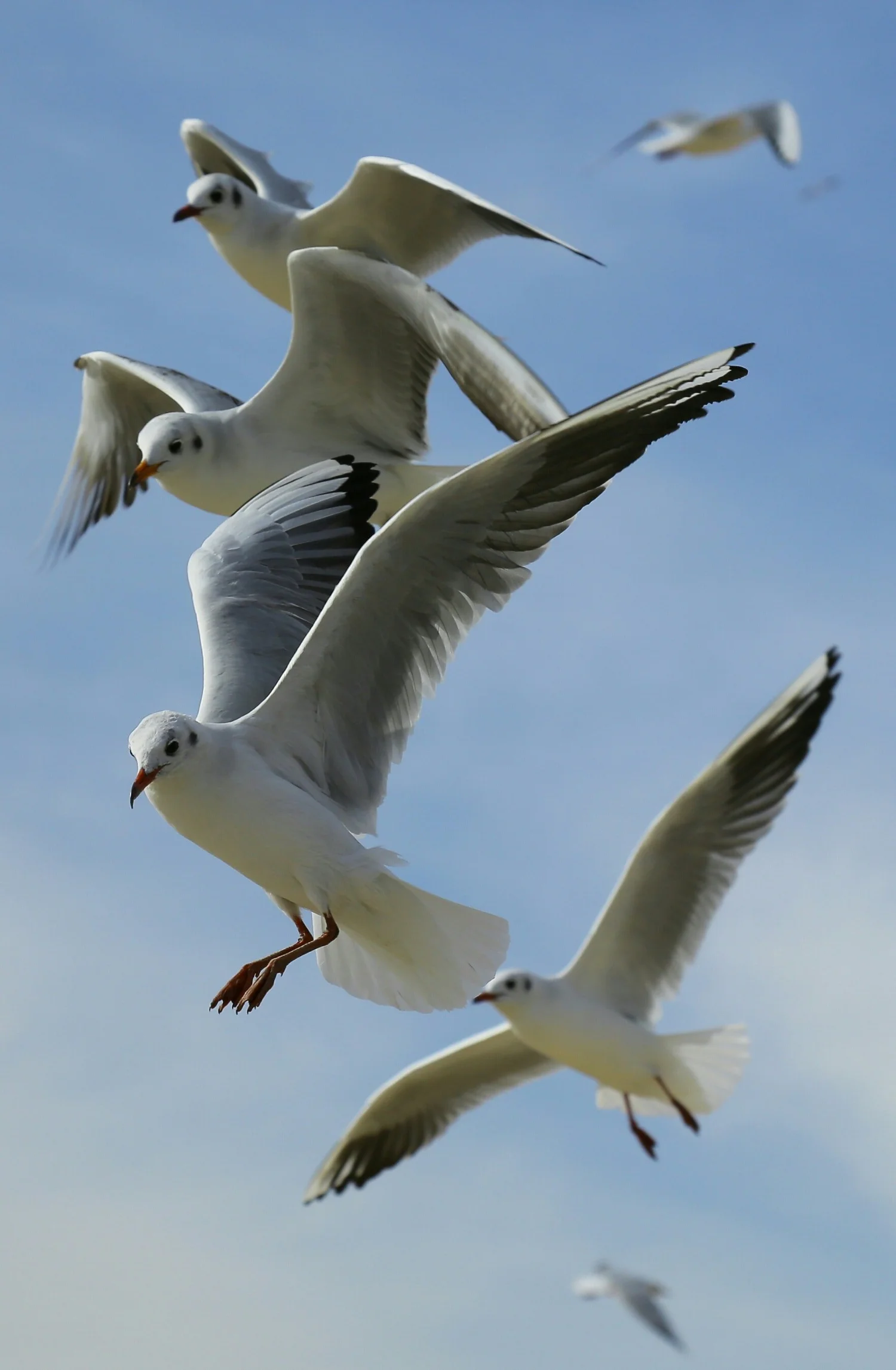
Have you ever watched a bird take off and wondered if flying is something they have to learn? It seems so natural, almost like it’s built right into them.
But is it really that simple? Understanding whether a bird’s ability to fly is a skill they pick up or an instinct they’re born with can change the way you see these amazing creatures. You’ll discover surprising facts about bird flight and why it matters more than you think.
Keep reading, and you might just look at birds in a whole new light.
Flight In Birds
Birds have natural instincts that help them fly soon after birth. Some skills improve with practice and experience. Learning through watching others also plays a role in flight development.
Flight in Birds Birds are nature’s aerial acrobats, captivating us with their seamless ability to soar, glide, and dive through the sky. Watching a bird in flight often raises the question: is this incredible skill something they are born with, or is it learned over time? To understand this, let’s delve into the fascinating world of bird flight.Anatomy Of Flight
Birds are built for the sky. Their anatomy is uniquely designed to support flight, which includes lightweight bones and powerful muscles. The wings, shaped for lift and thrust, play a pivotal role in their ability to fly. Did you know that a bird’s wing structure is akin to a human arm? This similarity helps in understanding how birds control their flight with precision and agility.Types Of Bird Flight
Birds don’t just fly; they have developed various styles of flight that serve different purposes. Each style is adapted to the bird’s environment and lifestyle. – Flapping Flight: This involves continuous wing beats and is energy-intensive. Hummingbirds are masters of this technique. – Gliding Flight: Birds like albatrosses use thermal currents to glide effortlessly, conserving energy over long distances. – Hovering: Seen in species like the kestrel, hovering requires immense skill and allows birds to spot prey from a fixed position. Have you ever noticed how some birds glide while others flap relentlessly? Next time you observe birds, see if you can identify their flight style.Evolutionary Origins
The story of bird flight is an ancient one, tracing back millions of years. Birds are believed to have evolved from theropod dinosaurs, acquiring the ability to fly as an evolutionary advantage. This transformation was not just physical but also behavioral. Over generations, birds adapted behaviors that enhanced their survival, such as migration and mating displays that rely on flight. Understanding these evolutionary origins provides a deeper appreciation of how birds have mastered the art of flight. It also makes you wonder: how did these ancient creatures first take to the skies? Engaging with these aspects of bird flight can change the way you see these creatures. Whether it’s a sparrow flitting through the park or an eagle soaring high, knowing the intricacies of their flight adds a layer of wonder to the everyday.
Credit: www.numberanalytics.com
Innate Flight Abilities
Birds do not learn to fly from scratch. Their ability to fly starts deep inside their bodies. This is called innate flight ability. It means flying is built into birds from birth. Their bodies and brains carry all the needed instructions. These natural skills help them flap wings, balance, and take off. The journey to flight is guided by genetic programming, reflexes, and early attempts. Each step builds on what they are born with.
Genetic Programming
Birds inherit flying skills through their genes. These genes tell their bodies how to form wings and muscles. The brain also knows how to control flight movements. This genetic code prepares birds even before they hatch. It guides wing shape and strength. It programs the nervous system to handle flight tasks. Flying is part of their nature, not just something they learn.
Reflexes And Instincts
Reflexes help birds react quickly while flying. Instincts push them to try flying without teaching. For example, a bird will spread its wings when falling. This reflex helps it glide and avoid injury. Instincts drive young birds to flap wings and balance. These automatic actions are vital for survival. They show how flying comes from inside, not just experience.
Early Flight Attempts
Young birds start flying by trying early and often. Their first flights are short and shaky. Each attempt strengthens muscles and improves balance. These tries are natural and happen without training. Parents may encourage but do not teach flying directly. The early efforts help birds master coordination and control. This stage is crucial for turning innate abilities into real flight.
Learning To Fly
Learning to fly is a crucial stage in a bird’s life. It is not just about natural instinct but also about gaining skills through experience. Young birds develop their flying ability over time through practice and support. This process helps build strength and confidence needed for flight.
Role Of Parental Guidance
Parents play a big role in teaching their chicks to fly. They often encourage young birds to leave the nest. Parents may call and show how to flap wings. Their presence gives safety and motivation to try flying. This guidance helps birds learn step by step.
Practice And Muscle Development
Flying needs strong muscles and good coordination. Young birds practice wing flapping before actual flight. They often jump and glide from low branches. This exercise builds wing strength and balance. More practice means better control and confidence in the air.
Environmental Influences
The environment affects how birds learn to fly. Open spaces give room to practice flying safely. Weather conditions like wind can either help or challenge young birds. Safe surroundings allow repeated attempts without much risk. This support speeds up learning and skill improvement.
Nature Vs. Nurture In Flight
Understanding whether a bird’s ability to fly is driven by nature or nurture challenges how you think about animal behavior. Is flight an instinct coded into their genes, or something they must learn through experience? This question touches on deeper themes about how much of behavior is inherited versus shaped by environment.
Experiments On Flight Learning
Scientists have conducted controlled experiments where young birds were raised without seeing adult birds fly. Surprisingly, many still attempted flight at the right developmental stage. This suggests that the basic mechanics of flying might be innate, but refining those skills often requires practice.
Some birds, like pigeons, improve their flight patterns after repeated attempts. This improvement shows that while the urge to fly is natural, skill development benefits from experience. You might think about how you learn a new skill—practice helps more than just knowing what to do.
Impact Of Isolation
Isolation studies reveal that birds raised without any social interaction still try to fly, but their technique can be awkward or less efficient. This indicates that social learning might polish their flying skills. Imagine trying to ride a bike without ever seeing someone else do it—you might get moving, but your balance and control would likely be rough.
In the wild, young birds watch and mimic parents or flock members. This social input isn’t just about survival; it fine-tunes movement and timing. Could your own skills improve faster if you had a mentor to guide you?
Comparative Species Studies
Looking across different bird species helps clarify nature versus nurture in flight. Precocial birds like ducks start walking and swimming almost immediately but take longer to master flight, suggesting a mix of instinct and learning. Altricial birds, such as songbirds, hatch helpless and rely heavily on parental care before they can fly.
Some species show unique adaptations where flying ability varies widely, influenced by habitat and lifestyle. This variety points to evolution shaping innate abilities, while experience hones them. How does your environment shape your natural talents and skills?
Flight Challenges And Adaptations
Bird flight involves many challenges that test their strength and skill. Birds must adapt to different situations to fly well and survive. These adaptations help birds handle obstacles, new places, and improve their flying abilities over time.
Overcoming Obstacles
Birds face many obstacles like trees, wind, and predators. They learn to change their speed and direction quickly. Their wings and tails help them steer and stop fast. This ability lets birds avoid crashes and stay safe.
Adjusting To New Environments
Flying in a new place is hard. Birds must find food and shelter while flying. They adjust to weather changes like strong winds or rain. Some birds change their flying style to use less energy in tough conditions.
Flight Skill Refinement
Young birds practice flying many times. Each try helps them get better at flapping and gliding. They learn to balance and control their wings. Over time, this practice makes their flight smooth and strong.
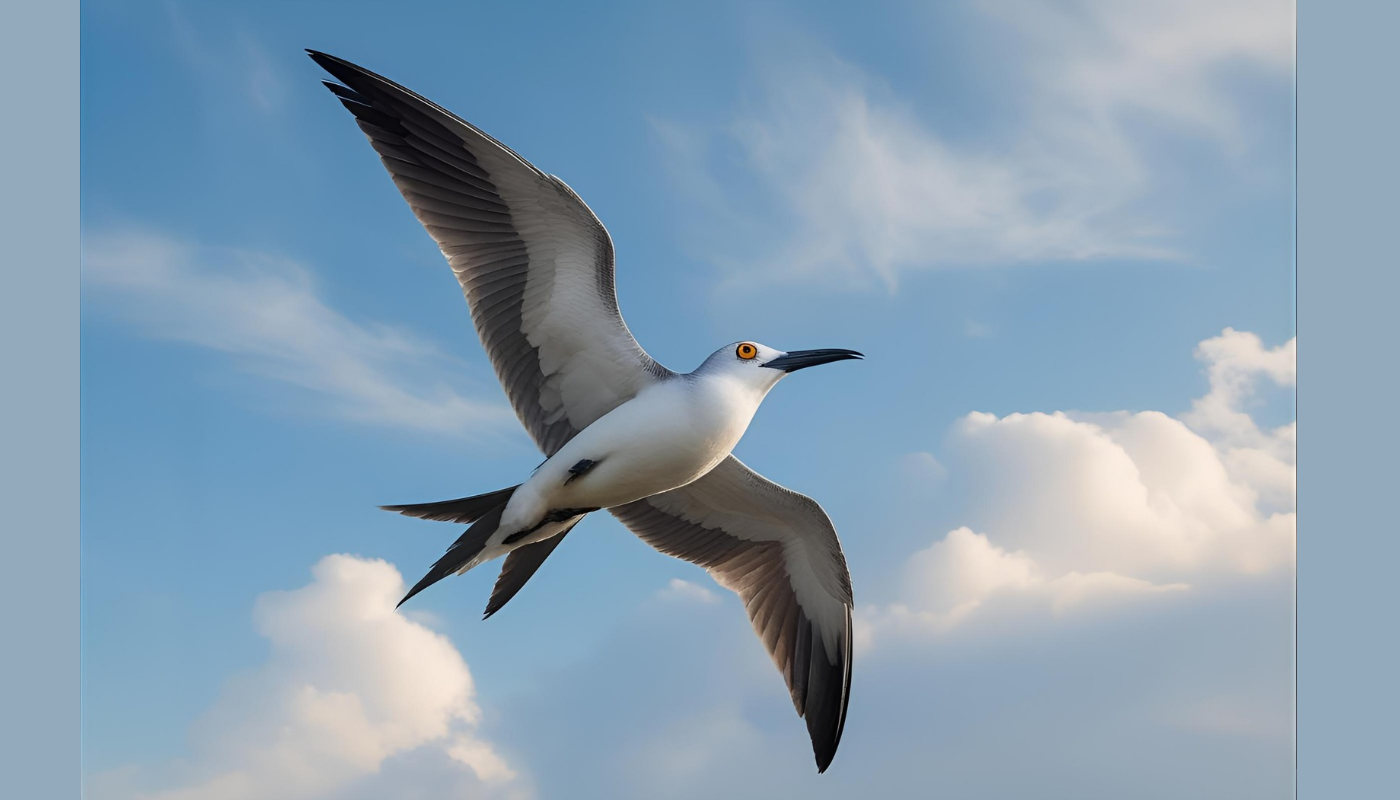
Credit: medium.com
Implications For Conservation
Understanding if flying is a learned behavior affects how we protect bird species. Conservation efforts must consider birds’ ability to fly naturally. This knowledge shapes how we care for injured birds and manage breeding programs. It also guides habitat preservation to support their survival.
Rehabilitation Of Injured Birds
Birds injured in the wild often lose flying skills. Rehab centers must teach or help birds regain flight. Trainers use safe environments for practice flights. This helps birds survive after release. Knowing flying can be learned improves rehab success.
Captive Breeding Programs
Breeding birds in captivity requires special care for flight training. Young birds may not develop flying skills without guidance. Programs include flight practice before release. This increases survival rates in the wild. Flight learning is key to healthy breeding efforts.
Habitat Protection
Birds need safe spaces to practice flying and build strength. Protecting open areas and trees is vital. These habitats offer room for flight and feeding. Preserving natural environments supports learning and natural behavior. Habitat loss can stop young birds from mastering flight.
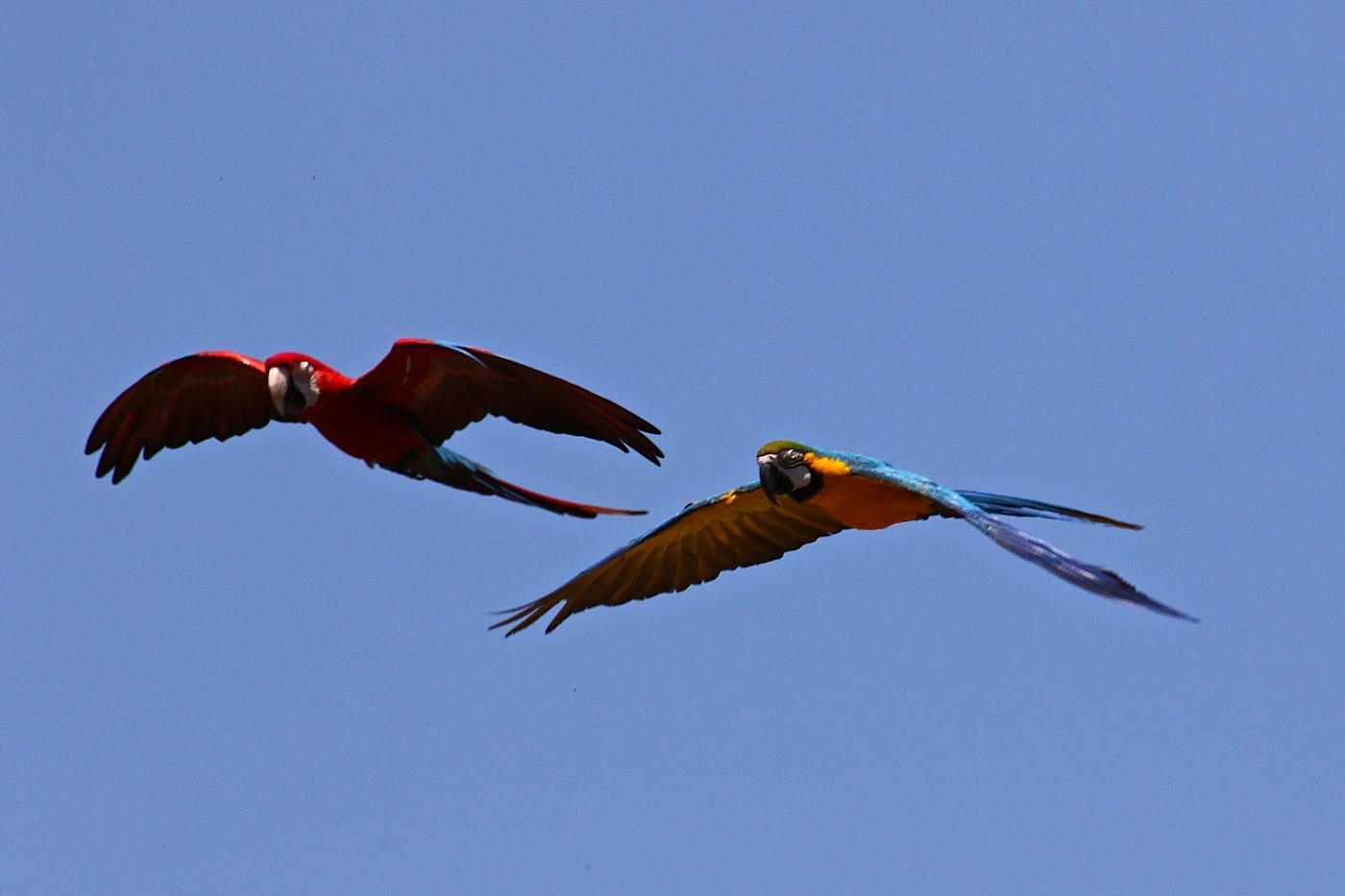
Credit: thehubpublication.com
Frequently Asked Questions
Is Flying Innate Or Learned In Birds?
Flying is mostly an innate behavior in birds, driven by genetic instincts. However, young birds improve skills through practice and observation, blending instinct with learning.
How Do Birds Learn To Fly Effectively?
Birds learn to fly by exercising wing muscles and practicing short flights. Parental guidance and social interaction also help refine their flying skills.
Do All Birds Need To Learn Flying?
Yes, all birds require practice after hatching. While the instinct to fly exists, skillful flying develops through trial, error, and experience.
Can Birds Teach Flying To Their Young?
Birds indirectly teach flying by encouraging fledglings to exercise wings and follow them. This support boosts young birds’ confidence and flying ability.
Conclusion
Birds have a natural ability to fly from birth. They do practice and improve their skills over time. Flying is a mix of instinct and learning. Young birds watch and mimic others to get better. This helps them survive and find food.
Flying is not just a reflex; it involves effort and experience. Understanding this helps us appreciate how amazing birds really are. Watching birds take flight can inspire us all. Nature’s lessons are simple but powerful. Flying shows both nature and nurture at work.