
Are you tired of your bird’s sudden aggressive outbursts? Aggressive behavior in birds can be frustrating and even scary, especially when you don’t know how to handle it.
But don’t worry—you’re not alone, and there are simple, effective ways to calm your feathered friend. You’ll discover easy steps that can help you stop aggressive bird behavior for good. By understanding what drives your bird’s actions, you’ll create a happier, safer environment for both of you.
Keep reading to find out how you can transform your bird’s attitude and enjoy a peaceful, loving relationship.

Credit: birdsupplies.com
Causes Of Aggressive Bird Behavior
Birds may act aggressively due to fear, territorial instincts, or lack of socialization. Stress and changes in their environment often trigger such behavior. Understanding these causes helps in calming and managing aggressive birds effectively.
Aggressive bird behavior can be startling and challenging to manage, especially if you’re not sure what’s causing it. Understanding the reasons behind this behavior is crucial in finding effective solutions. Let’s explore some key causes that might be making your feathered friend more aggressive than usual.Territorial Instincts
Birds, much like humans, have a strong sense of home. They protect their territory fiercely. Have you noticed your bird becoming aggressive when someone new enters the room or when you rearrange their cage? This behavior is often a natural response to perceived threats to their space. Ensuring they have a designated, safe area can help reduce these territorial outbursts.Hormonal Changes
Hormonal shifts, especially during breeding season, can lead to sudden aggression. Birds may become more protective and defensive. This is similar to how humans can feel moody during certain times. Understanding this cycle can help you anticipate changes in behavior and adjust your interactions accordingly.Fear And Anxiety
Just like us, birds can experience fear and anxiety. Sudden movements, loud noises, or unfamiliar settings can make them feel threatened. Have you ever noticed your bird becoming more aggressive after a thunderstorm or a visit to the vet? Creating a calm environment and introducing new elements gradually can help soothe their nerves.Lack Of Socialization
Socialization is essential for a bird’s well-being. Birds that are not regularly interacted with might become aggressive out of sheer loneliness. Imagine being cooped up with no one to talk to or play with. Regular interaction, playtime, and even introducing them to other birds can foster a more social and less aggressive demeanor. Understanding these causes can transform your approach to handling aggression in birds. What changes will you make to ensure your feathered friend feels safe and secure?Signs Of Aggression In Birds
Recognizing the signs of aggression in your bird is essential to addressing the behavior early. Aggressive actions often signal stress, fear, or discomfort. By paying close attention to these warning signs, you can better understand your bird’s needs and create a safer environment for both of you.
Biting And Nipping
Biting is one of the most obvious signs of aggression in birds. It can range from gentle nips to painful bites that draw blood. If your bird starts biting suddenly or more often, it’s a clear signal that something is bothering them.
Have you noticed your bird’s mood before the bite? Often, they give subtle warnings like staring intensely or puffing up feathers. Ignoring these cues can make the biting worse.
Feather Plucking
Feather plucking isn’t always just a grooming habit; it can indicate frustration or anxiety. Birds may pull out their feathers as a way to cope with stress or express unhappiness. This behavior often escalates if left unchecked.
If your bird starts feather plucking, consider what changes might have triggered it. Have you moved their cage, introduced new pets, or altered their routine? These factors could be causing distress.
Loud Screaming
Loud, persistent screaming can be a cry for attention or a sign of aggression. It’s your bird’s way of saying they feel threatened or want to assert control. Constant yelling can quickly wear down your patience and signal that your bird needs something.
Ask yourself when the screaming happens. Is it during feeding, when strangers approach, or at certain times of day? Identifying triggers helps you respond effectively.
Wing Flapping And Lunging
Rapid wing flapping combined with lunging towards you or other birds is a clear aggressive display. This behavior is meant to intimidate and warn others to back off. It can look frightening but is a natural reaction when your bird feels cornered.
Have you tried giving your bird space when they act this way? Sometimes, stepping back and letting them calm down prevents escalation. Understanding this helps you avoid unnecessary confrontations.
Creating A Calm Environment
Creating a calm environment helps reduce aggressive behavior in birds. Birds feel safer and less stressed in peaceful surroundings. A calm space encourages trust and positive interactions. Adjusting their environment can make a big difference in their mood and actions.
Safe Cage Setup
Choose a cage that is roomy but cozy. Avoid placing the cage near busy walkways or loud appliances. Provide soft perches and toys for comfort and mental stimulation. Ensure the cage is clean and free from sharp edges. A safe, well-arranged cage lowers anxiety and aggression.
Reducing Noise And Distractions
Keep the area around the cage quiet and calm. Limit loud sounds like TV, music, or shouting. Avoid sudden movements near the bird’s space. Use curtains or room dividers to block outside distractions. Less noise and fewer distractions help birds feel secure and relaxed.
Consistent Daily Routine
Birds thrive on routine and predictability. Feed and interact with your bird at the same times daily. Keep the lighting consistent by using natural light or timers. Regular schedules reduce stress and prevent aggressive outbursts. A steady routine builds trust and calm behavior over time.
Training Techniques To Reduce Aggression
Training birds to reduce aggressive behavior takes patience and consistency. Using clear and gentle techniques helps birds feel safe. This encourages calm and friendly actions over hostility. Focus on rewarding good behavior and gradually changing bad habits.
Positive Reinforcement
Positive reinforcement means giving rewards for good behavior. Use treats, praise, or gentle petting to encourage calm actions. Avoid punishment as it can increase fear and aggression. Reward the bird immediately after it behaves well. This helps the bird connect the good action with the reward. Keep training sessions short and fun.
Step-by-step Desensitization
Desensitization helps birds get used to triggers that cause aggression. Introduce the trigger slowly and in small amounts. Watch the bird’s response and stop before it gets upset. Repeat this several times over days or weeks. Gradually increase the exposure as the bird stays calm. This reduces fear and reactivity over time.
Using Commands And Signals
Teach simple commands or signals to guide your bird’s behavior. Use a calm voice and clear gestures. For example, teach “step up” to guide the bird onto your hand. Use consistent words and signals during training. This builds trust and gives the bird clear rules to follow. Praise and reward the bird when it obeys commands.
Handling Aggressive Episodes
Handling aggressive episodes in birds requires a calm and thoughtful approach. Your reaction during these moments can either ease the situation or make it worse. Understanding how to manage these episodes effectively helps build trust and reduces future aggression.
Staying Calm And Patient
Birds can sense your emotions. If you respond with frustration or fear, it may escalate their aggression. Take deep breaths and remind yourself that aggression is a form of communication.
Patience is key. Give your bird time to calm down instead of rushing to fix the problem. Have you noticed how your own mood affects your bird’s behavior?
Avoiding Punishment
Punishing a bird for aggressive behavior usually backfires. It can increase fear and damage your bond. Instead, focus on positive reinforcement and redirection.
For instance, if your bird bites, don’t yell or hit back. Try gently withdrawing attention and rewarding calm behavior. This teaches your bird what you expect without creating fear.
Safe Handling Methods
Handling an aggressive bird safely protects both of you. Use a towel to gently cover your bird if you need to pick it up during an episode. This limits injury and prevents bites.
Another option is to offer a perch or a safe space your bird can retreat to. This helps them feel secure and reduces tension. Have you found a specific handling technique that helps your bird relax?

Credit: www.reddit.com
Diet And Health Factors
Diet and health play a major role in a bird’s behavior. Poor nutrition can cause irritability and aggression. Birds need the right balance of nutrients to stay calm and happy. A healthy bird is less likely to show aggressive actions. Monitoring diet and health helps improve your pet’s mood and behavior.
Balanced Nutrition
Provide a diet rich in fruits, vegetables, and grains. Avoid too many seeds and fatty foods. Fresh water should always be available. A balanced diet supports brain and body function. It reduces stress and aggressive tendencies in birds.
Regular Vet Checkups
Schedule vet visits at least twice a year. Checkups detect illnesses that may cause aggression. Parasites and infections can make birds uneasy. Early treatment keeps your bird healthy and calm. Vet advice can guide diet and care adjustments.
Supplements For Behavior
Some supplements help improve mood and reduce stress. Omega-3 fatty acids support brain health. Vitamin D and calcium keep bones strong. Use supplements only after vet approval. Proper supplements can aid in controlling aggressive behavior.
When To Seek Professional Help
Aggressive behavior in birds can be tough to handle. Sometimes, it signals deeper problems. Knowing when to seek professional help protects both you and your bird. Early intervention stops bad habits from becoming worse.
Professional help offers tailored advice. Experts can spot health or behavior issues that are easy to miss. They provide safe, effective ways to calm aggression.
Behavioral Specialists
Behavioral specialists understand bird psychology and habits. They study triggers causing aggression. Specialists create custom plans to change unwanted behavior. They teach positive reinforcement techniques for better communication. Their goal is a peaceful bond between you and your bird.
Veterinary Advice
Veterinarians check your bird’s health. Aggression can come from pain or illness. A vet exam rules out medical causes. They recommend treatments or medications if needed. Regular health checks keep your bird happy and calm.
Bird Training Services
Professional trainers use proven methods to reduce aggression. They offer hands-on sessions and guidance for owners. Trainers help teach commands and social skills. Training builds trust and lessens fear or frustration. It supports a well-behaved and confident bird.
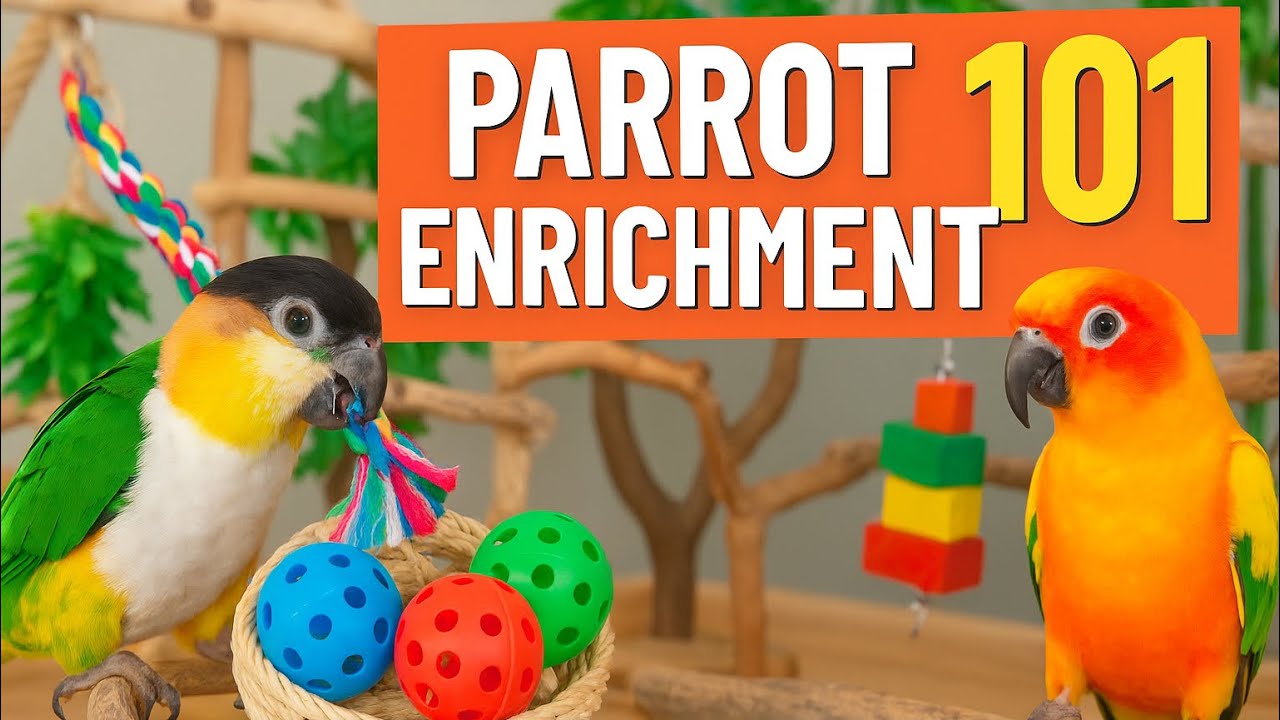
Credit: www.youtube.com
Frequently Asked Questions
What Causes Aggressive Behavior In Pet Birds?
Aggressive behavior in birds often stems from fear, stress, or territorial instincts. Hormonal changes and improper socialization can also trigger aggression. Understanding these causes helps in addressing and managing the behavior effectively.
How Can I Prevent My Bird From Becoming Aggressive?
Prevent aggression by providing a safe, stimulating environment and regular social interaction. Establish routines and avoid sudden changes. Positive reinforcement and gentle handling reduce fear and stress, helping your bird stay calm and friendly.
What Are The Best Ways To Calm An Aggressive Bird?
Calm an aggressive bird by speaking softly and moving slowly. Offer treats to build trust and avoid direct eye contact during outbursts. Consistent training and patience help reduce aggressive tendencies over time.
When Should I Seek Professional Help For Bird Aggression?
Seek professional help if aggression causes injury or persists despite training. A vet or avian behaviorist can diagnose underlying issues and recommend effective treatments tailored to your bird’s needs.
Conclusion
Stopping aggressive bird behavior takes patience and clear steps. Give your bird enough space and attention daily. Use gentle training to build trust and calmness. Watch your bird’s body language to prevent attacks early. Consistent care helps your bird feel safe and happy.
Small changes make a big difference over time. Keep learning about your bird’s needs and habits. Peaceful moments with your bird bring joy to both. Remember, kindness is the key to calm behavior.