

Have you ever wondered if keeping birds as pets is truly fair to them? You might love the idea of having a colorful, chirping companion at home, but is it really kind to confine these free-spirited creatures?
This question isn’t just about animals—it’s about your values and the choices you make every day. As you read on, you’ll discover surprising facts and insights that could change how you see your feathered friends forever. Are you ready to find out if your pet bird’s happiness is as bright as its feathers?
Keep reading to uncover the truth.
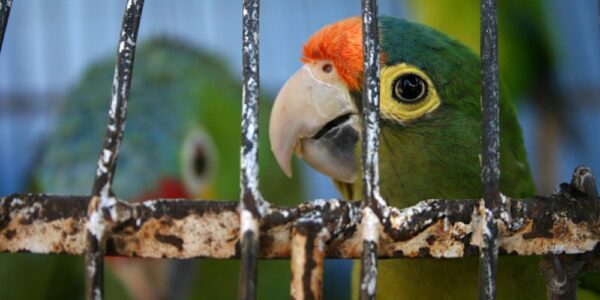
Credit: animalsaustralia.org
History Of Bird Domestication
Bird domestication stretches back thousands of years, shaping how humans interact with these feathered companions today. Understanding this history can help you see the deeper connection between birds and people. It also raises important questions about the responsibilities that come with keeping birds as pets.
Early Beginnings Of Bird Domestication
Humans first began domesticating birds primarily for food, feathers, and companionship. The domestication of the rock pigeon dates back over 5,000 years in the Middle East. These birds were valued not only for meat but also for their ability to carry messages.
Did you know that the earliest pet birds were often symbols of status and wealth? This fact shows that humans have long appreciated birds beyond just their practical uses.
The Role Of Birds In Ancient Cultures
Birds held significant spiritual and cultural roles in many ancient societies. In Egypt, falcons were connected to the god Horus, symbolizing protection and kingship. Similarly, Native American tribes saw eagles as sacred creatures with deep spiritual meaning.
These cultural ties influenced how birds were treated and cared for, often elevating their status to more than just pets. How might these ancient beliefs influence your view of keeping birds today?
Modern Bird Domestication And Pet Keeping
Today, parakeets, canaries, and parrots are common household pets, far removed from their original wild contexts. Selective breeding has changed their behavior and appearance, making them more suitable for life with humans. However, this also means their needs can be quite specific and demanding.
Reflect on the journey your pet bird has taken from wild ancestor to companion. What does this history mean for how you care for and respect your bird every day?
Natural Behavior Of Birds
Understanding the natural behavior of birds is key to deciding whether keeping them as pets respects their needs or limits their freedom. Birds have complex instincts and routines that shape their daily lives. Observing these behaviors helps you see if a cage can ever match their natural environment.
Social Structures
Birds often live in flocks or pairs, relying on social bonds for survival and comfort. Some species, like parrots and finches, form tight-knit communities where communication is constant. If you keep a bird alone, you might unintentionally cause loneliness or stress because you can’t fully replace their natural social network.
Flight Patterns
Flight is not just movement for birds; it’s essential for exercise, exploration, and escaping predators. Many pet birds have limited space to fly, which can lead to frustration and health problems. Have you ever noticed a bird pacing or flapping endlessly in a cage? This behavior often signals a strong desire to fly freely, which captivity restricts.
Nesting Habits
Nesting is more than building a home—it’s a natural cycle tied to reproduction and safety. Birds instinctively search for suitable materials and locations to create nests. In captivity, birds may lack the opportunity to engage in these behaviors, which can affect their mental well-being. Have you provided your bird with materials or a space that encourages natural nesting behavior?
Common Pet Bird Species
Many people wonder if keeping birds as pets is cruel. To understand this better, it helps to know which bird species are commonly kept as pets and what their needs are. Different birds have different temperaments, care requirements, and social needs, which can affect how well they thrive in a home environment.
Parrots
Parrots are some of the most popular pet birds because of their intelligence and vibrant colors. They can form strong bonds with their owners and often enjoy interaction and play. However, parrots require a lot of mental stimulation and space to stay happy.
If you don’t provide enough attention or enrichment, parrots can develop behavioral issues like screaming or feather plucking. Have you thought about whether you have enough time daily to engage with a parrot? Their long lifespan also means a long-term commitment.
Canaries
Canaries are known for their beautiful singing and bright colors. They are generally easier to care for than parrots and can live happily in smaller cages. Canaries don’t need much interaction but do require a clean, quiet environment to sing their best.
Many people enjoy the calming presence of a singing canary, but keep in mind they are more solitary than parrots. Do you prefer a pet that interacts with you or one that simply adds ambiance to your home?
Finches
Finches are small, social birds that thrive in groups. They are active and fun to watch, often flitting around their cages and chirping. Finches need less hands-on care but do require space to fly and socialize with other finches.
Unlike parrots, finches don’t usually bond closely with humans. Are you looking for a companion bird or a lively addition to your household? Understanding finches’ social needs is key to keeping them healthy and happy.
Physical And Emotional Needs
Understanding the physical and emotional needs of birds is crucial before deciding to keep them as pets. Birds are not just colorful decorations; they have complex requirements that must be met to ensure their health and happiness. Meeting these needs is a responsibility that goes beyond basic care.
Dietary Requirements
Birds need a balanced diet tailored to their species. Seeds alone won’t cut it; many birds require fresh fruits, vegetables, and specific nutrients to stay healthy.
Think about your own diet—would you thrive eating only one type of food? Birds are similar. Without proper nutrition, they can develop health issues like feather plucking or weakened immune systems.
Exercise And Space
Birds are naturally active creatures. They need room to fly, climb, and move around freely to maintain their physical health.
Keeping a bird in a small cage can lead to stress and physical problems. Do you think a bird can express its natural behaviors in limited space? Probably not.
Providing ample space or opportunities for supervised flight outside the cage is essential for their well-being.
Mental Stimulation
Birds are intelligent and curious animals that crave mental challenges. Without stimulation, they can become bored, leading to destructive behaviors.
Simple toys, puzzles, and interaction can keep their minds sharp. Have you ever noticed how your bird reacts when you ignore it? That reaction tells you a lot about their need for engagement.
Regular social interaction and environmental enrichment are key to preventing loneliness and depression in pet birds.
Ethical Considerations
Ethical considerations play a crucial role when deciding whether to keep birds as pets. It’s not just about providing food and shelter; it’s about understanding the deeper impact on the bird’s well-being and natural instincts. Reflecting on these factors helps you make a responsible choice that respects the life of the bird.
Captivity Vs. Freedom
Birds are naturally free creatures, used to flying vast distances and exploring wide territories. Keeping them in captivity restricts their movement and can lead to stress or behavioral issues. Have you ever noticed how some pet birds pace or pluck their feathers? These signs often indicate frustration or boredom caused by confinement.
However, some people provide large aviaries and enriched environments that mimic nature to a degree. This effort can make a difference, but it still raises the question: can any enclosed space truly replace the open sky? Think about whether your bird’s environment allows it to express natural behaviors fully.
Breeding Practices
Breeding birds for the pet trade often involves ethical challenges. Some breeders prioritize profit over the health and welfare of the birds, leading to poor living conditions and genetic problems. You might want to ask where your bird came from and how it was bred.
Responsible breeders focus on the bird’s health and social needs, but these are not always easy to find. Supporting breeders who follow humane practices encourages better standards across the industry. Before getting a bird, consider researching breeders and their reputations carefully.
Impact On Wild Populations
Wild bird populations face threats from illegal trapping and habitat loss driven by the pet trade. Taking birds from the wild can reduce their numbers and disrupt local ecosystems. Have you ever wondered how your pet bird’s origin affects wild species in its native habitat?
Choosing captive-bred birds over wild-caught ones can help protect natural populations. Some species have suffered dramatic declines because of over-collection for pets. Your decision to avoid wild-caught birds can contribute to conservation efforts and reduce pressure on vulnerable species.
Legal Regulations
Legal regulations shape how people keep birds as pets. These laws protect both the birds and owners. They ensure birds live in safe, healthy conditions. Rules vary widely across countries and regions. Understanding them helps prevent cruelty and legal trouble.
International Laws
International laws often focus on endangered species. The Convention on International Trade in Endangered Species (CITES) controls bird trade. It bans or limits buying and selling protected birds. This stops illegal wildlife trafficking. Many countries follow CITES rules to protect wild birds.
Other international agreements regulate bird welfare during transport. They require proper cages, food, and water. These laws aim to reduce stress and harm. Bird owners and traders must follow these rules strictly.
Local Pet Ownership Rules
Local laws set rules for pet bird ownership. They define which bird species are allowed as pets. Some birds need special permits or licenses. Certain species may be banned due to invasiveness or cruelty concerns.
Local rules also cover bird care standards. They may require minimum cage sizes and proper nutrition. Owners must provide clean water and veterinary care. Noise limits and housing conditions are often regulated too.
Violating local pet laws can lead to fines or confiscation. Knowing these rules helps owners keep birds legally and ethically.
Alternatives To Keeping Birds
Keeping birds as pets raises many questions about their well-being. Many prefer choices that respect birds’ natural lives. Alternatives to keeping birds let people enjoy their beauty without harm. These options offer connection and care from a distance. They support bird lives in the wild or safe spaces. Explore ways to appreciate birds without owning them.
Bird Watching
Bird watching offers a peaceful way to enjoy birds freely. It requires binoculars, patience, and a quiet place outdoors. Parks, forests, and wetlands become perfect spots to observe birds. Watching birds in their habitat teaches about their habits and needs. This activity boosts awareness about bird conservation. It creates joy without disturbing birds’ natural life.
Supporting Sanctuaries
Bird sanctuaries protect injured or rescued birds. They provide safe homes and medical care. Supporting these places helps birds live better lives. Donations, volunteering, or spreading awareness are ways to help. Sanctuaries also educate the public about bird protection. Helping sanctuaries means giving birds a chance to thrive.

Credit: www.youtube.com

Credit: www.reddit.com
Frequently Asked Questions
Is Keeping Birds As Pets Considered Cruel?
Keeping birds as pets can be cruel if their needs are ignored. Birds require space, social interaction, and mental stimulation. Proper care and environment are essential to prevent cruelty and ensure their well-being.
What Are The Ethical Concerns Of Pet Bird Ownership?
Ethical concerns include limited freedom, unnatural living conditions, and stress. Birds in captivity may suffer from loneliness and lack of natural behaviors, raising questions about their welfare and rights.
Can Pet Birds Live Happily In Captivity?
Pet birds can live happily if provided with spacious cages, social interaction, and mental enrichment. Responsible ownership and understanding their natural behaviors are key to their happiness in captivity.
How Does Captivity Affect A Bird’s Natural Behavior?
Captivity can limit a bird’s natural behaviors like flying and foraging. This restriction may cause boredom, stress, and abnormal behaviors, impacting their mental and physical health negatively.
Conclusion
Keeping birds as pets needs careful thought and care. Birds require space, social time, and proper food to thrive. Owners must learn about each bird’s needs and habits. Treating birds kindly helps them live happy lives. Neglect or poor care can cause suffering and stress.
Choosing to keep a bird means taking real responsibility. A happy bird needs more than just a cage. Think deeply before making a bird your pet. Good care shows respect and love for these creatures.