
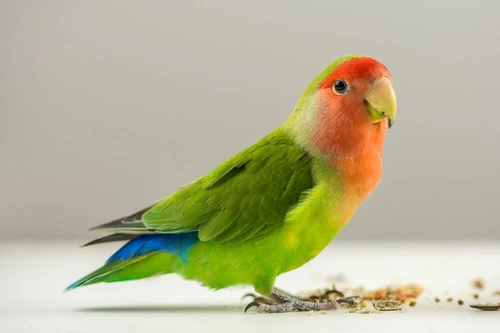
If you have pet birds, you probably worry about their safety every day. You want your feathered friends to stay healthy and happy, especially when dealing with pesky termites around your home.
But have you ever stopped to think—could termite killer spray be harmful to your pet birds? What if something meant to protect your house ends up putting your beloved pets at risk? Keep reading to discover the facts you need to know to keep your birds safe while tackling termite problems.
Your pets depend on you, and this information could make all the difference.
Credit: www.homedepot.com
Termite Killer Spray Composition
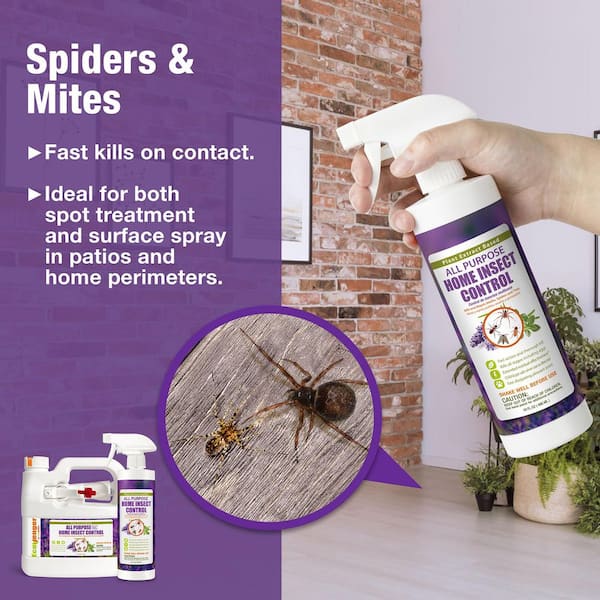
Understanding the composition of termite killer spray is important for pet bird owners. These sprays contain chemicals designed to kill termites effectively. Knowing what ingredients are inside helps assess the safety for your feathered friends. Some compounds can be harmful or toxic to birds if inhaled or touched. Careful consideration is necessary before using these products around pet birds.
Common Ingredients
- Permethrin: A synthetic chemical that targets insects’ nervous systems.
- Cypermethrin: A fast-acting insecticide found in many sprays.
- Fipronil: Disrupts insect nerve signals, leading to death.
- Imidacloprid: A neonicotinoid affecting insect brain receptors.
- Solvents: Help dissolve and spread the active chemicals.
- Surfactants: Improve spray coverage on surfaces.
Potential Risks
Birds have very sensitive respiratory systems. Even small amounts of these chemicals can cause breathing problems. Some ingredients are toxic when inhaled or ingested by birds. Symptoms include coughing, sneezing, eye irritation, and lethargy. In severe cases, exposure can lead to seizures or death. Birds often preen their feathers and may ingest harmful residues.
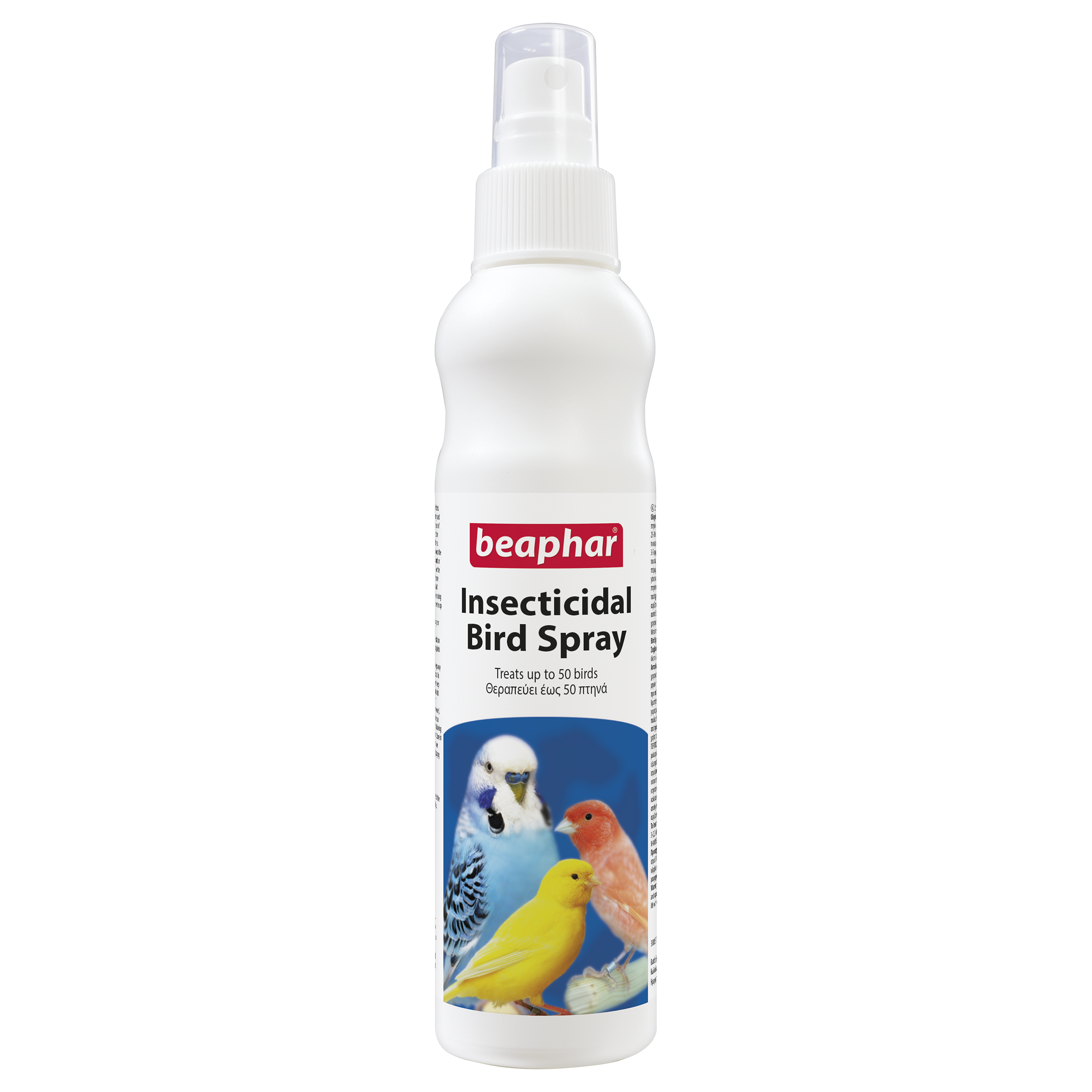
Use termite killer sprays with extreme caution near pet birds. Always ensure good ventilation and remove birds from treated areas. Consult a veterinarian if any signs of poisoning appear. Understanding the spray’s composition helps protect your pet’s health and safety.
Credit: www.beaphar.com
Effects On Pet Birds
Using termite killer spray around your home can be a concern if you have pet birds. These sprays often contain chemicals that might not be safe for your feathered friends. Understanding the effects on pet birds helps you protect their health while dealing with pest problems effectively.
Respiratory Issues
Birds have very sensitive respiratory systems. Even small amounts of chemicals in termite sprays can irritate their lungs and airways.
You might notice coughing, sneezing, or labored breathing in your bird after exposure. These signs indicate distress and should prompt immediate action to remove the source.
Behavioral Changes
Have you ever seen your bird suddenly become restless or unusually quiet? Exposure to toxic sprays can cause changes in their behavior.
Some birds may become lethargic, while others might show signs of anxiety or aggression. These changes often signal discomfort or poisoning, which requires prompt veterinary attention.
Long-term Health Risks
Repeated exposure to termite sprays can lead to serious health problems for birds. These include liver damage, neurological issues, and weakened immune systems.
Think about how often you use these sprays and whether your bird’s environment is well-ventilated. Protecting your bird means limiting their exposure as much as possible to avoid these long-term effects.
Signs Of Toxic Exposure
Noticing the signs of toxic exposure in your pet birds is crucial if you’ve used termite killer spray nearby. Birds are highly sensitive to chemicals, and early detection can make a big difference in their health. Knowing what to look for helps you act quickly before the situation worsens.
Physical Symptoms
Physical signs are often the first clues that your bird has been exposed to harmful chemicals. You might see:
- Difficulty breathing:Open-mouth breathing, rapid panting, or wheezing can indicate respiratory distress.
- Fluffed feathers:Birds puff up their feathers when they feel unwell or cold.
- Swelling or redness:Around the eyes, beak, or skin, which could signal irritation or allergic reaction.
- Vomiting or diarrhea:Digestive upset is common with toxic exposure.
- Loss of balance or coordination:Trouble perching or walking might mean neurological effects.
Have you ever noticed your bird looking unusually fluffed or struggling to breathe after spraying insecticide at home? These signs shouldn’t be ignored.
Behavioral Indicators
Changes in behavior can reveal toxicity even before physical symptoms appear. Watch for:
- Lethargy:Your bird may become unusually sleepy or inactive.
- Loss of appetite:Refusing food or water can be a warning sign.
- Increased vocalization:Excessive squawking or distress calls might indicate discomfort.
- Restlessness or pacing:This could suggest irritation or anxiety from chemical exposure.
- Sudden aggression or withdrawal:Uncharacteristic mood changes often point to health issues.
Have you seen your usually lively bird suddenly quiet or agitated after pest control treatments? That change could be a silent cry for help.
Choosing Bird-safe Alternatives
Choosing bird-safe alternatives to termite killer sprays is essential if you share your home with pet birds. Many chemical sprays contain toxins that can harm or even be fatal to these sensitive creatures. Protecting your feathered friends means seeking out options that tackle pests without risking their health.
Natural Remedies
Natural remedies offer a safer way to control termites around your home. Substances like orange oil, neem oil, and boric acid can be effective against termites while posing minimal risk to birds.
For example, orange oil disrupts termite nerves but breaks down quickly in the environment, reducing lasting hazards. You can apply these remedies carefully in areas away from your bird’s living space to further reduce exposure.
Have you tried simple barriers like diatomaceous earth? It’s a non-toxic powder that damages insects’ exoskeletons but is safe around pets when used properly.
Professional Pest Control Options
Sometimes, professional help is the safest and most reliable choice. Pest control experts can tailor treatments specifically to protect your pets while eliminating termites.
Look for companies that offer eco-friendly or pet-safe termite control methods. These may include bait stations or localized treatments that avoid widespread chemical use.
Ask your pest control provider about the safety of their products for birds. A responsible professional will prioritize your pets’ well-being alongside effective pest management.
Safety Precautions
Using termite killer spray around pet birds requires careful attention to safety. Birds have very sensitive respiratory systems, making them vulnerable to many household chemicals. Protecting your feathered friends means understanding how to apply these sprays without putting their health at risk.
Safe Application Techniques
Always read the label to check if the termite spray is safe for use around birds. If the product does not specify bird safety, avoid spraying near bird cages or areas where your birds spend time.
Use the spray only in well-ventilated areas and direct it away from your birds. Spraying outdoors or in rooms where birds are not present can reduce the risk of exposure.
Wear gloves and a mask yourself to avoid inhaling fumes. This not only protects you but also prevents accidental transfer of chemicals to your birds through touch.
Creating A Safe Environment
Before spraying, move your birds to a secure room or outside temporarily. Ensure this area is completely free of chemicals and well-ventilated.
After spraying, allow the treated area to dry and air out thoroughly. This can take several hours, so plan your termite treatment when you can keep your birds away for an extended period.
Regularly clean your bird’s cage and surrounding area to avoid any residue buildup. Even small amounts of chemical residue can harm your birds over time.
Have you ever noticed your bird showing unusual behavior after pest treatment? That could be a sign of chemical sensitivity. Monitoring your birds closely after any chemical use helps catch problems early.
Credit: envirobug.com.au
Emergency Response
Accidental exposure of pet birds to termite killer spray can cause serious health problems. Quick and calm emergency response is crucial to protect your bird’s life. Knowing what steps to take immediately can reduce harm and improve recovery chances.
Immediate Actions
Move your bird away from the sprayed area right away. Take the bird to fresh air to reduce inhalation of toxic fumes. Avoid touching the bird with bare hands if the spray is on its feathers. Use gloves to gently wipe off any visible spray with a damp cloth. Do not use any cleaning chemicals on your bird. Observe the bird closely for signs like difficulty breathing, drooling, or unusual behavior. Keep the bird warm and quiet to reduce stress.
When To Consult A Veterinarian
Contact a veterinarian immediately if your bird shows symptoms after exposure. Symptoms include:
- Labored breathing or gasping
- Severe drooling or foaming at the mouth
- Weakness or inability to perch
- Seizures or trembling
- Loss of appetite or vomiting
Early professional care is essential. The vet may provide oxygen, fluids, or specific treatments. Do not delay seeking help, as bird health can decline rapidly.
Consulting Professionals
Consulting professionals is key when dealing with termite killer sprays near pet birds. These sprays contain chemicals that may harm sensitive pets. Experts can offer safe options and advice to protect your birds while controlling termites. Always seek guidance before using any pest control product around pets.
Veterinary Advice
Veterinarians understand pet birds’ health and risks from chemicals. They can identify symptoms of poisoning early. Vets suggest safe environments and alternatives to harmful sprays. Regular check-ups help monitor your bird’s well-being after exposure. Ask your vet about specific sprays and their effects on birds.
Pest Control Experts
Pest control professionals know which products are safe around pets. They use methods that reduce risk to birds and other animals. Experts can tailor treatments to your home’s needs while protecting pets. They recommend non-toxic sprays or bait systems safer for birds. Trust their experience to keep your home pest-free and your pets safe.
Frequently Asked Questions
Can Termite Spray Harm My Pet Birds?
Yes, termite spray can be harmful to pet birds. Birds have sensitive respiratory systems. Exposure to chemicals in sprays may cause breathing problems or poisoning. Always keep birds away during and after termite treatment until the area is fully ventilated and safe.
How Long Should I Keep Birds Away After Spraying?
Keep pet birds away for at least 24 to 48 hours after termite spraying. This allows toxic fumes to dissipate. Ensure the treated area is well-ventilated before reintroducing your birds. This precaution helps prevent respiratory distress and poisoning in sensitive pets.
Are There Bird-safe Termite Treatments Available?
Some termite treatments are less toxic and safer for birds, such as bait systems or natural products. However, always check labels and consult a pest control expert. Prioritize non-toxic options and follow safety guidelines to protect your pet birds from harmful chemical exposure.
What Symptoms Show Bird Poisoning From Termite Spray?
Symptoms include coughing, sneezing, wheezing, lethargy, loss of appetite, and eye irritation. Severe exposure can cause seizures or death. If your bird shows any symptoms after termite treatment, consult an avian vet immediately for prompt care and treatment.
Conclusion
Termite killer sprays can be risky for pet birds. Birds breathe fast and are very sensitive to chemicals. Keep birds away during and after spraying. Choose sprays that are safe or natural if possible. Always read labels and follow safety tips carefully.
Protect your pets by using sprays in well-ventilated areas. Consult a vet if you notice any signs of illness. Staying cautious helps keep your birds healthy and safe.