
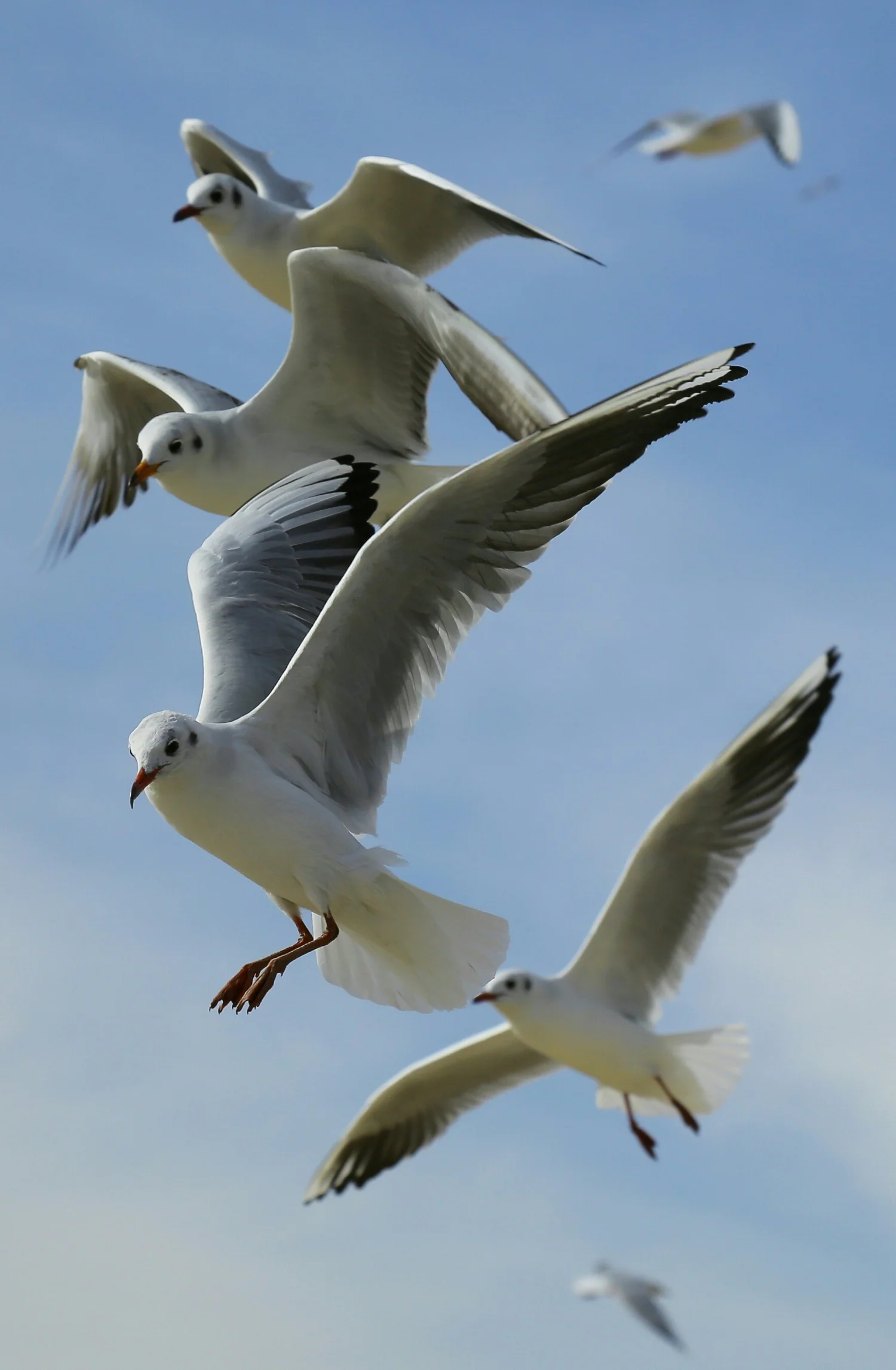
Have you ever wondered why birds take off and fly away the moment you get close? Is it something they are born knowing how to do, or do they learn it over time?
Understanding whether flying away is an innate behavior can change the way you see these fascinating creatures. You’ll discover surprising facts about bird instincts and what really triggers their swift escape. Keep reading, because what you learn here might change how you interact with birds forever.

Credit: www.reddit.com
Bird Flight As A Survival Mechanism
Birds instinctively fly away to escape danger and survive. This natural behavior helps them avoid predators quickly and stay safe. Flying is a built-in skill that supports their survival in the wild.
Bird Flight as a Survival Mechanism Birds have evolved to master the skies with their flight, a skill that is crucial for their survival. This ability is not just a means of transportation but a sophisticated survival mechanism. It plays a vital role in escaping predators, seeking food, and adapting to environmental changes.Evolution Of Flight In Birds
The evolution of flight in birds is a fascinating journey through time. Fossil records show that birds developed flight millions of years ago, providing them with a significant evolutionary advantage. The ability to fly enabled birds to reach new habitats, avoid ground-based predators, and exploit aerial food sources. Today, the structure of a bird’s wings and lightweight bones are perfectly adapted for flight. Each species has unique adaptations that suit their specific needs. Have you ever noticed how a hummingbird hovers in place while a hawk soars high above? Each has honed its flight for survival.Predator Avoidance Strategies
Flight is a bird’s primary defense against predators. It allows them to quickly escape danger and reach safe locations. Birds have developed impressive strategies to outmaneuver predators. Some use erratic flight patterns to confuse attackers, while others fly in flocks to create safety in numbers. Have you ever watched a flock of starlings performing a murmuration? This synchronized flying serves as a deterrent to predators.Role Of Flight In Finding Food
Finding food is another crucial aspect where flight plays a key role. Birds use their flight to scout large areas in search of food sources. This ability is especially important in environments where food is scarce or spread out. Migratory birds travel thousands of miles to find suitable feeding grounds. They rely on flight to follow the seasonal availability of food. Think about the determination and skill involved in a swallow’s long journey to find sustenance. Flight as a survival mechanism is a testament to the adaptability and resilience of birds. It’s a reminder of the intricate balance of nature and the incredible strategies that have evolved over time. What might you learn from observing the flight patterns and behaviors of your local birds?Instincts Behind Taking Flight
Have you ever wondered why birds take flight the moment they sense danger? This reaction isn’t just a learned habit but deeply rooted in their instincts. Understanding the driving forces behind a bird’s sudden flight can reveal much about survival strategies coded within them.
Innate Vs Learned Behaviors
Birds exhibit both innate and learned behaviors when it comes to flying away. Innate behaviors are hardwired and appear without prior experience—like a baby bird’s immediate attempt to flap wings after hatching.
Learned behaviors develop through interaction with the environment, such as recognizing specific threats from previous encounters. Do you think your actions influence a bird’s response, or is it purely instinctual?
Genetic Influences On Flight Response
Genes play a crucial role in shaping how quickly and efficiently a bird reacts to danger. Certain species have evolved genes that trigger rapid flight responses to predators, enhancing survival odds.
This genetic programming ensures that even first-time threats prompt a swift escape. Imagine how different a bird’s reaction might be if these genetic cues were absent.
Environmental Triggers For Flying Away
Birds don’t just fly away because they feel threatened; specific environmental cues activate this behavior. Sudden movements, loud noises, or unfamiliar objects often serve as triggers.
Your presence in a bird’s habitat can be one such trigger, causing it to take flight before you even get close. How might changing your approach reduce unnecessary stress for nearby wildlife?
Variations In Flight Response Among Species
Birds’ flight responses vary widely across species, shaped by their unique evolutionary paths and environments. This variation reflects how different birds perceive threats and decide when to take off. Understanding these differences can deepen your appreciation of bird behavior and help you interact more thoughtfully with the avian world around you.
Flight Patterns In Different Bird Types
Not all birds fly away at the same speed or in the same way when startled. Raptors like hawks often soar high and circle before settling, while small songbirds dart quickly in zigzag patterns. Waterfowl tend to take off in a straight, powerful burst, making their escape obvious but effective.
Have you noticed how woodpeckers often pause before flying away, unlike sparrows that bolt immediately? This shows how flight strategies differ based on size, wing shape, and predator threats. Your observations can reveal these subtle differences and why they matter.
Impact Of Habitat On Flight Behavior
The environment plays a big role in how birds respond to danger. Birds living in dense forests might rely on quick, agile flights between trees, while those in open fields often fly higher and farther to escape. Each habitat demands a flight style that maximizes survival chances.
Consider how a bird in a desert might react differently compared to one in a rainforest. Limited cover means desert birds may take flight sooner and more often. Your awareness of habitat can help predict flight behavior and improve birdwatching experiences.
Flight Response In Urban Vs Wild Birds
Urban birds often show less fear of humans, sometimes delaying flight or ignoring potential threats. Pigeons and crows in cities might tolerate close presence before deciding to fly. In contrast, wild birds usually take off at the first sign of disturbance.
This difference suggests that experience and environment shape flight decisions. Next time you’re in a park, watch how city birds behave compared to those in nearby natural areas. Could your approach influence whether a bird flies away or stays put?
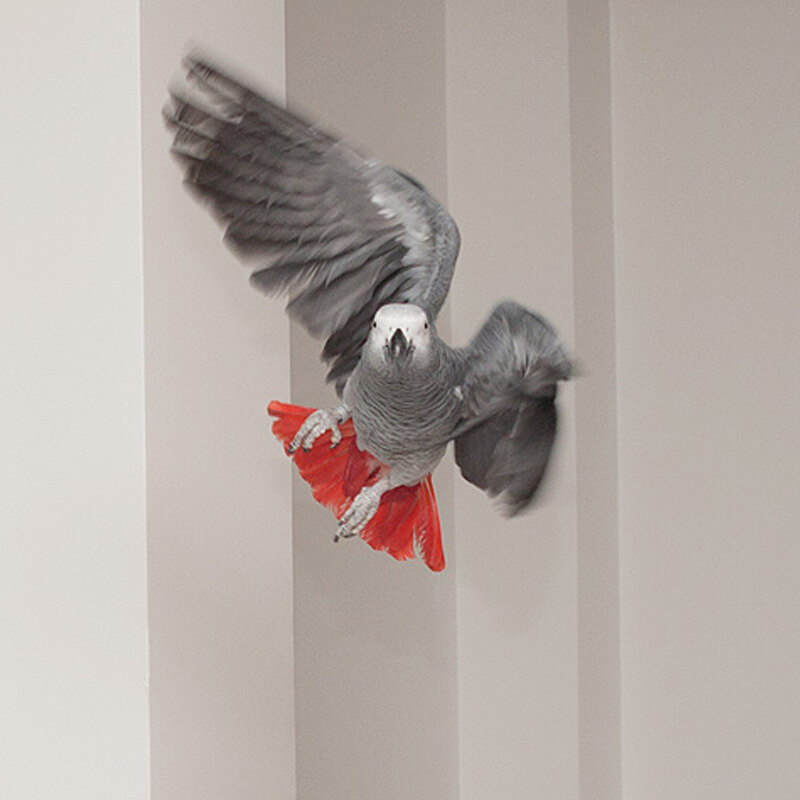
Credit: lafeber.com
Development Of Flight Skills In Young Birds
Young birds do not start flying immediately after hatching. Their flight skills develop through a mix of natural instincts and learning. This growth phase is crucial for survival and independence. Understanding how these skills form reveals much about bird behavior and development.
Learning To Fly: Nature And Nurture
Flight combines built-in abilities and experience. Birds inherit strong wings and muscles needed for flying. Yet, they must practice to control these movements. Early attempts often look clumsy. Through repeated tries, their wings grow stronger, and coordination improves. Both nature and practice shape their flying skills.
Role Of Parents In Teaching Flight
Parents guide young birds through early flights. They encourage chicks to flap and jump from low branches. Some birds show flight by example, flying nearby to inspire their young. Parents also provide safety and motivation. This support helps chicks gain confidence and strength.
Critical Periods For Flight Development
Young birds have specific times when flight learning is easiest. This phase is called the critical period. During this time, the brain and muscles are most adaptable. Missing this window can delay or harm flight ability. Parents and environment play key roles in making this period successful.
Scientific Studies On Bird Flight Instincts
Scientific studies have shed light on whether flying away is an innate behavior for birds or something they learn over time. Researchers have observed various bird species to understand the instincts behind their flight responses. These studies help answer questions about survival instincts and how birds react to threats.
Key Research Findings
Scientists discovered that many bird species show an immediate flight response to danger without prior experience. This suggests that flying away is deeply embedded in their genetic makeup. However, some birds fine-tune their reactions based on environmental factors and past encounters.
One study found that young birds raised in captivity still exhibited flight behaviors when startled. This points to an inborn survival mechanism rather than learned behavior. Have you ever noticed how even a sudden loud noise can make birds scatter instantly?
Behavioral Experiments With Birds
Researchers use controlled experiments to observe how birds react to various stimuli. For example, when exposed to predator models or sudden movements, birds often take flight immediately. These reactions are consistent across many species, reinforcing the idea of innate flight instincts.
Some experiments involve raising birds in environments without predators to see if they still fly away when startled. Most still do, which supports the theory that flying away is hardwired. These experiments highlight how instinct guides survival rather than learned experience alone.
Technological Advances In Studying Flight
Modern technology has revolutionized how scientists study bird flight instincts. High-speed cameras and GPS trackers allow detailed observation of flight patterns in real time. These tools reveal how quickly birds decide to flee and the routes they take to safety.
Machine learning and AI help analyze vast amounts of flight data to detect patterns humans might miss. This technology uncovers subtle behaviors, such as hesitation or decision-making speed before taking off. How might these insights change how we understand animal behavior and protect bird populations?
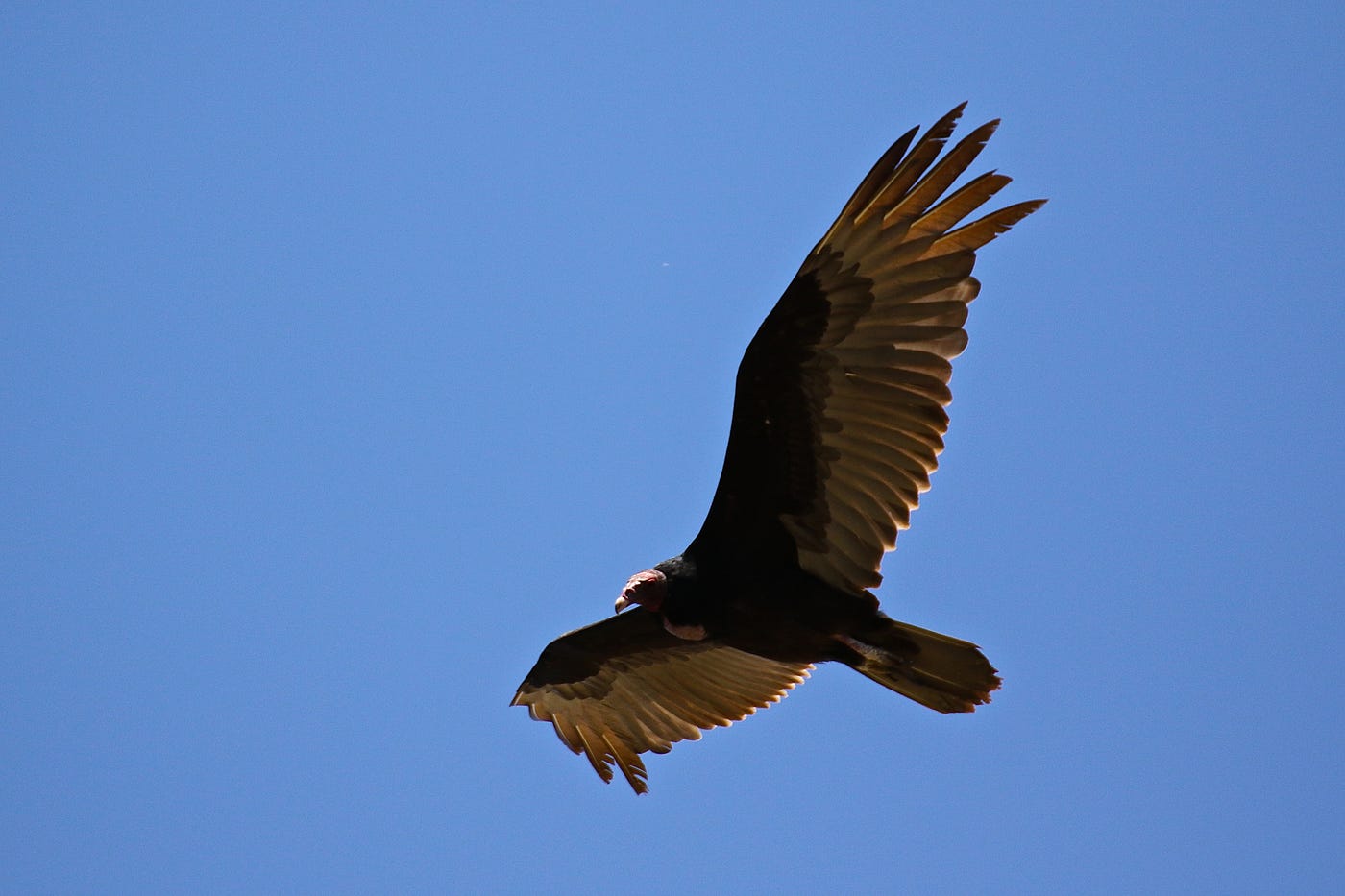
Credit: thehubpublication.com
Implications For Conservation And Bird Welfare
Understanding birds’ instinct to fly away shapes how we protect them. This behavior affects conservation efforts and bird welfare programs. Recognizing the natural need for flight helps us create better habitats. It also guides how we treat injured or captive birds. Protecting flight behavior is crucial for their survival and health.
Protecting Natural Flight Habitats
Birds rely on open spaces and safe areas to fly freely. Preserving forests, wetlands, and grasslands ensures they have room to move. Habitat destruction limits flight options and increases stress. Conservation plans must focus on keeping these areas intact. This support helps maintain natural behaviors and healthy populations.
Effects Of Human Activity On Flight Behavior
Human presence often disrupts birds’ natural flight patterns. Noise, buildings, and traffic cause birds to fly away more often. This constant disturbance can drain their energy and affect feeding. Pollution and light at night also confuse birds during flight. Reducing these impacts helps birds maintain normal flight routines.
Supporting Flight In Rehabilitation Programs
Flight is vital for a bird’s recovery and release. Rehabilitation centers should provide space for flying practice. Exercises that build strength and coordination improve survival chances. Staff must minimize stress and encourage natural behaviors. Proper flight support increases the success of returning birds to the wild.
Frequently Asked Questions
Is Flying Away An Instinctive Behavior In Birds?
Yes, flying away is an innate survival instinct in birds. It helps them escape predators and threats quickly. This behavior is hardwired in their brains from birth, enabling immediate response without learning or experience.
How Do Birds Learn To Fly Away Safely?
Birds practice flying during early life stages. Parents often demonstrate flight and encourage fledglings. This learning improves their coordination and timing, enhancing their innate ability to fly away effectively.
Why Do Birds Fly Away When Humans Approach?
Birds perceive humans as potential threats. Their instinct triggers immediate flight to avoid danger. This behavior increases their chances of survival by keeping a safe distance from unknown beings.
Can Birds Lose The Instinct To Fly Away?
Generally, no. The instinct to fly away is deeply ingrained. However, birds in captivity or with limited exposure to threats may show reduced flight responses. Still, the basic instinct remains present.
Conclusion
Birds flying away is mostly natural behavior. They do this to stay safe and find food. This action helps them survive in the wild. Some birds learn from their parents, while others fly instinctively. Understanding this helps us appreciate birds more.
Their flight shows how nature guides them well. Watching birds take off can be a simple joy. It reminds us how life adapts and moves on. Birds teach us about freedom and instinct together. Their flight is a mix of nature and learning.