
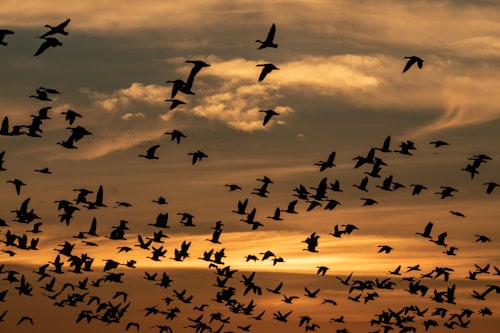
Have you ever wondered why birds suddenly disappear from your backyard as the seasons change? What drives them to travel thousands of miles across continents and oceans?
This fascinating behavior, known as bird migration, is more than just a seasonal event—it’s a complex survival strategy shaped by nature. By understanding what type of behavior bird migrating truly is, you’ll gain a fresh perspective on these incredible travelers and the natural world around you.
Keep reading to discover the secrets behind this amazing phenomenon and what it reveals about animal behavior.

Credit: www.numberanalytics.com
Bird Migration Basics
Bird migration is a natural behavior where birds travel to find better food and weather. This movement helps them survive through changing seasons. Birds use instincts and environmental cues to guide their long journeys.
Bird migration is one of nature’s most fascinating phenomena. Witnessing flocks of birds glide gracefully across the sky in search of warmer climates is not just a spectacle; it’s a testament to their survival instincts. But what exactly does bird migration entail?Seasonal Patterns
Bird migration is closely tied to the changing seasons. As temperatures drop and food becomes scarce, birds embark on their seasonal journey to more hospitable environments. This migration ensures their survival and reproductive success. In spring, birds return to their breeding grounds, taking advantage of the abundant resources. In autumn, they head towards warmer regions to escape the harsh winter. Have you ever noticed the sudden disappearance of certain bird species from your backyard as winter approaches?Common Routes
Birds often follow specific migratory routes, known as flyways. These flyways are like invisible highways in the sky, helping birds navigate vast distances efficiently. Major flyways include the Atlantic, Mississippi, Central, and Pacific routes in North America. Each route is strategically chosen based on factors like food availability, weather patterns, and geographical landmarks. For example, the Mississippi Flyway is favored by waterfowl due to the abundance of wetlands. Have you considered how these birds manage such precise navigation without a GPS? Understanding bird migration basics not only enriches your appreciation of nature but also highlights the delicate balance of ecosystems. As you watch the next flock take flight, think about the incredible journey they are undertaking.
Credit: www.allaboutbirds.org
Instinctive Triggers
Bird migration is a remarkable behavior driven by instinctive triggers. These triggers guide birds to embark on long journeys without prior learning or experience. Understanding what sparks this behavior helps you appreciate the natural precision involved in migration.
Environmental Cues
Birds rely heavily on environmental signals to know when it’s time to migrate. Changes in daylight length, temperature, and food availability act as natural alarms.
Think about how shorter days in autumn signal many birds to prepare for migration. You might have noticed how birds gather in large groups before heading south. This behavior shows their sensitivity to the environment around them.
Ever wondered how birds navigate vast distances? Environmental cues like the position of the sun, stars, and even the Earth’s magnetic field help guide their routes.
Genetic Programming
Migration isn’t just about reacting to the environment; it’s also hardwired in a bird’s DNA. Genetic programming ensures birds know where and when to fly, even without learning from others.
Young birds raised in isolation still embark on migration, proving this behavior is inherited. Your curiosity about how animals inherit such complex traits is well-founded—migration genes influence timing, direction, and rest stops.
Imagine a bird beginning its journey with no external guidance. Its genes provide a detailed map and schedule. This natural programming keeps migration consistent across generations, helping species survive changing climates and habitats.
Navigation Techniques
Bird migration is a fascinating journey guided by remarkable navigation skills. Birds use several natural cues to find their way across continents. These navigation techniques help them travel thousands of miles with precision. Understanding these methods reveals the complexity behind bird migration behavior.
Sun And Star Positioning
Birds use the sun as a compass during the day. They track the sun’s movement to keep their direction. At night, stars become their guide. Birds recognize star patterns to navigate in the dark sky. This celestial navigation is crucial for night migrants.
Magnetic Field Detection
Birds sense the Earth’s magnetic field to find their route. Specialized cells in their bodies detect magnetic signals. This magnetic sense acts like an internal compass. It helps birds maintain a steady course over long distances. Even on cloudy days, this method guides them accurately.
Landmark Recognition
Birds remember physical features like rivers and mountains. These landmarks act as visual guides during migration. Birds use these familiar points to correct their path. This technique works well near coastlines and known routes. Landmark recognition complements their other navigation skills.
Types Of Migratory Behavior
Bird migration shows different patterns depending on the species and environment. These patterns describe how far and why birds travel during their seasonal movements. Understanding the types of migratory behavior helps explain bird survival and adaptation strategies.
Long-distance Migration
Long-distance migration involves birds traveling thousands of miles. Birds cross continents and oceans to find better food and breeding places. Examples include Arctic terns flying from the Arctic to Antarctica. These journeys need strong navigation skills and energy storage.
Short-distance Migration
Short-distance migration covers travel within the same region or nearby areas. Birds move from colder places to warmer spots during winter. This migration lasts a few hundred miles or less. It helps birds avoid harsh weather but still stay near their home range.
Partial Migration
Partial migration happens when only some birds in a group migrate. Others stay in their original area all year. This behavior depends on food availability, age, or gender. It creates a mix of migrating and resident birds within the same species.
Physiological Changes During Migration
Bird migration demands significant physical adjustments. These changes prepare birds for long flights across continents. Their bodies transform to handle energy use, endurance, and navigation challenges. Understanding these physiological changes reveals how birds survive their journeys.
Fat Storage
Birds build fat reserves before migration. Fat acts as the main fuel during flights. It stores more energy than carbohydrates or proteins. Birds increase their food intake to gain weight quickly. This extra fat can double their normal body weight. Fat breakdown provides continuous energy in flight.
Muscle Development
Flight muscles grow stronger before migration. This growth improves endurance and power. Birds often increase the size of their pectoral muscles. Strong muscles help sustain long hours of flying. Muscle condition directly affects flight efficiency. Birds may also reduce non-essential body parts to save weight.
Hormonal Shifts
Hormones regulate many migration-related changes. Increased levels of corticosterone trigger fat storage and appetite. Thyroid hormones help speed up metabolism for energy use. Melatonin shifts adjust sleep patterns and activity times. Hormonal signals also influence navigation and timing. These shifts ensure birds are ready for migration stress.

Credit: www.numberanalytics.com
Social Aspects Of Migration
Bird migration is not just about flying from one place to another. It involves complex social behavior. Birds often travel in groups, showing teamwork and communication. These social aspects help birds survive long journeys and find resources.
Flock Dynamics
Birds migrate in flocks for safety and efficiency. Flying together reduces the risk of predators attacking. It also saves energy by taking advantage of air currents created by others. Leaders often guide the flock, but birds take turns leading. This shared responsibility helps the group maintain stamina.
Flocks also help birds navigate. Experienced birds often lead the way, while younger birds follow. This learning process ensures the survival of future migrations. The size and structure of flocks can change depending on the species and environment.
Communication Methods
Birds use various signals to stay connected during migration. Calls and songs help maintain contact within the flock. These sounds warn about dangers or signal changes in direction. Visual cues, like body movements, also guide group behavior.
Some birds use synchronized wing beats and spacing to keep formation. Communication helps the flock respond quickly to threats and obstacles. It also strengthens social bonds among members, improving cooperation throughout the journey.
Challenges Faced By Migrating Birds
Migrating birds face numerous challenges that test their endurance and survival skills. These challenges come from natural threats and human activities, making migration one of the most demanding behaviors in the animal kingdom. Understanding these obstacles helps you appreciate the incredible journey birds undertake every year.
Predators And Risks
Predators are a constant danger during migration. Birds must stay alert to avoid hawks, falcons, and other hunters that take advantage of their tired state. You might be surprised to learn that even smaller animals like snakes and mammals can pose threats at resting stops.
In addition, birds face risks like exhaustion and injury. Long flights over water or deserts leave little room for rest, increasing vulnerability. Have you ever wondered how some birds survive these harsh conditions without stopping?
Weather And Climate Impact
Changing weather patterns can disrupt migration routes and timing. Storms, strong winds, and temperature shifts force birds to alter their paths or delay travel. This unpredictability can cause missed breeding seasons or food shortages.
Climate change adds another layer of complexity. It alters habitats and availability of food along the way. How do you think birds adapt when their usual stopover spots disappear or change drastically?
Human Interference
Urban development and pollution create barriers and hazards for migrating birds. Buildings, power lines, and wind turbines can cause fatal collisions. Light pollution also confuses birds, especially at night, leading them off course.
Hunting and habitat destruction further reduce safe resting and feeding sites. Your support for bird-friendly initiatives can make a real difference in protecting these travelers. What steps can you take to help create safer migration corridors?
Conservation Efforts
Conservation efforts play a crucial role in supporting migrating birds. These efforts help ensure birds find safe routes and thriving environments during their long journeys. Understanding how these strategies work can inspire you to contribute to bird protection in meaningful ways.
Protecting Habitats
Birds rely on specific habitats to rest and refuel during migration. Protecting wetlands, forests, and coastal areas is essential for their survival. You might be surprised how even small green spaces in urban areas can serve as vital stopovers.
Conservation groups often work to preserve and restore these habitats. They remove invasive plants, clean polluted waters, and create bird-friendly zones. Have you ever noticed how a simple garden can attract migratory birds? Imagine the impact if more communities prioritized habitat protection.
Tracking And Research
Tracking technology gives scientists detailed insights into migration routes and behaviors. Tiny GPS devices and banding help monitor where birds go and what challenges they face. This data reveals patterns you might not expect, like how weather changes affect their paths.
Research also identifies dangerous areas where birds risk collisions or hunting. With this knowledge, policymakers can create safer flyways. Could technology help you understand and support your local bird populations better?
Public Awareness
Educating people about migrating birds increases support for conservation. Campaigns, birdwatching events, and school programs make migration relatable and urgent. When you learn about these journeys, you might feel more connected to nature.
Public involvement leads to stronger laws and more funding for conservation. Simple actions like reducing light pollution or participating in citizen science projects can make a difference. What small step can you take today to protect these incredible travelers?
Frequently Asked Questions
What Type Of Behavior Is Bird Migration?
Bird migration is an innate, seasonal behavior. It involves long-distance travel to find food and favorable climates. Birds use environmental cues and instincts to navigate during migration.
Why Do Birds Migrate Seasonally?
Birds migrate to access better food supplies and breeding conditions. Seasonal changes trigger migration to avoid harsh weather and scarce resources. This behavior enhances their survival and reproductive success.
How Do Birds Know When To Migrate?
Birds use changes in daylight, temperature, and internal biological clocks. These cues activate migratory restlessness and orientation behaviors. This instinctive timing ensures migration aligns with seasonal needs.
What Navigation Methods Do Migrating Birds Use?
Birds navigate using the sun, stars, Earth’s magnetic field, and landmarks. They combine sensory input with memory to follow precise migratory routes. These methods help them reach distant destinations accurately.
Conclusion
Bird migration is a natural behavior driven by survival needs. Birds travel long distances to find food and better weather. This behavior helps them live through harsh seasons. It shows how animals adapt to their environment. Understanding migration helps us appreciate nature’s balance.
Watching birds migrate can be fascinating and inspiring. Their journey reminds us of nature’s strength and resilience. Migration is a vital part of many bird species’ lives. It teaches us about movement, change, and survival.