

Have you ever looked closely at your pet bird’s feet and wondered what they’re called? Those tiny, clawed limbs do more than just help your feathered friend stand—they play a key role in how they move, grip, and explore their world.
Understanding what bird feet are called and how they work can deepen your connection with your pet and even help you care for them better. Keep reading, and you’ll discover fascinating facts that will change the way you see your bird’s feet forever.

Credit: kathylafollett.medium.com
Types Of Pet Bird Feet
Pet birds have different types of feet that help them live and move in their environment. Each type of foot is unique and fits the bird’s lifestyle. Some feet are great for perching, some for climbing, and others for walking. Understanding these types helps in caring for pet birds properly.
Anisodactyl Feet
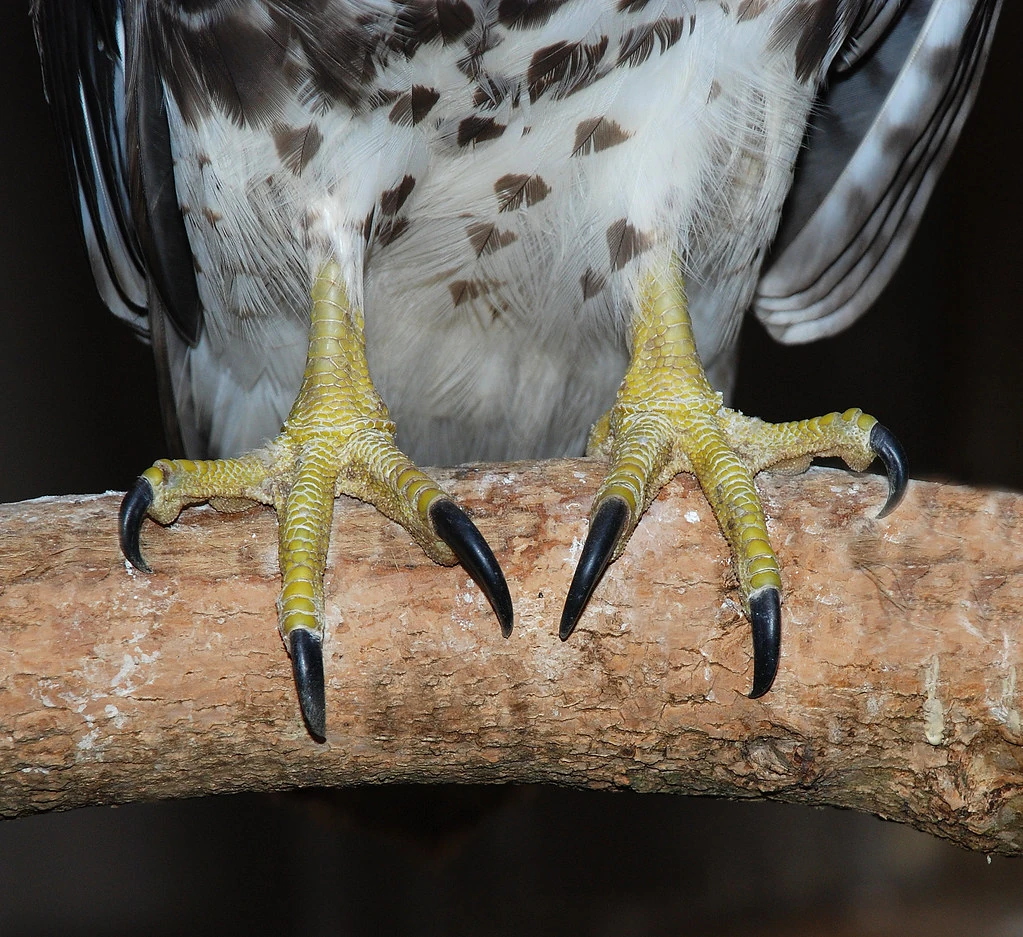
Anisodactyl feet are the most common type in songbirds. These feet have three toes pointing forward and one toe pointing backward. This arrangement helps birds grip branches tightly. Birds like canaries and finches have anisodactyl feet.
Zygodactyl Feet
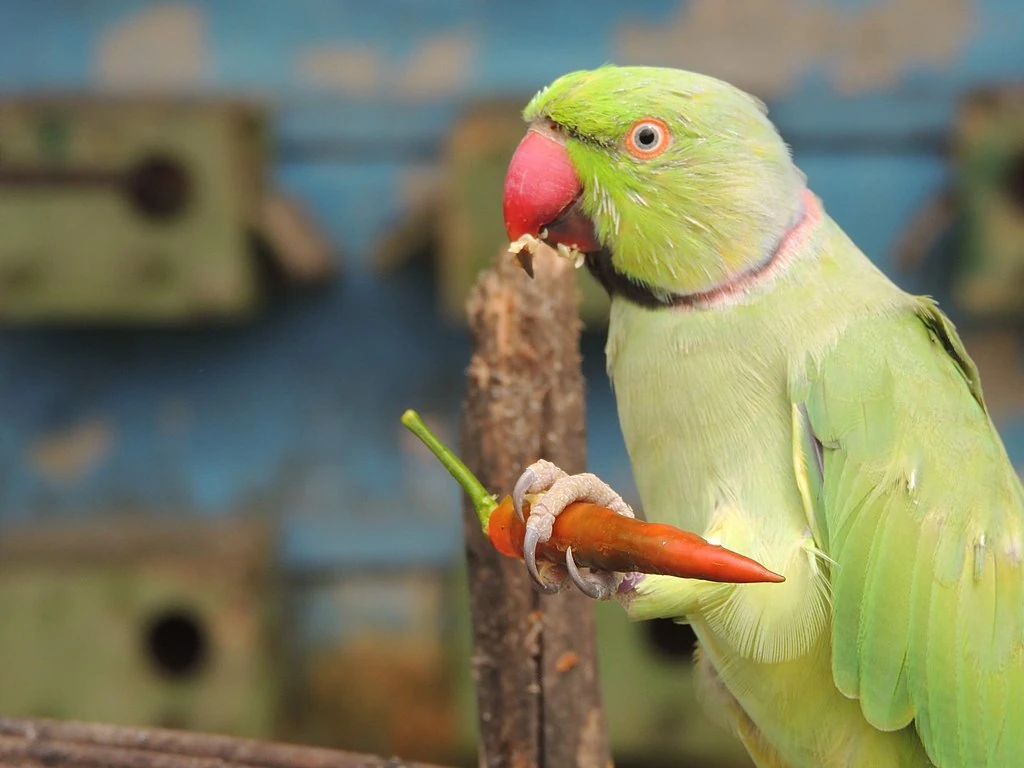
Zygodactyl feet have two toes facing forward and two facing backward. This design helps birds climb trees and hold food. Parrots and woodpeckers have zygodactyl feet. These feet give strong grip and balance.
Heterodactyl Feet
Heterodactyl feet look like zygodactyl feet but differ in toe arrangement. The second and third toes point forward, while the first and fourth point backward. This type is rare and found mainly in trogons. Heterodactyl feet help birds grasp branches firmly.
Syndactyl Feet
Syndactyl feet have two or more toes joined by skin. This connection helps birds swim or run faster. Kingfishers have syndactyl feet that aid in catching fish. The fused toes give stability during movement.
Pamprodactyl Feet
Pamprodactyl feet have all four toes pointing forward. Birds like swifts use these feet to cling to vertical surfaces. This foot type allows strong grip on walls or tree trunks. It suits birds that spend time hanging upside down.
Credit: birds.fandom.com
Functions Of Different Feet Types
Bird feet come in many shapes and sizes. Each type has special jobs. These jobs help birds survive and live well. The shape of their feet matches what they need to do every day. Some feet help birds hold on tight. Others help them climb or catch food. Some even help birds swim. Understanding these functions helps us know birds better.
Perching And Grasping
Many pet birds have feet made for perching. These feet have toes that wrap around branches. This helps birds hold on tightly and stay balanced. Parrots and finches use these feet to rest safely. Their strong grip stops them from falling while they sleep or move.
Climbing Abilities
Some birds have feet that help them climb. These feet have strong, curved claws. Woodpeckers and parrots use climbing feet. They can move up tree trunks or cage bars. Climbing feet give birds better control and support. This helps them explore their home and find food.
Hunting And Feeding
Birds that hunt have sharp, powerful feet. Raptors like hawks and falcons have talons. These talons catch and hold prey tightly. The feet also help tear food into small pieces. Strong feet are key for feeding and survival. They help birds catch meals quickly and safely.
Swimming Adaptations
Some birds have feet made for swimming. Ducks and other water birds have webbed feet. These feet act like paddles in water. They help birds move fast and steer well. Swimming feet let birds dive and swim easily. This helps them catch fish or escape danger.
Common Pet Birds And Their Feet
Pet birds show a wide variety of feet shapes and functions. Each type of bird has feet adapted to its lifestyle and environment. Understanding these feet helps in caring for your pet properly. It also explains how birds perch, climb, and grip objects.
Here are some common pet birds and a look at their feet types.
Parrots
Parrots have zygodactyl feet. This means two toes point forward and two point backward. These feet help them grab branches and food firmly. Their strong feet allow climbing and holding toys easily.
Canaries
Canaries have anisodactyl feet. Three toes point forward and one points backward. This foot type helps them perch on thin branches or cage bars. Their feet are slender and delicate, fitting their small size.
Finches
Finches also have anisodactyl feet. Their toes help them balance on narrow twigs and feeders. Finches use their feet to hold seeds while eating. Their feet are small but agile for quick movements.
Cockatiels
Cockatiels share the zygodactyl foot pattern like parrots. This helps them climb cage bars and hold objects. Their feet are strong and flexible for gripping and balance. Cockatiels often use their feet to explore toys.
Credit: birds.fandom.com
Care Tips For Bird Feet
Taking care of your bird’s feet is just as important as feeding or grooming them. Healthy feet help your pet bird stay active and comfortable. Paying attention to foot care can prevent many common problems that often go unnoticed until they become serious.
Preventing Injuries
Bird feet are delicate and prone to injuries from sharp objects or rough surfaces. Check your bird’s cage regularly for anything that could cause cuts or scrapes. Avoid placing dangerous items like wire mesh floors or sharp toys where your bird can step on them.
Have you ever noticed your bird limping or avoiding certain perches? This could be a sign of injury. Acting quickly can save your bird from long-term pain.
Proper Perches
Choosing the right perches is key to foot health. Use perches of different sizes and textures to exercise your bird’s feet and prevent pressure sores. Natural wood perches are a great option because they mimic what birds encounter in the wild.
Try swapping perches regularly to keep your bird’s feet strong and flexible. Soft or padded perches can help if your bird has sensitive feet or is recovering from an injury.
Nail Trimming
Long nails can cause discomfort and even affect how your bird walks. Trim your bird’s nails carefully every few weeks or as needed. If you’re unsure, ask a vet or experienced bird owner to show you the safest way to do this.
Using proper nail clippers designed for birds reduces the risk of cutting too deep. Keep styptic powder nearby just in case you accidentally cause bleeding.
Detecting Foot Problems
Check your bird’s feet regularly for signs of swelling, redness, or unusual lumps. Look for changes in color or texture, which can indicate infections or mites. Early detection makes treatment easier and more effective.
Does your bird spend more time sitting or seems reluctant to perch? These behaviors often point to foot pain. Keep a close eye on these subtle clues to catch issues early.
Frequently Asked Questions
What Are The Common Names For Pet Bird Feet?
Pet bird feet are commonly called “talons” or “claws. ” These terms describe their sharp nails used for gripping and climbing. Some also refer to the feet as “digits,” highlighting the toes’ structure. These names help identify bird foot types based on their function and appearance.
How Do Pet Bird Feet Help In Climbing?
Pet bird feet have strong, curved claws that grip surfaces tightly. This grip allows birds to climb branches and cages securely. The toe arrangement helps balance and support. These adaptations are essential for pet birds to move and perch safely in their environment.
Why Do Pet Bird Feet Have Different Toe Arrangements?
Different toe arrangements, like zygodactyl or anisodactyl, suit various bird species. They aid in gripping, climbing, or perching efficiently. For example, parrots have two toes forward and two back for better grasping. This diversity helps birds adapt to their habitats and lifestyles.
Can Pet Bird Feet Indicate Their Health Status?
Yes, pet bird feet can reflect health conditions. Swelling, discoloration, or sores may signal infections or nutritional issues. Regular foot checks help detect problems early. Healthy feet are vital for a bird’s mobility and overall well-being.
Conclusion
Understanding pet bird feet enriches your bird knowledge. These fascinating structures support their daily life. Claws help them grip, climb, and perch safely. Each type of bird has unique feet suited to its lifestyle. Knowing this helps you care better for your feathered friend.
Whether it’s a parrot, finch, or canary, their feet are vital. Appreciate the role they play. It makes pet bird ownership more rewarding. Stay curious about your bird’s anatomy. It leads to better understanding and care. Happy bird-keeping!