
Are you thinking about adding a feathered friend to your home but don’t know where to start? Choosing the right bird pet can feel overwhelming, especially if you’re new to bird care.
The good news is, some birds are perfect for beginners like you. They are friendly, low-maintenance, and full of personality. You’ll discover the best bird pets that fit your lifestyle and bring joy without stress. Keep reading to find out which bird could become your perfect companion!
Choosing The Right Bird
Choosing the right bird is key to enjoying your new pet. Each bird species has unique needs and personalities. Picking a bird that fits your lifestyle makes care easier and more fun.
Understanding what makes a bird beginner-friendly helps avoid common problems. Some birds are gentle and easy to train. Others need more attention and experience.
Traits Of Beginner-friendly Birds
- Calm temperament that adapts well to new environments
- Smaller size for easier handling and housing
- Simple diet and care requirements
- Lower noise levels suitable for indoor living
- Friendly and social behavior toward humans
- Less demanding grooming needs
Factors To Consider Before Adoption
- Time available for daily care and social interaction
- Space in your home for a cage and play area
- Budget for food, toys, and veterinary care
- Allergy concerns among family members
- Long lifespan and commitment required
- Local regulations or restrictions on pet birds
Top Easy-to-train Bird Species
Choosing a bird that is easy to train can make your first pet bird experience much more enjoyable. These species are known for their intelligence, willingness to interact, and ability to learn simple tricks or commands. Training your bird not only strengthens your bond but also keeps your feathered friend mentally active and happy.
Budgerigars (budgies)
Budgies are small, colorful, and incredibly social birds. They quickly pick up on simple words and whistles, making them perfect for beginners eager to teach their pet some tricks. Many owners find joy in watching their budgie mimic sounds and even learn to say short phrases.
Budgies thrive on interaction, so you’ll need to spend time each day talking or playing with them. Have you noticed how a few minutes of daily training can turn a shy bird into a confident chatterbox?
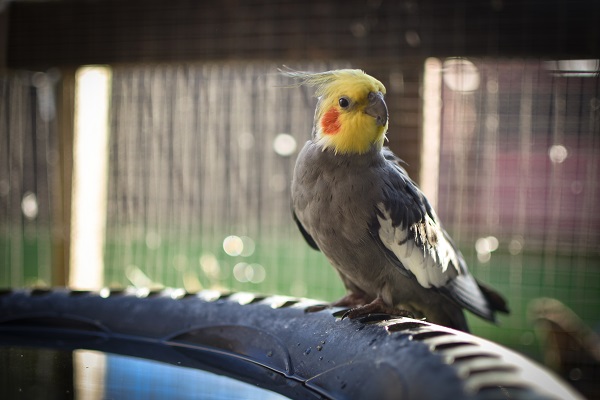
Cockatiels
Cockatiels are gentle and affectionate birds that respond well to training. They can learn to whistle tunes and perform basic tricks, like stepping up on your finger or ringing a small bell. Their calm nature makes them an excellent choice if you want a bird that’s both loving and trainable.
Consistency is key with cockatiels. Setting aside a few minutes daily for training helps build trust and keeps their curious minds engaged. What simple trick will you start with to create a fun routine?
Lovebirds
Lovebirds are lively and intelligent, capable of learning tricks such as target training or simple commands. They enjoy playful interaction but require patience during training as they can be a bit stubborn. Still, their affectionate nature means they often respond well once trust is built.
Training sessions with lovebirds should be short and positive to maintain their interest. Have you tried using treats to encourage progress and make training feel like a game?
Canaries
Canaries are famous for their beautiful singing rather than their ability to learn tricks. While they aren’t known for training like parrots, they can become comfortable with your presence and enjoy simple routines. If you want a bird that’s low-maintenance and pleasant to watch, canaries are a great pick.
Instead of teaching tricks, focus on creating a calm environment where your canary feels safe. How might your daily habits help your canary settle in and sing its best?
Zebra Finches
Zebra finches are active and social birds that adapt well to captivity. While they don’t typically learn tricks, they respond well to consistent care and can become tame with gentle handling. Their cheerful chirping and lively behavior make them delightful companions.
Encouraging tameness in zebra finches takes patience and gentle interaction. Have you considered how a calm approach could help your finches feel at ease around you?
Training Basics For Beginners
Training a pet bird is rewarding and helps build a strong bond. It also keeps your bird happy and healthy. Beginners should focus on simple training basics to create trust and good behavior. Patience and consistency are key throughout the process. This section covers essential training steps for new bird owners.
Building Trust And Bonding
Start by spending quiet time near your bird. Speak softly to make your bird feel safe. Offer treats gently from your hand. Avoid sudden movements that may scare your pet. Let your bird explore your hand at its own pace. Trust grows slowly but steadily with care and patience.
Simple Commands To Start With
Teach easy commands like “step up” to move onto your finger. Use a calm voice and clear words. Repeat commands consistently during short sessions. Keep training sessions brief, about 5 to 10 minutes. Reward your bird immediately after it follows a command. Simple commands build a good foundation for further training.
Using Positive Reinforcement
Positive reinforcement means rewarding good behavior to encourage it. Use small treats, praise, or gentle petting as rewards. Avoid punishment, which can harm trust. Reward your bird right after the desired action. This helps your bird understand what you want. Positive reinforcement makes training fun and effective for both.
Credit: www.northernparrots.com
Care Tips For New Bird Owners
Taking care of a bird for the first time can feel overwhelming, but knowing the basics makes a huge difference. Your new feathered friend depends on you for everything—from food to safety and health. Getting these care tips right will help you build a strong bond and keep your bird happy and healthy.
Proper Diet And Nutrition
Birds need a balanced diet to thrive, and that means more than just seeds. Fresh fruits, vegetables, and specially formulated pellets provide essential vitamins and minerals.
Try adding small pieces of apple, carrot, or leafy greens daily. Avoid avocado, chocolate, and caffeine—they can be toxic to birds. Watching your bird enjoy new foods can be surprisingly rewarding.
Creating A Safe Environment
Your bird’s cage should be spacious, clean, and placed in a quiet, draft-free area with natural light. Avoid kitchens or rooms with strong fumes, as birds have sensitive lungs.
Remove toxic plants, cover electrical wires, and keep other pets away. Think about what dangers you might overlook in your home—have you checked ceiling fans or open windows?
Health And Grooming Essentials
Regular check-ups with an avian vet are vital, even if your bird seems healthy. Birds hide illness well, so early detection can save lives.
Grooming includes trimming nails and wings if necessary, and providing opportunities for bathing. A shallow dish of water or misting with a spray bottle can keep feathers clean and skin healthy.
Common Challenges And Solutions
Owning a pet bird can be a joyful experience, but it also comes with its share of challenges. Understanding these common issues early on can save you from frustration and help build a stronger bond with your feathered friend. Let’s look at practical solutions to the most frequent hurdles beginners face.
Managing Noise Levels
Birds are naturally vocal, and noise can quickly become overwhelming if you’re not prepared. Some species, like cockatiels, may whistle and chirp frequently, while others, such as lovebirds, can be surprisingly loud.
To keep noise manageable:
- Choose a quieter bird species if noise sensitivity is a concern.
- Provide plenty of toys and mental stimulation to prevent boredom-induced screaming.
- Establish a consistent daily routine; birds often vocalize less when their environment feels predictable.
Have you noticed how your bird’s noise changes with different activities? Observing those patterns can help you anticipate and reduce disruptive sounds.
Addressing Behavioral Issues
Behavior problems like biting, feather plucking, or excessive screaming are common in new bird owners’ experiences. These behaviors often stem from stress, lack of attention, or improper handling.
Try these steps to improve behavior:
- Spend quality time daily interacting with your bird to build trust.
- Use positive reinforcement by rewarding good behavior with treats or affection.
- Ensure your bird’s environment is safe, spacious, and enriched with toys and perches.
Have you considered how much your own mood and actions influence your bird’s behavior? Staying calm and patient can make a big difference.
When To Seek Professional Help
Sometimes, despite your best efforts, challenges persist or worsen. Knowing when to get expert advice can prevent small problems from becoming serious.
Consult an avian vet or a certified bird behaviorist if you notice:
- Sudden changes in appetite or activity levels.
- Persistent aggression or fear that disrupts daily care.
- Signs of illness or injury you’re unsure how to handle.
Reaching out for help early can save your bird’s health and improve your overall experience. Don’t wait until problems feel overwhelming—experts are there to guide you.

Credit: birdsupplies.com
:strip_icc()/sun-parakeets-135559243-5b53f406c9e77c0037e36d6b.jpg)
Credit: www.thesprucepets.com
Frequently Asked Questions
What Bird Species Are Best For Beginners?
Budgerigars, cockatiels, and lovebirds are ideal for beginners. They are friendly, easy to care for, and adapt well to home environments. These species require minimal space and provide engaging companionship for new bird owners.
How Much Time Do Beginner Birds Need Daily?
Beginner pet birds need at least 30 minutes to 1 hour of daily interaction. This helps with socialization, mental stimulation, and bonding. Regular attention prevents boredom and promotes a happy, healthy bird.
What Cage Size Suits Beginner Pet Birds?
A cage at least 18x18x18 inches is suitable for small beginner birds like budgies and lovebirds. It allows enough room for movement and play. Larger birds need bigger cages to stay comfortable and active.
Are Beginner Birds Noisy Or Quiet?
Budgerigars and cockatiels are moderately noisy but generally quieter than larger parrots. Lovebirds can be vocal but manageable. Choosing the right species depends on your noise tolerance and living environment.
Conclusion
Choosing a bird as a pet is a rewarding decision. Beginners should opt for birds that are easy to care for. Budgies, canaries, and cockatiels make great choices. They are friendly and not too demanding. These birds adapt well to homes and new owners.
Plus, they bring joy with their songs and colorful feathers. Always ensure proper care and attention. Research each bird’s needs before bringing one home. This ensures a happy and healthy pet. With the right choice, you’ll enjoy years of companionship.
Your bird will become a cherished family member.