
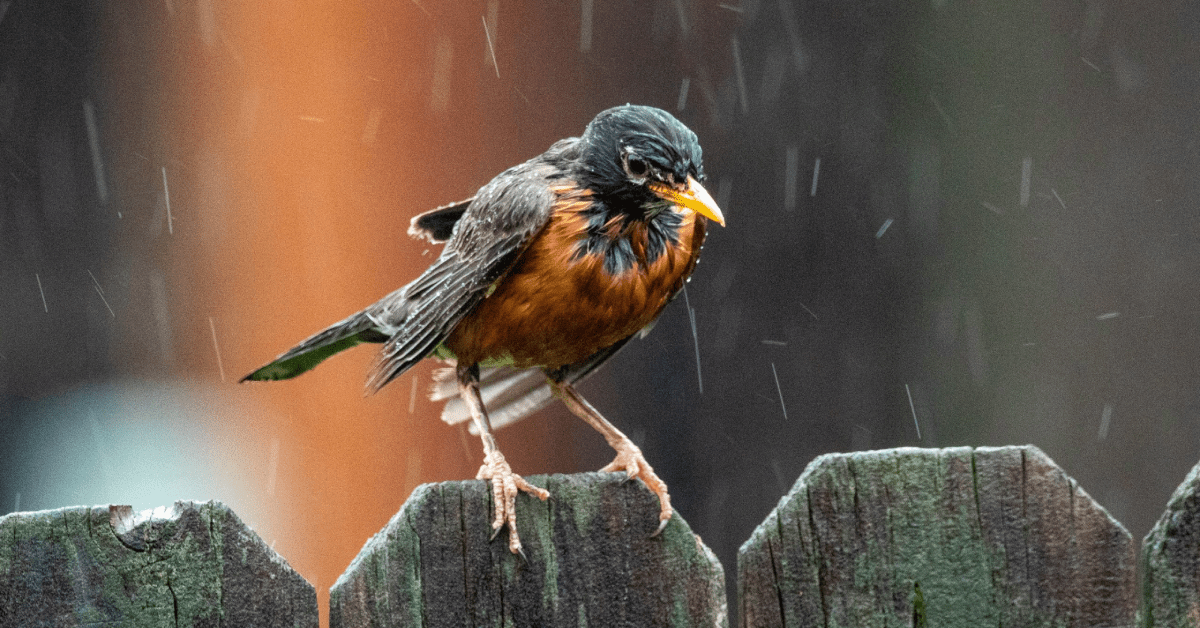
Have you ever noticed how birds suddenly change their actions just before it starts to rain? You might think it’s a simple coincidence, but birds actually have unique behaviors that can warn you about upcoming weather.
Imagine being able to predict rain just by watching them! You’ll discover the surprising ways birds act before a storm hits. Understanding these signs can help you stay dry and prepared. Keep reading, and you’ll never look at birds the same way again!
Birds’ Sensory Abilities
Birds possess remarkable sensory abilities that allow them to detect changes in their environment. These abilities are crucial for survival, especially when it comes to anticipating weather changes like rain. Understanding these sensory skills can give you a fascinating glimpse into how birds interact with nature.
Detecting Atmospheric Changes
Birds can often sense changes in atmospheric pressure, which helps them predict incoming storms. This ability allows them to take shelter before the rain begins. Have you ever noticed birds suddenly flocking to trees or low-lying areas? This behavior is often a response to a drop in barometric pressure, signaling that rain is imminent.
Sensitivity To Humidity And Pressure
Birds are incredibly sensitive to shifts in humidity and pressure. High humidity levels can affect their flight patterns, prompting them to stay closer to the ground. This change in behavior can serve as a natural warning system for you, alerting you to the likelihood of rain.
Next time you see birds acting differently, pause and observe. Could they be trying to tell you something about the weather? Their sensory abilities are a natural marvel, offering insights that can enhance your connection to the natural world.
Common Bird Behaviors Before Rain
Birds often change their behavior before rain. These changes help them stay safe and dry. Watching these signs can reveal nature’s way of predicting weather.
Changes In Flight Patterns
Birds fly lower to the ground as rain approaches. They avoid high altitudes where strong winds blow. Flight becomes slower and more cautious. Some birds pause their usual flights and stay close to trees or bushes.
Alterations In Vocalization
Bird songs and calls change before rain. Many birds sing less or stop altogether. Others may give short, sharp calls instead of long songs. These vocal changes warn flock members about the coming weather.
Seeking Shelter
Birds look for safe places to hide before rain starts. They gather in dense shrubs or under tree branches. Some tuck their heads under wings to stay warm and dry. Nesting birds secure their nests and stay close.
Species-specific Rain Signals
Birds display unique behaviors that often signal an approaching rainstorm. These signals vary widely between species, reflecting their different environments and survival strategies. Understanding these species-specific rain signals can help you predict weather changes just by observing your feathered neighbors.
Songbirds
Songbirds often become quieter and reduce their singing as rain approaches. You might notice them fluffing up their feathers to trap warmth and seeking shelter among dense foliage. Some species, like robins, stop their usual foraging and huddle together, a clear sign that wet weather is near.
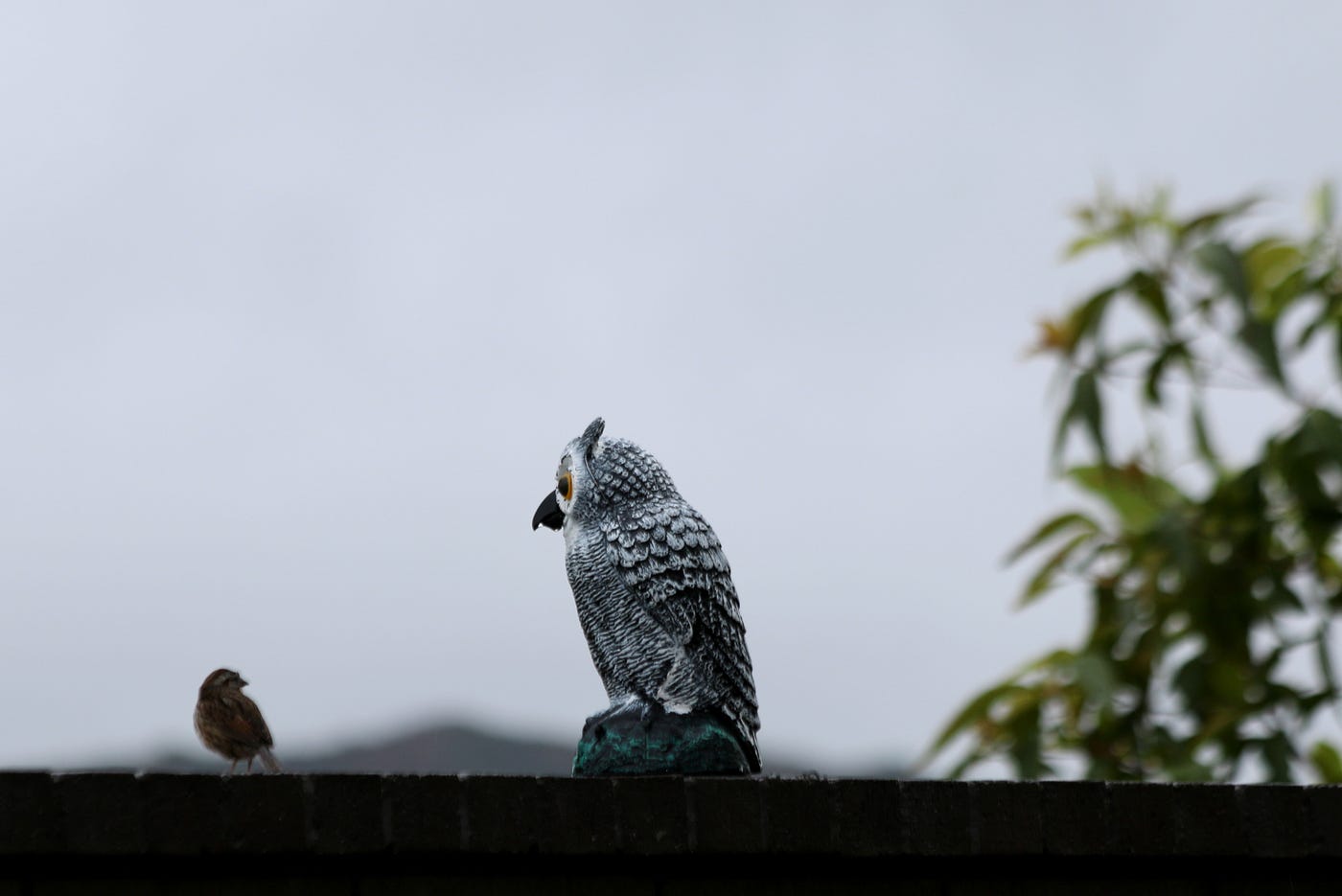
Have you ever paused to watch a group of sparrows suddenly go silent or disappear just before a shower? That’s their way of telling you to grab an umbrella.
Waterfowl
Waterfowl behave differently; they tend to become more active and vocal before rain. Ducks and geese may gather in larger groups and swim energetically on ponds or lakes. This behavior likely helps them prepare for the change in weather and find safer spots.
You might also see them preening more to keep their feathers waterproof, ensuring they stay dry during the rainfall. Next time you spot a noisy gathering of waterfowl, consider it a natural weather forecast.
Raptors
Raptors, such as hawks and eagles, often reduce their soaring flights as the air pressure drops before rain. They stay perched on high vantage points, conserving energy and avoiding the strong winds that often precede storms. Their usual hunting activity slows down noticeably.
Observing a hawk suddenly settle and watch quietly can hint at the sky’s shift. If you’re out hiking, watching raptors’ behavior could give you a heads-up to seek shelter.

Credit: medium.com
Scientific Studies On Birds And Weather
Scientific studies have shed light on how birds sense changes in the weather, especially before it rains. Understanding these behaviors can help you predict weather shifts by simply observing nature. Researchers have combined field observations and technology to uncover the fascinating ways birds prepare for rain.
Research Findings
Scientists observed that many birds change their activity before rainfall. Some species stop singing and become quieter, while others take shelter early to avoid getting wet.
Studies also show that birds often fly lower when a storm approaches. This behavior might help them conserve energy and avoid strong winds.
Interestingly, some birds appear to react to changes in air pressure. When pressure drops, signaling an incoming storm, birds adjust their feeding and nesting habits accordingly.
Technological Tracking Methods
Modern technology has revolutionized how researchers study bird behavior. GPS trackers attached to birds allow scientists to monitor their flight patterns in real time.
Radar systems can detect large flocks and track their movements as weather conditions change. This helps link specific bird responses to approaching rain.
Additionally, acoustic sensors record bird songs and calls continuously. Changes in these sounds can provide early clues about shifting weather.
Have you ever noticed how birds suddenly stop chirping or fly low before a storm? These scientific tools are confirming that your observations are more than just coincidence—they reflect real, measurable changes in bird behavior tied to weather.
How To Observe Birds For Weather Clues
Observing birds can offer surprising hints about upcoming weather changes. Birds often react to shifts in air pressure and humidity, adjusting their behavior before a rainstorm. Paying close attention to these subtle signals can help you predict rain without looking at a weather app.
Best Times And Places
Early morning and late afternoon are ideal times to watch birds for weather clues. These periods often show the clearest changes in bird activity as they prepare for the day or settle down. Parks, open fields, and near water bodies are great spots to observe a variety of birds closely.
Try to find a quiet place where birds feel safe and act naturally. If you notice more birds gathering in sheltered areas or low branches, it might signal an approaching rain. Have you ever seen birds suddenly stop singing or flying around just before a shower?
Noting Behavioral Changes
Look for specific shifts like increased preening, fluffing up feathers, or birds huddling together. These behaviors help them stay dry and warm when rain is near. Some species may become unusually quiet or fly lower than usual.
Pay attention to feeding habits too. Birds often eat more before rain since insects become less active afterward. Watching how they adjust their routine can give you practical clues about the weather ahead.
Credit: medium.com
Myths Vs. Facts About Birds And Rain
Birds and rain have long captured human curiosity. Many stories describe how birds behave before a downpour, but not all these tales hold up to scrutiny. Separating myths from facts can help you better understand what birds really do when rain approaches.
Common Misconceptions
One popular myth claims that birds stop singing completely just before it rains. While you might notice changes in bird calls, they don’t necessarily go silent.
Another belief is that birds fly unusually low to escape rain. Sometimes you’ll see birds flying closer to the ground, but this is often due to wind conditions rather than an instinctual rain forecast.
People often say birds fluff up their feathers to stay dry. Though birds do fluff feathers, it’s usually to regulate body heat, not specifically to prepare for rain.
Evidence-based Insights
Birds rely on their senses to detect changes in air pressure and humidity. These changes can trigger behaviors like seeking shelter or reducing activity.
Studies show some birds become quieter or less active before storms, likely conserving energy and avoiding hazardous weather.
You might notice certain species, like swallows, flying lower before rain. This is linked to insect activity changes, since insects also respond to weather shifts.
Have you observed birds in your area acting differently before rain? Watching closely can reveal patterns grounded in real behavior, not just old stories.

Credit: www.birdwatchingdaily.com
Frequently Asked Questions
How Do Birds Behave Before It Rains?
Birds often become quieter and less active before rain. They seek shelter in trees or bushes to stay dry. Some species may fluff their feathers to keep warm and conserve energy during the upcoming rainfall.
Why Do Birds Sing Less When Rain Approaches?
Birds reduce singing to save energy and avoid attracting predators. Rainy weather makes it harder to hear and communicate. By staying quiet, birds protect themselves and conserve strength for foraging after the rain.
Can Bird Flight Patterns Signal Incoming Rain?
Yes, birds may fly lower or in groups before rain. They avoid flying high to prevent exposure to strong winds and rain. Observing these flight changes can help predict approaching weather.
Do All Birds React The Same Way Before Rain?
No, bird responses vary by species and habitat. Some birds hide while others continue normal activities. Weather sensitivity depends on their adaptations and survival strategies during rain.
Conclusion
Birds often change their behavior before it rains. They may sing less and fly lower. Some gather in groups or seek shelter. These actions help them stay safe and dry. Watching birds can give clues about coming weather. Nature’s own weather forecast, simple and smart.
Next time you see birds acting strange, think rain might be near. Understanding these signs connects us more to nature’s rhythm. Simple, natural, and easy to notice.