
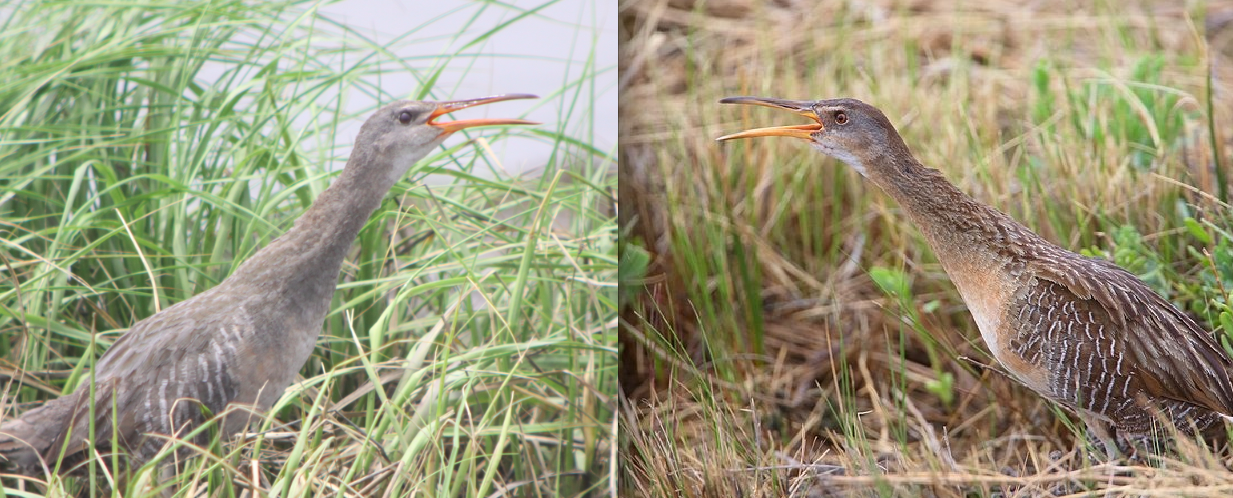
Have you ever wondered which birds act like rails? If you’re curious about birds that share similar habits and behaviors with rails, you’re in the right place.
Understanding these similarities can change the way you watch and appreciate birds in your own backyard or during your next nature walk. By the end of this article, you’ll know exactly which birds move quietly, hide skillfully, and behave just like rails.
Ready to discover your new favorite feathered friends? Let’s dive in!

Credit: besgroup.org
Rails Behavior Traits
Rails share shy and secretive behaviors with birds like crakes and coots. These birds prefer dense wetlands and move quietly through thick vegetation. Their habits include hiding, quick flight, and soft calls, making them hard to spot.
Rails are fascinating birds known for their elusive behavior and unique traits. As you explore the behavior of rails, you’ll notice they share similarities with other bird species. Understanding these traits can provide a deeper insight into the world of birds and their intriguing lifestyles. Let’s delve into the specifics of rail behavior and see how they compare to other birds.Habitat Preferences
Rails are usually found in wetlands, marshes, and dense vegetation. They thrive in areas with abundant water and thick cover, making it easier to hide from predators. Other birds, like the American Bittern and Sora, also prefer these habitats, making them similar to rails. Have you ever noticed how these birds seem to vanish into the reeds? Their habitat choices are a testament to their survival instincts.Feeding Habits
Rails are opportunistic feeders, often foraging for insects, small fish, and plant matter. Their diet is diverse, adapting to what’s available in their environment. Similarly, birds like the Virginia Rail and the Common Moorhen display comparable feeding strategies. Isn’t it fascinating how these birds can thrive on such varied diets? Their adaptability is truly remarkable.Flight Patterns
Rails are not known for graceful flight. They tend to fly short distances and prefer running or walking through dense vegetation. Birds like the Clapper Rail and King Rail share this trait, often staying close to the ground. Ever watched a rail scuttle across a marsh? Their flight patterns reveal a preference for stealth over speed, a strategy that keeps them safe in their habitats.Social Interactions
Rails are generally solitary or found in pairs, particularly during breeding season. Their interactions are often limited to mating and raising young. Similarly, birds such as the Least Bittern and Sora exhibit minimal social behavior. Have you ever wondered why some birds are more social than others? Observing these solitary habits can shed light on their life strategies and survival tactics. By exploring these behavior traits, you gain a greater appreciation for the similarities and differences among bird species. Which behaviors surprised you the most?
Credit: allbirdsoftheworld.fandom.com
Birds With Similar Habitats
Birds similar to rails often share their habitats. These areas are usually dense wetlands, full of reeds, marsh plants, and shallow water. Such environments provide shelter and food, helping these birds thrive. Understanding these habitats reveals much about their behavior and survival.
Coots And Their Wetland Life
Coots live in freshwater lakes and marshes. They prefer dense vegetation near water edges. This habitat gives them protection from predators. Coots feed on aquatic plants, insects, and small fish. Their behavior is secretive, much like rails. They swim well but often hide in reeds.
Gallinules In Marshes
Gallinules inhabit marshy wetlands with tall grasses. They move quietly through water plants and mud. Their diet includes seeds, insects, and small aquatic creatures. Gallinules use their long toes to walk on floating vegetation. This habitat helps them avoid danger and find food. Their behavior closely mirrors that of rails.
Feeding And Foraging Similarities
Birds similar to rails share many feeding and foraging habits. These species often hunt in wet, grassy, or marshy areas. Their feeding styles reveal interesting parallels, showing how they adapt to their environments for survival. Understanding these similarities helps us appreciate their behavior and ecological roles.
Snipe’s Ground Feeding
Snipes feed mainly on the ground, probing mud with their long bills. They search for insects, worms, and small invertebrates hidden beneath the surface. Their quick, darting movements help them catch prey efficiently. Like rails, snipes prefer wet habitats where food is abundant. Their feeding involves patience and precision, often standing still before striking.
Bitterns’ Diet And Hunting Style
Bitterns hunt quietly in shallow water or dense reeds. They eat fish, amphibians, and insects, using stealth to approach prey. Their slow, deliberate movements resemble rails’ cautious foraging. Bitterns often freeze to blend in, then strike suddenly. This hunting style suits their marshy homes, where food hides in thick vegetation.
Flight And Movement Comparisons
Flight and movement styles define many bird species and help identify similarities. Rails share unique flight traits with some birds. Their movements through dense habitats also show interesting parallels. Understanding these can reveal how nature shapes flight and agility.
Crakes’ Flight Behavior
Crakes have a flight style close to rails. They fly short distances quickly. Their wings beat fast to lift them from dense ground cover. Crakes avoid long flights and stay near wetlands.
Both rails and crakes prefer low, quick flights. They use bursts of speed to escape danger. Their flights are often noisy, with rapid wing flaps. These birds rarely soar or glide. Instead, they rely on fast, direct flights to move swiftly.
Plover’s Quick Movements
Plovers differ from rails but share quick, alert movement. They run fast on open ground, using short bursts of speed. Plovers often stop suddenly and change direction sharply.
Rails move slowly through dense vegetation but burst into quick flights. Plovers stay mostly on open land but remain agile. Both birds show sharp reflexes to avoid predators. Their quick, precise movements help them survive in their habitats.
Social And Nesting Behaviors
Social and nesting behaviors reveal much about how birds live and interact. Birds similar to rails often show fascinating patterns in their daily lives, especially in how they form groups and raise their young. Understanding these behaviors can help you spot and appreciate these elusive birds in the wild.
Swamphens’ Group Dynamics
Swamphens are known for their social nature, often seen in small to medium-sized groups. These birds communicate frequently using loud calls, which helps maintain group cohesion in dense wetlands.
Interestingly, swamphens tend to share territory and cooperate in defending it. This cooperation extends to foraging, where groups search for food together, increasing their chances of success. Have you noticed how their loud calls can seem like a lively conversation? This is their way of staying connected.
Buttonquails’ Nesting Habits
Buttonquails display unique nesting behaviors compared to rails and swamphens. The female typically builds a simple nest on the ground, hidden under vegetation, to keep eggs safe from predators.
After laying eggs, the female often leaves the male to incubate and care for the chicks. This role reversal is quite rare among birds and highlights the diverse strategies in nesting care. If you watch closely, you might spot the male buttonquail actively feeding its young, showing a surprising level of parental dedication.

Credit: besgroup.org
Adaptations For Survival
Birds similar to rails share unique survival adaptations. These traits help them stay safe and thrive in tough environments. Their behaviors often revolve around hiding and quick escapes. Such skills are vital for avoiding predators and finding food.
Camouflage Techniques
Many birds like rails use colors to blend into surroundings. Their feathers match the browns and greens of wetlands. This camouflage makes them hard to spot. Patterns on feathers break up their outline, confusing predators. They often stay still to avoid detection.
Some species also use their environment for cover. They hide in tall grass, reeds, or bushes. This natural shield provides extra protection. Camouflage helps birds stay hidden while searching for food or nesting.
Escape And Defense Mechanisms
Quick movement is a key defense for these birds. They run swiftly through dense plants to escape danger. Some can fly short distances to avoid threats. Silent flight helps them slip away unnoticed.
When threatened, many birds freeze to avoid drawing attention. Others use loud calls to warn nearby birds of danger. Some species use aggressive postures to scare off predators. These behaviors improve their chances of survival in the wild.
Ecological Roles And Impact
Understanding the ecological roles and impact of birds similar to rails helps you see their importance beyond just their appearance or behavior. These birds play vital roles in maintaining the balance of their habitats. Knowing their contributions can change how you appreciate wetlands and the species within them.
Wetland Ecosystem Contributions
Birds like rails are essential players in wetland ecosystems. They help control insect populations by feeding on various invertebrates, which keeps the environment balanced.
These birds also assist in seed dispersal. By moving through dense vegetation, they carry seeds on their feathers or in their droppings, helping plants spread and grow.
Have you ever noticed how healthy wetlands seem vibrant and full of life? That’s partly because birds like rails keep the ecosystem functioning smoothly.
Predator-prey Relationships
Rails and similar birds are both predators and prey, making them crucial in food webs. They hunt insects, small amphibians, and crustaceans, controlling those populations effectively.
At the same time, they serve as food for larger predators such as hawks, snakes, and mammals. This dual role ensures energy flows naturally through the ecosystem.
Think about your local wetland—how might changes in rail populations affect other species you see there? Their presence often indicates a balanced and healthy ecosystem.
Frequently Asked Questions
What Birds Share Similar Behavior With Rails?
Birds like crakes, coots, and gallinules share behaviors with rails. They all prefer dense wetland habitats and are secretive, elusive birds that move quietly through marshes and reeds.
How Do Rails And Crakes Behave Alike?
Rails and crakes exhibit shy, secretive behavior. Both species prefer hiding in dense vegetation and have similar feeding habits, mainly eating insects and small aquatic animals.
Which Bird Species Resemble Rails In Habitat Preference?
Coots and gallinules resemble rails in habitat choice. They inhabit wetlands, marshes, and reed beds, favoring thick cover for nesting and protection from predators.
Are Rails And Gallinules Similar In Social Behavior?
Yes, both rails and gallinules are generally solitary or found in small groups. They avoid open spaces and communicate with soft calls to stay hidden.
Conclusion
Birds that behave like rails share many traits. They stay hidden in dense plants. They move quietly and quickly on the ground. Their calls are soft and secretive. These birds also prefer wet places, like marshes. Watching them teaches us about nature’s quiet side.
Their shy habits make them special to bird lovers. Understanding these similarities helps us protect their homes better. Keep exploring and enjoy the subtle beauty of these birds. They remind us that silence has its own charm.