
Have you ever wondered why birds seem to get so much attention in animal behavior studies? You might be surprised to learn just how many research projects focus on our feathered friends.
Understanding this can change how you see animals and their actions around you. You’ll discover the reasons behind the strong focus on birds in scientific studies and what makes them stand out. Keep reading, and you’ll gain new insights that could change your perspective on animal behavior forever.

Credit: bioone.org
Birds In Animal Behavior Research
Birds play a significant role in animal behavior research. Scientists find them fascinating subjects due to their diverse behaviors and adaptability. Their intriguing characteristics offer valuable insights into animal behavior. This makes birds an important focus in many studies.
Popular Bird Species Studied
Researchers often study specific bird species to understand behavior patterns. These species include sparrows, pigeons, and crows. Sparrows are known for their social behavior and adaptability. Pigeons are famous for their navigation skills. Crows demonstrate problem-solving abilities and intelligence.
Reasons For Bird Focus
Birds are easy to observe in natural settings. Their behaviors are diverse and easily documented. Researchers can study them in various environments. Birds also adapt well to different habitats. This adaptability provides rich data for behavior analysis. Their vocalizations and social interactions are complex. This complexity helps in understanding communication and social dynamics.
Comparing Bird Studies With Other Animals
Animal behavior studies cover many species. Birds often gain more attention in research. Comparing bird studies with others shows unique trends. Different animals provide diverse insights into behavior.
Mammals Vs Birds In Research
Mammals share many traits with humans. This makes them popular for behavior studies. Primates, rodents, and carnivores often appear in research. Birds, however, show complex behaviors too. Vocal learning, migration, and social bonding attract scientists.
Bird studies focus on flight, communication, and mating rituals. Mammal studies emphasize social structures and problem-solving skills. Both groups help us understand cognition and adaptation. Birds often offer easier observation in the wild.
Reptiles And Amphibians In Behavior Studies
Reptiles and amphibians receive less research attention. Their behaviors are less complex or harder to observe. Studies often examine survival tactics, such as camouflage or hunting. These animals reveal basic instincts and environmental responses.
Birds provide richer data on learning and social interaction. Reptile and amphibian studies remain important for evolutionary context. Each animal group contributes unique knowledge to behavior science.
Key Findings From Bird Behavior Studies
Bird behavior studies have revealed fascinating insights that challenge how we think about intelligence and communication in the animal kingdom. These studies highlight the complexity of bird interactions and their ability to adapt to environments in surprising ways. Understanding these behaviors can change how you perceive everyday encounters with birds around you.
Communication And Song Learning
Birds use songs and calls not just to attract mates but to convey detailed information. Research shows that some species can learn new sounds throughout their lives, much like humans learning languages. This ability to mimic and innovate in communication raises questions about how flexible animal learning really is.
Have you ever noticed how some birds in your neighborhood sound different from those in other areas? This variation is a direct result of song learning influenced by their environment and social groups.
Social Structures And Group Dynamics
Birds often form complex social groups with defined roles, similar to small communities. Studies reveal that some species cooperate in tasks like defending territory or finding food. This cooperation improves survival rates and shows that social intelligence is not exclusive to mammals.
Think about how understanding these social patterns could help you design better teamwork strategies. Birds teach us that clear roles and communication lead to success.
Problem Solving And Tool Use
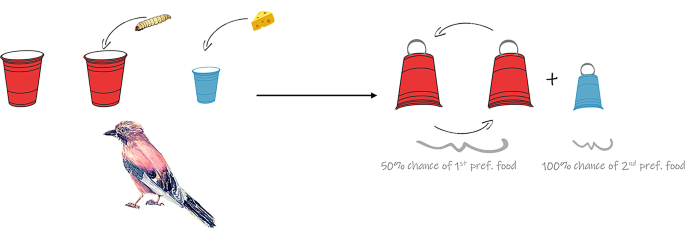
Many birds demonstrate remarkable problem-solving skills, sometimes using tools to access food or solve puzzles. New Caledonian crows, for instance, craft sticks to extract insects from tight spaces. This ability to plan and modify tools shows a level of cognitive flexibility that few animals possess.
Next time you watch a bird at a feeder, consider how its actions might reflect complex thinking rather than simple instinct. What does this tell you about intelligence beyond humans?
Credit: link.springer.com
Research Methods Used With Birds
Studying bird behavior involves various research methods. These methods help scientists learn about how birds act, communicate, and adapt to their environment. Researchers choose methods based on the questions they want to answer. Each method offers unique insights and has its own strengths.
Field Observations
Field observations involve watching birds in their natural habitat. Scientists record behaviors like feeding, mating, and flying. This method shows birds’ real-life actions without interference. It helps understand social interactions and environmental effects on birds.
Researchers use tools like binoculars and notebooks. They often stay quiet to avoid disturbing the birds. Long-term observations reveal patterns and changes over time. This method provides rich, natural data about bird behavior.
Laboratory Experiments
Laboratory experiments allow scientists to control the environment. Birds can be tested on memory, learning, and problem-solving. This setup helps isolate specific factors influencing behavior. Experiments often use mazes, puzzles, or controlled sounds.
This method provides clear cause-and-effect results. It helps test hypotheses that are hard to observe in the wild. Birds’ responses in labs can reveal their cognitive abilities and instincts.
Technological Advances
New technology enhances bird behavior research. GPS trackers follow migration and movement patterns. High-speed cameras capture fast or subtle behaviors. Audio recorders collect bird songs and calls for analysis.
Data from technology improves accuracy and scope of studies. Remote sensing tools reduce human impact on birds. Technology allows large-scale studies across different locations and times.
Impacts Of Bird Behavior Research
Bird behavior research has far-reaching impacts that go beyond understanding these creatures alone. It touches on conservation, offers clues about human behavior, and shapes how studies on other animals are conducted. Each of these areas reveals why so many animal behavior studies favor birds.
Conservation Efforts
Studying bird behavior helps protect endangered species and their habitats. By observing migration patterns, nesting habits, and feeding behaviors, researchers provide critical information for creating effective conservation plans.
You might wonder how something as simple as watching birds can save entire ecosystems. Well, birds often serve as indicators of environmental health, signaling changes before other species do. This early warning helps you and conservationists take timely action.
Insights Into Human Behavior
Birds display complex social interactions, communication, and problem-solving skills that mirror aspects of human behavior. Researchers have found parallels in how birds form relationships, cooperate, and even use tools.
Imagine watching a crow solve a puzzle to get food. This behavior challenges the idea that humans are the only ones capable of advanced thinking. It pushes you to reconsider the roots of intelligence and social behavior in your own life.
Influence On Other Animal Studies
Bird behavior research often sets the stage for studies on mammals, reptiles, and insects. The methods developed to track and interpret bird actions provide a blueprint for examining other animals.
For example, techniques used to study bird communication have been adapted to understand dolphin clicks and primate calls. This cross-species influence makes bird research a cornerstone for broader animal behavior science.
Credit: www.thetransmitter.org
Challenges In Bird Behavior Research
Studying bird behavior offers fascinating insights but also presents unique challenges that can complicate research efforts. These obstacles range from ethical questions to practical issues in gathering reliable data. Understanding these difficulties helps you appreciate the complexity behind many bird behavior studies.
Ethical Considerations
Working with birds means respecting their well-being and natural habitats. You must ensure that your research does not cause undue stress or harm to these animals. This often limits the types of experiments you can conduct, especially invasive or manipulative studies.
For example, capturing wild birds for observation can disrupt their daily routines and affect their survival. You might ask yourself: is the knowledge gained worth the potential impact on the birds? Balancing scientific goals with ethical responsibility is a constant challenge in this field.
Data Collection Difficulties
Collecting accurate data on birds is often tricky because many species are highly mobile and elusive. You may find yourself waiting hours or even days just to observe a single behavior. Weather conditions, time of day, and seasonal changes also play a huge role in what you can record.
Technology like tracking devices helps but can be expensive and sometimes interfere with natural behavior. How do you decide which methods are most effective without disturbing the birds too much? This question keeps many researchers thinking creatively.
Species-specific Limitations
Not all birds behave the same way, which means you can’t always generalize findings from one species to another. Some birds are social, while others prefer solitude; some are easy to observe in captivity, others only in the wild.
This diversity means you often need specialized knowledge and tools tailored to each species. It also means your research might only apply to a narrow group rather than all birds. Have you considered how these limits might shape your study’s conclusions?
Frequently Asked Questions
How Many Animal Behavior Studies Focus On Birds?
Around 30-40% of animal behavior studies primarily focus on birds. Birds’ complex behaviors attract researchers worldwide. Their diverse species offer rich insights into communication, mating, and migration patterns.
Why Do Researchers Favor Birds In Behavior Studies?
Researchers favor birds due to their diverse behaviors and adaptability. Birds show complex communication and social structures. They are easy to observe in natural and controlled environments, making them ideal study subjects.
What Bird Behaviors Are Most Studied In Research?
Most studies focus on bird communication, mating rituals, and migration. Researchers also explore feeding habits, territoriality, and social interactions. These behaviors help understand broader ecological and evolutionary patterns.
How Does Bird Behavior Research Benefit Science?
Bird behavior research advances knowledge of ecology and evolution. It helps in conservation efforts and understanding environmental changes. Insights from bird studies often apply to other animal species as well.
Conclusion
Birds often take the lead in animal behavior studies. Their diverse actions help scientists learn about nature. These studies show how birds communicate, solve problems, and adapt. This knowledge can guide efforts to protect wildlife. Birds’ behaviors also reveal patterns useful across many species.
Studying them helps us understand animal life better. Research continues to highlight their importance in science. Observing birds offers simple clues to complex questions. Their role in behavior studies remains strong and growing.