
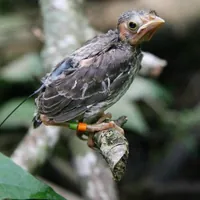
Have you ever wondered how some birds manage to trick others into raising their babies? Brood parasite birds have a clever way of learning behaviors that let them sneak their eggs into other nests.
Understanding how these birds learn can change the way you see nature’s survival strategies. You’ll discover the fascinating steps behind their unique behavior and why it’s so effective. Keep reading to uncover the secrets of brood parasite birds and what makes their learning process so special.
Brood Parasites Explained
Brood parasites are a fascinating group of birds that have evolved a unique survival strategy. Instead of raising their own young, they lay their eggs in the nests of other birds, leaving the unsuspecting hosts to care for their offspring. This behavior has sparked curiosity and admiration for its cunning simplicity, but how do these parasitic birds learn to perfect such a strategy?
Common Brood Parasite Species
There are several species known for their brood parasitic behavior. The most famous is the common cuckoo, which is notorious for its deceptive egg-laying tactics. Brown-headed cowbirds in North America are also skilled brood parasites, often laying eggs in the nests of more than 200 different bird species.
Other lesser-known species include the honeyguide, which targets bee-eater nests, and the whydah, which mimics the egg patterns of its host species. Each species has its own unique approach to ensure its young are raised by unsuspecting host parents.
Impact On Host Birds
The presence of brood parasites can have significant effects on host birds. Host species often suffer from reduced reproductive success as they expend energy raising the young of another species. This can lead to fewer resources and less attention for their own chicks, sometimes resulting in their demise.
Some host birds have developed defenses, such as recognizing and rejecting foreign eggs. However, the arms race between parasites and hosts often leads to increasingly sophisticated mimicry by the parasites. This ongoing battle highlights the intricate dynamics of evolution at play in nature.
Have you ever witnessed a brood parasite in action? The subtlety and strategy involved can be both surprising and thought-provoking, reminding us of nature’s endless ingenuity.
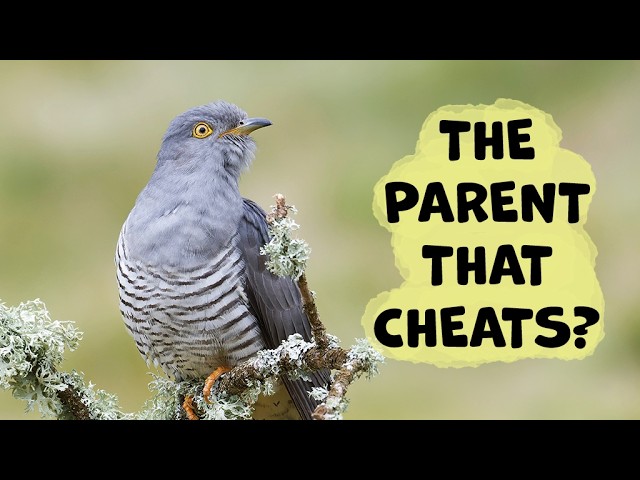
Credit: www.youtube.com
Innate Vs Learned Behavior
Brood parasite birds display behaviors that raise questions about what is inherited and what is learned. These birds rely on other species to raise their young. Their behavior involves a mix of instincts and experiences. Understanding the balance between innate and learned actions helps explain how they survive and adapt.
Genetic Instincts In Parasites
Brood parasites inherit many key behaviors through their genes. These instincts guide them to find host nests. They know how to lay eggs that mimic the host’s eggs. This mimicry helps avoid detection by host birds. Parasite chicks also show instinctive behaviors to get fed.
- Egg mimicry is hardwired in their DNA.
- Nest searching and selection are instinctive.
- Chicks hatch early and push out host eggs naturally.
These actions require no learning from parents. They appear automatically in the parasite’s life cycle.
Role Of Experience And Environment
Experience shapes some parasite behaviors after hatching. Parasite chicks learn how to beg for food effectively. They adapt their begging to match host chicks’ calls. This learning increases their chance of survival.
Environmental factors also influence parasites. Parasites may improve nest-finding skills with practice. They learn which host species accept their eggs best. This knowledge helps them choose nests more wisely.
- Parasite chicks adjust calls based on surroundings.
- Adults refine nest selection through trial and error.
- Experience helps parasites avoid detection better over time.
Techniques For Host Selection
Brood parasite birds have developed sharp techniques to choose the right host nests. Their survival depends on laying eggs in nests where their young will be accepted and cared for. Understanding these techniques gives you a glimpse into nature’s complex behaviors.
Identifying Suitable Nests
Brood parasites watch for nests that match their egg appearance and size. They observe potential hosts closely to see if the species is likely to raise a foreign chick without rejecting it. Some parasites even learn to recognize specific bird species by their nest structure or location.
You might wonder how they avoid nests with aggressive parents. The answer lies in subtle cues: parasites often target nests where the host bird shows less defensive behavior. This careful observation increases the chance their eggs won’t be noticed or removed.
- Look for nests with similar egg colors and patterns
- Choose nests in safe, concealed spots
- Prefer hosts with lower nest defense
Timing Of Egg Laying
Timing is crucial for brood parasites. They lay their eggs when the host bird has just started incubating its own clutch. This ensures the parasite’s egg hatches first or simultaneously, giving the chick a competitive edge.
Imagine you arrive late to a dinner party; your chances of getting a good seat drop. The same applies here—parasite birds must be punctual. They often monitor host nests daily to catch the perfect moment.
- Lay eggs during the host’s early incubation phase
- Synchronize hatching times to outcompete host chicks
- Adjust timing based on host species’ breeding cycle
Mimicry And Adaptation
Brood parasite birds have evolved fascinating ways to survive by relying on other species to raise their young. Their success hinges on mimicry and adaptation, which help them trick host birds into accepting their eggs and chicks. Understanding these clever strategies reveals how behavior can be learned and refined through natural selection.
Egg Appearance Matching
Brood parasites often lay eggs that closely resemble those of their host species. This mimicry helps avoid detection and rejection by the host bird. The subtle differences can be so precise that even experts sometimes struggle to tell them apart.
Parasite birds achieve this by developing eggs with similar colors, patterns, and size. They don’t learn this behavior during their lifetime; instead, it is passed down genetically. This adaptation increases the chances that the host will incubate the foreign egg without suspicion.
Have you ever wondered how the parasite bird knows which nest to target? They often observe and remember the host’s egg characteristics before laying their own. This behavior shows a mix of instinct and learned timing, ensuring their eggs blend in perfectly.
Chick Behavior And Vocal Mimicry
Once hatched, brood parasite chicks also mimic the behavior and calls of their host siblings. This vocal mimicry reassures the foster parents that their chick belongs in the nest. It’s a survival tactic that reduces the risk of being abandoned or fed less.
Some parasite chicks even imitate the begging calls of multiple host chicks to demand more food. This clever trick can increase their nourishment at the expense of the real offspring. The imitation is learned quickly after hatching by listening to their nest mates.
Have you noticed how some birds respond more to sound than appearance? Parasite chicks exploit this by perfecting their calls early on. This adaptation highlights how behavior can be flexible and shaped by immediate surroundings, not just genetics.
Social Learning In Brood Parasites
Social learning plays a key role in how brood parasite birds develop their unique behaviors. These birds do not raise their own young. Instead, they rely on other bird species to care for their offspring. Learning from others helps them perfect this complex strategy.
Brood parasites observe and mimic behaviors that increase their chances of success. Social cues guide them in finding suitable host nests and timing their egg-laying. This learning process reduces trial and error and improves survival.
Observational Learning
Brood parasites watch other adults closely. They observe how experienced birds find and select host nests. Young parasites learn which host species are best for laying eggs.
By copying these actions, they avoid common mistakes. Observation helps them understand how to sneak eggs into nests quickly. This skill is vital because host birds often reject foreign eggs.
Influence Of Adult Parasites
Adult brood parasites influence younger birds beyond just observation. They sometimes lead or guide young birds to good nesting sites. This direct interaction teaches important survival skills.
Adults also show how to behave around host birds without raising alarms. These social interactions shape the young parasites’ strategies. Learning from adults increases the chances of successful reproduction.
Challenges In Learning And Survival
The journey of a brood parasite bird is filled with obstacles that test its ability to learn and survive. These birds don’t raise their own young; instead, they rely on other species to do the hard work. This unique lifestyle brings a host of challenges that shape their behavior and survival strategies.
Host Defenses
Host birds have evolved clever defenses to spot and reject parasite eggs. Some hosts recognize eggs that look different and throw them out of the nest. Others abandon the nest altogether if they detect a foreign egg.
This means brood parasites must be very precise in mimicking the appearance of host eggs. They learn through generations which hosts are easier to trick and which are more vigilant. Your curiosity might lead you to wonder: how do parasites keep up with host defenses that constantly evolve?
Competition Among Parasite Chicks
Once a parasite chick hatches, it faces another challenge: competing with its nest mates. Often, the parasite chick will push out the host’s eggs or chicks to monopolize food and attention. But what if multiple parasite chicks hatch together?
Competition can become intense, forcing chicks to develop aggressive behaviors early on. This survival struggle teaches them how to dominate and outcompete others, crucial lessons for their future as parasites. Have you ever thought about how harsh sibling rivalry shapes an animal’s behavior?
Research Methods And Discoveries
Understanding how brood parasite birds learn their unique behaviors requires detailed research methods that uncover both natural and experimental insights. Scientists use a mix of observing these birds in their natural habitats and controlled experiments to piece together how these clever birds develop their strategies. This blend of research reveals surprising details about their learning process and adaptability.
Field Studies
Watching brood parasite birds in the wild offers direct clues about their behavior. Researchers track them closely, noting how they select host nests and interact with other birds. These observations help identify patterns, such as whether young parasites follow adults or rely on instinct.
One fascinating discovery from fieldwork is how some brood parasites time their egg-laying perfectly to match the host’s cycle. This precision suggests a complex learning process tied to environmental cues. Have you ever wondered how they know exactly when to act without being taught?
Field studies also reveal the diversity in parasitic strategies across different species and regions. This shows that learning isn’t one-size-fits-all but adapts to local conditions. Your curiosity about animal intelligence might deepen when you see how flexible these birds can be.
Experimental Approaches
Controlled experiments allow scientists to test specific questions about brood parasite behavior. By manipulating variables like host availability or nest conditions, researchers can observe how parasites adjust their tactics. This helps separate learned behavior from instinctive actions.
Experiments have shown that some brood parasites can recognize their own eggs and even remove others from the nest. This implies a level of cognitive skill acquired through experience. Imagine if you had to develop such precision early in life—how would that shape your learning?
Another key finding is that young brood parasites sometimes practice egg mimicry by watching their surroundings or interacting with host species. This challenges the idea that their behavior is purely genetic. You might start to see how nature and nurture work together in surprising ways.

Credit: m.youtube.com

Credit: m.youtube.com
Frequently Asked Questions
How Do Brood Parasite Birds Learn To Mimic Host Behavior?
Brood parasite birds inherit instinctive behaviors that guide them to mimic host eggs and calls. They refine skills through trial and error during early life stages. This learning helps them successfully deceive host parents and increase their survival chances.
What Role Does Instinct Play In Brood Parasite Behavior?
Instinct drives brood parasites to identify suitable host nests and lay eggs quickly. This natural behavior is crucial for their survival and reproduction. Learned adaptations then improve their mimicry and timing, enhancing the parasitism success rate.
Can Brood Parasite Birds Adapt To New Host Species?
Yes, brood parasites can adapt through behavioral flexibility and learning. They observe and adjust to different host species’ nesting habits and defenses. This ability allows them to exploit a wider range of hosts over time.
How Do Young Brood Parasites Learn Host Identification?
Young brood parasites recognize host species by imprinting on the environment and host cues. This early learning helps them select appropriate nests when they mature. Accurate host identification is vital for their reproductive success.
Conclusion
Brood parasite birds learn their behavior through instincts and observation. They watch other birds to find nests to use. This skill helps them survive and raise their young. Understanding this behavior shows how nature adapts in unique ways. It reveals the clever strategies animals use every day.
Studying these birds can teach us more about animal learning. Their actions are simple but smart. Nature’s lessons, right before our eyes.