
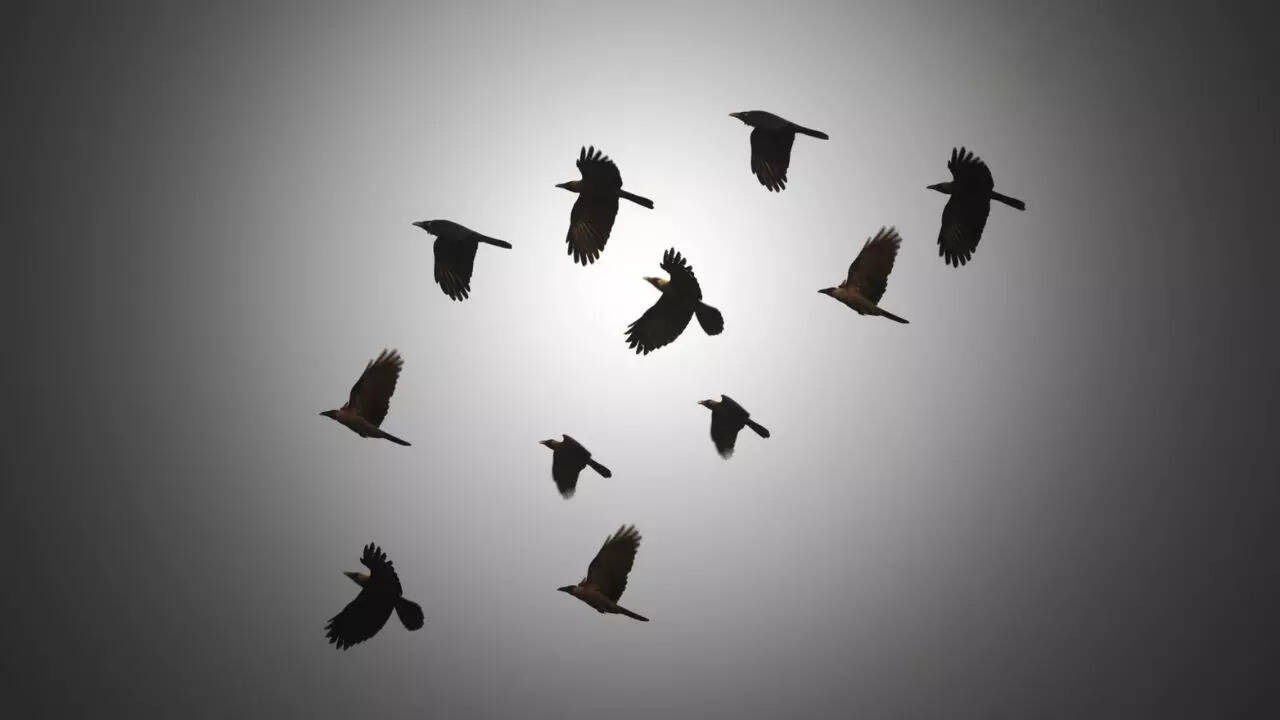
Have you ever stopped to watch a flock of birds moving together in perfect harmony? It’s more than just a beautiful sight—it holds powerful lessons about how we, as humans, behave in groups.
When you understand what bird flocks teach us about human behavior, you’ll start seeing your own social interactions in a whole new light. This insight can help you improve your relationships, make better decisions, and even boost your teamwork skills.
Keep reading to discover the surprising connections between the skies above and the world around you.
Patterns In Bird Flocks
Bird flocks move together in smooth, coordinated patterns that show teamwork and quick decision-making. These behaviors mirror how people cooperate and respond in groups. Observing birds helps us understand the power of unity and communication in human life.
Bird flocks are a marvel of nature, demonstrating intricate patterns that captivate observers. These patterns are more than just a spectacle; they offer insights into human behavior. By examining how birds coordinate, communicate, and lead, we can learn valuable lessons applicable to our daily lives.Movement Coordination
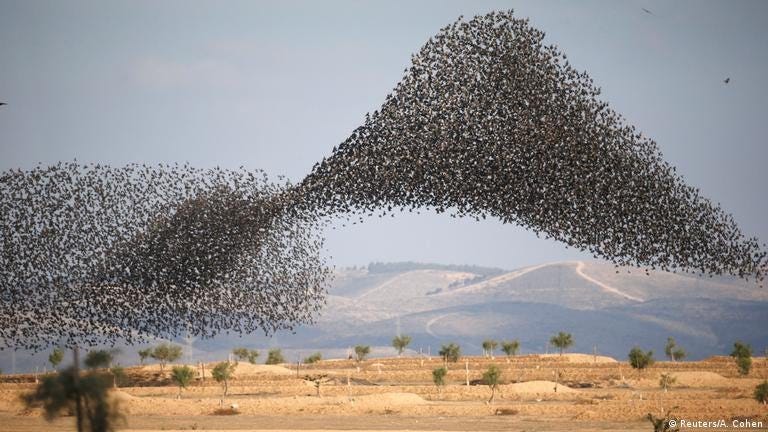
The synchronized movements of bird flocks are astounding. Imagine watching a flock of starlings in a murmuration, shifting and swirling across the sky. This coordination isn’t random; it’s a result of each bird responding to its neighbors, creating a fluid, cohesive movement. Consider how you coordinate with others in a team. Are you aware of your surroundings and the actions of your peers? Birds teach us the importance of being attuned to those around us, ensuring harmony and efficiency in group settings.Communication Methods
Birds have sophisticated ways to communicate. They use visual signals, sounds, and even changes in flight speed to convey messages. These methods ensure the flock remains unified and responsive to threats. Think about how you communicate in your relationships. Are your messages clear and timely? Birds remind us that effective communication is crucial for maintaining strong connections and achieving common goals.Leadership Roles
In a flock, leadership is dynamic. Different birds take the lead at different times, depending on their energy levels and expertise. This flexible leadership style ensures the flock’s resilience and adaptability. Reflect on your leadership approach. Do you allow for fluid leadership dynamics in your group? By embracing adaptive leadership, inspired by bird flocks, you can foster an environment where everyone feels empowered to contribute. Bird flocks demonstrate that patterns in nature can teach us about human interaction. As you observe these patterns, consider how they relate to your own behaviors and relationships. What adjustments could you make to improve your coordination, communication, and leadership? The lessons from birds are not just about survival in nature; they’re about thriving in our complex human world.
Credit: lafeber.com
Social Bonds In Flocks
Bird flocks offer a fascinating glimpse into the power of social bonds. These connections are the glue that keeps groups together, ensuring survival and success. Understanding these bonds can help you reflect on how your own relationships work in your personal and professional life.
Group Cohesion
Flocks stay tight not just by chance but through strong group cohesion. Birds align their movements and share responsibilities, creating a unified front against threats. Think about your own groups—teams at work or friend circles—and how staying connected helps everyone move forward smoothly.
What small actions do you take to keep your group connected? Like birds adjusting their position in flight, your willingness to adapt can make a big difference in maintaining harmony.
Trust And Cooperation
Trust is the foundation of cooperation in bird flocks. Each bird relies on others to watch for danger or find food, knowing everyone will play their part. This mutual trust reduces stress and boosts collective success.
Consider how you build trust in your own circles. Do you communicate openly? Share responsibilities? Birds don’t waste energy doubting each other, and neither should you.
Conflict Resolution
Even in flocks, conflicts arise—whether over space or leadership. Birds resolve these tensions quickly, often through subtle gestures or brief displays rather than prolonged fights. This keeps the group focused on survival rather than division.
How do you handle conflicts in your groups? Can you learn from birds to address issues early and calmly, preventing bigger problems? Your ability to settle disputes can strengthen your social bonds just like it does in the skies.
Decision-making Dynamics
Decision-making within bird flocks reveals a fascinating balance between individual input and group consensus. These dynamics shape how birds choose direction, avoid danger, and find food together. Observing this can offer you fresh perspectives on your own decision-making processes in teams and communities.
Collective Choices
Birds don’t rely on a single leader to make decisions. Instead, they use a collective approach where many voices contribute to the final choice.
Each bird adjusts its movement by watching neighbors, creating a ripple effect that guides the whole flock. This shows how groups can reach decisions that no individual could make alone.
Think about your work group or social circle: how often do you let everyone’s input shape the final outcome? Could your decisions improve if you listened more closely to the subtle cues from others?
Influence Of Individuals
Even though decisions are collective, some individuals have more sway. These are often birds with better information or stronger confidence.
In your daily life, you might notice how certain people naturally influence group choices. Recognizing who these influencers are can help you understand why some decisions gain traction faster.
Consider moments when one person’s opinion changed the direction of a conversation or project. What made their input stand out? How can you become more effective in guiding group decisions?
Adaptive Responses
Bird flocks constantly adjust to new information—like a sudden predator or changing weather. Their decisions aren’t fixed but evolve quickly.
This adaptability teaches you the value of staying flexible. When unexpected challenges arise, being open to shifting your plans can lead to better outcomes.
Next time your team faces a surprise, ask yourself: Are you clinging to old ideas, or are you ready to change course like a flock in flight?
Credit: medium.com
Lessons For Human Teams
Bird flocks offer more than just a natural spectacle—they reveal how individuals thrive in groups by syncing their actions and decisions. Observing these patterns can provide valuable lessons on how human teams function and how you can improve your own group’s dynamics. Understanding these lessons helps create stronger, more adaptive teams that handle challenges smoothly and communicate effectively.
Effective Collaboration
Birds move as one because each member adjusts to the movements of neighbors instantly. This shows how crucial it is for your team to stay aware of each other’s actions and respond quickly.
Try to create a work environment where everyone feels responsible not just for their tasks but also for supporting others. When you share updates frequently and check in on progress, your team can adjust faster to changes.
Think about times when your team succeeded because members stepped in to help without waiting for instructions. How can you encourage more of that spontaneous cooperation?
Navigating Group Challenges
Flocks face obstacles like predators or sudden weather changes, yet they adapt without chaos. This teaches your team the importance of staying calm and flexible when unexpected problems arise.
Encourage your team to develop a mindset that views challenges as opportunities to find new paths rather than barriers. You might try quick brainstorming sessions during tough spots to gather fresh ideas.
Ask yourself: Does your team have a clear way to make decisions under pressure? Birds show that clear roles and trust help groups navigate challenges smoothly.
Enhancing Communication
Birds rely on subtle signals—like changes in speed or direction—to stay coordinated. This highlights how vital clear, timely communication is for your team’s success.
Focus on improving how your team shares information. Simple tools like brief daily check-ins or shared digital boards can prevent misunderstandings and keep everyone aligned.
Consider whether your communication style allows every member to contribute ideas freely. Birds benefit from everyone’s input, and your team can too.
Impacts On Leadership Styles
Bird flocks offer surprising lessons for human leadership styles. Their group behavior shows how leaders and members interact naturally. These lessons help shape better leadership in human teams and organizations. Observing flocks reveals key traits like shared roles, member empowerment, and quick adaptation.
Shared Leadership
In bird flocks, leadership is not fixed. Different birds take the lead at different times. This shared leadership spreads responsibility and reduces pressure on one individual. It encourages teamwork and trust among members. Human leaders can learn to share power and involve others in decision-making. This builds stronger, more balanced teams.
Empowering Members
Birds in a flock support each other’s movements. Each bird plays a vital role in the group’s safety and direction. This shows how empowering members boosts overall success. When people feel valued and trusted, they contribute more. Leaders who empower their teams create motivated and engaged members. Empowerment also leads to better problem-solving and creativity.
Flexibility And Adaptation
Flocks change direction quickly to avoid danger or find food. This flexibility is key to their survival. Human leaders can adopt this by staying open to new ideas and changing plans fast. Adaptable leadership helps teams face challenges and uncertainties with confidence. Flexibility keeps groups resilient and ready for anything.
Applying Flock Behavior To Society
Bird flocks move with purpose and precision, showing us how individuals can work together seamlessly. Their behavior offers a clear lens to examine how humans might improve social structures. Understanding these patterns can help you rethink your role in your community and beyond.
Community Building
Birds rely on each other for safety and success, forming tight-knit groups that function as a unit. In your community, fostering trust and clear communication mirrors this approach. Small acts like sharing resources or offering support create stronger bonds, just like birds flying in formation.
Think about your neighborhood or workplace. How often do you take the lead in connecting others? Following the bird flock’s example means valuing every member’s role and encouraging cooperation, not competition.
Crisis Management
When danger strikes, flocks respond instantly, shifting direction without chaos. This rapid adaptation is a survival skill you can apply in emergencies or stressful moments. Staying calm and coordinating with others can prevent panic and lead to better outcomes.
Consider how you react during a sudden problem. Do you freeze or seek collective solutions? Birds teach us that clear signals and trust in the group’s response reduce risk and improve recovery speed.
Cultural Evolution
Birds learn new routes and behaviors by watching each other, passing knowledge through generations. This highlights how culture and traditions evolve through shared experiences and openness to change.
Ask yourself: How do you contribute to the growth of your culture or organization? By being receptive to new ideas and helping others learn, you help shape a dynamic, resilient community. Bird flocks remind you that progress depends on both preserving wisdom and embracing innovation.

Credit: www.birdwatchingdaily.com
Frequently Asked Questions
What Can Bird Flocks Teach About Teamwork?
Bird flocks demonstrate seamless teamwork through coordinated movements. They show how individuals align goals and communicate effectively. This behavior teaches humans the importance of cooperation and trust in group success.
How Do Bird Flocks Influence Human Social Behavior?
Bird flocks highlight the power of social bonds and collective action. They inspire humans to value community, support networks, and shared decision-making for better outcomes.
Why Do Birds Flock Together In Nature?
Birds flock to increase safety, improve navigation, and find food efficiently. This natural strategy emphasizes the benefits of collaboration and shared resources, applicable to human group dynamics.
Can Bird Flock Behavior Improve Leadership Skills?
Yes, observing bird flocks helps understand adaptive leadership and fluid roles. Leaders guide while allowing flexibility, promoting harmony and effective group functioning, a lesson for human leaders.
Conclusion
Bird flocks show us how teamwork helps everyone. They move as one, sharing information fast. This teaches us to listen and act together. People can learn to trust and support each other more. Small actions by many create big changes.
Nature’s patterns often reflect our own lives. Watching birds can inspire better choices in groups. We grow stronger when we work side by side. Simple lessons from birds can improve how we live. Cooperation leads to success, just like in the sky.