
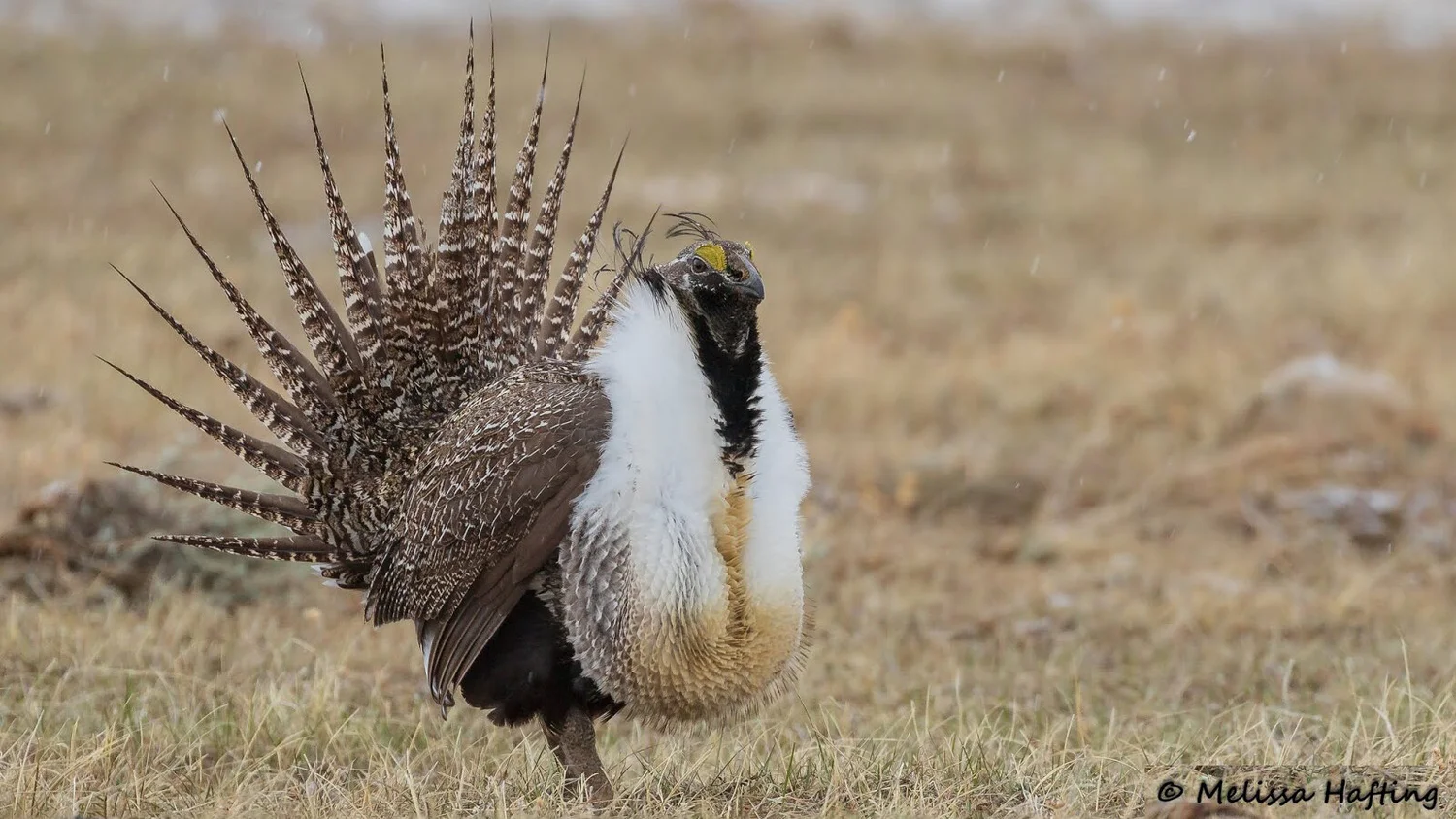
Have you ever wondered which bird calls the vast sagebrush habitat its only home? If you love nature and want to learn about a truly unique bird, this is for you.
Discover the special bird that depends entirely on sagebrush landscapes to survive. By the end of this article, you’ll see why this bird is so important and how it connects to the environment around you. Keep reading to find out more!
Sagebrush Habitat And Its Importance
The sagebrush habitat is a unique and vital ecosystem found primarily in the western United States. Known for its iconic rolling landscapes covered in sagebrush plants, this habitat supports a diverse array of wildlife. Its importance cannot be overstated, as it plays a crucial role in maintaining ecological balance and supporting species that are found nowhere else.
Characteristics Of Sagebrush Ecosystem
The sagebrush ecosystem is characterized by its dominant plant, the sagebrush, which can grow up to three feet tall. This hardy plant thrives in arid climates with low rainfall and extreme temperature fluctuations. The landscape is often dotted with other shrubs, grasses, and wildflowers that add to its biodiversity.
Soil in this habitat is typically sandy or rocky, offering excellent drainage but requiring plants to be drought-resistant. This environment might seem harsh, yet it hosts a rich variety of life. You’ll find everything from small mammals to reptiles and an array of bird species adapted to these conditions.
Geographic Range Of Sagebrush
The sagebrush habitat spans across several states in the U.S., including Nevada, Utah, Wyoming, and parts of Oregon and Idaho. It covers millions of acres, making it one of the largest contiguous ecosystems in North America. This vast range is crucial for species that need large territories for foraging and breeding.
While traveling through these regions, you might notice how the landscape changes subtly from one area to another. Each zone offers unique micro-habitats that support different wildlife. This geographical diversity is what makes the sagebrush habitat so essential for many species’ survival.
Role In Local Wildlife Support
The sagebrush habitat is a lifeline for many animals, particularly birds like the Greater Sage-Grouse. This bird is often regarded as a symbol of the sagebrush ecosystem, relying heavily on the habitat for food and shelter. The dense sagebrush provides cover from predators and harsh weather conditions.
But it’s not just birds that benefit. Mule deer, pronghorn antelope, and various rodent species all depend on the sagebrush for sustenance and protection. The ecosystem also supports various insects, which in turn attract birds and small mammals. Have you ever considered how interconnected these life forms are and how crucial a single plant species can be?
Understanding the importance of this habitat encourages us to appreciate and protect it. Next time you visit a sagebrush landscape, take a moment to observe the life it supports. What role can you play in preserving these natural wonders for future generations?
Sage Grouse Features
The Sage Grouse is a unique bird native only to the sagebrush habitat. Its features are specially suited to survive and thrive in this dry, open landscape. Understanding these features helps us appreciate its role in the ecosystem and the challenges it faces.
Physical Appearance And Size
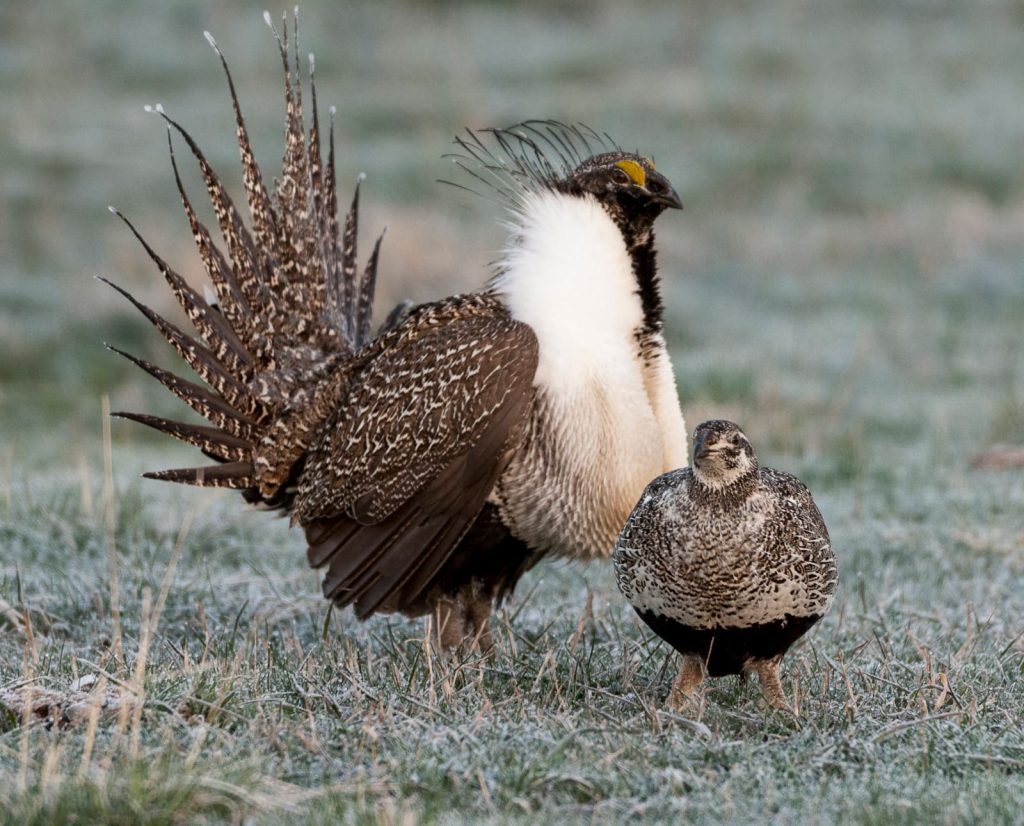
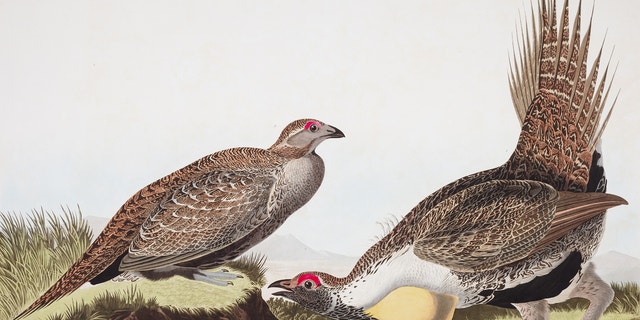
The Sage Grouse is large compared to other grouse species. It measures about 26 to 30 inches in length. Males are bigger than females and have striking plumage. Their feathers show a mix of brown, white, and black patterns. Males have large, fluffy neck feathers called “air sacs.” These sacs inflate during mating displays.
Adaptations To Sagebrush Life
Sage Grouse depend on sagebrush for food and shelter. Their diet mainly consists of sagebrush leaves in winter. Their digestive system can process the tough, bitter leaves. Their feet have feathers that act like snowshoes. This helps them walk on snow without sinking. Their plumage blends well with the dry, brown sagebrush landscape, giving them camouflage from predators.
Behavior And Social Structure
Sage Grouse are famous for their elaborate courtship dances. Males gather in open spaces called leks to perform. They puff up their air sacs and make popping sounds to attract females. These gatherings can include dozens of males. Females visit these leks to choose a mate. Outside of mating season, Sage Grouse form small groups or flocks. They roost and feed together for safety and warmth.
Habitat Specialization
The Sage Grouse is a bird deeply tied to the sagebrush ecosystem. It has evolved to live almost entirely within this unique habitat. This strong link shows how some species depend on very specific environments to survive. Understanding this connection helps us see why protecting the sagebrush is vital for the bird’s future.
Exclusive Dependence On Sagebrush
The Sage Grouse relies on sagebrush for food, shelter, and breeding. It eats mostly sagebrush leaves in winter. The dense sagebrush provides cover from predators and harsh weather. Nesting sites are almost always found under sagebrush plants. This bird rarely leaves this habitat, showing true specialization.
Impact Of Habitat Loss On Sage Grouse
Loss of sagebrush habitat causes a sharp decline in Sage Grouse populations. Farming, urban growth, and wildfires reduce sagebrush areas. Without sagebrush, the birds lose food and safe nesting spots. This disruption leads to fewer chicks surviving each year. The bird’s survival depends on healthy, continuous sagebrush landscapes.
Conservation Challenges
Protecting the Sage Grouse is difficult due to its habitat needs. Conservation efforts must focus on preserving large sagebrush areas. Balancing land use for agriculture and wildlife is complex. Restoring damaged sagebrush is slow and costly. Success depends on cooperation between landowners, governments, and communities.
Credit: projectupland.com
Breeding And Mating Displays
The breeding and mating displays of the bird unique to the sagebrush habitat are fascinating. These behaviors play a key role in attracting mates and ensuring reproduction. The displays include special movements, sounds, and gatherings. Each action has a purpose to impress potential partners. Understanding these rituals reveals much about the bird’s life and environment.
Lekking Behavior Explained
Male birds gather in groups called leks during breeding season. They perform dances and calls to attract females. Each male claims a small territory within the lek. Competition is intense as males try to outshine each other. Females visit these leks to choose the strongest and most attractive mates. This group display helps females compare many males in one place.
Courtship Rituals And Sounds
The bird’s courtship rituals include vibrant feather displays and unique movements. Males puff up their feathers to look larger and more colorful. They also make distinctive calls and songs. These sounds vary in pitch and length, signaling health and vitality. Sometimes, males perform synchronized dances that captivate females. These rituals build attraction and help form pair bonds.
Seasonal Patterns
Breeding and mating behaviors follow strict seasonal timing. The displays start in early spring as days grow longer. Peak activity occurs when sagebrush blooms, providing cover and food. After mating, males reduce displays and focus on defending their territory. Females build nests and raise chicks alone. As seasons change, the birds return to quieter habits until next breeding time.
Diet And Feeding Habits
The diet and feeding habits of the bird that lives exclusively in the sagebrush habitat reveal a fascinating adaptation to a unique environment. Understanding what fuels this bird helps you appreciate how it survives and thrives in a place that looks sparse but offers just the right resources. Let’s examine what this bird eats, how its diet shifts with the seasons, and the smart ways it finds food.
Primary Food Sources In Sagebrush
This bird mainly feeds on the seeds and insects found in and around sagebrush plants. Seeds from sagebrush and other native shrubs provide a rich source of energy. Insects such as beetles, grasshoppers, and ants add essential protein, especially during breeding season.
You might find it surprising that the bird also consumes small berries and leaves occasionally. These plant materials help fill nutritional gaps when insects are less available. This diet mix keeps the bird well-balanced and ready to face the dry, open landscape.
Seasonal Dietary Changes
As the seasons change, so does the bird’s menu. In spring and summer, insects become the main focus due to their abundance and high protein content. This shift supports the bird’s increased energy needs for nesting and raising young.
During fall and winter, the bird relies more heavily on seeds and berries. These tougher food sources are easier to find when insect populations decline. Have you noticed how animals adjust their feeding habits with the seasons around you? This bird’s strategy is a clear example of survival through flexibility.
Foraging Techniques
The bird uses a combination of ground and shrub foraging to locate food. It hops and pecks at the base of sagebrush, flipping leaves and digging slightly in the soil to uncover hidden insects. This hands-on approach requires patience and keen eyesight.
Sometimes, it perches quietly on a branch, watching for movement before striking quickly at passing insects. This method saves energy and increases the chance of a successful catch. Watching this bird in action can teach you a lot about adapting your own search strategies, whether for food or other goals.

Credit: www.allaboutbirds.org
Conservation Efforts
Conservation efforts play a key role in protecting the unique bird found only in the sagebrush habitat. This bird depends on the sagebrush ecosystem for food, shelter, and breeding. Loss of habitat threatens its survival. Protecting and restoring sagebrush lands helps secure the future of this special bird species.
Current Protection Measures
Several laws and policies aim to protect the sagebrush habitat and its bird species. These include:
- Restrictions on land development in critical areas
- Regulations on grazing and farming practices
- Monitoring of bird populations to track health and numbers
Such measures reduce habitat destruction and help maintain stable bird populations.
Restoration Of Sagebrush Habitat
Restoration projects focus on bringing back native sagebrush plants. This helps recreate the bird’s natural environment. Key actions include:
- Removing invasive plants that harm sagebrush growth
- Replanting native sagebrush species
- Controlling wildfires to prevent large-scale damage
Healthy sagebrush areas improve food and nesting sites for the bird.
Community And Government Roles
Both local communities and government agencies share responsibility for conservation. Communities can:
- Participate in habitat restoration events
- Support sustainable land use practices
- Educate others about the importance of sagebrush ecosystems
Government bodies provide funding and enforce protection laws. Together, they create a stronger defense for this rare bird and its home.
Credit: www.audubon.org
Frequently Asked Questions
What Bird Is Exclusive To Sagebrush Habitat?
The sage grouse is the bird found only in sagebrush habitats. It depends on sagebrush for food and shelter.
Why Does Sage Grouse Live Only In Sagebrush?
Sage grouse rely on sagebrush for nesting, cover, and food. Their survival is closely tied to this ecosystem.
How Does Sagebrush Habitat Support Sage Grouse?
Sagebrush provides essential cover and nutritious leaves for sage grouse. It helps protect them from predators and harsh weather.
Are There Conservation Efforts For Sagebrush-dependent Birds?
Yes, conservation programs focus on preserving sagebrush habitats to protect sage grouse and other dependent wildlife species.
Conclusion
The sagebrush habitat hosts a unique bird found nowhere else. This bird depends on the sagebrush for food and shelter. Protecting this habitat helps keep the bird safe. People can enjoy watching this special bird in its natural home. Learning about such birds helps us value nature more.
The sagebrush bird shows how plants and animals connect. Preserving these areas benefits many living things around us. Let’s care for sagebrush lands to protect this rare bird. Nature’s balance relies on places like these.