
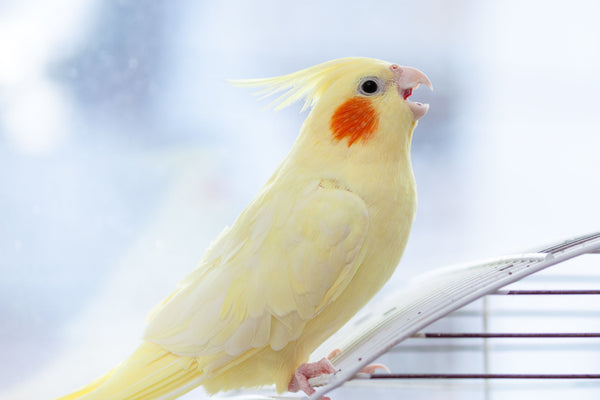
Are you thinking about adding a feathered friend to your home but don’t know where to start? Choosing the right pet bird can feel overwhelming with so many options out there.
You want a bird that fits your lifestyle, matches your personality, and brings joy to your daily routine. This guide will help you discover which bird pet is the perfect match for you. By the end, you’ll feel confident and excited to welcome your new companion.
Ready to find your ideal bird? Let’s dive in!
Credit: lafeber.com
Choosing The Right Bird Species
Choosing the right bird species is essential for a happy pet and owner. Birds have different needs, personalities, and care levels. Picking a species that fits your lifestyle helps ensure a strong bond. It also makes caring for your feathered friend easier and more enjoyable.
Assessing Your Lifestyle
Think about your daily routine and free time. Birds need attention, social interaction, and mental stimulation. Some birds require more care and time than others. Noise level is also important. Some species are louder and more active.
Consider your living space. Small apartments may suit smaller birds better. Larger birds need more room to move and play. Your budget matters too. Bigger birds often cost more for food and toys.
Popular Bird Types
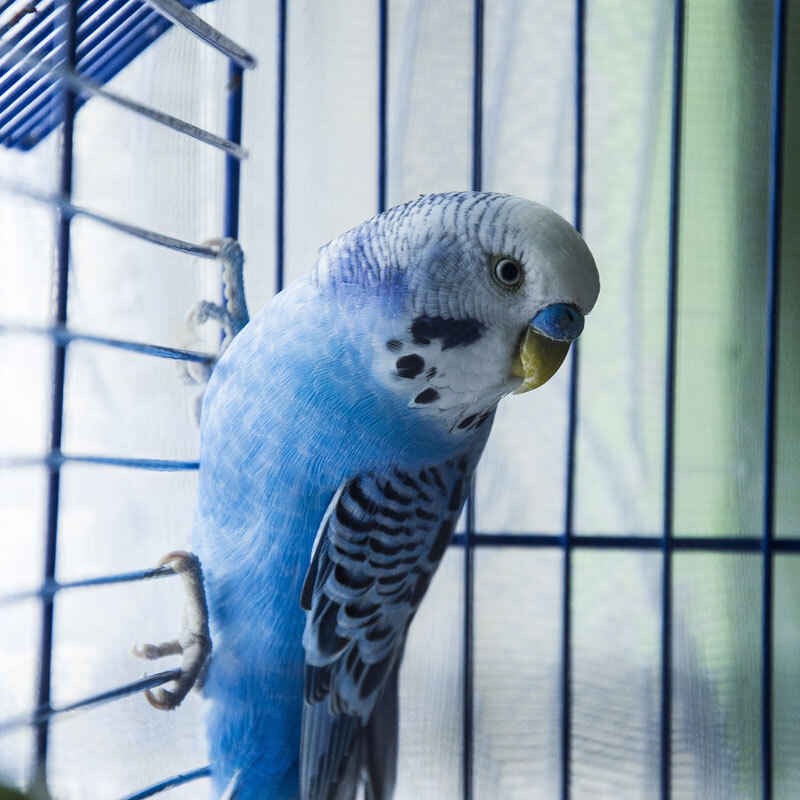
- Budgerigars (Budgies):Small, friendly, and easy to train.
- Canaries:Quiet, colorful, and known for singing.
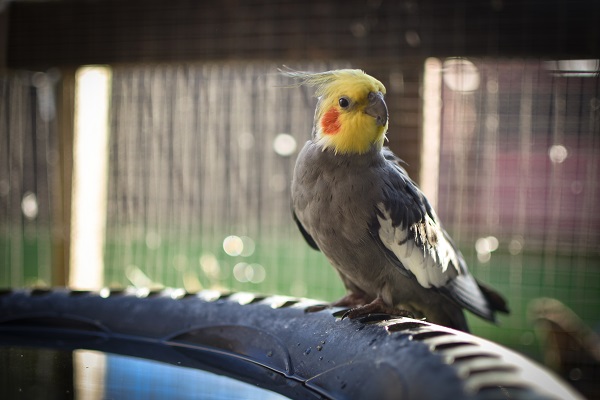
- Cockatiels:Social, affectionate, and good for beginners.
- Lovebirds:Small, playful, and need company.
- Parrots (African Grey, Macaw):Intelligent, talkative, but need lots of care.
Size Considerations
Bird size affects space, diet, and handling needs. Small birds like finches need less room but are delicate. Medium birds such as cockatiels require moderate space and care. Large birds like macaws need large cages and strong toys.
Big birds can live longer and form strong bonds. They need more time and effort daily. Small birds are easier to care for but may be less interactive. Think about your ability to handle and care for the bird size.
Credit: www.northernparrots.com
Understanding Bird Behavior
Understanding bird behavior is key to choosing the right feathered friend for your home. Birds are intelligent creatures with unique personalities and needs. Getting to know how they act will help you provide a happier and healthier environment for your pet.
Social Needs
Birds are social animals, but their social needs vary widely between species. Some birds, like cockatiels and budgies, thrive on regular interaction and can become lonely if left alone too long. Others, such as certain types of parrots, may demand constant attention and form strong bonds with their owners.
Think about how much time you can realistically spend with your bird daily. Can you provide companionship or will your bird need a companion of its own? Knowing this helps prevent stress and behavioral issues caused by isolation.
Training And Interaction
Training a bird isn’t just about tricks—it’s about building trust and communication. Birds respond well to positive reinforcement like treats and gentle praise. Patience is crucial; some species learn quickly while others take more time.
Spend time talking, hand-feeding, and gently handling your bird to encourage bonding. Ask yourself: Are you ready to invest time in daily interaction? Without it, even the most beautiful bird can become withdrawn or difficult to handle.
Behavioral Challenges
Every bird has its quirks, but some behaviors can be challenging. Screaming, biting, and feather plucking are common issues that often stem from boredom, fear, or unmet needs. Recognizing early warning signs can save you frustration and heartache.
Consider if you can manage these potential problems calmly and consistently. What strategies will you use to address unwanted behaviors? Preparation and understanding can turn challenges into opportunities for deeper connection.
Bird Care Essentials
Choosing the right bird pet is just the beginning; understanding bird care essentials is what makes the experience rewarding and fulfilling. Birds need more than just a cage and seeds; they require attention to their diet, living space, and health to thrive. Let’s break down the key areas you must focus on to keep your feathered friend happy and healthy.
Diet And Nutrition
Birds need a balanced diet that includes more than just birdseed. Fresh fruits, vegetables, and specially formulated pellets provide essential vitamins and minerals.
For example, adding apple slices, carrot sticks, or leafy greens to their diet can improve their energy and plumage. Avoid avocado, chocolate, and caffeine—they are toxic to birds.
Have you considered how varied your bird’s diet should be? Offering different foods daily keeps them curious and prevents nutritional deficiencies.
Housing Requirements
Your bird’s cage should be spacious enough for them to stretch their wings and move freely. Size matters—not just for comfort but for mental health.
Include perches of different sizes and textures to exercise their feet. Toys and swings help prevent boredom and behavioral issues.
Think about the cage location too; avoid direct sunlight, drafts, and noisy areas. Birds need a calm, stable environment to feel secure.
Health And Veterinary Care
Regular checkups with an avian vet are crucial. Birds often hide illness, so professional exams can catch problems early.
Watch for signs like changes in appetite, droppings, or feather condition. These can signal health issues that need immediate attention.
Preventive care, like nail trimming and beak maintenance, helps avoid discomfort and injuries. Are you prepared to commit to routine care? Your bird’s wellbeing depends on it.
Cost Of Bird Ownership
Owning a bird involves more than just choosing the right species. Understanding the costs helps prepare for a happy, healthy pet. Expenses vary from the first day to years ahead. Knowing these costs avoids surprises and stress.
Initial Expenses
Buying a bird includes the price of the bird itself. Prices differ by species and age. Larger or rare birds usually cost more. You also need a cage that fits your bird comfortably. Quality cages provide safety and room to move. Other essentials include food dishes, perches, toys, and a water bottle. Setting up a proper environment is key for your bird’s health.
Ongoing Costs
Daily food is a continuous expense. Birds need fresh seeds, pellets, fruits, and vegetables. Clean water is also necessary every day. Toys and perches wear out and need replacement. Regular cleaning supplies keep the cage safe and tidy. Some birds may require grooming tools or baths. Time and care add to the ongoing investment.
Emergency Funds
Unexpected health issues can arise anytime. Vet visits for check-ups or illness can be costly. Some birds need special medicines or treatments. Set aside money for emergencies to avoid stress. Early care saves money and protects your bird’s life. A small fund brings peace of mind for sudden needs.
Legal And Ethical Considerations
Choosing a pet bird involves more than just picking a species. Legal rules and ethics play a big role in the decision. Knowing these factors helps protect birds and ensures a good experience for owners.
Regulations And Permits
Many countries have laws about owning certain bird species. Some birds need special permits to keep. These rules protect wild bird populations from harm. It is important to check local laws before buying a bird. Ignoring rules can lead to fines or losing the pet.
Ethical Sourcing
Buying birds from ethical sources prevents cruelty. Reputable breeders provide healthy birds with good care. Avoid birds caught from the wild. Wild-caught birds may suffer stress and illness. Ask sellers about the bird’s history and care conditions. Ethical choices support better lives for pet birds.
Conservation Impact
Some bird species are endangered or threatened. Keeping these birds as pets can harm wild populations. Support species conservation by choosing common, captive-bred birds. Avoid species listed on endangered or protected lists. Your choice can help protect nature and keep wild birds safe.
Credit: www.northernparrots.com
Birds For First-time Owners
Choosing the right bird as a first-time owner is important for a happy experience. Some birds need less care and are easier to train. Others form strong bonds with people quickly. Knowing what to expect helps new owners provide the best home and care. Here is a guide to birds suited for beginners.
Low-maintenance Species
Some birds need less time and effort daily. These species are good for first-time owners who want a simple pet.
- Budgerigars (Budgies): Small, friendly, and easy to care for.
- Canaries: Quiet birds that mostly enjoy singing.
- Finches: Active but require little handling.
These birds need a clean cage, fresh food, and water. They do not require much social interaction.
Birds That Bond Easily
Birds that bond quickly enjoy human company and can be great pets for beginners.
- Cockatiels: Gentle and loving, enjoy being handled.
- Lovebirds: Social and playful, form strong attachments.
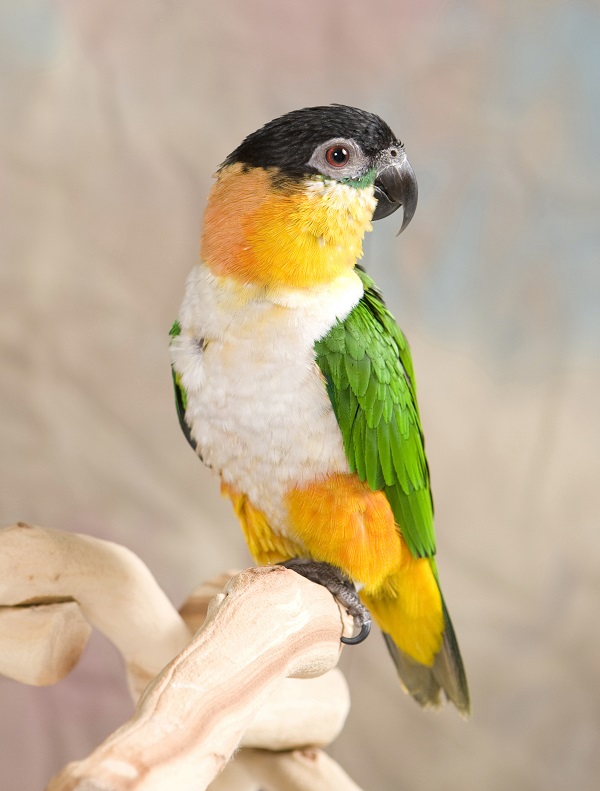
- Conures: Friendly and affectionate, love attention.
Spend time daily to build trust and friendship. These birds enjoy toys and interaction.
Avoiding Common Mistakes
New owners often make simple mistakes that affect bird health and happiness.
- Choosing a bird without proper research.
- Not providing enough social time or enrichment.
- Feeding the wrong diet or treats.
- Ignoring signs of illness or stress.
Learn about your bird’s needs before bringing it home. A happy bird is a well-cared-for bird.
Creating A Bird-friendly Environment
Creating a bird-friendly environment is key to ensuring your feathered friend feels safe, happy, and healthy. Birds are sensitive creatures that thrive in spaces designed with their unique needs in mind. Setting up the right environment can help prevent stress and encourage natural behaviors.
Safe Home Setup
Your bird’s safety starts with its living space. Choose a cage that is spacious enough for your bird to stretch its wings and move comfortably. Avoid cages with wide gaps that could trap their feet or allow escape.
Place the cage away from direct sunlight, drafts, and kitchen fumes. Birds breathe sensitive air, so keep them in a quiet corner with good ventilation. Also, remove any toxic plants, open water containers, or small objects that your bird could swallow.
Enrichment And Toys
Birds need more than just food and water—they need stimulation to stay mentally sharp. Provide a variety of toys like swings, chewable wood blocks, and puzzle feeders to keep them entertained. Rotate toys regularly to prevent boredom.
Consider your bird’s natural behavior. Parrots, for example, love to chew and explore, while finches enjoy perches and swings. What kind of activities does your bird naturally engage in? Tailoring toys to these instincts makes a big difference.
Addressing Noise Levels
Birds can be noisy, but that doesn’t mean you have to live with constant loud squawks. Pay attention to your bird’s noise patterns and find ways to manage them. Sometimes, birds call out because they feel lonely or bored.
Try spending more time interacting or playing with your bird to reduce noise. You can also use background music or white noise machines to create a soothing environment. Are you ready to listen and respond to your bird’s vocal needs?
Frequently Asked Questions
What Bird Pet Suits Beginners Best?
Budgerigars and cockatiels are ideal for beginners. They are friendly, easy to train, and require moderate care. These birds adapt well to indoor living and provide great companionship.
How Much Space Do Pet Birds Need?
Most pet birds need a cage large enough for movement and wing stretching. Additionally, daily out-of-cage time is essential for exercise and mental health. Bigger species require more space and flight opportunities.
Which Bird Pets Are Good For Families?
Cockatiels, budgies, and lovebirds are excellent for families. They are social, gentle, and enjoy interaction with children. These species are relatively easy to care for and can thrive in family homes.
What Diet Is Best For Pet Birds?
A balanced diet includes high-quality pellets, fresh fruits, vegetables, and occasional seeds. Avoid feeding birds chocolate, caffeine, or avocado as these are toxic. Clean, fresh water should be available at all times.
Conclusion
Choosing the right bird pet depends on your lifestyle and space. Smaller birds need less room but still need care and attention. Larger birds can be loving but require more time and patience. Think about noise, diet, and your daily routine.
A happy bird makes a happy home. Take time to research and meet different birds before deciding. Your perfect feathered friend is waiting to join your life. Enjoy the journey of finding a bird that fits you best.