

Have you ever wondered why your pet bird suddenly starts laying eggs? It might surprise you to learn that this natural behavior isn’t just about making babies.
Understanding why your feathered friend lays eggs can help you care for them better and keep them healthy. You’ll discover the surprising reasons behind egg-laying, what it means for your bird’s well-being, and how you can support your pet through this fascinating process.
Keep reading to unlock the secrets of your bird’s behavior and become a more confident bird owner.
Natural Breeding Instincts
Pet birds lay eggs because of their natural breeding instincts. These instincts drive birds to reproduce, even without a mate nearby. The urge to lay eggs is strong and comes from inside the bird’s body and brain.
Breeding instincts help birds continue their species. Even pet birds kept indoors still follow these natural signals. Their bodies prepare for egg laying as part of this cycle.
Hormonal Changes Trigger Egg Laying
Hormones control most of the breeding behaviors in birds. Rising hormone levels tell the bird’s body to produce eggs. This happens during certain times of the year or when the environment feels right.
Environmental Cues Influence Instincts
Light and temperature changes affect a bird’s breeding cycle. Longer daylight hours signal the bird that it is time to lay eggs. Warmer weather also helps trigger egg production.
Instinct To Build A Nest
Birds feel a strong urge to prepare a safe place for their eggs. Pet birds may try to find or create a nest in their cage. This behavior is part of their natural breeding instinct.
Egg Laying Without Fertilization
Birds can lay eggs even if no male is present. These eggs are usually not fertile. The bird’s body still follows the breeding cycle, causing egg laying to continue.

Credit: lafeber.com
Environmental Triggers
Environmental triggers play a major role in why pet birds lay eggs. These triggers signal to your bird’s body that it’s time to reproduce, even if there isn’t a mate around. Understanding these cues can help you manage your bird’s health and behavior better.
Light And Temperature
Birds are very sensitive to changes in light and temperature. Longer daylight hours, especially in spring and summer, tell their bodies that breeding season is here.
If your home has bright, extended lighting or a warm room, your bird might start laying eggs even if it’s not natural season time. You can watch how your bird reacts to light changes—do you notice more activity or nest-building behaviors when days get brighter?
Keeping your bird’s environment consistent with moderate light and stable temperature can help reduce unwanted egg laying. Have you tried adjusting the lighting schedule to see if it affects your bird’s behavior?
Availability Of Nesting Materials
Providing nesting materials can encourage your bird to lay eggs. Items like shredded paper, soft cloth, or twigs mimic natural nesting sites and can trigger reproductive instincts.
Even if your bird isn’t paired with a mate, having these materials around can make it feel ready to lay eggs. I once noticed my parakeet started collecting bits of paper and fluff when I left a small pile nearby—it was a clear sign it was preparing a nest.
If you want to prevent egg laying, try removing or limiting access to nesting materials. Ask yourself: is your bird surrounded by things that make it feel like it’s time to breed?
Nutritional Factors
Understanding the nutritional factors behind why pet birds lay eggs can help you manage their health better. Nutrition directly affects your bird’s reproductive cycle. If your bird’s diet is off balance, it might trigger unnecessary egg laying or health issues.
Dietary Influence
Your bird’s diet plays a huge role in egg laying. High-protein foods and energy-rich treats can stimulate reproductive hormones. Have you noticed your bird laying more eggs after you added sunflower seeds or nuts to their diet?
Sometimes, even fresh fruits and vegetables can impact egg production. Foods rich in Vitamin A, like carrots and spinach, help support reproductive health. But too many treats or sudden diet changes can confuse your bird’s body, leading to unexpected egg laying.
Calcium And Egg Production
Calcium is the cornerstone of eggshell formation. Without enough calcium, your bird might lay weak or soft-shelled eggs, which can be harmful. Are you providing cuttlebone, mineral blocks, or calcium supplements consistently?
Too much calcium, however, isn’t good either. It can cause kidney problems and other health issues. Balancing calcium with other nutrients like phosphorus and Vitamin D ensures your bird’s body functions smoothly during egg production.
Pay attention to your bird’s eating habits and consult your vet if you suspect nutritional imbalances. Your bird’s diet is the key to controlling healthy egg laying and preventing related health problems.
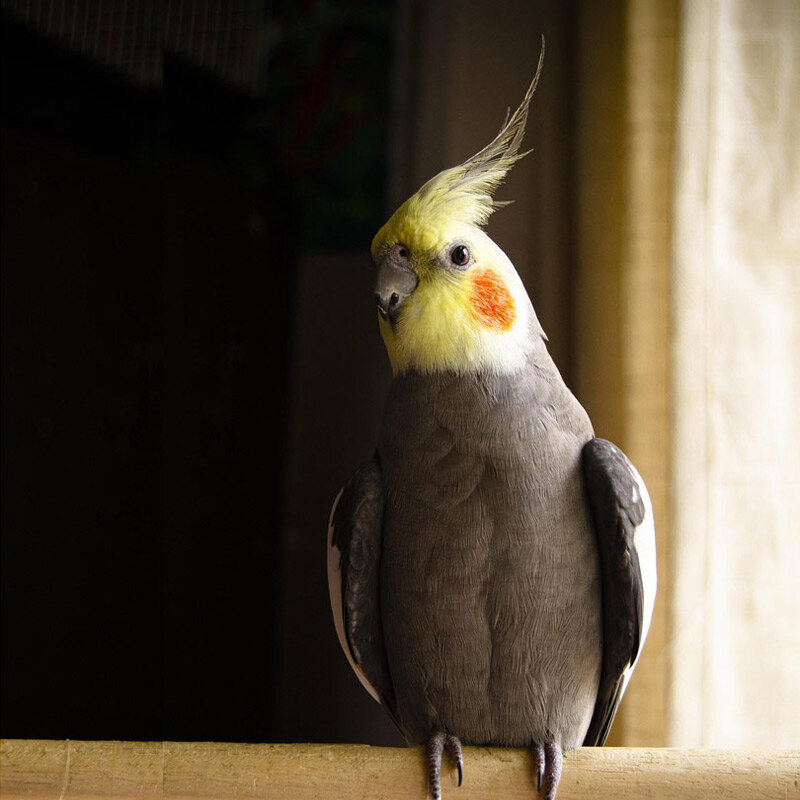
Credit: lafeber.com
Companionship And Social Dynamics
Pet birds often lay eggs due to their natural instincts tied to companionship and social life. Birds are social creatures, and their behavior changes based on their interactions. Understanding these social dynamics helps explain why egg-laying occurs even without fertilization.
Presence Of A Mate
Having a mate strongly influences a bird’s egg-laying habits. Birds with a partner feel more secure and ready to reproduce. The presence of a mate triggers hormonal changes that lead to egg production. Even pet birds kept in pairs may lay eggs because their bodies believe breeding is possible.
Social Environment
Birds react to their social surroundings in many ways. A lively environment with other birds can stimulate egg-laying. Seeing or hearing other birds may cause a bird to start laying eggs. This behavior is a response to natural cues from their environment. Social interaction plays a key role in their reproductive cycles.
Stress And Egg Laying
Stress affects pet birds in many ways, including their egg-laying habits. When birds feel stressed, their bodies react by producing more eggs. This response is natural but can lead to problems like exhaustion or calcium loss. Understanding how stress triggers egg laying helps owners care better for their pets.
Impact Of Stress On Birds
Stress causes hormonal changes in birds. These changes can start egg production even without a mate. Loud noises, sudden moves, or changes in environment can stress birds. Overcrowding or lack of attention also adds to their stress. Prolonged stress may lead to frequent or excessive egg laying.
Excess egg laying drains a bird’s energy. It may lose weight or become weak. Stress can also cause behavioral issues like aggression or withdrawal. Recognizing stress signs early helps prevent health problems.
Preventing Stress-induced Laying
Create a calm and safe space for your bird. Keep the cage in a quiet area away from loud noises. Maintain a consistent daily routine to reduce anxiety. Provide plenty of toys and perches to keep your bird busy.
- Feed a balanced diet rich in calcium and vitamins
- Ensure fresh water is always available
- Limit handling during stressful times
- Avoid sudden changes in the environment
Regular veterinary check-ups can spot issues early. Addressing stress helps reduce unnecessary egg laying. A relaxed bird is a healthier and happier pet.
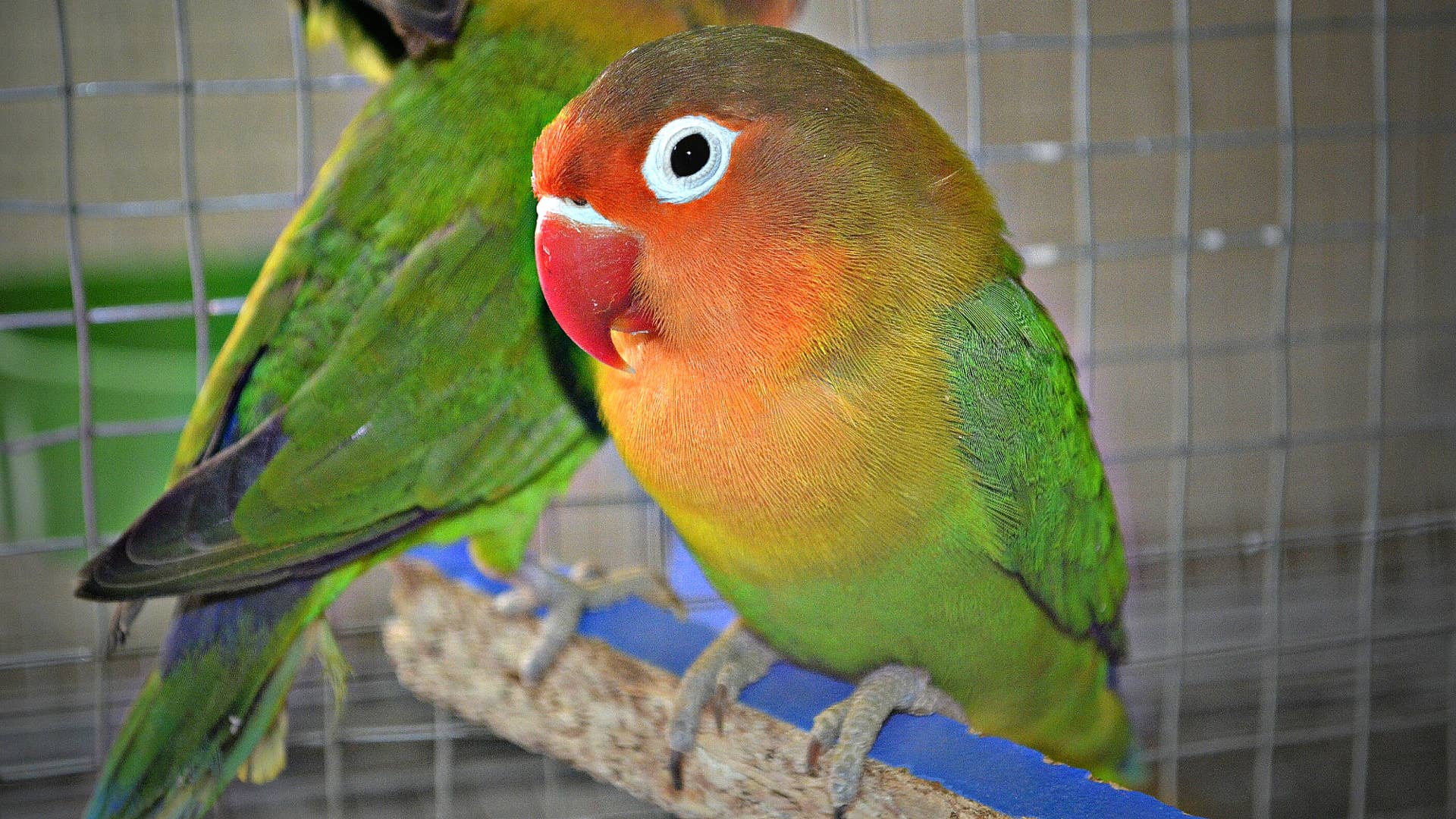
Credit: pethelpful.com
Health Risks Associated With Egg Laying
Egg laying in pet birds can lead to serious health problems. Birds may face physical stress and nutritional strain. Understanding these risks helps owners provide better care. Some conditions need immediate attention to save the bird’s life.
Egg Binding
Egg binding happens when a bird cannot pass an egg. This condition is painful and dangerous. The egg may get stuck inside the bird’s body. It blocks the reproductive tract and causes swelling.
Signs include lethargy, straining, and loss of appetite. Birds may sit fluffed up and breathe heavily. Immediate veterinary help is critical to prevent death.
Nutritional Deficiencies
Egg laying uses up many nutrients, especially calcium. Low calcium weakens bones and muscles. Birds may develop soft or broken bones over time.
Other important nutrients include vitamin D and protein. Lack of these causes poor egg quality and health problems. A balanced diet with supplements can prevent deficiencies.
Managing Egg Laying In Pet Birds
Managing egg laying in pet birds requires attention and care. Birds may lay eggs frequently due to natural instincts. This can lead to physical strain and behavioral changes. Understanding how to manage this helps keep birds healthy and happy.
Behavioral Adjustments
Changing a bird’s environment can reduce egg laying. Remove nesting materials like soft cloth or paper. Limit daylight exposure to about 10 hours daily. Provide toys and activities to distract your bird. Avoid excessive petting near the abdomen. These changes help lower hormonal triggers for egg production.
Veterinary Guidance
Consult a vet for advice on egg laying problems. Regular check-ups monitor bird health and egg production. Vets can suggest supplements to strengthen bones. In some cases, medication may be necessary. Professional help ensures safe and effective management of egg laying.
Frequently Asked Questions
Why Do Pet Birds Lay Eggs Without A Mate?
Pet birds lay eggs due to natural hormonal cycles. Egg-laying can occur even without a male present. It’s a normal reproductive behavior triggered by environment and diet.
How Often Do Pet Birds Lay Eggs?
Egg-laying frequency varies by species and individual bird health. Some lay eggs seasonally, others year-round. Proper care affects laying patterns and bird well-being.
Can Pet Birds Lay Infertile Eggs?
Yes, pet birds often lay infertile eggs without mating. These eggs won’t hatch but are common in single pet birds. Infertile eggs still require proper handling and care.
What Causes Excessive Egg Laying In Pet Birds?
Excessive egg laying may result from stress, diet, or hormonal imbalance. It can harm bird health if frequent. Consult a vet to manage and prevent over-laying.
Conclusion
Pet birds lay eggs as a natural part of their life cycle. It shows they are healthy and ready to reproduce. Sometimes, birds lay eggs even without a mate. This behavior is normal and does not always mean pregnancy. Understanding why birds lay eggs helps pet owners care better.
Watch your bird’s habits and provide proper support. This keeps your pet happy and comfortable. Caring for a bird means knowing its natural actions. Eggs are just one part of their unique life.