
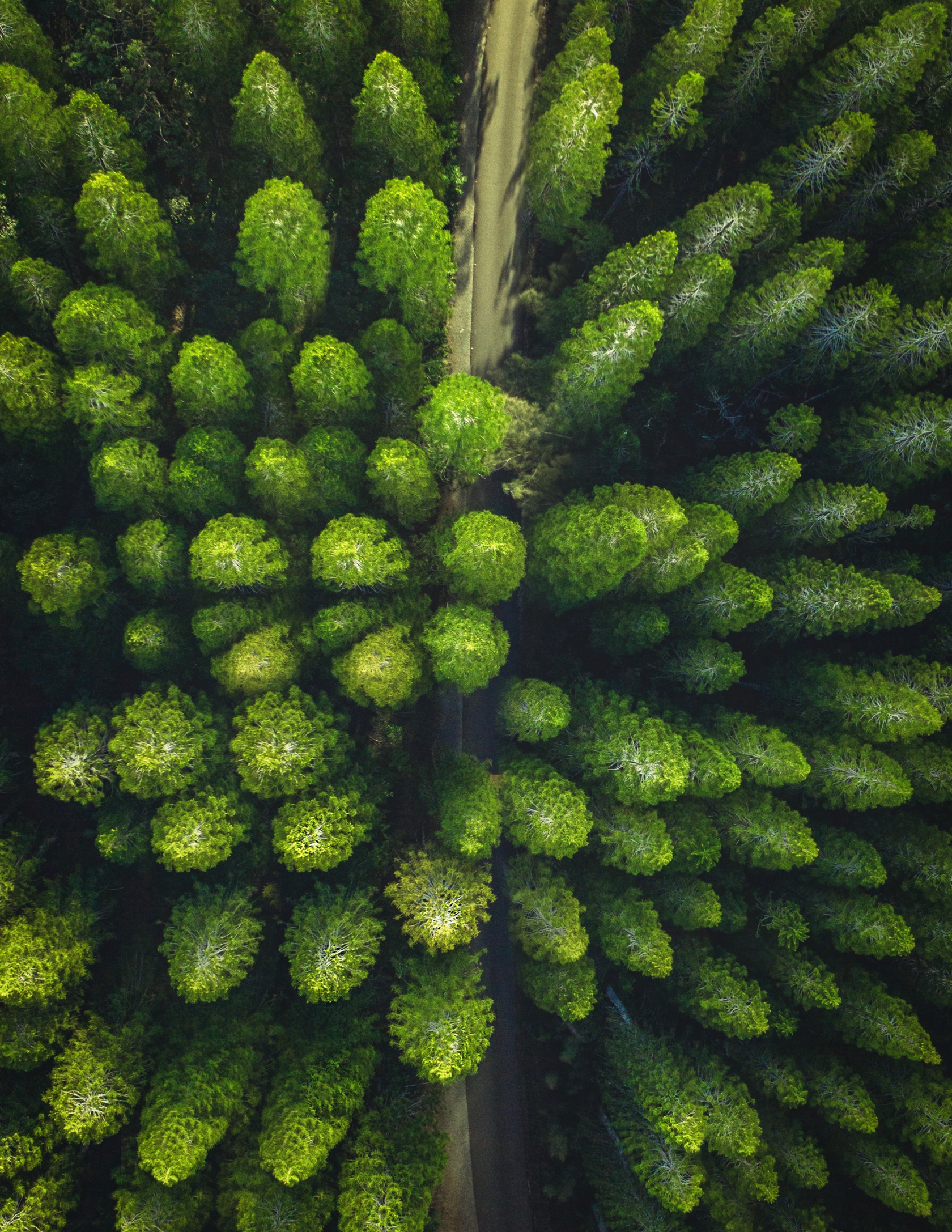
Have you ever wondered how photographers capture those stunning shots that make you feel like you’re soaring high above the scene? That’s the magic of a bird’s eye view in photography.
This unique perspective changes the way you see the world, revealing patterns and details that are often missed from the ground. If you want to learn how to use this technique to take your photos to the next level, keep reading.
You’ll discover what bird’s eye view really means, why it works, and how you can start experimenting with it today.
Bird’s Eye View Basics
Understanding the basics of Bird’s Eye View in photography helps you see the world from a fresh perspective. This angle offers a unique way to capture scenes by looking straight down from above. It challenges you to think differently about composition and storytelling in your photos.
Definition And Characteristics
Bird’s Eye View means photographing a subject from directly overhead. Imagine standing on a rooftop and looking down at the street below—that’s the essence of this perspective.
Key characteristics include:
- A top-down angle, usually at 90 degrees to the ground.
- Flattened depth, which makes objects appear compressed but reveals spatial relationships clearly.
- Emphasis on patterns, shapes, and symmetry rather than height or depth.
When you try this angle, you’ll notice it turns ordinary scenes into abstract compositions. It forces you to pay attention to details like lines, textures, and how elements interact on a flat plane.
Differences From Other Angles
Unlike eye-level shots, Bird’s Eye View removes the horizon and background distractions. This isolates your subject, making the composition more graphic and focused.
Compared to low angles, which can make subjects look powerful or towering, Bird’s Eye View often feels more detached and analytical.
Here’s a quick comparison:
| Angle | Perspective | Effect |
|---|---|---|
| Eye-Level | Horizontal to subject | Natural, relatable |
| Low Angle | From below looking up | Makes subject appear strong or grand |
| Bird’s Eye View | Directly overhead | Abstract, spatially revealing |
Have you ever noticed how a familiar place looks completely new when seen from above? This angle invites you to discover hidden patterns and rethink your usual framing choices.

Credit: www.freepik.com
Techniques To Capture Bird’s Eye View
Capturing a bird’s eye view requires creativity and the right tools. This perspective offers unique angles and stunning compositions. Various techniques help achieve this view effectively.
Using Drones And Aerial Equipment
Drones have revolutionized aerial photography. They offer flexibility and convenience. With a drone, you can capture vast landscapes. Ensure you follow local regulations for drone usage. Aerial cameras provide high-quality images. They are essential for professional photographers.
Shooting From High Structures
Buildings offer great vantage points. Rooftops and observation decks work well. They provide a natural bird’s eye view. Seek permission if needed for access. Skyscrapers offer unmatched perspectives. Use a wide-angle lens for dramatic effects.
Creative Use Of Ladders And Platforms
Ladders and platforms are versatile tools. They are portable and easy to use. Set them up in safe locations. Ensure stability before shooting. Adjust the height as needed for different angles. Simple yet effective for unique shots.
Equipment For Bird’s Eye Photography
Choosing the right equipment is key for bird’s eye photography. The gear affects the quality and ease of capturing aerial shots. You need tools that offer stability, clarity, and flexibility. Some devices make it easier to shoot from high angles. Others help capture wide views without distortion.
Recommended Cameras And Lenses
DSLR and mirrorless cameras work well for bird’s eye shots. They offer good resolution and manual controls. Look for cameras with high megapixels for detailed images. Full-frame sensors help capture wider scenes clearly.
For lenses, wide-angle options capture more of the scene below. A 16-35mm lens is a popular choice. Telephoto lenses are useful to zoom in on distant subjects. A 70-200mm lens offers sharp zooming without losing quality.
Accessories To Enhance Shots
- Tripods:Provide stability to avoid blurry shots from height.
- Gimbals:Help keep the camera steady during movement.
- Drones:Allow easy aerial photography with remote control.
- Polarizing Filters:Reduce glare and improve color contrast.
- Remote Shutter Releases:Prevent shake when taking photos.
Composition Tips For Impactful Shots
Capturing stunning bird’s eye view photos requires smart composition choices. The way elements fit together can make the shot stand out. Use these tips to create images that grab attention and tell a story from above.
Framing And Perspective Tricks
Frame your subject tightly to emphasize its shape and size. Use natural borders like roads, trees, or buildings to lead the eye. Change your height or angle slightly to find the most interesting viewpoint. Try to include contrasting elements to add depth and interest.
Playing With Patterns And Symmetry
Look for repeating shapes or colors that create patterns. Symmetry adds balance and calmness to the photo. Break the pattern with one unique element to create a focal point. Patterns and symmetry work well from high above, making scenes feel organized and neat.
Lighting Considerations
Shoot during soft light times such as early morning or late afternoon. Shadows can add texture and highlight shapes in a bird’s eye view. Avoid harsh midday sun, which flattens the image and reduces detail. Experiment with light direction to enhance the mood and depth.
Common Challenges And Solutions
Capturing a bird’s eye view in photography comes with its unique set of challenges. These can range from technical issues like distortion to practical concerns such as safety and weather conditions. Recognizing these obstacles early helps you prepare better and improve the quality of your shots.
Dealing With Distortion
Distortion can easily creep into bird’s eye view photos, especially when using wide-angle lenses or shooting from extreme heights. This can make straight lines appear curved or objects look stretched.
To reduce distortion, try these tips:
- Use a lens with minimal distortion, like a prime lens designed for aerial shots.
- Adjust your camera angle to be as perpendicular to the subject as possible.
- Correct distortion during post-processing using software tools like Adobe Lightroom or Photoshop.
Have you noticed how some photos look unnatural because of distortion? Fixing this makes your images more professional and true to life.
Safety Precautions
Getting a bird’s eye view often means working at heights or using drones, which brings safety risks. You must prioritize your safety and that of others around you.
Consider these safety measures:
- Always check the stability of your platform—be it a ladder, rooftop, or drone landing spot.
- Use safety gear like harnesses if you’re working on elevated surfaces.
- Follow local regulations and guidelines for drone usage to avoid legal trouble and accidents.
Remember, no photo is worth risking your well-being. How do you balance capturing the perfect shot with staying safe?
Weather And Environmental Factors
Weather changes can make or break your bird’s eye view photography session. Wind, rain, or harsh sunlight can affect equipment and image quality.
Here’s how you can handle these conditions:
- Check weather forecasts before planning your shoot to avoid unexpected disruptions.
- Use weather-resistant camera gear or protective covers to shield your equipment.
- Adjust your shooting schedule to early morning or late afternoon for softer lighting and calmer winds.
Have you ever had a shoot ruined by sudden weather changes? Preparing ahead can save you time, money, and frustration.

Credit: digital-photography-school.com
Applications Of Bird’s Eye View
Bird’s eye view photography offers a fresh perspective by capturing scenes from directly above. This angle reveals patterns, shapes, and layouts that are invisible from ground level. Photographers use this style in many fields to create compelling images that tell unique stories.
Landscape And Nature Photography
Bird’s eye view captures vast natural scenes with clarity. It highlights forests, rivers, and mountains in one frame. This view shows how nature forms patterns and textures. It helps photographers emphasize scale and distance. Aerial shots reveal hidden details like animal trails or water flow.
Urban And Architectural Shots
This perspective showcases city layouts and building designs. It captures streets, parks, and rooftops in clear patterns. Bird’s eye view helps reveal urban planning and infrastructure. It shows the relationship between buildings and open spaces. Architects and planners use these images for analysis and presentations.
Creative Storytelling
Bird’s eye view allows unique visual narratives. It creates a sense of scale and isolation or togetherness. Photographers use it to focus on shapes and forms. This perspective supports abstract and minimalistic compositions. It invites viewers to see familiar scenes in new ways.
Editing Tips For Bird’s Eye Photos
Editing bird’s eye photos enhances their unique perspective. It helps highlight details that might be missed. Simple adjustments can make the photo more vivid and striking.
Focus on colors, contrast, and perspective to keep the natural feel. Artistic effects add a personal touch without overwhelming the image. Careful editing brings out the best in bird’s eye shots.
Enhancing Colors And Contrast
Boosting colors makes the photo more lively. Increase saturation gently to keep colors natural. Adjust contrast to add depth and separation between elements.
- Use curves or levels to balance brightness.
- Enhance shadows and highlights for a dynamic look.
- Maintain a clean, clear sky if visible.
Correcting Perspective
Bird’s eye photos may need slight perspective fixes. Straighten lines to avoid a tilted view. Use lens correction tools to fix distortion.
- Align edges with grid guides for accuracy.
- Fix any stretching or warping of objects.
- Keep the natural angle to preserve depth.
Adding Artistic Effects
Subtle effects can enhance mood and style. Try soft vignettes to draw focus to the center. Experiment with black and white for a classic look.
- Use selective blur for depth emphasis.
- Apply texture overlays to add interest.
- Keep effects light to avoid distraction.

Credit: www.freepik.com
Frequently Asked Questions
What Is Bird’s Eye View In Photography?
Bird’s eye view is a photography angle taken directly above the subject. It offers a unique perspective, showing layout and patterns. This view helps capture scenes from a high vantage point, making it popular in landscape and architectural photography.
How To Shoot Bird’s Eye View Photos Effectively?
Use a drone, ladder, or tall structure to gain height. Ensure proper lighting and focus on the subject’s layout. Keep the camera steady and frame the shot symmetrically for the best results.
Why Use Bird’s Eye View In Photography?
Bird’s eye view reveals details and patterns invisible from eye level. It provides context and scale, enhancing storytelling. This perspective creates visually striking images that attract viewers’ attention.
What Equipment Is Best For Bird’s Eye View Shots?
Drones are ideal for flexible, high-altitude shots. Tripods with adjustable arms or ladders also work well. Use wide-angle lenses to capture more of the scene in one frame.
Conclusion
Bird’s eye view shows scenes from straight above. It gives a new way to see things. This angle helps highlight shapes and patterns clearly. Photographers use it to tell different stories. It makes photos more interesting and fresh. Anyone can try this style with drones or tall places.
Exploring bird’s eye shots can improve your photo skills. Keep practicing and enjoy capturing unique views every time.