

Have you ever wondered why some birds suddenly disappear during certain seasons? It’s because many birds migrate, changing not only where they live but also what they eat.
Understanding which birds migrate and how their diets shift can give you a whole new appreciation for these amazing travelers. You’ll discover the surprising habits of migratory birds and learn what drives their incredible journeys. Keep reading to uncover the secrets behind their changing homes and meals—you won’t want to miss it!

Credit: www.allaboutbirds.org
Bird Migration Patterns
Many birds, like swallows and geese, migrate to find better food and warmer climates. They change habitats and diets seasonally to survive. Some eat insects in summer and switch to seeds or berries in winter.
Understanding bird migration patterns can be a fascinating glimpse into the wonders of the natural world. Birds migrate for various reasons, primarily to find food, suitable breeding areas, or warmer climates. Their journeys are remarkable and often cover thousands of miles. Let’s explore how different types of birds navigate these incredible voyages.Seasonal Movements
Many birds embark on seasonal migrations, moving between breeding and wintering grounds. These journeys are often triggered by changes in daylight and temperature. For example, the Swainson’s Thrush migrates from North America to South America as the seasons change, ensuring access to abundant food sources year-round. Have you ever wondered how these birds manage to return to the same location year after year? It’s a mystery that continues to intrigue scientists and bird enthusiasts alike.Long-distance Travelers
Some birds are true champions of long-distance migration. The Arctic Tern, for instance, holds the record for the longest migration, traveling from the Arctic to the Antarctic and back each year. This incredible journey covers about 44,000 miles! Long-distance travelers often rely on wind patterns and ocean currents to conserve energy. Do these birds ever get lost on such extensive journeys? Their navigation skills are exceptional, often using stars, the sun, and even Earth’s magnetic fields as guides.Short-distance Movers
Not all birds migrate over vast distances; some make shorter, regional moves. Birds like the American Robin may shift just a few hundred miles to find food or escape harsh weather. Short-distance movers often rely on local cues, such as food availability and temperature changes, to decide when to migrate. Have you noticed the sudden appearance of certain birds in your backyard as the seasons change? These short-distance migrations are essential for their survival and play a crucial role in maintaining ecological balance. Bird migration is not just about survival; it’s a testament to the resilience and adaptability of these feathered travelers. Each migration pattern tells a story of evolution, instinct, and the unyielding drive to thrive. Are you ready to witness these incredible journeys unfold right in your own backyard? Embrace the opportunity to observe and learn from the world of bird migration.Common Migratory Birds
Many bird species migrate each year to find better habitats and food sources. Migration helps birds survive harsh weather and food shortages. They travel thousands of miles to reach safe breeding or feeding grounds. Understanding common migratory birds reveals how diverse their habits and diets are.
Songbirds
Songbirds are among the most common migratory birds. They travel from northern forests to warmer regions during winter. Their diet mainly includes insects, seeds, and berries. Many songbirds fly at night to avoid predators and save energy. Examples include warblers, thrushes, and sparrows.
Waterfowl
Waterfowl like ducks and geese migrate to find open water and food. They prefer lakes, rivers, and wetlands that do not freeze in winter. Their diet consists of aquatic plants, small fish, and insects. Waterfowl often travel in large flocks, making impressive V-shaped formations in flight.
Raptors
Raptors are birds of prey such as hawks and eagles. They migrate to warmer areas where prey is more available. Their diet includes small mammals, birds, and reptiles. Raptors use thermals to soar high and cover long distances with less effort.
Habitat Changes During Migration
Bird migration forces birds to adapt to various habitats along their journey. These changes affect not only where they live but also their diet and behavior. Understanding these habitat shifts can help you appreciate the complexity of migration and the challenges birds face.
Breeding Grounds
Breeding grounds are where birds lay eggs and raise their young. These areas often have abundant food and safe nesting spots. Many birds choose habitats with plenty of insects or seeds to feed their chicks, such as wetlands or forests.
Think about the Arctic Tern, which travels thousands of miles to breed in the Arctic. The long daylight hours provide ample feeding opportunities for their chicks. Could your local park serve as a breeding ground for migratory birds during certain seasons?
Wintering Areas
Wintering areas offer warmth and food when breeding grounds become too cold or scarce in resources. Birds often shift from insect-rich environments to places where fruits and seeds are available. Tropical forests and coastal wetlands are common wintering spots.
Take the example of the American Robin, which switches from eating mostly worms and insects to berries in the winter. Have you noticed changes in the types of birds visiting your garden during colder months?
Stopover Sites
Stopover sites are resting points where birds recharge during their long flights. These places provide critical food and shelter to regain strength. They can be wetlands, fields, or even urban parks rich in insects and plants.
During migration, a bird might spend just a day or two at these sites. I once watched a flock of sandpipers quickly refuel at a coastal marsh before continuing their journey. What local stopover sites could you help protect to support migrating birds?
Diet Variations With Migration
Bird migration involves more than just changing locations. Birds also adapt their diets to fit their new environments. This change helps them survive and stay healthy during migration. Different birds eat different foods depending on what is available at their destination.
Diet changes can be dramatic. Some birds switch from eating insects to fruits or seeds. Others might hunt small fish or prey. Understanding these diet shifts shows how birds adjust to new habitats and maintain their energy on long journeys.
Insect-eating Birds
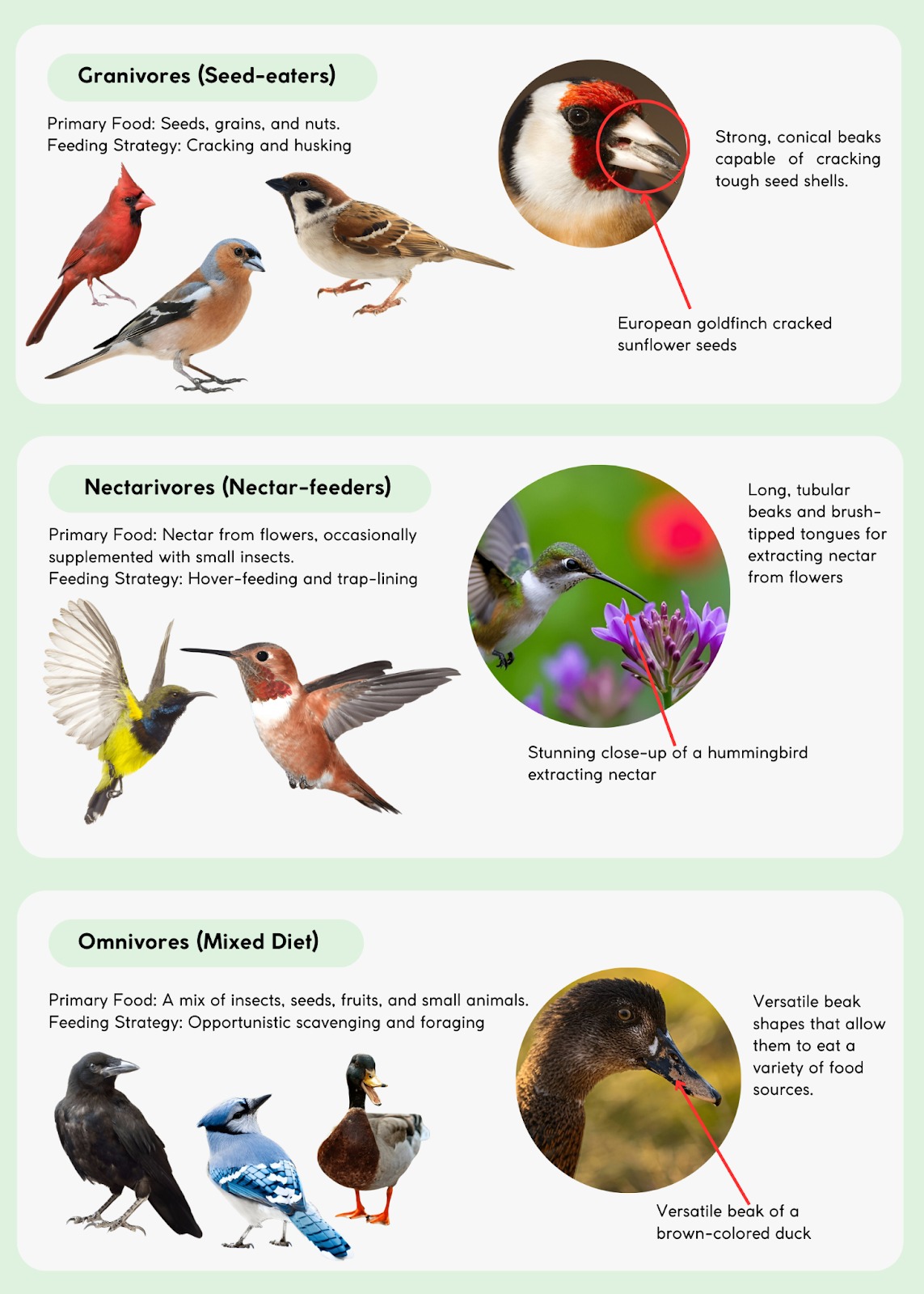
Many migratory birds eat insects. These birds rely on bugs for protein and energy. During migration, they often move to places with plenty of insects. Some catch flying insects in the air. Others find insects on leaves or soil.
Examples include swallows and warblers. They eat mosquitoes, flies, beetles, and caterpillars. Insects provide quick energy for their long flights. Insect availability often guides their migration paths.
Fruit And Seed Eaters
Some birds eat fruits and seeds. These foods offer sugars and fats, important for energy. Fruit-eating birds migrate to areas with ripe berries and seeds. They help spread seeds by eating fruit and dropping seeds elsewhere.
Toucan and some thrush species rely on fruit. Finches and sparrows prefer seeds. These birds often shift diets if insects become scarce. Fruit and seed eating helps them survive in winter habitats.
Fish And Small Prey
Certain migratory birds hunt fish or small animals. These birds live near water bodies or wetlands. They catch fish, frogs, or small crustaceans for food. This diet provides protein and fats needed for energy.
Examples include terns, herons, and kingfishers. They use sharp beaks to catch slippery prey. Their migration routes often follow rivers, lakes, or coastal areas where food is abundant.
Factors Influencing Migration
Bird migration depends on many factors that affect when and where birds travel. These factors help birds survive and find the best places to live and eat. Migration is a response to changes in their environment. Understanding these influences reveals why some birds move long distances.
Climate And Weather
Many birds migrate to avoid harsh weather. Cold winters reduce food and water sources. Birds fly to warmer places to stay safe and warm. Seasonal changes in temperature trigger migration. Storms and strong winds also push birds to move. The right climate helps birds thrive and raise their young.
Food Availability
Birds migrate to find food that is not available year-round. In winter, insects and plants may disappear. Birds need to eat to survive and keep their energy. Migration leads them to areas where food is plentiful. Some birds change their diet based on location. Food availability is a key driver of migration patterns.
Predator Avoidance
Migration helps birds escape predators. Some areas become dangerous during certain seasons. Birds move to safer habitats to protect themselves and their offspring. Avoiding predators increases their chances of survival. Migration routes often avoid predator hotspots. Safety is a strong reason for migration in many species.
Credit: animal-pedia.org
Challenges Faced By Migratory Birds
Migratory birds face numerous hurdles as they travel thousands of miles between habitats. These challenges can disrupt their journey, affect their health, and even threaten their survival. Understanding these obstacles helps you appreciate the incredible resilience of these birds and why protecting their routes matters.
Habitat Loss
Many migratory birds depend on specific stopover sites to rest and refuel. But rapid urban development and deforestation are shrinking these vital habitats.
Imagine planning a long road trip with few gas stations along the way. Without safe resting spots, birds struggle to find food and shelter.
You might notice fewer birds in your local parks during migration seasons. This decline often links to habitat loss far from your neighborhood.
Climate Change Impact
Changing weather patterns are shifting the timing of food availability and breeding seasons for migratory birds. They may arrive too early or too late to find enough food.
Warmer temperatures can also alter migration routes, forcing birds into unfamiliar and sometimes dangerous areas.
Have you ever wondered why some bird species suddenly appear in unusual places? Climate change plays a big role in these unexpected visits.
Human Interference
Human activities like hunting, light pollution, and collisions with buildings create serious risks for migratory birds.
Bright city lights confuse birds during night flights, causing exhaustion or fatal crashes. You can help by reducing outdoor lighting during peak migration times.
Illegal hunting still threatens certain species, especially in regions with weak wildlife protections. Supporting conservation efforts in these areas can make a real difference.
Conservation Efforts For Migratory Birds
Conservation efforts play a vital role in protecting migratory birds. These birds travel long distances, facing many dangers along their routes. Protecting their habitats and safe passage is essential to ensure their survival.
Actions focus on safeguarding key habitats, creating safe migration paths, and involving local communities. Each effort helps reduce threats and supports healthy bird populations.
Protected Areas
Protected areas offer safe places for birds to rest and feed during migration. These zones include wetlands, forests, and coastal sites. Governments and organizations work to preserve these critical habitats from destruction and pollution.
Examples of protected areas:
- National parks
- Wildlife refuges
- Ramsar sites (wetlands of international importance)
Migration Corridors
Migration corridors are routes birds use to travel between breeding and wintering grounds. Protecting these pathways helps birds avoid dangers like buildings and power lines. Efforts include mapping migration paths and reducing hazards along these routes.
Safe corridors allow birds to conserve energy and find food easily. This increases their chances of reaching their destination safely.
Community Involvement
Local communities play a key role in protecting migratory birds. Education programs raise awareness about bird conservation. People learn how to reduce threats like hunting and habitat loss.
Community actions include:
- Participating in bird counts and monitoring
- Creating bird-friendly gardens
- Supporting local conservation projects
Engaged communities become active protectors of migratory birds and their habitats.
Credit: animal-pedia.org
Frequently Asked Questions
What Types Of Birds Migrate Seasonally?
Many birds like swallows, geese, and warblers migrate. They move to warmer areas for breeding and food.
Why Do Birds Change Their Habitat During Migration?
Birds migrate to find better climates and food sources. Seasonal changes drive them to safer, resource-rich habitats.
How Does Diet Affect Bird Migration Patterns?
Birds adjust diets based on available food during migration. Some shift from insects to fruits or seeds as needed.
Which Birds Have The Longest Migration Routes?
Arctic terns have the longest migrations, traveling up to 44,000 miles annually. They move between polar regions.
Conclusion
Birds migrate to find better homes and food sources. Many species travel long distances each year. They seek warmer places and more food during cold months. Some birds eat insects, while others prefer seeds or fish. Migration helps them survive and raise young safely.
Watching these journeys shows nature’s amazing balance. Knowing which birds migrate helps us protect their habitats. Migration is a natural cycle that supports life. It reminds us how connected all creatures truly are.