
Have you ever looked up at the sky and wondered where those birds are headed? Every year, millions of birds take to the skies, traveling thousands of miles across North America.
But which birds make these incredible journeys? Understanding what North American birds migrate can change the way you see the seasons and the natural world around you. Keep reading, and you’ll discover fascinating facts about these feathered travelers that will surprise and inspire you.
Your next outdoor adventure might just start with knowing who’s flying above!

Credit: blog.education.nationalgeographic.org
Key Migratory Routes
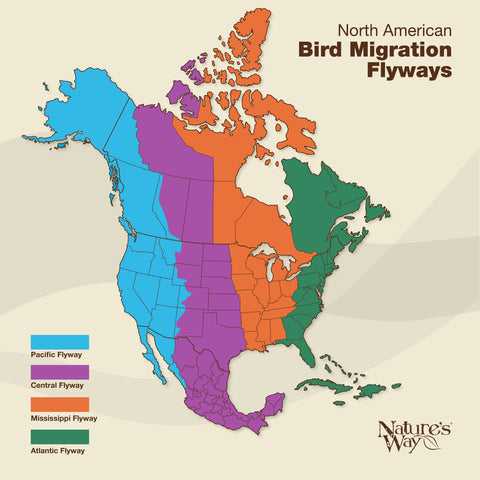
North American birds follow key migratory routes to reach warmer climates. These paths guide millions of birds across the continent each year. Major routes include the Atlantic, Mississippi, and Pacific flyways.
Migratory routes are crucial pathways for North American birds. These routes guide millions of birds during their seasonal movements. They help birds find food, breed, and escape harsh weather. Let’s explore the key migratory routes birds take across North America.Atlantic Flyway
The Atlantic Flyway stretches along the eastern coast. It runs from the Arctic tundra to the Caribbean. Birds like the snowy owl and piping plover use this route. Coastal marshes and barrier islands provide critical resting spots. Birds often stop in places like the Chesapeake Bay and Florida wetlands. This flyway supports a diverse range of bird species.Mississippi Flyway
The Mississippi Flyway follows the great Mississippi River. It spans from Canada to the Gulf of Mexico. This route is popular with waterfowl like ducks and geese. The river’s wetlands offer essential feeding grounds. Birds gather in large numbers in places like the Upper Mississippi River National Wildlife Refuge. This flyway hosts millions of migrating birds each year.Central Flyway
The Central Flyway runs down the Great Plains. It extends from Canada to Texas. Grasslands and prairie wetlands support birds like the whooping crane. The Platte River is a vital stopover for sandhill cranes. This flyway is less congested, providing quieter spaces for birds. It’s an important route for both songbirds and raptors.Pacific Flyway
The Pacific Flyway hugs the western coastline. It stretches from Alaska to South America. Birds like the American avocet and western sandpiper migrate here. Coastal estuaries and inland valleys offer food and shelter. Key stopovers include the San Francisco Bay and Columbia River. This flyway is essential for many shorebirds and waterbirds. Each migratory route offers unique habitats and challenges. These pathways ensure the survival of countless bird species. Understanding them helps us protect these amazing travelers.Popular Migratory Birds
Many birds in North America undertake incredible journeys each year, traveling thousands of miles between breeding and wintering grounds. These migrations are fascinating to watch and teach us a lot about nature’s rhythms. Let’s look at some of the popular migratory birds you might recognize and learn about their unique travel habits.
American Robin
The American Robin is one of the most familiar birds you’ll see during migration seasons. It starts heading south as the weather cools, seeking warmer areas to spend the winter. Have you noticed robins gathering in large flocks before they take off? This behavior helps them stay safe and navigate better during their journey.
Robins primarily eat worms and berries, so their migration often follows the availability of food. Watching them hop around your yard in spring is a clear sign migration is ending and nesting season is beginning.
Ruby-throated Hummingbird
Ruby-throated Hummingbirds make an impressive solo flight across the Gulf of Mexico during migration. This tiny bird weighs less than a nickel but can fly nonstop for over 500 miles. Imagine the stamina needed to complete such a journey!
If you’ve set up a hummingbird feeder, you might notice these birds arriving in spring and then again in late summer as they head south. Their bright red throat and rapid wingbeats make them a delightful sight during these times.
Sandhill Crane
Sandhill Cranes are known for their loud, trumpeting calls and graceful, synchronized flight patterns. They migrate in large groups, often flying in a V-formation to conserve energy. Have you ever seen a group of cranes flying overhead and wondered where they were headed?
These birds travel from northern breeding grounds in Canada and the northern U.S. to southern wintering spots, including parts of Mexico and the southern U.S. Their migration is a spectacular event, attracting many bird watchers.
Swainson’s Thrush
Swainson’s Thrush is a shy, olive-brown bird with a distinctive spotted chest that migrates between North and South America. It navigates primarily at night, using the stars to find its way. This nocturnal migration helps it avoid predators and daytime heat.
You might hear their ethereal, flute-like song in the forests during breeding season. Their migration is a reminder of how much goes on when we’re fast asleep.
Birds Of Prey Migration
Birds of prey are fascinating migrants in North America. They travel long distances each year to find food and better climates. These raptors use thermal air currents to glide and save energy during migration. Their journey spans thousands of miles across continents and oceans. Understanding their migration helps protect these important predators and their habitats.
Broad-winged Hawk
The Broad-winged Hawk migrates in large groups called “kettles.” These groups can have hundreds or thousands of hawks soaring together. They travel from Canada and the northern U.S. to Central and South America for winter. Broad-winged Hawks follow mountain ridges and river valleys to navigate. Their migration usually occurs during the fall and spring months.
Osprey
Ospreys migrate from northern North America to Central and South America. They rely on fish as their main food source. Ospreys often follow coastlines and large rivers to find food and rest stops. Their long wings help them glide smoothly over water. Ospreys return north in spring to breed and raise their young.
Peregrine Falcon
Peregrine Falcons migrate shorter distances compared to other raptors. Some stay in their breeding areas year-round if food is available. Others travel from northern regions to warmer southern areas during winter. Peregrines are known for their incredible speed and hunting skills. They prefer open landscapes and often nest on cliffs or tall buildings.

Credit: www.allaboutbirds.org
Shorebirds On The Move
Shorebirds are some of the most remarkable travelers in North America. These birds fly thousands of miles each year between breeding and wintering grounds. Their migration is a vital part of their life cycle. Many species rely on specific stopover sites to rest and feed. These journeys show incredible endurance and timing.
Here are three common shorebirds known for their long migrations.
Semipalmated Sandpiper
The Semipalmated Sandpiper is a small, fast bird. It breeds in the Arctic tundra and migrates to South America. During migration, it stops at mudflats and beaches. These spots provide food like small crustaceans and insects. The bird’s short legs and webbed feet help it move quickly through shallow water. Their fall migration can cover over 10,000 miles.
Red Knot
Red Knots are medium-sized shorebirds with striking red breasts in breeding season. They breed in the high Arctic and winter as far south as Tierra del Fuego. Their migration is famous for long nonstop flights over oceans. Red Knots depend on horseshoe crab eggs at stopover sites like Delaware Bay. This food is critical to fuel their journey. They can fly over 9,000 miles during migration.
Dunlin
Dunlins are small shorebirds with a distinctive curved bill. They breed in northern Alaska and Canada. In winter, they travel to coastal areas of the southern United States and Central America. These birds feed on worms and small shellfish in mudflats. Dunlins often gather in large flocks during migration. Their flights cover thousands of miles across varied habitats.
Factors Influencing Migration
Bird migration is a complex process shaped by many factors. These factors guide birds on when and where to travel. Understanding them helps us grasp why North American birds migrate.
Seasonal Changes
Seasons strongly impact bird migration. Birds sense changes in daylight and temperature. Shorter days and cooler weather signal the need to move. Migration helps birds avoid harsh winters. It also allows them to find better living conditions.
Food Availability
Food is a key driver of migration. Birds follow the availability of insects, seeds, and fruits. When food sources dwindle in one area, birds move to places with more food. This movement ensures they get enough energy to survive and breed.
Breeding Patterns
Breeding needs influence migration routes and timing. Birds travel to specific locations to mate and raise young. These spots often offer safe nests and abundant food for chicks. Returning each year to these areas helps maintain strong populations.
Migration Challenges
Bird migration is an incredible journey that many North American birds undertake each year. However, this voyage is filled with many obstacles that can threaten their survival. Understanding these migration challenges can help you appreciate the resilience of these birds and inspire actions to support their safe travels.
Climate Change Effects
Shifting weather patterns disrupt the timing of migration. Birds depend on cues like temperature and daylight to know when to start their journey. If these signals change, birds may arrive too early or too late, missing critical food sources.
Warmer temperatures also affect the availability of insects and plants birds rely on during stops. Have you noticed how unpredictable spring weather has become? This unpredictability makes it harder for birds to fuel up for the next leg of their trip.
Habitat Loss
Every year, natural habitats shrink due to urban growth and agriculture. Stopover sites where birds rest and eat are disappearing fast. Without these safe havens, birds face exhaustion and starvation.
You can help by protecting local wetlands, forests, and grasslands. Even small green spaces provide vital resources. Think about how often you see empty lots or neglected parks—these could be transformed into bird-friendly areas.
Predation Risks
During migration, birds are vulnerable to predators both in the air and on the ground. Raptors, cats, and even humans can pose serious threats. Birds often travel at night to avoid some predators, but this isn’t a foolproof strategy.
Light pollution confuses migrating birds, increasing their risk of collisions with buildings and predators. Have you ever wondered why city lights are dimmed during migration seasons in some places? It’s a simple step to reduce these dangers.
Tracking Migratory Birds
Tracking migratory birds reveals the incredible journeys these creatures undertake across North America. It helps scientists understand migration routes, timing, and behavior, which are crucial for conservation efforts. You might be surprised how technology and community efforts combine to keep tabs on these feathered travelers.
Banding Techniques
Bird banding is one of the oldest and most reliable tracking methods. Small, lightweight bands with unique codes are placed on birds’ legs. When these birds are recaptured or found, the data provides insight into their migration paths and lifespan.
Imagine holding a tiny warbler and attaching a band no larger than a ring on your finger. That simple action connects you to a broader scientific network. This technique has helped track species like the Ruby-throated Hummingbird across thousands of miles.
Satellite Tracking
Satellite tracking uses tiny transmitters attached to birds, sending real-time location data to researchers. It works especially well for larger birds like hawks or eagles. This method gives precise information about flight speed, altitude, and stopover sites.
Have you ever wondered how far a Bald Eagle can travel in a day? Satellite trackers answer that question with detailed maps and data. This technology also helps identify new migration routes and critical habitats that need protection.
Citizen Science Contributions
You don’t need special equipment to contribute to bird tracking. Citizen science projects like eBird invite bird watchers to report sightings, creating vast databases of bird movements. Your backyard observations can help track shifts in migration caused by climate change.
Think about the last time you spotted a migratory bird and logged it on an app. That simple act adds valuable data for researchers worldwide. Citizen science bridges the gap between everyday people and professional scientists, making bird migration a shared adventure.

Credit: www.allaboutbirds.org
How To Observe Migratory Birds
Observing migratory birds offers a unique chance to witness nature’s wonders. These birds travel thousands of miles, crossing continents and oceans. Watching them can be peaceful and exciting. Knowing how to observe them properly helps you enjoy this experience fully. It also protects the birds and their habitats.
Best Times And Locations
Migration happens mainly in spring and fall. Birds move north in spring to breed. They return south in fall to avoid cold winters. Early mornings and late afternoons are best for birdwatching. Birds are most active during these times.
Coastal areas, wetlands, and forests serve as perfect spots. Popular locations include:
- Chesapeake Bay
- Gulf Coast
- Great Lakes region
- Pacific Flyway
Visiting these places during migration seasons increases chances to see many species.
Essential Birdwatching Gear
Good gear makes birdwatching easier and more fun. Basic items include:
- Binoculars for clear and close views
- Field guidebooks or apps to identify species
- Notebook to record sightings
- Camera to capture moments
- Comfortable clothing suitable for weather
Using the right gear helps you stay prepared and enjoy the experience safely.
Tips For Ethical Watching
Respect the birds and their environment. Follow these simple rules:
- Keep a safe distance from the birds
- Avoid loud noises that may scare them
- Do not disturb nests or feeding areas
- Stay on marked trails to protect habitats
- Do not feed wild birds
Ethical watching ensures birds stay safe and healthy for future migrations.
Frequently Asked Questions
Which North American Birds Migrate Annually?
Many North American birds migrate yearly, including warblers, hawks, swallows, and geese. Migration helps them find food and breed in warmer climates.
When Do Most North American Birds Start Migrating?
Most North American birds begin migration in early fall, around September and October. Spring migration usually occurs between March and May.
Why Do North American Birds Migrate South?
Birds migrate south to escape harsh winter conditions. They seek warmer weather and abundant food sources in southern regions.
How Far Do North American Birds Migrate?
Migration distances vary widely. Some birds travel hundreds of miles, while others, like the Arctic tern, can travel over 10,000 miles.
Conclusion
Many North American birds migrate to find warmer homes. They travel thousands of miles each year. This helps them find food and safe places to live. Some birds fly at night to avoid heat and predators. Watching their journeys teaches us about nature’s cycles.
Migration shows how animals adapt to change. Next time you see a bird flying south, remember its long trip. Bird migration is a natural wonder worth learning about. It connects seasons, places, and life itself.