
Have you ever wondered which birds travel the farthest distances every year? Imagine tiny creatures soaring thousands of miles across oceans and continents, guided by instincts you can only dream of.
Understanding these incredible travelers will change how you see the natural world around you. Keep reading, and you’ll discover surprising facts about the birds that take the longest journeys—facts that might just inspire your next adventure or deepen your love for wildlife.
Ready to find out which birds hold the record for the greatest migrations? Let’s dive in!
Top Long-distance Migrants
Bird migration is one of nature’s great wonders. Some birds travel incredible distances. These journeys are essential for survival. Birds migrate for food, breeding, and better climates. Here are some top long-distance migrants.
Arctic Tern’s Epic Journey
The Arctic Tern holds the record for the longest migration. It travels from the Arctic to Antarctica. This journey covers about 71,000 kilometers each year. The bird follows the sun. It enjoys more daylight than any other creature. This long-distance trek ensures it avoids harsh weather.
Bar-tailed Godwit’s Nonstop Flight
The Bar-tailed Godwit is famous for its nonstop flight. It flies from Alaska to New Zealand. This journey covers over 11,000 kilometers without stopping. The bird relies on fat reserves for energy. Its flight is the longest known nonstop journey by any bird. This incredible feat showcases the bird’s endurance.
Sooty Shearwater’s Global Routes
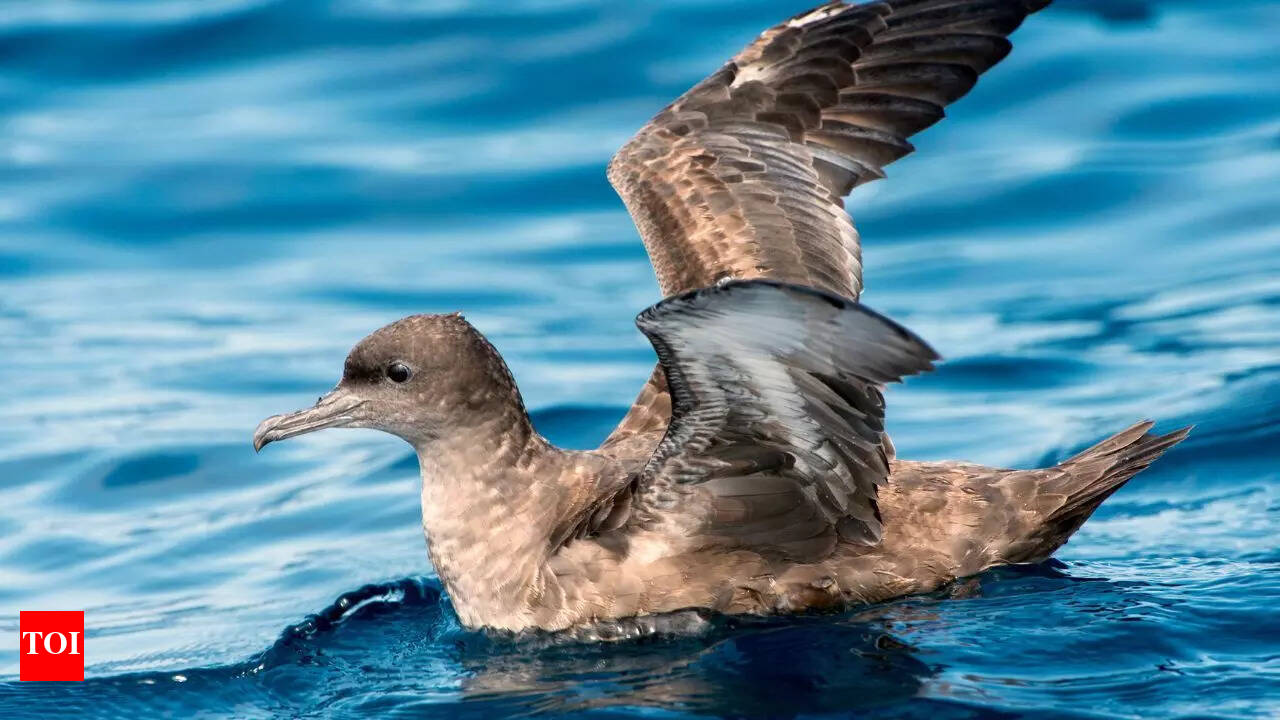
The Sooty Shearwater travels vast distances across the globe. Its migration path forms a giant figure-eight pattern. The bird covers around 65,000 kilometers annually. It travels from New Zealand to the North Pacific. This journey helps it find abundant food sources. The Sooty Shearwater’s migration is a global spectacle.

Credit: timesofindia.indiatimes.com
Migration Patterns And Routes
Bird migration is a fascinating natural event. Birds travel thousands of miles each year. Their migration patterns and routes show remarkable endurance and navigation skills. These routes vary based on species, geography, and weather. Understanding these paths helps us appreciate the challenges birds face.
Pole-to-pole Travel Paths
Some birds journey from the Arctic to the Antarctic. These pole-to-pole routes cover the longest distances. The Arctic tern is famous for this incredible migration. It travels about 25,000 miles yearly. This path crosses oceans and continents, showcasing extreme endurance. Birds follow sunlight and food availability on these long routes.
Coastal Vs. Inland Routes
Birds choose routes along coasts or inland depending on species. Coastal routes provide steady winds and food sources like fish. Inland routes often follow rivers, valleys, or mountain ranges. These paths offer shelter and stopover spots. Each route has risks like predators or storms. Birds adapt by selecting the safest and most resourceful paths.
Stopover Sites Importance
Stopover sites are critical for resting and refueling. Birds pause here to eat and regain energy. Wetlands, estuaries, and forests serve as important stopover areas. Loss of these sites can harm bird populations. Many migratory birds depend on a chain of stopovers. Protecting these habitats supports successful migrations.
Adaptations For Long Flights
Birds that travel thousands of miles during migration have evolved remarkable adaptations to survive these extreme journeys. These adaptations help them manage energy, find their way, and maintain their strength and endurance. Understanding these traits gives you insight into nature’s amazing engineering.
Energy Storage And Use
Long-distance migrants pack on fat before their journey. This fat acts as a high-energy fuel, much like a packed suitcase for a long trip. It helps them fly non-stop for days.
Many birds enter a state of hyperphagia, eating almost continuously to build these fat reserves. Once airborne, they use this stored energy efficiently by slowing their metabolism during rest stops. Have you ever thought about how your own energy levels affect your daily tasks?
Navigation Skills
Birds use a variety of cues to navigate, including the sun, stars, Earth’s magnetic field, and even smell. Some species have tiny iron particles in their beaks or brains that help sense magnetic fields. This natural GPS guides them accurately over vast distances.
Imagine relying on landmarks and invisible forces to find your way home without a map or phone. Birds do this with stunning precision, showing you the power of nature’s navigation tools.
Physical And Behavioral Traits
Streamlined bodies and long wings reduce air resistance and increase flight efficiency. Certain birds, like the Arctic Tern, have wing shapes that allow them to glide for hours without flapping. This saves precious energy.
Behaviorally, many birds fly in formations like V-shapes to reduce wind resistance and share the load. They also time their migrations to take advantage of favorable weather and wind conditions. What small changes in your routine could help you work smarter, not harder?
Challenges Faced During Migration
Bird migration is a remarkable journey filled with many obstacles. Birds that travel the farthest face intense challenges. These hurdles can affect their survival and success. Understanding these challenges helps us appreciate their endurance.
Weather Hazards
Strong winds can push birds off course. Storms bring heavy rain and dangerous turbulence. Sudden temperature drops cause energy loss. Birds must find shelter quickly to survive. Fog and clouds reduce visibility, making navigation hard.
Predators And Human Threats
Predators wait along migration routes. Birds face attacks from larger animals and birds of prey. Human activities add new dangers. Hunting and trapping reduce bird numbers. Collisions with buildings and vehicles cause injuries. Light pollution confuses birds at night.
Habitat Loss Impact
Many stopover sites disappear due to development. Without rest areas, birds cannot refuel properly. Wetlands, forests, and grasslands shrink every year. Food becomes scarce along migration paths. Habitat loss forces birds to fly longer without breaks. This increases fatigue and risk of death.
Tracking And Research Methods
Scientists use various ways to track birds that travel the farthest. These methods help us learn about their routes, stops, and behaviors. Tracking birds gives valuable data for protecting them and their habitats. Technology and community efforts both play key roles in bird migration studies.
Satellite Tagging
Satellite tags are small devices attached to birds. They send signals to satellites, showing exact locations. This method tracks long journeys over oceans and remote areas. Scientists get real-time data on migration paths. It works well for large birds like albatrosses and eagles.
Banding And Observation
Banding involves placing a tiny ring on a bird’s leg. Each band has a unique code. When banded birds are seen again, researchers learn about their travel distance and timing. Birdwatchers and scientists report sightings to help track these birds. This old method still provides important migration clues.
Data From Citizen Science
Citizen science lets everyday people help with bird tracking. Many bird lovers record sightings using apps and websites. This crowdsourced data covers large areas and many species. It helps identify migration patterns and stopover sites. Citizen involvement makes bird research broader and richer.

Credit: www.wildlifenomads.com
Conservation Efforts
Conservation efforts are essential to protect birds that migrate thousands of miles each year. These incredible travelers depend on a chain of safe habitats to rest, feed, and breed. Without focused efforts, their long journeys become even more dangerous.
Protecting Key Habitats
Many migratory birds rely on specific wetlands, forests, and coastal areas. Protecting these key habitats ensures they have safe stopover points. You might be surprised how a single wetland can support millions of birds during migration seasons.
Local conservation groups often work to preserve these areas by creating reserves or restoring damaged ecosystems. You can support these efforts by visiting and respecting protected parks or joining local clean-up activities.
International Cooperation
Migratory birds don’t recognize borders, so countries must work together. Agreements like the Migratory Bird Treaty Act or the African-Eurasian Migratory Waterbird Agreement help protect birds across continents. Without this cooperation, birds might be safe in one country but endangered in another.
Have you ever thought about how your actions in one country affect wildlife thousands of miles away? Supporting international conservation organizations can amplify your impact globally.
Public Awareness Campaigns
Raising awareness about migratory birds helps people understand their challenges and how to help. Campaigns use social media, educational programs, and community events to spread the word. When you learn about these birds, you’re more likely to support conservation efforts.
Next time you see a bird on its migration path, think about the journey it’s making and the protections it needs. Your awareness can inspire others and create a ripple effect of positive change.

Credit: www.youtube.com
Frequently Asked Questions
Which Bird Holds The Record For Longest Migration?
The Arctic Tern holds the record for the longest migration. It travels about 25,000 miles annually from the Arctic to Antarctica and back, experiencing two summers each year.
How Far Do Bar-tailed Godwits Migrate?
Bar-tailed godwits migrate approximately 7,000 miles non-stop from Alaska to New Zealand. This long-distance flight is one of the longest non-stop migrations by any bird.
Why Do Birds Migrate Such Long Distances?
Birds migrate long distances to find food, breed, and escape harsh weather. Migration helps them survive seasonal changes and access resources not available year-round.
What Adaptations Help Birds Migrate Far?
Birds have strong muscles, efficient metabolisms, and navigational skills. These adaptations enable them to fly long distances without stopping for rest frequently.
Conclusion
Bird migration shows nature’s amazing endurance and strength. Some birds travel thousands of miles every year. They cross oceans, mountains, and deserts. These journeys help birds find food and better weather. Learning about these travelers teaches us about wildlife and survival.
Their long flights inspire curiosity and respect. Watching or reading about them connects us to the natural world. Birds remind us how life adapts and moves. Their migrations are truly incredible feats of nature.