

Have you ever wondered where UK birds disappear to when winter arrives? As the cold sets in, many birds take off on incredible journeys to find warmer places.
Understanding where these feathered travelers go can change the way you see the seasons and the skies above you. Keep reading, and you’ll discover surprising facts about their destinations and why these migrations matter to you and the environment around you.
Winter Migration Patterns
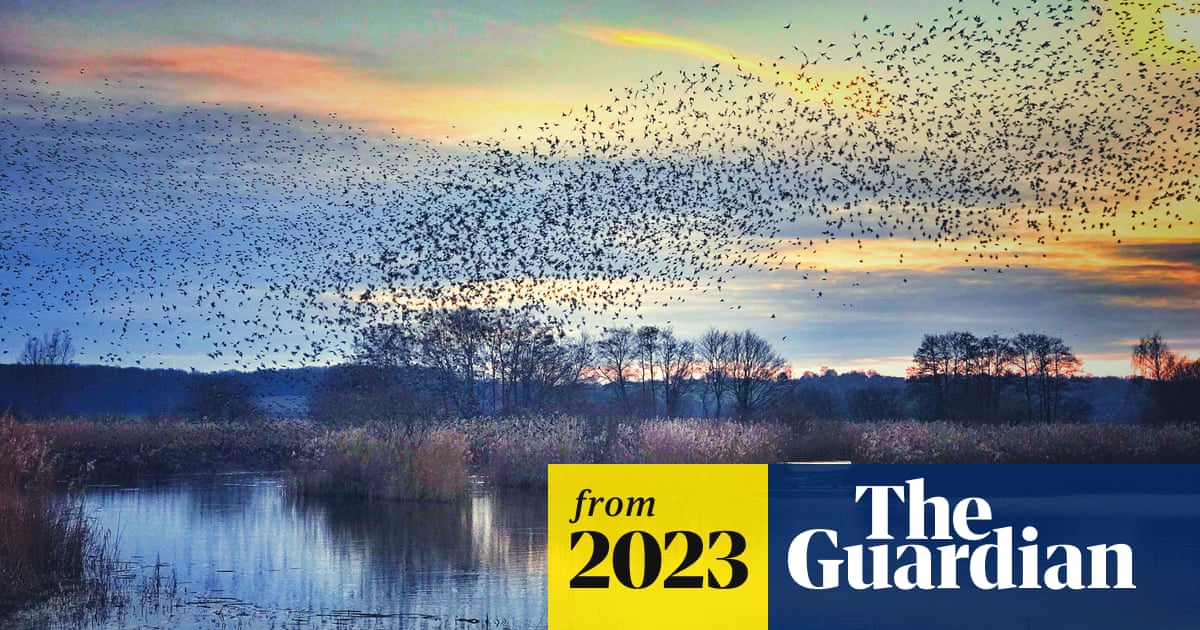
Winter is a challenging time for birds in the UK. Many species embark on long journeys to find better conditions. This movement, known as migration, involves specific patterns. These patterns help birds survive the cold months. Understanding these migration patterns can be fascinating.
Key Migratory Routes
UK birds follow several important routes during migration. The East Atlantic Flyway is a major path. It stretches from the Arctic to Africa. Birds like the barnacle goose use this route. The Mediterranean Flyway is another crucial path. Birds such as the swallow travel this way to reach warmer climates. These routes connect the UK to various parts of the world.
Timing Of Migration
Migration timing varies among bird species. Some birds start their journey in early autumn. Others wait until late autumn or even early winter. Swallows typically leave by September. They head to South Africa for warmth. The timing is crucial for survival. Birds rely on changing daylight and temperature to decide when to leave.
Credit: www.theguardian.com
Popular Destinations In Europe
Many UK birds travel south to find warmer places during winter. Europe offers several popular destinations with milder climates and abundant food. These spots provide safe resting and feeding grounds for migrating birds. Understanding these destinations helps us appreciate bird migration patterns and their survival strategies.
Southern Spain And Portugal
Southern Spain and Portugal are top winter spots for UK birds. The region has mild winters and rich wetlands. Birds find plenty of food in marshes, rivers, and coastal areas. Species like storks, flamingos, and ducks gather here. The Doñana National Park and Algarve coast are well-known bird havens. These areas offer shelter and feeding grounds away from harsh UK winters.
The Mediterranean Basin
The Mediterranean Basin attracts many UK birds during winter. Countries like Italy, Greece, and Turkey provide warm weather and diverse habitats. Olive groves, scrublands, and wetlands support various bird species. Warblers, swallows, and raptors are common visitors. The mix of water and land habitats helps birds rest and refuel. This region serves as a crucial stopover or winter home for migrating birds.
Destinations In Africa
Many UK birds travel thousands of miles to spend winter in Africa. The continent offers warm climates and abundant food. Birds find safe places to rest and feed before returning north in spring. Africa’s diverse environments attract various bird species from the UK.
Birds choose different parts of Africa depending on their needs. Some prefer areas close to the Mediterranean, while others fly deeper south. These destinations provide ideal conditions for survival during the cold months in the UK.
North African Havens
North Africa is a key stop for many UK birds. Countries like Morocco, Algeria, and Tunisia offer mild winters and plenty of food. Wetlands and coastal areas here attract waterfowl and wading birds.
- Mediterranean climate keeps temperatures moderate.
- Rich wetlands support ducks, geese, and waders.
- Plenty of insects and seeds for smaller birds.
- Close enough for shorter migration flights.
Birds such as the barn swallow and the common swift often rest here. They gain energy before continuing their journey further south or staying through winter.
Sub-saharan Retreats
Many UK birds fly beyond the Sahara Desert to Sub-Saharan Africa. This vast region includes savannas, forests, and lakes. It provides rich feeding grounds during the winter months.
- Countries like Senegal, Ghana, and Kenya are popular choices.
- Abundant insects and fruit support insectivores and frugivores.
- Large wetlands attract waterbirds and waders.
- Stable climate with warm temperatures year-round.
Species such as the common cuckoo and the pied flycatcher spend winters here. They rely on the plentiful food and safe habitats to survive until spring.
Credit: www.theguardian.com
Bird Species And Their Destinations
Bird migration is a fascinating natural event. Different bird species travel to various places during winter. These journeys help birds find food and better weather. Understanding where UK birds migrate gives insight into their survival strategies.
Each bird group has unique destinations. Their routes depend on their needs and abilities. Some travel thousands of miles, while others move shorter distances. Below are key bird groups and their common winter destinations.
Waders And Waterfowl
Waders and waterfowl are often seen near water bodies. They migrate to warmer coastal areas in Europe and Africa. Many UK waders fly to the west coast of Africa. This includes places like Senegal and The Gambia. Waterfowl like ducks and geese move to southern Europe and North Africa. These areas provide open water and plenty of food during winter.
Songbirds And Raptors
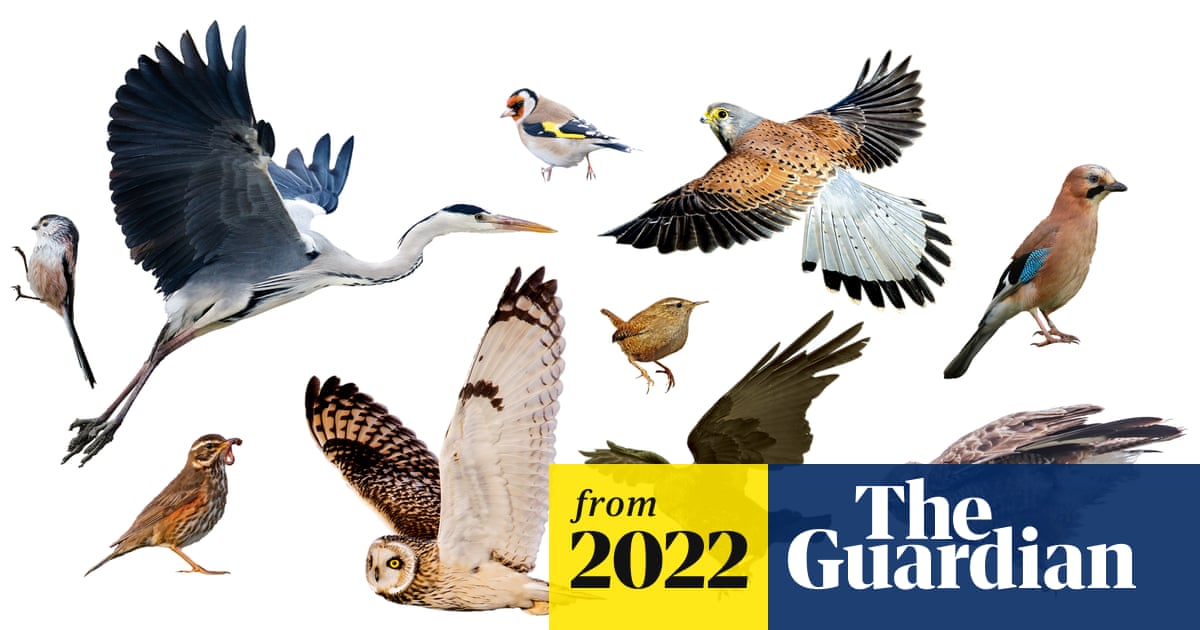
Songbirds are smaller birds that travel long distances. Many UK songbirds migrate to southern Europe, the Mediterranean, and North Africa. Warblers, finches, and thrushes are common examples. Raptors, or birds of prey, have different routes. Some raptors fly to southern Spain and North Africa. Others head to Eastern Europe or even as far as India. These destinations offer food and milder winters.
Factors Influencing Migration Choices
Bird migration is a complex process influenced by several important factors. Birds choose where to go based on what will help them survive the winter months. Understanding these factors gives insight into their behavior and routes.
Migration is not random. Birds respond to changes in their environment to find the best conditions. Two main elements play a big role in their decisions: climate and weather, and food availability. Each affects the choice of destination in different ways.
Climate And Weather
Temperature changes signal birds to start their journey. Cold weather forces them to seek warmer places. Harsh winters with snow cover limit survival chances. Birds move to regions with milder climates.
Wind patterns also affect flight paths. Favorable winds help birds save energy during long flights. Storms and strong winds can delay or redirect migration. Birds often wait for good weather to begin traveling.
Food Availability
Food is critical for energy and survival during winter. Birds follow food sources like insects, seeds, and berries. Scarce food in the UK pushes them to find richer feeding grounds abroad.
Some birds depend on specific foods that only grow in certain places. They migrate to areas where these foods are plentiful. Availability of food often determines how far birds travel and where they settle.
Credit: www.theguardian.com
Tracking Migration Today
Tracking bird migration today uses modern tools and wide community support. These tools help scientists follow birds over long distances. They reveal where UK birds travel during winter. The data improves our knowledge of migration patterns and bird behavior.
Satellite And Gps Technology
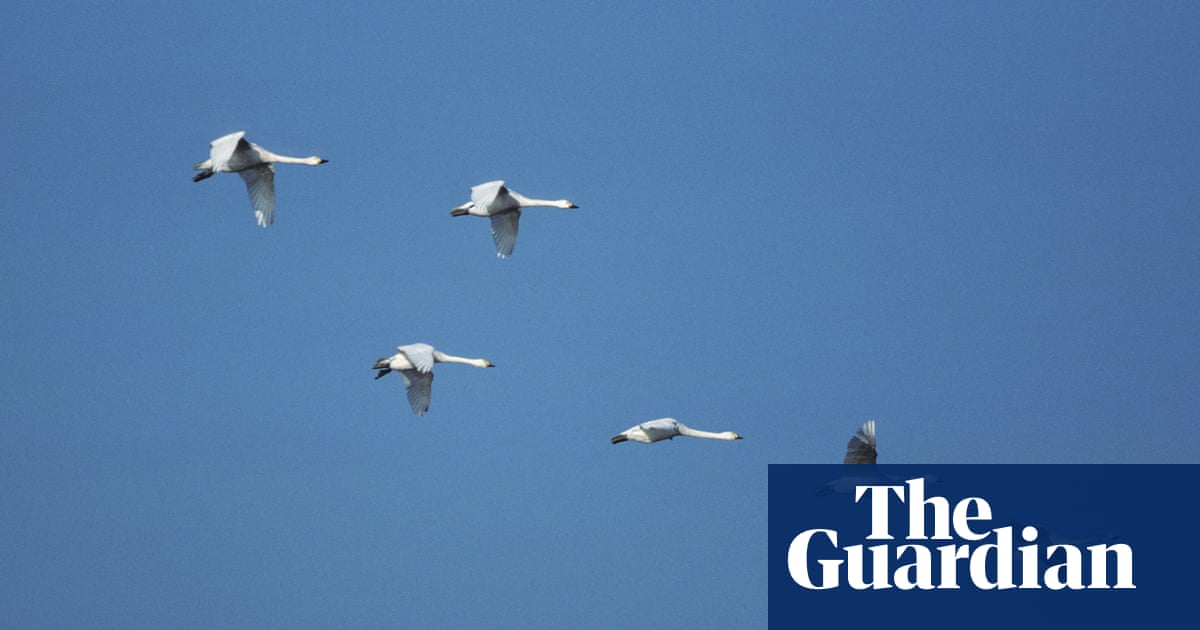
Satellite and GPS devices attach to birds to track their journeys. These small trackers send signals to satellites in space. Scientists get real-time locations and migration routes. This technology works well for larger birds like geese and swans. It shows exact stopover sites and flight paths across countries.
GPS trackers provide detailed data on speed and altitude. This helps understand how birds adapt to weather and geography. Satellite tracking also highlights new migration routes caused by climate changes. Such insights guide conservation efforts and protect important habitats.
Citizen Science Contributions
Many people join projects by observing and reporting bird sightings. This citizen science helps collect data from many places. Volunteers use apps and websites to share information about bird locations. These reports complement GPS data by covering more species and areas.
Citizen science creates a large network of bird watchers in the UK. It raises awareness and encourages public interest in bird migration. The combined efforts improve understanding and support bird protection policies. Everyone can help track migration by watching and recording birds.
Frequently Asked Questions
Where Do Uk Birds Migrate In Winter?
Many UK birds migrate to southern Europe, North Africa, and the Mediterranean. They seek warmer climates and abundant food sources during winter months.
Why Do Uk Birds Migrate In Winter?
UK birds migrate to avoid cold weather and food scarcity. Warmer regions provide better survival chances and breeding opportunities in winter.
Which Uk Birds Stay During Winter?
Some UK birds like robins, blackbirds, and blue tits stay year-round. They adapt to colder weather and find food in local habitats.
How Far Do Uk Birds Migrate In Winter?
UK birds travel varying distances, from a few hundred to thousands of kilometers. Migration depends on species, weather, and food availability.
Conclusion
Many UK birds travel far to find warmer homes in winter. They head to places with mild weather and plenty of food. Some fly to southern Europe or Africa. Others stay closer, moving to milder parts of the UK or Ireland.
This journey helps them survive cold months. Watching bird migration can teach us about nature’s cycles. It also reminds us how important it is to protect their habitats. Birds connect us to the changing seasons in a special way. Their travels inspire wonder and respect for wildlife.