

Have you ever wondered where Florida’s birds go when the seasons change? If you love watching birds or are curious about their mysterious travels, you’re in the right place.
Understanding where these feathered friends migrate can open your eyes to nature’s incredible rhythms. Keep reading, and you’ll discover surprising destinations and fascinating facts that might change the way you see the skies above Florida forever. Your next birdwatching adventure starts here!
Migration Patterns Of Florida Birds
Florida birds migrate to warmer places like the Caribbean, Central America, and South America. Many species travel south to find food and better weather during winter months. Some birds also stay in Florida if conditions remain mild.
Bird migration is a spectacular natural event. Florida, with its unique geography, plays a critical role. Birds travel vast distances, moving with the seasons. This journey ensures their survival and reproduction. Let’s explore the fascinating migration patterns of Florida birds.Seasonal Movements
Many birds migrate to Florida during the winter. They escape the harsh northern climates. Warblers, for instance, flock to the state in large numbers. These small birds find Florida’s mild winters ideal. In spring, the scene changes. Birds head north to breeding grounds. This includes species like the Swallow-tailed Kite. They leave Florida to nest and raise their young. Summer sees fewer migratory arrivals. Most birds focus on breeding activities. They build nests and feed their chicks. Autumn is a busy time again. Birds prepare for the journey south. They gather in large flocks, ready to travel.Common Migration Routes
Migration routes follow specific paths. The Atlantic Flyway is one of the major routes. It runs along the eastern U.S. coast. Many birds use this path to reach Florida. Another key route is the Mississippi Flyway. Birds from the Midwest head south via this path. It offers rich feeding grounds and safe passage. Birds often fly in groups for protection. This helps them conserve energy during long flights. The Gulf of Mexico poses a significant barrier. Birds often detour around it. Some brave species fly directly across. Understanding these routes helps conservationists. They work to protect vital habitats along the way. Florida’s diverse ecosystems support many species. From coastal marshes to inland forests, each plays a role in migration. Recognizing these patterns highlights Florida’s importance in bird migration. It underscores the need for habitat preservation. Protecting these routes ensures the survival of countless birds.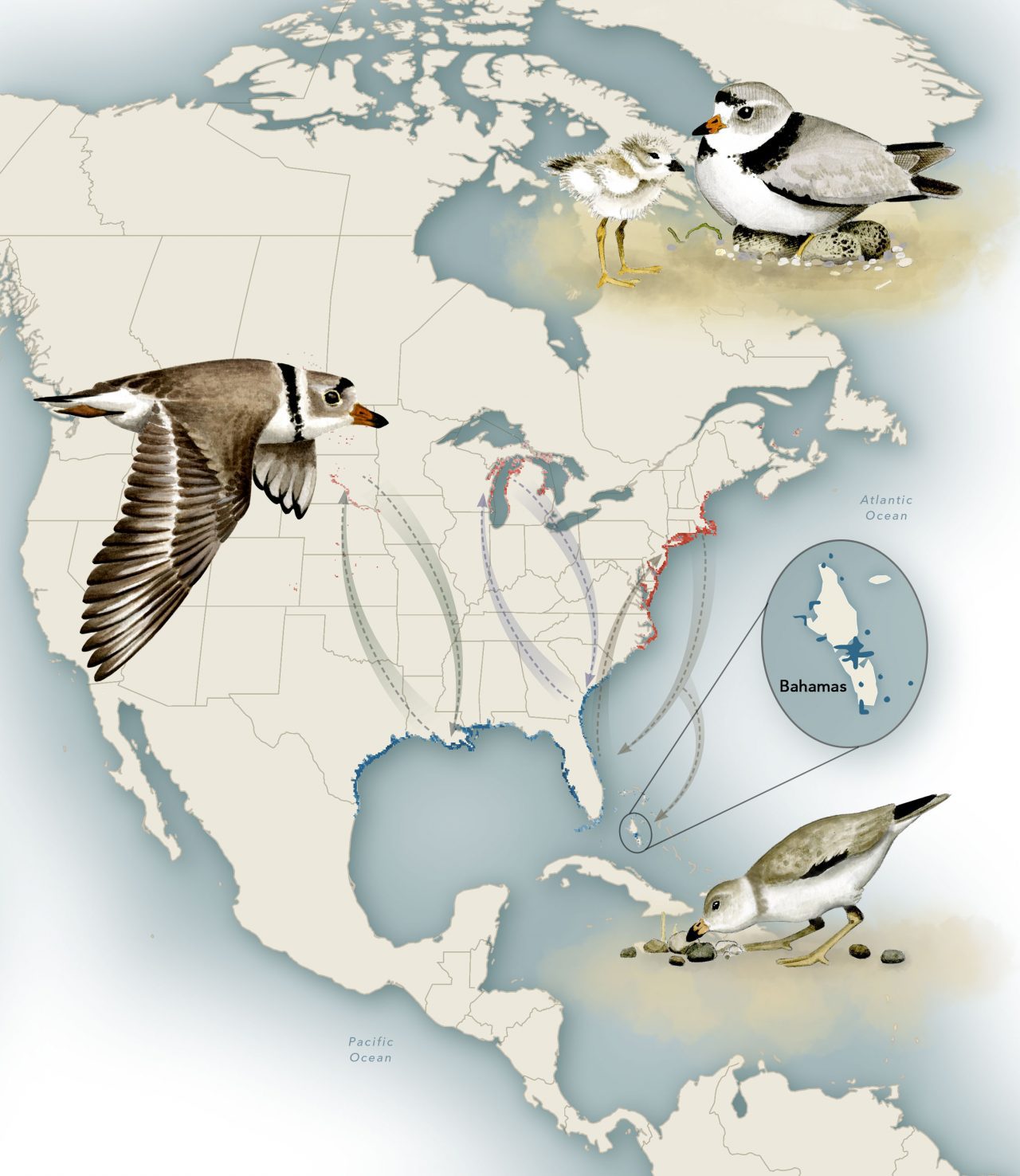
Credit: www.allaboutbirds.org
Popular Destinations For Florida Birds
Florida birds travel to various places during migration seasons. Their destinations depend on the species and weather changes. Many birds leave Florida to find warmer climates or better food sources.
Popular destinations for Florida birds include regions across North America, the Caribbean, and beyond. These places offer safe habitats and abundant resources for resting and feeding during their long journeys.
Northern States And Canada
Some birds migrate north to states like New York, Michigan, and Minnesota. Canada is also a common destination for many species. These areas have plentiful forests, lakes, and wetlands ideal for nesting.
- Songbirds often travel to forested regions.
- Waterfowl prefer lakes and marshes.
- Raptors seek open spaces for hunting.
Caribbean Islands
The Caribbean Islands attract Florida birds for their warm climate and rich food supply. Islands such as Cuba, Puerto Rico, and the Bahamas serve as stopover spots. Many birds rest here before continuing their journey south.
- Warblers and thrushes find ample insects.
- Seabirds enjoy coastal waters.
- Fruit-eating species feed on island plants.
Central And South America
Some Florida birds travel as far south as Central and South America. Countries like Mexico, Colombia, and Brazil provide tropical environments. These areas support birds during winter with food and shelter.
- Hummingbirds often reach Central America.
- Swallows and swifts fly to South America.
- Many shorebirds settle in coastal wetlands.
Factors Influencing Migration
Bird migration in Florida is a complex process shaped by several key factors. These elements influence when and where birds travel each year. Understanding these factors helps explain the patterns of migration observed across the state. Each factor plays a crucial role in guiding birds to their preferred locations.
Climate And Weather
Climate changes trigger many birds to start migrating. Birds often move to avoid cold temperatures and harsh weather. Florida’s warm climate attracts many species in winter. Storms and wind patterns also affect migration routes. Birds use favorable weather to conserve energy during long flights.
Food Availability
Food is a vital reason for migration. Birds travel to places with abundant food supplies. Seasonal changes impact the availability of insects, fruits, and seeds. Florida’s rich ecosystems provide diverse food sources at different times. Birds follow these food sources to survive and build energy.
Breeding Habitats
Breeding needs strongly influence migration choices. Birds seek safe, suitable areas to nest and raise young. Florida offers many wetlands, forests, and coastal areas ideal for breeding. Migrating to these habitats ensures better protection and food for chicks. Many birds return to the same breeding sites each year.
Surprising Migration Destinations
Florida birds are known for their impressive migration journeys, but some of their destinations might surprise you. While many head to expected spots, others take routes that are less obvious and more intriguing. Understanding these surprising migration destinations can change how you see bird behavior and migration patterns.
Unexpected Tropical Locations
Some Florida birds travel beyond the usual Caribbean hotspots to tropical places you might not expect. Certain species head to remote islands in the South Atlantic or even parts of Central America that are rarely mentioned in bird guides.
Take the Black-whiskered Vireo, for example. Instead of just stopping in the Bahamas, it sometimes pushes further to places like the Turks and Caicos Islands. This detour provides rich feeding grounds that help the birds refuel for their long journey.
Have you ever wondered why some birds choose these distant tropical spots? It’s often about finding food and safe resting places away from crowded areas. This behavior shows how flexible and resourceful migrating birds can be.
Unusual Urban Stops
You might expect birds to avoid cities during migration, but some actually use urban areas as important stopovers. Parks, golf courses, and even city rooftops can offer food and shelter during long flights.
For instance, the Peregrine Falcon, known for nesting on cliffs, has adapted to city skyscrapers in Florida as resting and hunting spots during migration. This adaptation shows their ability to thrive in human environments.
Next time you see birds in your city during migration season, consider that they might be making the most of urban resources. What urban spots near you could be hidden havens for migrating birds?
Tracking Florida Birds On Their Journey
Tracking Florida birds on their migration journey helps us understand their routes and habits. Birds travel thousands of miles to reach warmer places or find food. Scientists use special methods to follow their flights. These methods reveal important details about where birds go and how they survive. Observing their travels also helps protect these species and their habitats.
Bird Banding And Tagging
Bird banding is a common way to track migration. Scientists attach small, lightweight rings to birds’ legs. Each band has a unique number. When a bird is found again, the number tells where it has been. Tagging uses small devices that stay on the bird longer. These tags record information like location and flight speed. Both methods give clear data about migration paths.
Technology In Migration Studies
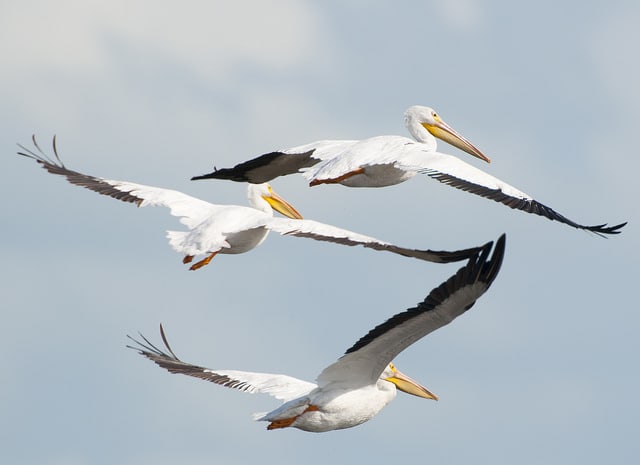
New technology makes tracking easier and more accurate. GPS trackers provide real-time locations of birds during flight. Satellite tags send signals from far away places. Tiny geolocators record light levels to estimate a bird’s position. Drones and radar help spot flocks from the ground. These tools help scientists learn about migration timing and stopover sites.
Credit: www.floridarambler.com
How To Spot Migrating Birds In Florida
Spotting migrating birds in Florida is an exciting challenge that connects you with nature’s rhythms. Understanding where and when to watch makes your experience richer and more rewarding. Let’s dive into the best times and places to catch these feathered travelers in action.
Best Times For Birdwatching
Migration peaks during spring and fall. In spring, birds head north to breed, while in fall, they travel south to warmer climates. Plan your outings between March and May or September and November for the highest chances of sightings.
Early mornings offer the best light and bird activity. Birds are most active at dawn and tend to settle down by midday. Have you noticed how quiet the world becomes just before sunrise? That’s your perfect window.
Weather also affects migration patterns. Clear, calm days make it easier to spot birds on the move. After a storm, you might see an increase in bird activity as they take advantage of fresh winds.
Key Locations In Florida
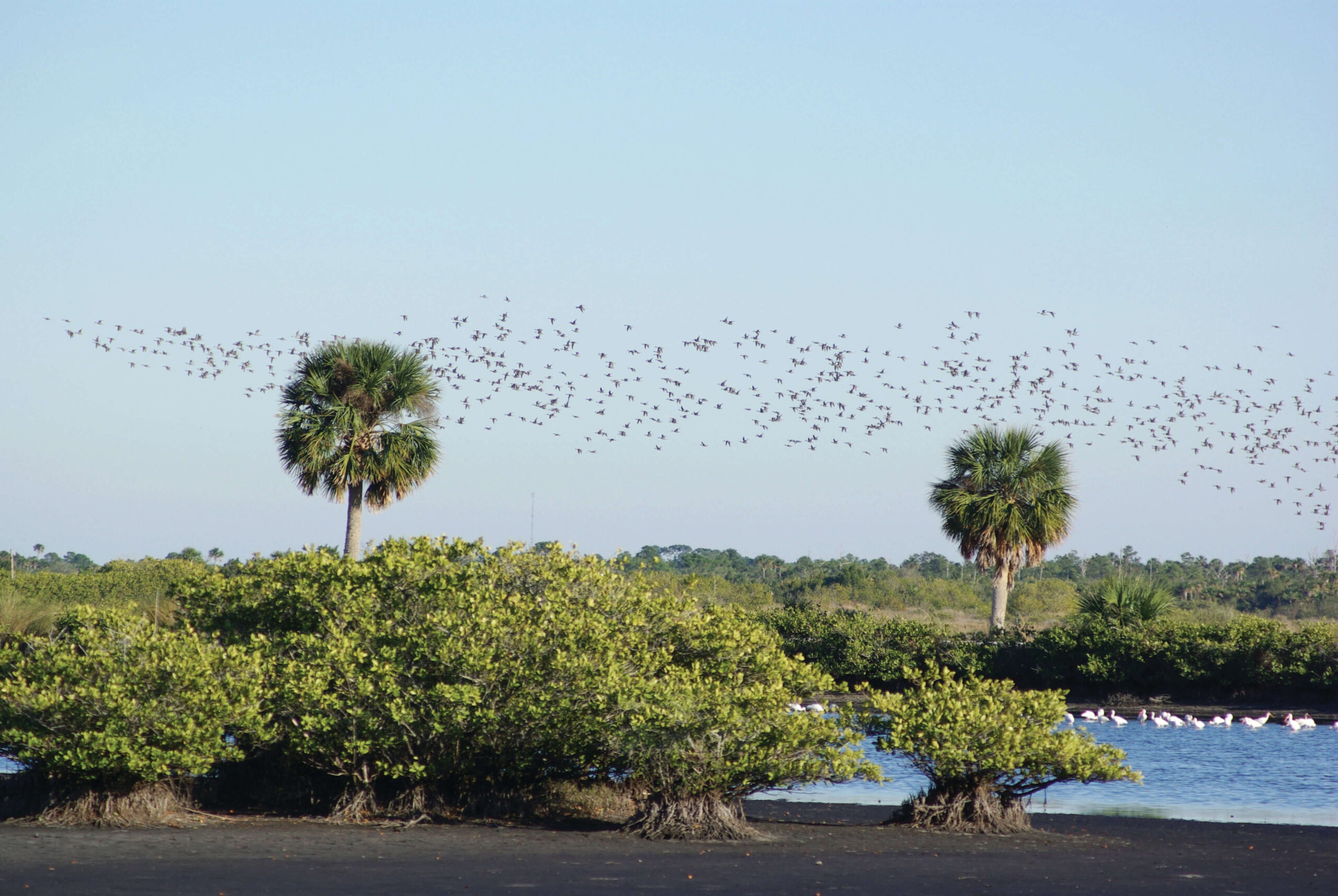
Florida offers diverse habitats that attract different species of migrating birds. Coastal areas like the Florida Keys and Cape Canaveral provide stopover points for shorebirds and seabirds. Have you ever stood by the ocean and watched flocks swoop over the waves?
- Everglades National Park:A mix of wetlands draws herons, egrets, and many songbirds.
- St. Marks National Wildlife Refuge:Known for raptors and waterfowl during migration seasons.
- Ocala National Forest:Forested areas here support warblers and woodpeckers moving through.
Don’t forget urban parks and gardens. Even city green spaces can be hotspots if you know what to look for. Carry a field guide or use a bird identification app to make your observations more meaningful.
Credit: www.visitspacecoast.com
Frequently Asked Questions
Where Do Florida Birds Migrate During Winter?
Many Florida birds migrate north to cooler states or south to Central and South America. They seek better food and breeding conditions.
Why Do Florida Birds Migrate Seasonally?
Birds migrate to find food and suitable climates. Seasonal changes in temperature and daylight trigger migration instincts.
Which Florida Birds Are Known For Long Migrations?
Species like the Swallow-tailed Kite and Black Skimmer travel thousands of miles. Their migration spans from Florida to South America.
How Do Florida Birds Navigate Migration Routes?
Birds use the sun, stars, Earth’s magnetic field, and landmarks. These natural guides help them travel accurately over long distances.
Conclusion
Florida birds travel to many places during migration. Some fly north to cooler states. Others head south to warmer lands like the Caribbean or Central America. These journeys help birds find food and safe spots to rest. Watching their migration shows how nature stays connected.
Knowing where birds go can make birdwatching more fun. It also helps protect their routes and homes. Migration is a natural and amazing event. It reminds us how important it is to care for wildlife and the environment.