

Have you ever wondered where falcon birds go when the seasons change? These incredible hunters don’t just stay put—they travel thousands of miles to find the perfect place to live and hunt.
Understanding where falcons migrate can give you a new appreciation for their strength and survival skills. You’ll discover the surprising routes falcons take, why they choose certain destinations, and how their migration affects the world around them. Keep reading to unlock the secrets of these amazing birds and see the world through their eyes.
Falcon Migration Patterns
Falcons migrate to warmer areas during cold seasons, often traveling from northern regions to the south. These birds follow specific routes to find food and suitable climates. Migration helps them survive harsh winters and raise their young in better conditions.
Falcon migration patterns are a fascinating spectacle that captures the imagination of bird enthusiasts and casual observers alike. These majestic birds undertake incredible journeys each year, traversing thousands of miles across continents. Understanding their migration patterns offers insight into the adaptability and resilience of these skilled hunters.Seasonal Routes
Falcons are known for their precise and predictable seasonal routes. They typically migrate twice a year, moving from breeding grounds in the north to wintering grounds in the south. For instance, the Peregrine Falcon, one of the most widespread species, breeds in the Arctic and migrates to South America for the winter months. This long-distance journey ensures they have access to food and favorable climates year-round.Factors Influencing Migration
Several factors influence the migration of falcons. One key element is the availability of food. Falcons follow their prey, which often moves in response to changing seasons and environmental conditions. Weather patterns also play a significant role; favorable winds can assist their flight, while storms can delay or alter their routes. Human activities, such as urban development and pollution, can disrupt traditional migration paths. This means falcons must adapt, sometimes choosing less ideal routes to reach their destinations. Have you ever considered how these magnificent birds navigate such challenges and continue their incredible journeys year after year? Understanding these factors not only highlights their adaptability but also underscores the importance of conserving their habitats.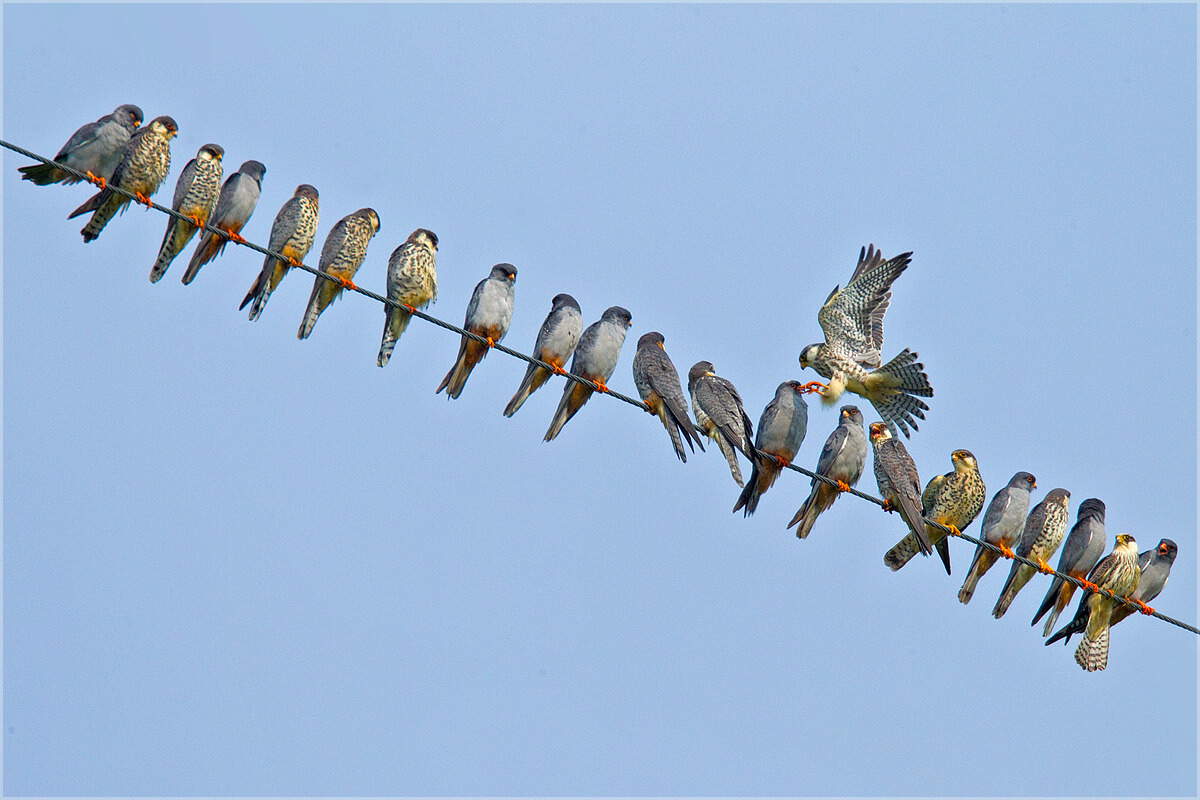
Credit: birdcount.in
Major Falcon Species And Their Routes
Falcons are remarkable birds known for their speed and hunting skills. Different falcon species migrate along unique routes. Their paths depend on climate, food, and breeding needs. Understanding these routes helps protect their habitats and supports conservation efforts.
Peregrine Falcons
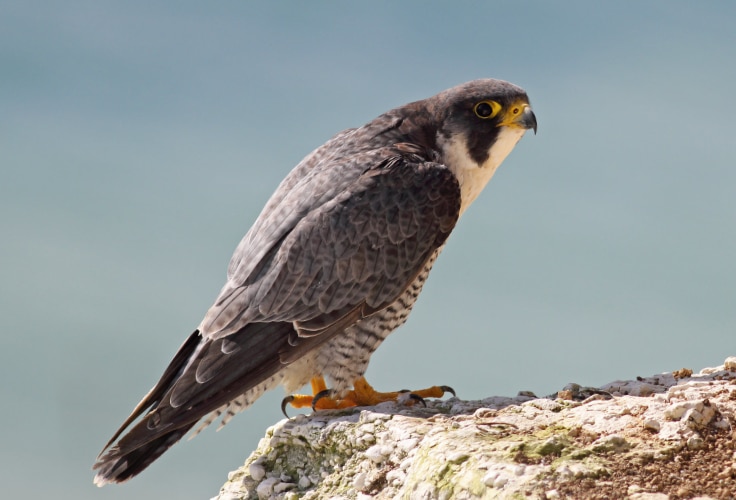
Peregrine Falcons have one of the longest migration routes. They travel from the Arctic tundra to South America. These falcons fly over mountains, deserts, and oceans. They prefer coastal and open areas during migration. Their journey can cover over 15,000 miles annually.
Saker Falcons
Saker Falcons mostly breed in Central Asia. During winter, they migrate to the Middle East and parts of Africa. They use open grasslands and desert routes. Their migration is shorter than peregrine falcons but still covers thousands of miles. Saker Falcons avoid dense forests and high mountains.
Gyrfalcons
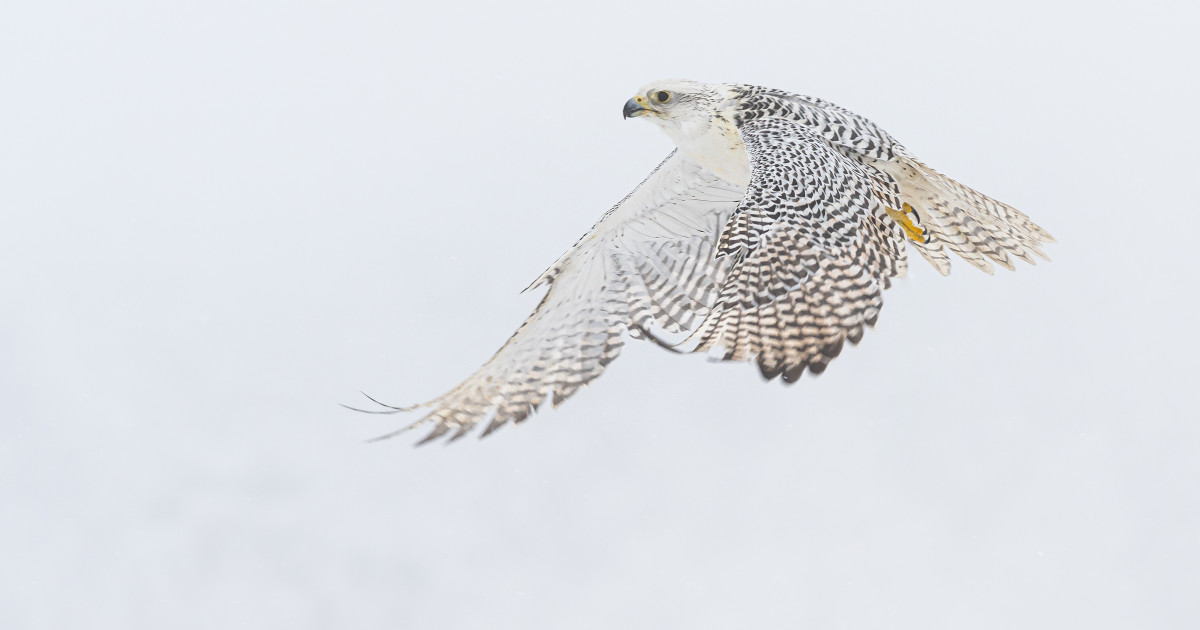
Gyrfalcons live in Arctic and sub-Arctic regions. They migrate south to Canada and the northern United States. Their routes follow coastlines and open tundra. These falcons prefer cold, open spaces for hunting. Their migration distances are shorter than peregrine and saker falcons.
Challenges Falcons Face During Migration
Falcons face many challenges during migration. These obstacles test their strength and survival skills. The journey is long and full of risks. Falcons must deal with harsh weather and avoid dangers from predators and humans. Understanding these challenges helps us appreciate their incredible migration.
Weather Conditions
Weather plays a big role in falcon migration. Strong winds can push them off course. Heavy rain and storms make flying hard. Cold temperatures drain their energy fast. Falcons need clear skies and mild weather to travel safely. Sometimes, they must rest for days until weather improves.
Predators And Human Threats
Falcons face threats from other animals and humans. Larger birds of prey may attack them during migration. Human activities like hunting and habitat destruction also pose risks. Collisions with vehicles and buildings can cause injury or death. Falcons must stay alert and choose safe routes to survive these dangers.
Tracking Falcon Migrations
Tracking falcon migrations reveals incredible details about their long journeys across continents. These birds travel thousands of miles, crossing diverse landscapes and climates. Understanding their routes helps protect their habitats and ensures their survival.
Satellite Tagging
Satellite tagging involves attaching small, lightweight transmitters to falcons. These devices send real-time location data to researchers, allowing continuous tracking without disturbing the birds.
With satellite tagging, you can see exact migration routes, stopover spots, and flight speeds. This technology has uncovered surprising behaviors, like unexpected detours or extended rest periods.
Have you ever wondered how far a falcon flies in a single day? Satellite data shows some cover over 300 miles daily, pushing the limits of endurance.
Citizen Science Contributions
Everyday bird watchers play a vital role in tracking falcon migrations. By reporting sightings through apps and websites, they add valuable data points that satellites might miss.
This crowd-sourced information helps fill gaps in migration maps and reveals local patterns. For example, a community spotting falcons near urban areas can highlight new stopover habitats.
How often do you notice falcons in your area? Your observations could contribute to a larger conservation effort. Citizen science connects you directly to the journey of these incredible birds.
Importance Of Migration For Falcons
Migration is a crucial part of a falcon’s life cycle. It affects their ability to reproduce, find food, and survive harsh conditions. Understanding why falcons migrate helps you appreciate their adaptability and resilience.
Breeding And Feeding Grounds
Falcons migrate to specific areas to breed and raise their young. These breeding grounds offer safety and abundant food resources. Without reaching these spots, falcons would struggle to reproduce successfully.
Feeding grounds are equally important. Falcons follow prey availability and weather patterns to find the best hunting areas. Your backyard might seem far from their journey, but it’s part of a bigger map they rely on.
Survival Strategies
Migration is a survival strategy that helps falcons avoid extreme weather and food shortages. Moving to warmer climates during winter means they can keep hunting instead of starving. Have you ever wondered how they know when and where to go?
Falcons use a mix of instinct, environmental cues, and learning from older birds. This precise timing and route selection improve their chances of survival. Watching a falcon’s migration is witnessing nature’s perfect plan in action.
Credit: avibirds.com
Conservation Efforts For Migratory Falcons
Conserving migratory falcons is more important than ever. These birds travel vast distances, facing many threats along the way. Protecting their habitats and ensuring safe migration routes helps maintain their populations and the balance of ecosystems.
Protected Areas
Protected areas act as safe havens for falcons during migration and breeding seasons. National parks, wildlife reserves, and sanctuaries provide shelter from hunting and habitat loss. You might be surprised to learn that some falcons return to the same protected spots year after year, showing the importance of preserving these locations.
Many countries have designated specific zones where falcon habitats are preserved. These areas often include:
- Cliffs and open landscapes for nesting
- Plentiful prey availability
- Minimal human disturbance
International Collaboration
Migratory falcons cross multiple countries during their journeys. This makes international cooperation essential for their protection. Without joint efforts, conservation in one region can be undone by threats in another.
Organizations and governments work together to:
- Share data on falcon migration patterns
- Enforce laws against illegal hunting and trade
- Coordinate habitat restoration projects
Think about your role—supporting conservation groups or spreading awareness can strengthen these global efforts. What local actions can you take to help protect migratory falcons on their incredible journeys?
Credit: www.secretatlas.com
Frequently Asked Questions
Where Do Falcons Migrate During Winter?
Falcons migrate to warmer regions in winter, mainly to Africa, southern Asia, and parts of the Middle East. They seek areas with abundant prey and milder climates to survive the cold season.
How Far Do Falcons Travel When Migrating?
Falcons can travel thousands of miles during migration. Some species cover distances up to 5,000 miles to reach their wintering grounds safely.
Why Do Falcons Migrate Seasonally?
Falcons migrate to find food and suitable breeding environments. Seasonal changes affect prey availability, prompting them to move to better habitats during winter.
When Do Falcons Start Their Migration Journey?
Falcon migration usually begins in late summer to early autumn. This timing allows them to avoid harsh winter conditions and find ample food.
Conclusion
Falcon birds migrate to find better food and weather. They travel to warmer places during cold months. Some falcons fly thousands of miles each year. Migration helps them survive and breed safely. Watching their journey teaches us about nature’s wonders.
Understanding where falcons migrate helps protect their habitats. Their travels show how animals adapt to change. Next time you see a falcon, think about its long trip. Nature’s patterns are truly amazing to explore.