

Have you ever wondered why birds suddenly take off and travel thousands of miles at certain times of the year? This fascinating behavior isn’t random—it’s a carefully timed and instinctive action called migration.
Understanding what type of behavior bird migration is can reveal amazing insights into how animals adapt and survive. If you want to discover the secrets behind this natural phenomenon and what drives birds to make such incredible journeys, keep reading.
You’ll learn surprising facts that might change how you see the world around you.
Migration As Instinctive Behavior
Bird migration is a fascinating natural event. Birds travel thousands of miles. They move from one region to another. This journey is not just about survival. It’s a deeply ingrained instinct. Birds follow ancient routes, guided by nature’s cues. These journeys are essential for breeding and feeding.
Innate Navigation Skills
Birds possess remarkable navigation skills. They use the sun and stars to guide them. Some birds can even detect the Earth’s magnetic fields. This ability is built into their nature. They can find their way across vast distances. Despite challenges, they reach their destinations.
Genetic Influence On Migration
Migration is not just learned behavior. It’s influenced by genetic factors too. Genes play a crucial role in their travel patterns. Each species has its own unique migration path. These paths are passed down through generations. This genetic blueprint ensures survival. Birds rely on it to reach safe grounds.
Triggers For Migration
Bird migration is a fascinating behavior driven by various natural triggers. These triggers signal to birds when it’s time to move, ensuring their survival and reproductive success. Understanding these triggers helps you appreciate the complexity behind their long journeys.
Seasonal Changes
Birds respond strongly to the changing seasons. As temperatures drop or rise, they sense the need to relocate to more favorable environments. You might have noticed how certain birds vanish in winter and reappear in spring—this is their way of adapting to seasonal shifts.
These changes affect their breeding cycles and habitat conditions. Birds time their migration to match the best season for feeding and nesting. Have you ever wondered how they know exactly when to leave?
Food Availability
Food scarcity is a powerful trigger for migration. When local resources dwindle, birds move to areas rich in food. This can include insects, seeds, or fruits depending on the species.
Your backyard might see fewer birds in certain months simply because their usual food sources have disappeared. Think about how you plan your meals; birds do the same, seeking places where food is plentiful.
Daylight Variations
Changes in daylight length, or photoperiod, play a crucial role in migration timing. Birds’ internal clocks react to longer or shorter days, prompting hormonal changes that prepare them for travel.
This natural timer helps birds avoid harsh weather and aligns their migration with optimal conditions. Next time you notice longer evenings, consider how this subtle shift guides birds miles away.
Patterns And Routes
Bird migration follows fascinating patterns and routes that have intrigued scientists and bird watchers alike. These journeys are not random but highly organized, showcasing incredible endurance and precise navigation skills. Understanding these patterns can change how you view the natural world around you.
Long-distance Journeys
Many birds travel thousands of miles during migration, crossing continents and oceans. The Arctic tern, for example, makes one of the longest migrations, flying from the Arctic to the Antarctic and back each year. These long flights require birds to store energy efficiently and adapt to different climates along the way.
Have you ever wondered how birds manage such extreme endurance without stopping for days? The secret lies in their ability to optimize flight speed and altitude, often riding wind currents to save energy.
Stopover Sites
Birds rarely fly nonstop for their entire journey. They rely on stopover sites—safe resting places where they can eat and regain strength. Wetlands, forests, and coastal areas often serve as crucial stopovers.
Imagine planning a road trip without gas stations or rest stops. You’d run out of fuel quickly. Birds face the same challenge, making these stopovers essential for survival. Have you noticed local parks filling up with migratory birds during certain seasons? Those places might be important stopover sites.
Navigation Methods
Birds use a combination of natural cues to find their way, including the sun, stars, Earth’s magnetic field, and landmarks. Some species even have a built-in magnetic compass in their brains. This complex navigation system helps them stay on course even when weather conditions are tough.
Think about your own sense of direction. Birds possess an extraordinary ability to navigate across vast distances without getting lost. How might this inspire you to trust your own instincts more during challenging journeys?
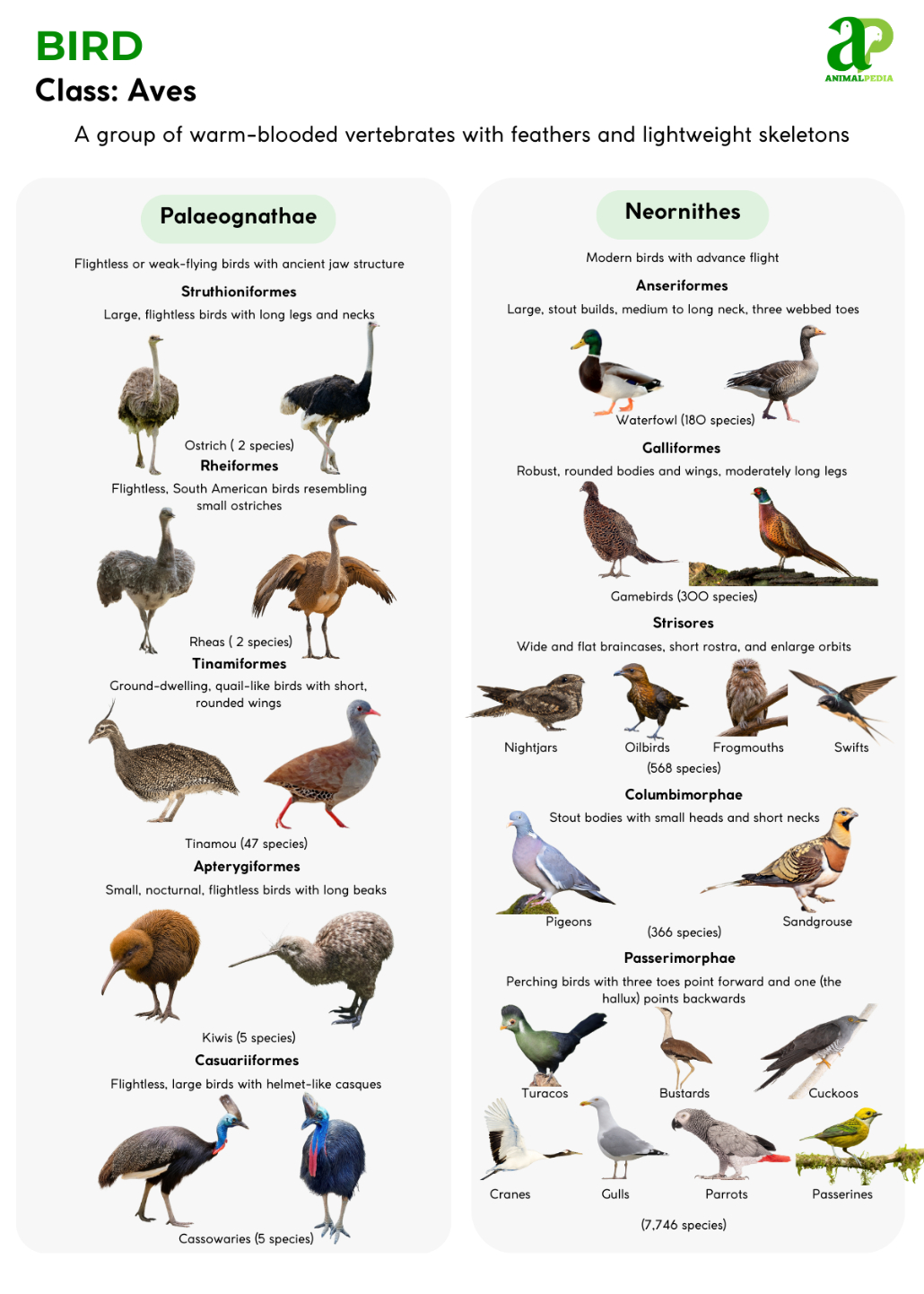
Credit: animal-pedia.org
Physiological Adaptations
Bird migration is a remarkable behavior that involves more than just flying from one place to another. Behind this journey lie crucial physiological adaptations that prepare birds to endure long flights and changing environments. These changes in their bodies allow birds to store energy, strengthen muscles, and withstand harsh weather conditions.
Energy Storage And Use
Before migration, birds increase their food intake dramatically to build up fat reserves. Fat acts as their primary fuel, providing more energy per gram than carbohydrates or proteins. This stored energy lets them fly nonstop for hours or even days.
During migration, birds carefully manage this energy to avoid exhaustion. Their bodies switch efficiently between burning fat and carbohydrates. Have you ever wondered how they know exactly when to slow down or speed up? It’s all about controlling energy use to maximize endurance.
Muscle And Wing Changes
Muscles play a vital role in migration. Birds develop stronger flight muscles to power their long journeys. This muscle growth happens quickly, often in just a few weeks before departure.
Wing shape and size also adapt for efficiency. Some species grow longer or more pointed wings to reduce air resistance and save energy. Imagine running a marathon with shoes designed just for that purpose—birds do the same with their wings.
Weather Endurance
Migrating birds face unpredictable weather like storms, cold snaps, and high winds. Their bodies adapt by regulating temperature more effectively. Feathers become denser or more waterproof to keep them dry and warm.
Birds also adjust their metabolism to generate extra heat during cold flights. This ability helps them survive extreme conditions where you might struggle just to stay warm. Have you noticed how sometimes birds seem to disappear during bad weather? They’re actually conserving energy and protecting themselves until conditions improve.
Social Behavior During Migration
Bird migration is not just a solitary journey; it’s a complex social behavior that often involves close interaction with other birds. During migration, birds rely heavily on social cues and cooperation to navigate vast distances. This social aspect helps them conserve energy, avoid predators, and improve their chances of reaching their destination safely.
Flocking Benefits
Flying in flocks offers birds several clear advantages. When you watch a flock of birds in the sky, you might notice how they form V-shaped patterns or tight groups. These formations reduce wind resistance, allowing birds to save energy by riding the air currents created by those in front.
Besides energy savings, flocking also provides safety in numbers. A group can spot predators more quickly than a lone bird, giving everyone a better chance to escape danger. You might wonder how these birds coordinate their movement so smoothly—this leads us to their remarkable communication skills.
Communication In Flight
Birds use various signals to stay connected during migration. You can hear calls that help maintain flock cohesion and warn of threats. These vocalizations are essential, especially in poor visibility or when flying at night.
Visual cues also play a role. Birds adjust their speed and direction by closely watching their neighbors. Have you ever seen a sudden, synchronized turn in a flock? That’s a perfect example of real-time communication ensuring the group stays together and navigates effectively.

Credit: www.youtube.com
Challenges Faced By Migratory Birds
Migratory birds face many challenges during their long journeys. These obstacles can affect their survival and success. Understanding these challenges helps us protect these amazing travelers.
Predators And Risks
Birds face many predators while migrating. Hawks, falcons, and other birds of prey hunt them. On the ground, foxes and cats can attack resting birds. Migrating birds also risk exhaustion and injury from long flights. Storms and bad weather increase these dangers.
Climate Change Impact
Climate change alters bird migration patterns. Birds may arrive too early or late at breeding sites. Food sources may disappear or shift locations. Warmer temperatures can confuse their natural timing. This makes it harder for birds to survive and reproduce.
Human-caused Obstacles
Human activities create many barriers for migratory birds. Tall buildings and towers cause collisions. Light pollution disorients birds during night flights. Habitat destruction removes important resting and feeding spots. Pollution and pesticides also harm bird health.
Scientific Insights Into Migration
Bird migration is a fascinating behavior that scientists have studied for decades to understand how and why birds travel thousands of miles. This behavior involves complex navigation skills, energy management, and environmental cues. Scientific insights have revealed surprising details about migration patterns, helping us appreciate the challenges birds face during their journeys.
Tracking Technologies
Modern technology has transformed how scientists study bird migration. Tiny GPS trackers and satellite tags now let researchers follow individual birds in real time. These devices provide detailed data on flight paths, stopover points, and migration speed.
Before these tools, migration routes were often guessed based on sightings. Now, you can see exactly where a bird flies and how long it rests. This has helped uncover unexpected routes and behaviors, like birds flying over open oceans or changing paths due to weather.
Recent Research Findings
New studies show that migration is not just instinct but also involves learning and adaptation. Some birds adjust their timing and routes based on previous experiences and environmental changes. This flexibility increases their chances of survival during harsh conditions.
Scientists also discovered that climate change is affecting migration patterns. Birds may start their journeys earlier or later, which can impact breeding and food availability. Understanding these shifts can help you support conservation efforts and protect migratory species.

Credit: www.thetransmitter.org
Frequently Asked Questions
What Type Of Behavior Is Bird Migration?
Bird migration is an innate, seasonal behavior where birds travel to find food and breeding grounds. It helps them survive harsh climates and optimize resources.
Why Do Birds Migrate Annually?
Birds migrate annually to escape cold winters and find abundant food. This cyclical movement ensures their survival and reproductive success.
How Do Birds Navigate During Migration?
Birds use the sun, stars, Earth’s magnetic field, and landmarks to navigate. These natural cues guide their long-distance journeys accurately.
Is Migration Learned Or Instinctive In Birds?
Migration is mostly instinctive, programmed in birds’ genes. Young birds inherit migratory routes without prior experience, guided by internal clocks.
Conclusion
Bird migration shows how birds adapt to survive and thrive. They travel long distances to find food and better weather. This behavior helps birds stay safe and healthy. Understanding migration helps us protect these amazing creatures. Watching birds migrate reminds us of nature’s wonders.
It also teaches us about change and endurance. Bird migration remains a fascinating topic for all ages. Keep observing and learning about these incredible journeys.