
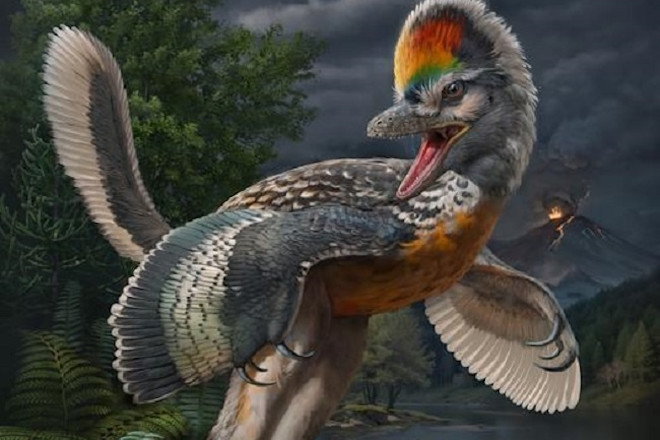
Have you ever wondered which bird has been flying the skies the longest? Discovering the oldest species of bird can take you back millions of years and reveal amazing secrets about nature’s history.
Knowing about this ancient bird will change how you see the creatures around you. Keep reading to uncover the surprising story behind the oldest bird species and what makes it so special. Your curiosity is about to be rewarded!
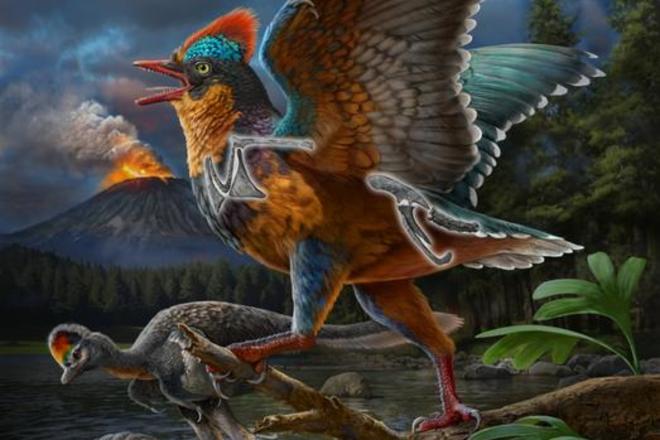
Credit: www.discovermagazine.com
Ancient Origins Of Birds
Birds are among the most ancient creatures on Earth. Their history stretches back millions of years. Understanding their origins helps us see how modern birds evolved. The story begins in the time of dinosaurs. Birds share traits with some ancient reptiles. This link shows how birds are living dinosaurs.
Fossils reveal key details about early birds. These ancient species had feathers, wings, and other bird-like features. They lived during the Jurassic period, around 150 million years ago. The oldest known bird fossil is Archaeopteryx. It shows a mix of bird and dinosaur traits.
Early Bird Fossils
Archaeopteryx fossils show feathers and flight ability. Its teeth and tail resemble dinosaurs. This mix is rare in modern birds. Fossils found in Germany provide good examples. They help scientists understand bird evolution.
Bird Evolution From Dinosaurs
Birds evolved from small theropod dinosaurs. These dinosaurs were fast and covered in feathers. Over time, some developed wings. They started to fly and adapt to new environments. This evolution took millions of years.
Key Features Of Ancient Birds
- Feathers for flight and warmth
- Lightweight bones
- Sharp teeth (in some early species)
- Long bony tails (lost in modern birds)
Timeline Of Bird Origins
| Period | Event |
|---|---|
| Late Jurassic (150 million years ago) | First known bird fossils like Archaeopteryx |
| Early Cretaceous (130 million years ago) | Diverse bird species begin to appear |
| Late Cretaceous (100 million years ago) | Birds gain modern features like beaks |
| Post-Cretaceous | Birds survive mass extinction and diversify |
Defining The Oldest Bird Species
Defining the oldest bird species requires clear criteria. Scientists study fossils, genetics, and evolutionary history. They look for birds with ancient origins still alive today. Some species have changed little over millions of years. Others evolved more recently but come from older lineages. Understanding these differences helps identify the true oldest bird species.
Age can mean two things: how long a species has existed or how long its ancestors lived. Some birds appear ancient but evolved from older groups. Others are direct descendants of the earliest birds.
Fossil Records And Bird Evolution
Fossils provide clues about birds from millions of years ago. Archaeopteryx is one famous example, showing early bird traits. It lived about 150 million years ago. Fossils help place birds in the timeline of evolution. They reveal when certain features first appeared. However, fossils do not always link to living species directly.
Living Fossils: Birds That Changed Little
Some birds look very similar to their ancient ancestors. These are called living fossils. Examples include the hoatzin and the kiwi. They show traits from millions of years ago. Living fossils help scientists study bird history. They offer a window into the past.
Genetic Studies And Bird Lineages
DNA analysis tracks relationships between bird species. It shows which birds share common ancestors. Genetics can reveal how long a species has existed. Birds with ancient lineages have unique genetic markers. This helps distinguish the oldest species from newer ones.
Defining Criteria For The Oldest Species
- Long evolutionary history with little change
- Clear fossil evidence supporting ancient origins
- Genetic links to early bird ancestors
- Presence of primitive traits in modern species
Archaeopteryx: The First Bird
The Archaeopteryx is often called the first bird. It lived about 150 million years ago during the Late Jurassic period. This ancient creature shows traits of both birds and dinosaurs. Scientists study it to understand how birds evolved from reptiles. The Archaeopteryx is a key link in the story of bird evolution.
Discovery And Fossil Evidence
The first Archaeopteryx fossil was found in Germany in 1861. It was a well-preserved feather impression with bones. Since then, several more fossils have been found. These fossils show a mix of bird and dinosaur features. They include wings, feathers, teeth, and a long bony tail. The fossils help prove birds evolved from dinosaurs.
Physical Characteristics
- About the size of a modern crow
- Feathers similar to today’s birds
- Sharp teeth in its beak
- Clawed fingers on its wings
- Long, bony tail unlike modern birds
- Lightweight bones for flying or gliding
These traits show it could glide or fly short distances. It combined reptile traits with bird-like features.
Habitat And Behavior
Archaeopteryx lived in forested areas with tall trees. It likely used its wings to move between trees. It may have hunted small animals or insects. Its claws helped it climb trees and catch prey. The environment was warm and wet, full of life. This habitat supported many types of plants and animals.
Credit: www.waaytv.com
Other Prehistoric Birds
Prehistoric birds reveal the early stages of bird evolution. These ancient species lived millions of years ago. They show how birds adapted and changed through time. Studying them helps us understand modern birds better.
Some prehistoric birds had features similar to dinosaurs. Others had traits closer to today’s birds. Each species adds a unique piece to the bird family tree.
Confuciusornis
Confuciusornis lived about 125 million years ago in China. It is one of the earliest birds with a beak. This bird had a small body and long tail feathers. Unlike modern birds, it had claws on its wings. Confuciusornis could likely glide and maybe fly short distances.
Ichthyornis
Ichthyornis appeared around 95 million years ago. It had a mix of modern and ancient traits. This bird had teeth, unlike most birds today. It also had strong wings for flying. Ichthyornis lived near water and likely hunted fish.
Hesperornis
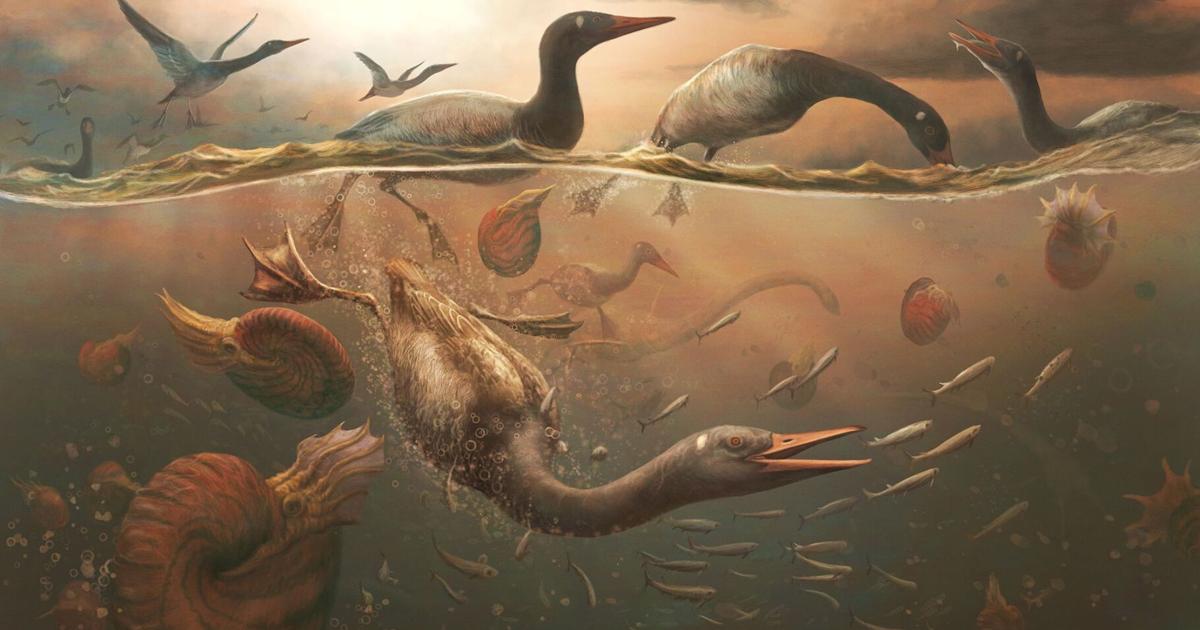
Hesperornis lived about 83 to 78 million years ago. It was a large, flightless bird. It had strong legs for swimming underwater. This bird hunted fish in ancient seas. Hesperornis had teeth, a rare feature in birds.
Evolutionary Milestones
Evolutionary milestones mark the key changes that shaped the oldest bird species. These changes helped birds survive and thrive over millions of years. Understanding these steps reveals how birds developed unique traits.
Feather Development
Feathers are one of the most important features in bird evolution. Early feathers helped with warmth, not flight. Over time, feathers became more complex and lightweight. This allowed birds to regulate body temperature better. Feathers also provided camouflage and signaling advantages.
Feather structure evolved from simple filaments to strong, interlocking barbs. This change gave feathers their shape and durability. The evolution of feathers was crucial for survival in different environments.
Flight Adaptations
Flight changed the way birds live and move. Early birds developed hollow bones to reduce weight. Strong chest muscles helped power wing movement. Wings evolved with specialized feathers for lift and control.
Birds also improved their respiratory system for better oxygen flow during flight. These adaptations allowed them to fly longer distances and escape predators. Flight opened new opportunities for feeding and migration.

Credit: www.discovermagazine.com
Surviving Lineages
The story of the oldest bird species is not just about ancient fossils but about lineages that have managed to survive millions of years. These surviving lineages offer a living window into the past, showing us how some birds have adapted while retaining traits from their ancestors. Understanding these lineages helps you appreciate the resilience and evolution of bird species over time.
Modern Descendants
Some of the oldest bird lineages still have modern descendants flying around today. Take the ratites, for example—this group includes ostriches, emus, and kiwis. These birds have primitive features like strong legs and simple feathers, traits that link them directly to ancient ancestors.
Another example is the hoatzin, a bird found in South America. It has clawed wings as a chick, a throwback to early birds, making it one of the most unusual survivors from ancient times.
When you see these birds, you’re witnessing a piece of history that has adapted but kept its roots. What traits do you think helped them survive when so many others disappeared?
Genetic Connections
Modern technology lets scientists dive deep into the DNA of birds to trace back their origins. Genetic studies show surprising connections between species that don’t look similar but share a common ancestor.
For example, DNA evidence reveals that birds are closely related to certain dinosaurs. This link helps explain why some ancient features persist in today’s birds.
Understanding genetic connections can guide conservation efforts. By knowing which species share ancient traits, you can better protect the diversity of life that has survived for millions of years.
Impact Of Fossil Discoveries
Fossil discoveries have deeply shaped our understanding of the oldest bird species. They offer direct evidence from the past, revealing how birds evolved over millions of years. Each fossil adds a piece to the puzzle of bird history. These findings help scientists trace the changes in bird anatomy and behavior.
Studying fossils allows experts to place ancient birds in the tree of life. It also shows how early birds lived and adapted to their environments. Fossils can even challenge previous ideas about when the first birds appeared on Earth. The impact of these discoveries extends beyond science, sparking curiosity and awe about life’s long journey.
Advancements In Paleontology
Modern tools have improved how fossils are found and analyzed. Technologies like CT scans reveal details inside fossils without damage. Digital imaging helps reconstruct bird skeletons with accuracy. These advancements allow scientists to study fragile remains carefully.
New methods also help identify tiny bones and feathers. Researchers can compare fossils with living birds to understand their features better. These improvements speed up discoveries and deepen knowledge of ancient birds.
Challenges In Dating Fossils
Determining the exact age of fossils remains difficult. Fossils do not come with timestamps. Scientists use surrounding rock layers to estimate their age. Sometimes rocks have been disturbed, causing confusion.
Different dating techniques may give varying results. Contamination and erosion can affect accuracy. These challenges require careful analysis and cross-checking of data. Despite this, scientists continue refining methods to date fossils more precisely.
Conservation Of Ancient Avian Species
Conserving ancient bird species is vital for Earth’s biodiversity. These birds have survived millions of years and tell stories of evolution. Protecting them keeps nature’s history alive. Conservation efforts focus on saving their homes and supporting their survival.
Preserving Habitats
Ancient birds depend on specific environments to live and breed. Destroying these habitats leads to population decline. Forests, wetlands, and coastal areas need protection. Efforts include:
- Stopping deforestation and pollution
- Restoring damaged ecosystems
- Creating protected reserves
Healthy habitats provide food, shelter, and breeding grounds. This helps ancient birds thrive and avoid extinction.
Role Of Zoos And Sanctuaries
Zoos and sanctuaries play a key role in protecting ancient birds. They offer safe places for endangered species. These facilities:
- Provide medical care and nutrition
- Help with breeding programs
- Raise public awareness about conservation
By caring for birds in captivity, zoos support wild populations. They also educate people about the importance of ancient avian species.
Frequently Asked Questions
What Is The Oldest Known Bird Species?
The oldest known bird species is Archaeopteryx. It lived around 150 million years ago during the Late Jurassic period. Archaeopteryx shares features with both birds and dinosaurs, making it a key link in bird evolution.
How Old Are Modern Birds Compared To Ancient Species?
Modern birds evolved about 66 million years ago after dinosaurs went extinct. Ancient species like Archaeopteryx are much older, dating back 150 million years. Modern birds have diversified greatly since then, adapting to various environments worldwide.
Which Bird Species Has Remained Unchanged For Millions Of Years?
The hoatzin is considered one of the oldest living bird species with primitive features. It has existed for around 64 million years. This bird retains traits similar to ancient birds, like clawed wings in chicks, showing evolutionary links.
Why Is Archaeopteryx Important In Bird Evolution?
Archaeopteryx is crucial because it shows both bird and dinosaur traits. It proves birds evolved from theropod dinosaurs. Its discovery helped scientists understand the transition from reptiles to birds in evolutionary history.
Conclusion
Birds have a rich history that spans millions of years. The oldest species show how life adapts and survives. They connect us to ancient times and nature’s past. Understanding these birds helps us appreciate the world better. Their stories inspire curiosity and respect for wildlife.
Keep exploring to learn more about these amazing creatures. The oldest bird species remind us how life endures through change.