

Have you ever wondered when the skies over New York fill with flocks of birds heading south or returning north? Knowing exactly when birds migrate in New York can change the way you experience each season.
Whether you’re a nature lover, a photographer, or simply curious, understanding these migration patterns helps you catch the most breathtaking moments. You’ll discover the key times to watch for migrating birds and learn why this natural event is so special right in your backyard.
Keep reading to unlock the secrets of New York’s bird migration and make your next outdoor adventure unforgettable.
Migration Seasons In New York
Birds migrate in New York mainly during spring and fall. These seasons offer ideal weather and food for their journeys. Many species travel south in fall and return north in spring.
Migration Seasons in New York New York is a bustling hub, not just for people, but for an incredible variety of bird species too. Birds move in and out of the state, following the rhythms of migration seasons that are as predictable as they are awe-inspiring. Witnessing these migrations can transform your understanding of the natural world and deepen your connection to it.Spring Migration Period
Spring in New York brings a burst of life as birds return from warmer climates. This period typically kicks off in March and stretches into May. During these months, the state becomes a vibrant tapestry of color and sound as birds like warblers, orioles, and thrushes arrive. You might notice them in your backyard or local parks, their songs filling the morning air. Keep an eye out for the red-winged blackbirds, often some of the first to appear. An early morning walk could reward you with the sight of these energetic travelers foraging for food.Fall Migration Period
As the days grow shorter, the fall migration begins, usually starting in August and peaking in September through October. This is when many birds, including raptors and waterfowl, start their journey south to escape the impending cold. During this period, birdwatchers flock to areas like the Adirondacks or the Hudson River Valley. These locations offer prime viewing spots for witnessing massive flocks in transit. Ever wonder why birds fly in V-formations? It’s a fascinating adaptation to conserve energy during these long flights. Do you have a favorite spot to watch this grand spectacle? Observing these migrations can be a powerful reminder of nature’s cycles and the resilience of wildlife. Embrace the opportunity to learn more about the feathered travelers passing through your neighborhood.
Credit: birdcast.info
Factors Influencing Migration Timing
Bird migration timing in New York depends on several key factors. Birds respond to changes in their environment to decide the best time to move. These factors help birds survive and find food during harsh seasons. Understanding these influences gives insight into migration patterns.
Weather Patterns
Weather plays a big role in bird migration timing. Birds often wait for warm winds and clear skies before flying. Storms or cold snaps can delay their departure. Favorable weather helps birds use less energy and fly safely.
Food Availability
Birds migrate to find enough food to survive. When food becomes scarce in New York, birds start their journey south. In spring, returning birds follow the arrival of insects and plants. Food sources act as a natural signal for migration timing.
Daylight Changes
Daylight length affects birds’ internal clocks. Longer days in spring trigger migration north. Shorter days in fall signal birds to head south. This natural rhythm helps birds prepare for seasonal shifts without confusion.
Common Migratory Birds In New York
New York’s skies come alive with a diverse array of migratory birds each year. These visitors pass through as they travel between breeding and wintering grounds. Knowing which birds you’re likely to see can make your birdwatching trips more rewarding and help you understand the local ecosystem better.
Warblers And Songbirds
Warblers are some of the most colorful and energetic migrants you’ll spot in New York. Species like the Black-throated Blue Warbler and the Yellow-rumped Warbler brighten spring and fall with their vibrant feathers. Songbirds such as the Eastern Phoebe and the Scarlet Tanager also journey through, filling the air with their unique melodies.
Have you ever paused to listen closely during migration season? You might catch the subtle differences in their songs, which can help you identify species without seeing them clearly.
Waterfowl Species
Waterfowl like ducks, geese, and swans make impressive migratory journeys across New York’s lakes and rivers. The Canada Goose and the Mallard are common sights during migration, often forming large flocks. These birds rely on wetlands and open water for resting and feeding during their travels.
Consider visiting places like the Hudson River or the Adirondack wetlands during migration. You’ll see spectacular formations of these birds, especially in the early morning or late afternoon.
Raptors
Raptors such as hawks, falcons, and eagles also pass through New York’s skies. Sharp-shinned Hawks and Broad-winged Hawks are notable for their impressive migratory flights. Watching these birds soar high and circle thermals can be a thrilling experience for any nature lover.
Next time you spot a soaring bird of prey, try to identify it by its flight pattern and shape. It’s a skill that makes migration watching even more engaging and connects you to the rhythm of nature’s great journey.

Credit: www.allaboutbirds.org
Popular Migration Hotspots
New York offers some of the best spots to witness bird migration. These hotspots attract a variety of species, making your birdwatching experience unforgettable. Knowing where to go can help you catch the most impressive migrations.
Hudson River Valley
The Hudson River Valley is a prime location for migrating birds. It acts as a natural corridor, guiding birds along the river’s path during their journey. You’ll often see raptors like hawks and eagles soaring above the cliffs.
Local parks and lookout points along the river provide great vantage spots. Have you ever noticed how the landscape shapes the flight paths? This valley’s geography funnels birds into visible groups, making it easier to spot large flocks.
Long Island Beaches
Long Island’s beaches are crucial stopover sites for shorebirds and waterfowl. Birds rest here to refuel before continuing their long trip over the ocean or inland. The mix of sandy shores and marshes creates diverse habitats that support many species.
Try visiting during early morning or late afternoon for the best chance to see migrating birds. What’s striking is how different species use specific parts of the beach, from dunes to tidal pools. Bring binoculars and be patient—you might witness a rare species resting.
Central Park And Urban Areas
Central Park is surprisingly important for migrating birds within New York City. It acts like an oasis in the urban jungle, offering food and shelter during migration seasons. Warblers, thrushes, and other songbirds frequently stop here.
Walking through the park, you might notice small flocks darting between trees and shrubs. Have you ever thought about how city parks can support wildlife despite the surrounding buildings? Urban areas with green spaces can become unexpected havens for migratory birds.
Tips For Spotting Migrating Birds
Spotting migrating birds in New York can be a thrilling experience if you know how to prepare. The right timing, equipment, and tools can make all the difference between a fleeting glimpse and a memorable birdwatching session. Let’s dive into some practical tips that will help you catch those amazing migration moments.
Best Times Of Day
Birds are most active during the early morning and late afternoon. These periods offer the best light and cooler temperatures, making it easier to see and identify species.
Try to arrive just before sunrise or a couple of hours before sunset. Have you noticed how quiet the world feels at these times? That quietness often means less human disturbance, so birds are more likely to be out and about.
Essential Gear
Bring binoculars with good magnification, ideally between 8x and 10x. A lightweight spotting scope can also be useful if you want to watch birds from a distance without disturbing them.
Wear comfortable shoes and dress in layers. Weather can change quickly, especially near water or in open fields where many migrants pass through.
Don’t forget a field guide or a notebook to jot down your sightings. Recording details helps you track patterns over time and makes your birdwatching more rewarding.
Using Birding Apps
Apps like eBird and Merlin Bird ID can be game-changers for spotting migrating birds. They provide real-time data on recent sightings, helping you know which species to expect in your area.
These apps also have identification tools based on photos, sounds, or even descriptions you provide. Have you tried snapping a photo and letting the app suggest possible matches? It’s a great way to learn on the go.
Using apps keeps you connected to a larger community of birdwatchers, turning a solo activity into a shared adventure. What new bird might you discover next with a little digital help?
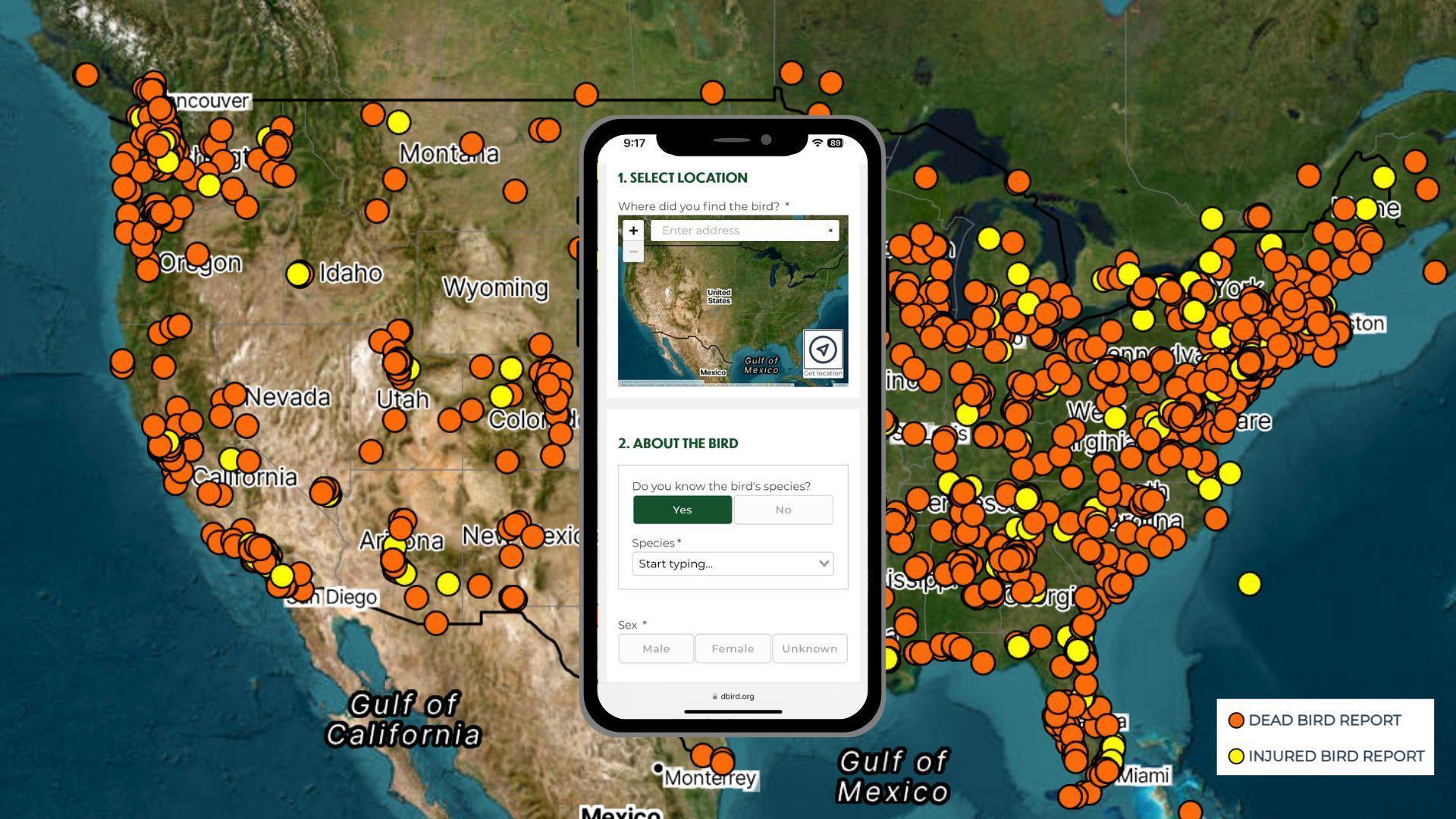
Credit: nycbirdalliance.org
Impact Of Climate Change On Migration
Climate change is reshaping the natural world, and bird migration in New York is no exception. Rising temperatures and shifting weather patterns are affecting when and how birds travel. These changes have a direct impact on ecosystems and the survival of many bird species.
Shifts In Timing
Birds are starting their migrations earlier in spring and delaying their fall departures. Warmer temperatures signal them to move sooner than they used to. This can cause a mismatch between their arrival and the availability of food, like insects and plants.
If you’ve ever noticed fewer birds during your usual spring walks, this timing shift could be why. Have you wondered how birds manage to adjust so quickly to these changes?
Changes In Routes
Some birds are taking new paths to avoid areas that have become less hospitable. Urban expansion combined with climate stress forces them to find alternative stopovers. These new routes might be longer or riskier, affecting their energy and survival rates.
For example, certain warblers that once followed a coastal path are now moving inland. This shows how adaptable birds can be, but also highlights the challenges they face.
Effects On Bird Populations
When migration patterns change, bird populations can suffer. Species that cannot adapt fast enough may experience declines. This affects the balance of ecosystems and reduces biodiversity.
- Some birds might arrive too early to find food.
- Others may face harsher weather during unexpected migration times.
- Predators and competitors may also shift their patterns, increasing risks.
What can you do to support migrating birds in your area? Planting native flowers and providing water can help create safe resting spots along their journeys.
Frequently Asked Questions
When Do Birds Start Migrating In New York?
Bird migration in New York typically begins in early spring, around March. This marks the northward journey of many species returning to breed.
Which Birds Migrate Through New York In Fall?
Common fall migrants in New York include warblers, hawks, and waterfowl. They head south between September and November.
How Long Does Bird Migration Last In New York?
Migration in New York usually spans several weeks, often from March to June in spring and September to November in fall.
Why Do Birds Migrate Through New York?
New York provides vital stopover habitats with abundant food and rest areas during long migratory flights.
Conclusion
Bird migration in New York happens mainly in spring and fall. Birds travel to find food and better weather. Watching them can be exciting and peaceful. Each species follows its own path and schedule. Knowing when birds migrate helps you spot them easily.
Nature’s rhythm shows us how life changes with seasons. Keep your eyes open during migration times. You might see a rare or beautiful bird. Enjoy the simple wonder of birds on the move.