
Have you ever looked up at the sky and wondered when those beautiful birds start their long journeys? Knowing what months birds migrate can change the way you experience nature around you.
Whether you’re a curious bird watcher or just love the changing seasons, understanding migration times helps you catch these amazing moments. You’ll discover exactly when and why birds take flight, so you never miss a chance to see them on the move.
Keep reading—your next outdoor adventure is about to get a lot more exciting!
Migration Seasons By Region
Bird migration is a fascinating natural event. It happens at different times in various regions. Birds travel thousands of miles for food, breeding, or better climates. Migration months vary due to geography and climate.
North America Migration Months
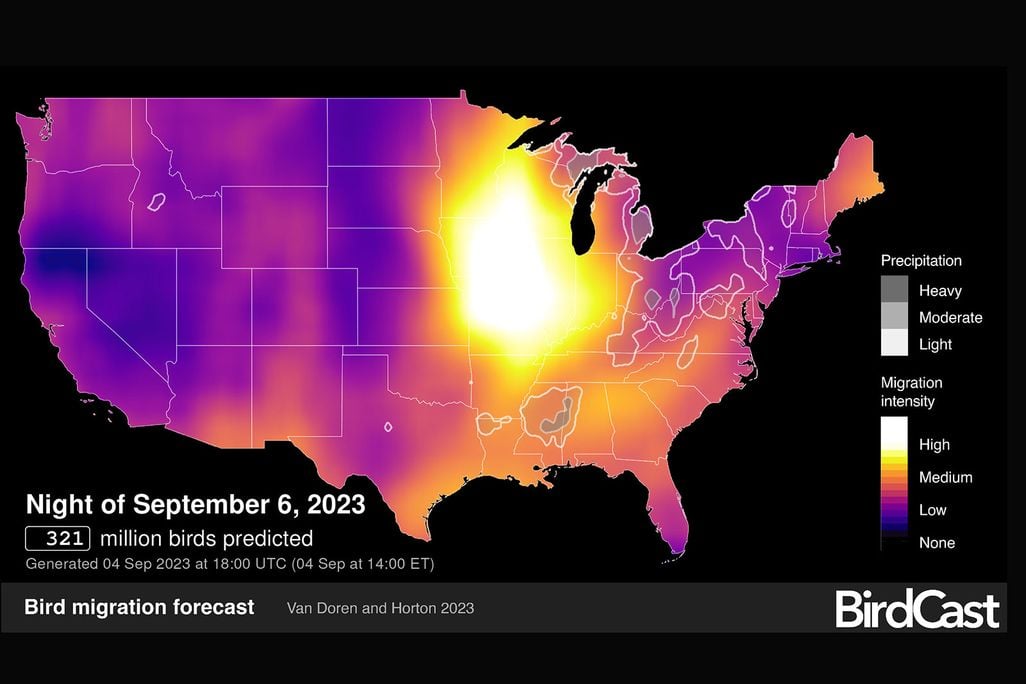
In North America, migration often starts in spring and fall. Birds move north in spring, usually from March to May. They return south in the fall, from September to November. This pattern ensures they find food and safe nesting spots.
Europe Migration Timing
European bird migration typically follows a similar pattern. Birds head north between March and May. The return journey to warmer areas starts in September. This timing allows birds to capitalize on the warmer months. They take advantage of the longer daylight hours and abundant food.
Asia Migration Patterns
Asia sees diverse migration patterns due to its vast landscapes. Birds generally migrate north in spring, from March to May. They head south in autumn, usually from September to November. Some birds travel along the East Asian-Australasian Flyway. Others use the Central Asian Flyway.
Africa Migration Periods
In Africa, migration is often linked to rainfall patterns. Birds migrate to find water and food. Many arrive from Europe in September. They return north by March. In some regions, local migrations occur with the changing seasons. Birds move within Africa to find the best conditions.
Factors Influencing Migration Timing
Bird migration is a natural event influenced by many factors. These factors decide the exact months birds choose to travel. Understanding these helps us know why birds leave and return at certain times.
Daylight And Temperature Changes
Birds sense changes in daylight length. Longer days signal spring and time to migrate north. Shorter days warn of approaching winter and moving south. Temperature also affects their timing. Cold weather can push birds to start their journey early. Warm temperatures may delay migration slightly.
Food Availability
Food is vital for birds during migration. They depend on enough insects, seeds, or berries. When food becomes scarce, birds begin to move. Rich food sources can keep birds in one area longer. Migration timing often matches the rise and fall of food supplies.
Breeding Cycles
Birds migrate to breed in safe places. Their timing matches breeding needs. They arrive when conditions suit nesting and raising young. After breeding, they leave to find better climates. The breeding cycle strongly shapes migration schedules.
Common Migratory Birds And Their Schedules
Understanding the migration schedules of common birds can enhance your birdwatching experience and deepen your connection with nature. Different species follow distinct timelines, influenced by factors like climate, food availability, and breeding habits. Knowing when to spot specific birds helps you plan your outdoor adventures and appreciate their incredible journeys.
Warblers And Their Migration Months
Warblers are small, colorful birds that often migrate long distances. They typically start their southward migration in late August through September. In spring, warblers return between April and early June to breed and raise their young.
If you’ve ever noticed a sudden burst of vibrant birds in your backyard during these months, chances are you were witnessing warblers passing through. Their timing is precise, often linked to insect availability, making their migration a reliable seasonal signal.
Waterfowl Migration Times
Waterfowl such as ducks, geese, and swans follow migration schedules that vary based on species and location. Many waterfowl begin moving south in September and October, seeking warmer waters. Their northward return usually happens from March to May as ice melts and wetlands become hospitable again.
Seeing a flock of geese flying in a V formation is a classic sign of seasonal change. If you enjoy watching these birds, mark your calendar for early fall and spring when their numbers peak in many regions.
Raptors Migration Patterns
Raptors, including hawks, eagles, and falcons, have unique migration patterns influenced by thermal currents and hunting needs. Most raptors migrate south from late August to October, using rising warm air to glide long distances. They return north between March and May to breed and hunt in their established territories.
Have you ever spotted a solitary hawk soaring high with seemingly effortless grace? That’s a raptor making use of thermals, a behavior critical for their efficient migration. Watching raptors can teach you a lot about the connection between weather and animal behavior.

Credit: blog.education.nationalgeographic.org
Tracking Migration With Technology
Tracking bird migration has become more precise and fascinating thanks to modern technology. These tools allow scientists and bird lovers like you to follow birds’ incredible journeys across continents. Understanding these movements helps protect species and reveals how environmental changes affect them.
Satellite Tracking
Satellite tracking uses tiny transmitters attached to birds. These devices send signals to satellites, providing real-time location data. You can actually watch some birds’ migration routes online, which makes you feel connected to their long journeys.
This method works best for larger birds that can carry the trackers without trouble. It offers detailed paths, stopover points, and speed of travel. Have you ever wondered how far a hawk flies in a single day? Satellite tracking answers that question with exact numbers.
Banding And Tagging
Banding involves placing small, uniquely numbered rings around a bird’s leg. When banded birds are spotted or recaptured, scientists learn about their migration timing and routes. This method requires patience and cooperation from bird watchers worldwide.
Tagging can also include lightweight GPS devices or colored markers visible from a distance. These tools provide clues about where and when birds move without constant satellite monitoring. Next time you see a banded bird, remember you’re part of a global tracking effort.
Citizen Science Contributions
You don’t need special equipment to help track migration. Citizen science projects invite bird watchers to report sightings through apps and websites. Your observations add valuable data on migration timing, species distribution, and even new routes.
Projects like eBird collect millions of bird records from everyday people. Your local park visit could contribute to a bigger picture of migration trends. Have you ever submitted a bird sighting? It might be one piece of a puzzle revealing the mysteries of migration.
Tips For Birdwatching During Migration
Birdwatching during migration is a rewarding experience that connects you directly with nature’s rhythm. To make the most of these fleeting moments, you need to know when and where to look, and what to bring along. Here are some practical tips to help you enjoy bird migration fully and increase your chances of spotting those beautiful migrants.
Best Months To Spot Migrants
Bird migration typically happens twice a year: in the spring and fall. Spring migration usually peaks from March to May, as birds head north to their breeding grounds. Fall migration runs from August through October, when birds travel south to warmer climates.
Each month brings different species. For example, warblers are common in April and May, while hawks and waterfowl are more noticeable in September and October. Have you noticed how early morning or late afternoon often offers better sightings?
Top Locations For Migration Viewing
Choose spots where birds naturally gather or rest during their long journey. Coastal areas, wetlands, and forest edges are excellent places to find migrating birds. National parks and wildlife refuges often provide safe habitats and good vantage points.
Local birdwatching groups or online forums can guide you to prime locations near you. Have you tried visiting a nearby lake or river at dawn? Such places often reveal surprising numbers of passing migrants.
Essential Gear For Birdwatchers
Good binoculars are a must-have for spotting distant birds clearly. A field guide or bird identification app helps confirm what you see quickly. Comfortable clothing and sturdy shoes make long hours outside easier.
Don’t forget a notebook or voice recorder to jot down your observations. A camera with a zoom lens can capture those brief, beautiful moments. What’s your go-to gear that makes birdwatching more enjoyable?

Credit: www.allaboutbirds.org

Credit: www.allaboutbirds.org
Frequently Asked Questions
When Do Most Birds Start Migrating Each Year?
Most birds begin migrating in late summer to early fall. This timing helps them avoid cold weather and find better food sources. Migration periods vary by species and region but generally span from August to November.
Which Months Are Peak Bird Migration Seasons?
Peak bird migration usually occurs in September and October. During these months, many species travel south to warmer climates. Spring migration peaks in April and May when birds return north to breed.
How Long Does The Bird Migration Season Last?
Bird migration seasons typically last several months. Fall migration can last from August through November. Spring migration generally occurs from March to May, depending on the species and location.
Why Do Birds Migrate During Specific Months?
Birds migrate to escape harsh winters and find food. Seasonal changes in daylight and temperature trigger their migration instincts. Timing ensures they reach breeding or wintering grounds when conditions are optimal.
Conclusion
Bird migration happens mostly in spring and fall months. Birds travel to find food and warmer places. Each bird species has its own travel time. Watching birds migrate shows nature’s amazing cycles. Remember, these months vary by location and bird type.
Knowing when birds migrate helps you enjoy birdwatching more. Stay curious about these fascinating journeys every year.