
Have you ever wondered how one bird can turn into many different kinds? Imagine a single species slowly changing over time, creating a whole family of new birds, each with its own unique features.
This fascinating process is not just about change—it’s about survival, adaptation, and the incredible power of nature. You’ll discover how one species of bird evolves into several new species, and why this matters for the world around you. Get ready to see evolution in action, in a way that will change how you think about the birds outside your window.

Credit: www.discovermagazine.com
Evolutionary Process Of Birds
Birds have changed and adapted over millions of years. This change is called evolution. It helps one bird species become many new species. This process happens slowly and naturally. Different environments and challenges shape the birds’ features and behaviors. These changes help birds survive better in their habitats.
The evolutionary process in birds involves many factors. These include genetic changes, physical adaptations, and behavioral shifts. Together, these factors lead to the formation of new bird species. Each new species fits well into its unique environment.
Genetic Variation And Mutation
Birds carry genes that pass traits from parents to offspring. Mutations create new genetic differences. Some mutations help birds survive better. Others may not have much effect. Genetic variation is the raw material for evolution.
Natural Selection And Adaptation
Birds with useful traits have a better chance to survive. They reproduce and pass these traits to their young. Over time, these traits become common in the population. This process is called natural selection. Adaptations help birds live in specific places.
Geographic Isolation
Sometimes, birds become separated by mountains, rivers, or islands. This isolation stops them from breeding with each other. Different groups face unique challenges. Over many generations, they evolve into distinct species.
Behavioral Changes
Birds may develop new songs, feeding habits, or mating rituals. These changes can prevent interbreeding between groups. Behavioral shifts often support the formation of new species.
Speciation And Divergence
Over time, populations grow more different. They develop unique traits and behaviors. Eventually, they become separate species. This is called speciation. It adds to the diversity of bird life on Earth.
Adaptive Radiation Phenomenon
Adaptive radiation is a natural process where one bird species evolves into many new species. This happens when birds spread into different environments. Each new species adapts to its own habitat. Over time, these changes lead to distinct species with unique traits. This process explains the rich variety of bird species we see today.
Unique Environmental Niches
Birds move into different areas with unique conditions. These areas, called niches, have different food, climate, and predators. Each niche offers new challenges and opportunities. Birds adapt to survive in these specific environments. This leads to the development of new species suited to each niche.
Genetic Variation And Mutation
Genetic variation is key to adaptive radiation. Mutations create differences in the birds’ genes. Some changes help birds survive better in their niches. These helpful traits are passed down to offspring. Over many generations, genetic differences grow larger. This causes new species to form from the original one.
Survival And Reproduction Advantages
Birds with traits that fit their environment survive longer. They find food more easily and avoid predators better. These birds also attract mates and reproduce more successfully. Their offspring inherit these advantages. This process, called natural selection, drives the formation of new species.
Case Studies Of Bird Speciation
Understanding how one bird species can evolve into several new species offers a fascinating look at nature’s creativity. These case studies reveal how changes in environment, behavior, and genetics lead to the formation of distinct bird species. Let’s dive into some remarkable examples that show speciation in action.
Darwin’s Finches
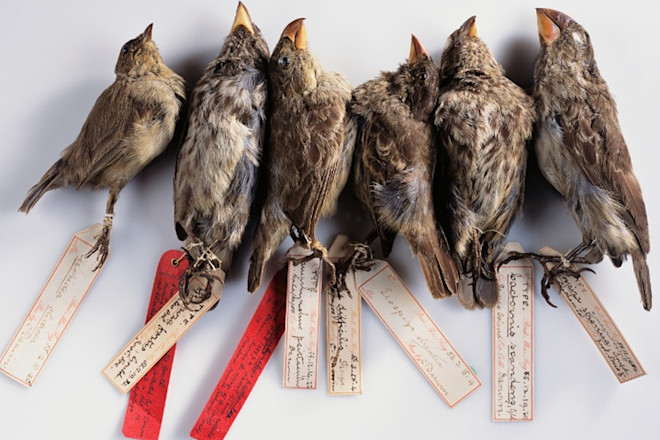
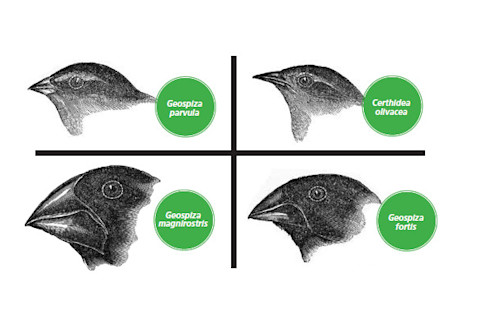
On the Galapagos Islands, Darwin’s finches provide a classic example of speciation. Each finch species developed unique beak shapes suited for different food sources like seeds, insects, or flowers.
This variation arose because finches adapted to their specific island habitats and food availability. Have you ever noticed how small changes in your environment influence your habits? Nature works the same way, encouraging diversity through adaptation.
Hawaiian Honeycreepers
The Hawaiian honeycreepers showcase rapid and diverse speciation within a single archipelago. Starting from one ancestral species, they evolved into dozens with varied beak forms and feeding strategies.
This group highlights how isolation and different ecological niches drive speciation. It makes you wonder—what roles do isolation and resource competition play in your own environment?
Galapagos Mockingbirds
Galapagos mockingbirds evolved into multiple species across different islands, each with distinct calls and behaviors. These differences help prevent interbreeding and maintain species separation.
Behavioral changes can be as important as physical traits in speciation. Think about how your communication style changes with different groups—could this lead to new “species” of social interaction?
Credit: www.discovermagazine.com
Role Of Geographic Isolation
Geographic isolation plays a crucial role in how one bird species can evolve into several new species. When populations become separated by physical distance or barriers, they stop interbreeding. This separation allows genetic differences to accumulate, eventually leading to the formation of distinct species.
Physical Barriers
Mountains, rivers, and deserts often act as natural walls that prevent birds from crossing over to other populations. These barriers block gene flow, which means groups on either side start evolving independently.
Think about a valley cutting through a forest where a bird species lives on both sides. Over time, those birds may develop different traits suited to their unique environments. Have you noticed how even small changes in landscape can lead to big differences in wildlife?
Habitat Fragmentation
Human activities like deforestation and urban development break continuous habitats into isolated patches. This fragmentation limits bird movement and mating between groups.
As you walk through a city park surrounded by buildings, imagine how the birds there are confined compared to those in a vast forest. These isolated groups adapt to their smaller environments, which can push them toward becoming new species.
Island Biogeography
Islands provide a clear example of geographic isolation affecting bird evolution. Birds that reach an island often face different conditions from their mainland ancestors.
Take Darwin’s finches on the Galápagos Islands. Each island’s unique food sources and climate led to finches developing diverse beak shapes. Could your local environment shape bird populations in ways you haven’t noticed yet?
Impact Of Natural Selection
Natural selection drives the evolution of one bird species into several new species by shaping traits that improve survival and reproduction. It acts as a filter, favoring characteristics that fit specific environments and challenges. Over time, these changes accumulate, leading to distinct species adapted to different niches.
Survival Of The Fittest
Birds that are better suited to their environment live longer and produce more offspring. This means traits like stronger beaks or better camouflage become common in the population. Have you noticed how finches on different islands develop unique beak shapes? That’s survival of the fittest in action, pushing each group toward specialization.
Morphological Changes
Natural selection often leads to visible changes in birds’ bodies. Wings may become longer for better flight, or feet might adapt for climbing or swimming. These physical shifts help birds exploit new resources or habitats, gradually separating populations into new species.
Behavioral Adaptations
Not all evolution shows on the outside. Changes in behavior can be just as important. Some birds learn new feeding techniques or adjust their mating calls to attract partners better suited to their environment. These behaviors create reproductive barriers, helping populations evolve independently.
Modern Research And Discoveries
Modern research has transformed how scientists study bird evolution. New tools reveal details about how one species splits into many. These discoveries help us understand nature’s complexity better. Researchers now combine genetics, field studies, and technology. They observe changes in real-time and predict future shifts.
Genomic Analysis
Genomic analysis studies the entire DNA of birds. It shows tiny differences that cause new species to form. Scientists compare genomes to find unique markers. These markers explain how birds adapt to different environments. This method identifies evolutionary links invisible to the naked eye. It helps track the birth of new species with precision.
Tracking Evolutionary Changes
Scientists use tracking devices and observation to watch birds in the wild. They record behaviors, migration, and mating patterns. These actions can lead to species splitting over time. Tracking reveals how isolation and environment drive evolution. It provides real examples of species divergence. Data collected helps explain how new species survive and thrive.
Implications For Biodiversity
The formation of new bird species boosts biodiversity. It creates more varied ecosystems and stronger habitats. Diverse species improve nature’s balance and resilience. Understanding this process aids conservation efforts. Protecting evolving species safeguards the entire environment. Research highlights the importance of preserving habitats for future evolution.

Credit: bioengineer.org
Frequently Asked Questions
What Causes One Bird Species To Evolve Into Many?
One species evolves into many due to genetic variation, natural selection, and geographic isolation. Different environments create unique adaptations. Over time, these changes accumulate, forming new species.
How Long Does Bird Speciation Usually Take?
Bird speciation typically takes thousands to millions of years. The exact time varies depending on environmental pressures and reproductive isolation. Rapid changes can occur in isolated habitats.
Can New Bird Species Interbreed With The Original Species?
Newly evolved bird species usually cannot interbreed successfully with the original species. Reproductive barriers like behavioral or genetic differences prevent interbreeding. This maintains species distinctiveness.
What Role Does Geographic Isolation Play In Bird Evolution?
Geographic isolation separates populations, limiting gene flow between them. This isolation allows populations to evolve independently, leading to new species. It is a key driver of bird speciation.
Conclusion
Birds changing into new species shows nature’s power to adapt. Different environments help shape new traits in birds. These changes take many years to happen. Each new species fits well in its home. Studying this helps us understand evolution better.
It also reminds us to protect habitats for wildlife. Nature’s story is always changing and surprising. Watching birds evolve keeps science exciting and alive.