
Have you ever wondered where some of the UK’s birds go when winter arrives? As the cold sets in, many birds don’t just stay put—they take off on incredible journeys to warmer places.
If you’ve noticed fewer birds in your garden during the chilly months, you’re not imagining things. Understanding which birds migrate in winter from the UK can change the way you see the seasons and the skies above you. Keep reading, and you’ll discover fascinating facts that will make you look forward to spotting these amazing travelers year after year.
Why Birds Migrate In Winter
Understanding why birds migrate in winter helps you appreciate the incredible journeys they make. Birds don’t just leave because it’s cold; their movement is driven by survival needs. These migrations are essential for finding food, suitable habitats, and better breeding conditions.
Energy Conservation During Scarce Food Supply
Winter drastically reduces the availability of food in the UK, especially insects and seeds. Birds need to find areas where food is abundant to maintain their energy levels. Migrating to warmer places with plentiful resources helps them survive through the tough months.
I once watched a flock of swallows gather before their long flight south. Their urgency reminded me that staying put could mean starvation. This migration is not just a choice; it’s a necessity for energy conservation.
Escaping Harsh Weather Conditions
Cold temperatures and snow cover make it hard for many birds to stay warm and find shelter. Migrating to milder climates reduces exposure to frostbite and hypothermia. This move increases their chances of surviving the winter season.
Reproductive Success And Timing
Some birds migrate to ensure they arrive at breeding sites when conditions are optimal. Warmer climates in the south allow them to build nests and raise chicks with less risk. You might wonder how timing affects their entire life cycle – it’s all about matching the right conditions with their reproductive needs.
Following Food Chains And Ecosystems
Birds often follow the availability of their prey or food sources, which also migrate or change locations seasonally. This means their migration is part of a larger ecological movement. Understanding these patterns can help you spot where and when to observe different bird species during winter.
Credit: www.theguardian.com
Common Migration Patterns
Understanding common migration patterns helps you predict which birds might visit your area during winter. Migration is not random; many species follow specific routes and timings. These patterns have evolved to maximize survival and breeding success.
Regular Southward Routes
Many UK birds fly south to warmer climates as temperatures drop. They often follow coastlines or river valleys, which provide reliable food and resting spots. Watching flocks head towards Spain or North Africa is a common sight in autumn.
Think about the swallow, a classic example. They leave the UK around September and head to sub-Saharan Africa. This long journey ensures they avoid freezing winters and find abundant insects.
Partial Migration Within The Uk
Not all birds leave the UK entirely. Some species migrate short distances to milder areas. This is known as partial migration.
Take the robin for example. Some robins stay in southern England all year, while others head to Ireland or milder parts of Scotland. This flexibility helps them survive varying winter conditions.
Altitude Migration
Some birds move vertically rather than horizontally. They fly from higher elevations to lower, warmer ones during winter. This is common in hilly or mountainous areas of the UK.
For instance, the ring ouzel moves from upland areas down to coastal or lowland zones. You might spot them in valleys where the weather is less harsh.
Timing And Triggers
Migration timing depends on factors like temperature, food availability, and daylight hours. Birds are sensitive to these changes and adjust their movements accordingly.
Have you noticed how the first frost or shorter days signal birds to start their journey? This natural clock helps them avoid harsh conditions before they set off.
Swallows
Swallows are one of the most fascinating migratory birds you’ll spot around the UK before winter sets in. These sleek, agile flyers are easily recognized by their forked tails and swift movements. Watching swallows dart through the air is a reminder of the changing seasons and the remarkable journeys they undertake.
Migration Route
Swallows leave the UK in late summer or early autumn, heading south to find warmer climates. Their primary migration route takes them across the Mediterranean and into sub-Saharan Africa. This journey can cover thousands of miles, and swallows usually travel in small groups or pairs rather than large flocks.
Have you ever wondered how these small birds navigate such a long route without getting lost? Scientists believe swallows use a combination of the sun, stars, and Earth’s magnetic field to guide them. Along the way, they stop at wetlands and open fields to rest and refuel.
Feeding Habits During Migration
Swallows rely heavily on flying insects for food, which means their migration timing aligns with insect availability. During their long flights, they catch mosquitoes, flies, and other small bugs mid-air. This aerial feeding strategy lets them fuel up without needing to land often.
If you’ve ever seen swallows swooping low over water or fields, that’s them taking advantage of insect-rich areas. Their ability to eat on the wing is crucial for survival during migration, as it keeps them energized for the journey ahead. You might try observing swallows near water bodies during late summer to spot this feeding behavior yourself.
Credit: www.theguardian.com
House Martins
House Martins are small, agile birds known for their distinctive white underparts and blue-black upper feathers. They build nests from mud, often under the eaves of houses. These birds are common in the UK during spring and summer. But as the cold months approach, they prepare to migrate to warmer regions.
Migration Destinations
House Martins travel south to survive the winter. Most head to Africa, crossing the Mediterranean Sea. Some fly to the Sahel region, just below the Sahara Desert. They prefer areas with plenty of insects to eat. These destinations offer a better climate and food supply during winter.
Challenges Faced
The journey is long and full of risks. House Martins face bad weather, such as storms and strong winds. Lack of food during migration can weaken them. Predators also pose a threat along the way. Human-made structures and pollution add to their challenges. Despite this, they make the trip year after year.
Sand Martins
Sand Martins are small, agile birds known for their swift flight and social nature. These tiny migrants travel long distances every winter, leaving the UK’s cooler climate for warmer regions. They gather in large groups, making impressive flocks that dart over water and fields. Their slender bodies and pale underparts make them easy to spot during migration seasons.
Journey Highlights
Sand Martins journey thousands of miles from the UK to Africa each winter. They follow river valleys and coastlines to find food and shelter. Flying mostly during the day, they rest at night in safe places. Their migration is timed with insect availability, which they catch mid-air. These birds show incredible endurance and navigation skills on their long trip.
Breeding Sites
During the breeding season, Sand Martins prefer sandy riverbanks and gravel pits. They dig small tunnels in vertical banks to lay eggs. These colonies can have hundreds of nests close together. The choice of site protects them from predators and harsh weather. After hatching, the chicks grow quickly before the long journey south.
Cuckoos
Cuckoos are fascinating birds that capture the curiosity of many birdwatchers in the UK. Known for their distinctive calls and unique breeding habits, these birds also have remarkable migration patterns. Understanding their winter migration can deepen your appreciation of their incredible journey.
Unique Migration Traits
Cuckoos are long-distance migrants. They travel thousands of miles from the UK to sub-Saharan Africa each autumn. Unlike many birds that migrate in flocks, cuckoos usually migrate alone, relying on instinct rather than following others.
Their journey is timed precisely with the seasons. They leave just as the UK’s insect population declines, which is their primary food source. This timing ensures they have enough energy to complete the long flight.
Have you ever wondered how such a small bird navigates vast, unfamiliar landscapes? Cuckoos use a combination of the sun, stars, and Earth’s magnetic field to find their way. This natural GPS helps them avoid dangers and locate safe resting spots along the route.
Winter Habitats
Once cuckoos arrive in Africa, their winter habitats vary widely. They prefer wooded savannas and tropical forests where insects are abundant. These areas provide both food and shelter during the harsh winter months.
You might think cuckoos would stay in one place, but they often move within their winter range to follow food availability. This adaptability is key to their survival in changing environments. It’s a reminder that flexibility can be just as important as strength in nature.
Have you noticed how some birds seem to appear suddenly in your garden during winter? While cuckoos don’t usually stay in the UK during winter, understanding their migration might help you spot other species that do. Observing these patterns can make your birdwatching more exciting and insightful.
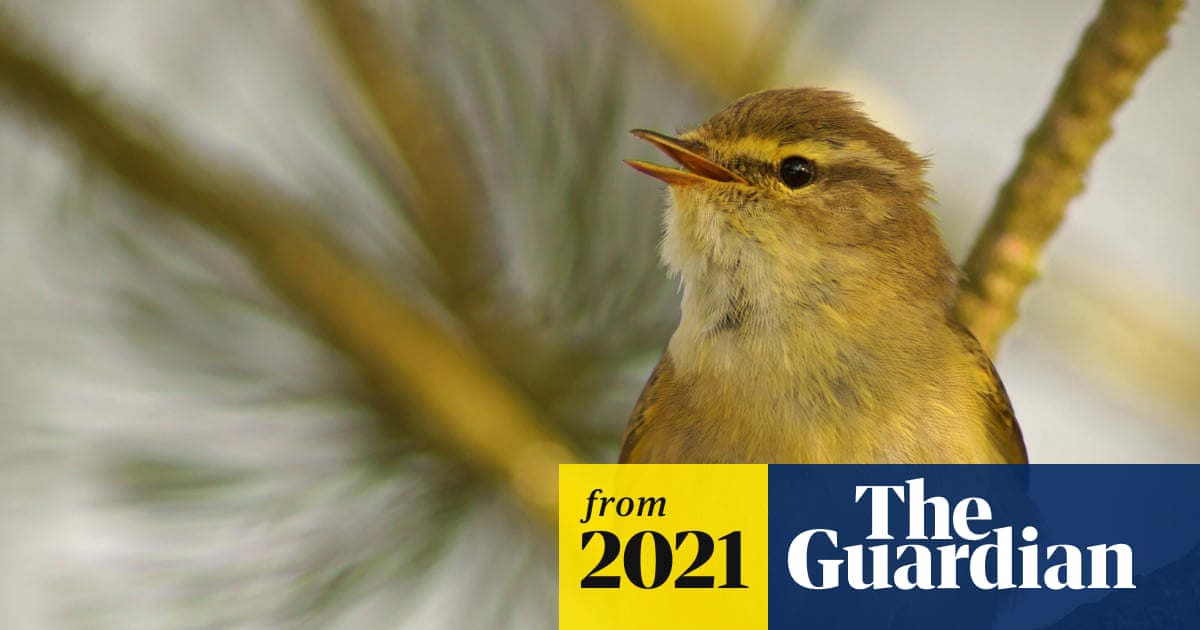
Willow Warblers
The Willow Warbler is a small, lively bird that captures the attention of many birdwatchers across the UK. Known for its sweet, melodic song, this bird is a common sight during spring and summer months. But as winter approaches, these delicate creatures embark on a remarkable journey to warmer climates.
Long-distance Travel
Willow Warblers undertake a long migration from the UK to sub-Saharan Africa. This trip can cover thousands of kilometers, often exceeding 5,000 km one way.
You might wonder how such a tiny bird manages this feat. Their lightweight bodies and strong wings help them sustain long flights, often traveling during the night to avoid predators and conserve energy.
Imagine seeing one of these birds in your garden before it disappears for months. Their migration is not just a seasonal event but a crucial survival strategy against the harsh UK winters.
Conservation Status
Willow Warblers are currently listed as a species of least concern, but their numbers have been declining in parts of the UK. Habitat loss and changes in climate affect their breeding and feeding grounds.
Have you noticed fewer warblers around your area? Supporting local conservation efforts like planting native shrubs can provide important habitats for these birds.
Every small action, such as creating a bird-friendly garden, can help maintain the population of Willow Warblers and ensure their beautiful song continues to be heard.
Credit: www.theguardian.com
Ospreys
Ospreys are large birds of prey known for their striking appearance and skillful fishing. They have white underparts and dark brown wings, which make them easy to spot near water. These birds breed in the UK during spring and summer. When winter approaches, ospreys migrate to warmer regions to survive.
Migration Timing
Ospreys leave the UK around late August or early September. They travel thousands of miles south to Africa. This long journey takes several weeks. Ospreys return to the UK by late April or early May. Migration depends on weather and food availability. They avoid cold winters by moving to warmer places.
Habitat Preferences
Ospreys live near rivers, lakes, and coastal areas. They need clean water with plenty of fish. Trees or cliffs provide good nesting sites. During migration, they rest in wetlands and estuaries. These habitats offer safety and food. Ospreys adapt well but need healthy environments to thrive.
Arctic Terns
The Arctic Tern is one of the most fascinating migratory birds you can observe from the UK during winter. Known for its slender body and striking white and grey feathers, this small bird is famous for its incredible long-distance travel. Watching an Arctic Tern in flight reminds you of the amazing endurance and precision nature can achieve.
Record-breaking Journeys
Arctic Terns hold the title for the longest migration of any bird species. Each year, they travel between their Arctic breeding grounds and the Antarctic coast for the winter.
This means they cover around 25,000 miles annually. Imagine flying the equivalent of the Earth’s circumference twice every year!
Such journeys allow the terns to experience two summers annually, maximizing their feeding opportunities. Does this make you wonder how they navigate such vast distances so accurately?
Adaptations For Migration
To manage these epic flights, Arctic Terns have several unique adaptations. Their wings are long and narrow, ideal for gliding over oceans with minimal energy use.
They also have a lightweight body that reduces fatigue during long flights. Their ability to rest on water helps them recover during migration breaks.
Plus, Arctic Terns possess excellent navigation skills, likely using the sun, stars, and Earth’s magnetic field to find their way. Could these natural tools inspire better human navigation technology?
Challenges Of Migration
Migrating birds from the UK face numerous hurdles on their long journey to warmer climates. These challenges can be harsh and sometimes life-threatening. Understanding these obstacles can help you appreciate the resilience of these incredible travelers.
Weather Hazards
Unpredictable weather is one of the biggest risks during migration. Strong winds can blow birds off course, making their journey longer and more exhausting. Sudden storms may force them to seek shelter in unfamiliar areas, increasing their exposure to predators.
Cold snaps can also be deadly. Birds rely on stored fat for energy, but extreme cold burns through these reserves quickly. Have you ever wondered how some tiny birds survive freezing nights mid-flight?
Human Impacts
Human activity adds another layer of danger to bird migration. Light pollution from cities can confuse nocturnal migrants, leading them into dangerous urban environments. Collisions with buildings and vehicles cause many bird deaths each year.
Habitat loss is another serious issue. Wetlands and forests that birds use for rest and feeding often disappear due to development. You can help by supporting local conservation efforts or creating bird-friendly spaces in your garden.
How To Support Migrating Birds
Supporting migrating birds during their winter journey from the UK is something you can actively do right where you live. These birds face numerous challenges like harsh weather and lack of food, and your actions can make a real difference in their survival. Let’s look at simple ways you can help create safer environments and support the bigger conservation efforts.
Creating Bird-friendly Environments
Start by making your garden or balcony a welcoming stop for migrating birds. Add native plants that provide natural food sources like berries and seeds. You can also set up bird feeders with suitable winter food such as sunflower seeds or suet.
Providing fresh water is equally important. A shallow birdbath can be a lifesaver, especially when natural water sources freeze. Think about offering shelter too — dense shrubs or birdhouses can protect birds from cold winds and predators.
Have you noticed how even small spaces can transform into bird havens? A friend of mine added a few native bushes and a feeder, and she now enjoys visits from thrushes and warblers she never saw before. Your space can be just as inviting.
Supporting Conservation Efforts
Backing organizations working to protect bird habitats multiplies your impact. Look for local or national groups focused on migratory birds and consider donating or volunteering. Your involvement can help fund habitat restoration and research that benefit birds far beyond your garden.
Stay informed about policies affecting bird migration and habitats. Engaging in community discussions or contacting policymakers can push for stronger protections. Have you ever thought about how your voice could influence decisions that shape bird survival?
Sharing your knowledge with friends and neighbors also spreads awareness. The more people understand the challenges migrating birds face, the greater the collective effort to protect them becomes. Small actions by many create big change.
Frequently Asked Questions
Which Birds Migrate From The Uk In Winter?
Many UK birds like swallows, swifts, and cuckoos migrate south in winter. They seek warmer climates and food sources, mainly in Africa and southern Europe, to survive the cold months.
Why Do Uk Birds Migrate In Winter?
UK birds migrate to find food and better living conditions. Winter reduces insects and plants, so birds move to warmer areas with abundant resources to survive.
When Do Uk Birds Start Their Winter Migration?
Most UK birds begin migrating between August and October. Migration timing depends on species and weather, ensuring they reach warmer regions before harsh winter sets in.
How Far Do Uk Birds Travel During Migration?
UK birds can travel thousands of kilometers during migration. For example, swallows fly to Africa, covering over 7,000 kilometers for winter survival.
Conclusion
Bird migration is a natural wonder to watch each winter. Many UK birds fly south to find warmer places. Species like swallows and starlings make long journeys every year. These flights help them survive cold months with less food. Bird migration also shows how animals adapt to nature’s changes.
Watching these birds can teach us about wildlife and seasons. Remember, protecting their habitats is important for their survival. Next winter, try spotting some migrating birds in your area. It’s a simple way to connect with nature’s amazing cycles.