
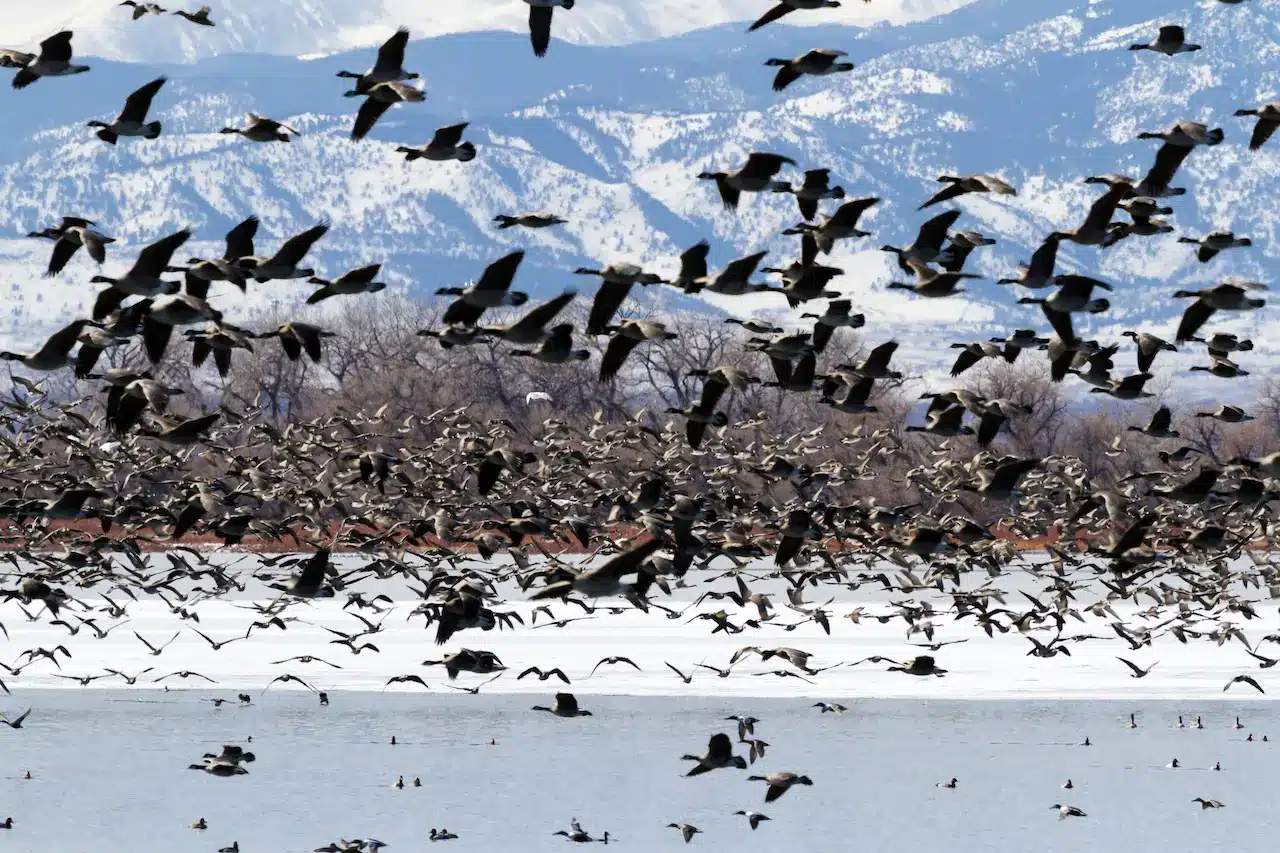
Have you ever wondered if animals other than birds also travel long distances every year? You might think migration is something only birds do, but many other creatures make incredible journeys too.
Understanding these migrations can change how you see the natural world around you. Keep reading to discover surprising animals that migrate, why they do it, and how their travels affect the planet—and maybe even your own life. This eye-opening look at migration will keep you hooked from start to finish!
Mammals On The Move
Mammals are often thought of as creatures tied to specific places, but many embark on incredible migrations that rival those of birds. These journeys are driven by the search for food, breeding grounds, or more favorable climates. Understanding these migrations can change how you see the natural world around you.
Whales’ Oceanic Journeys
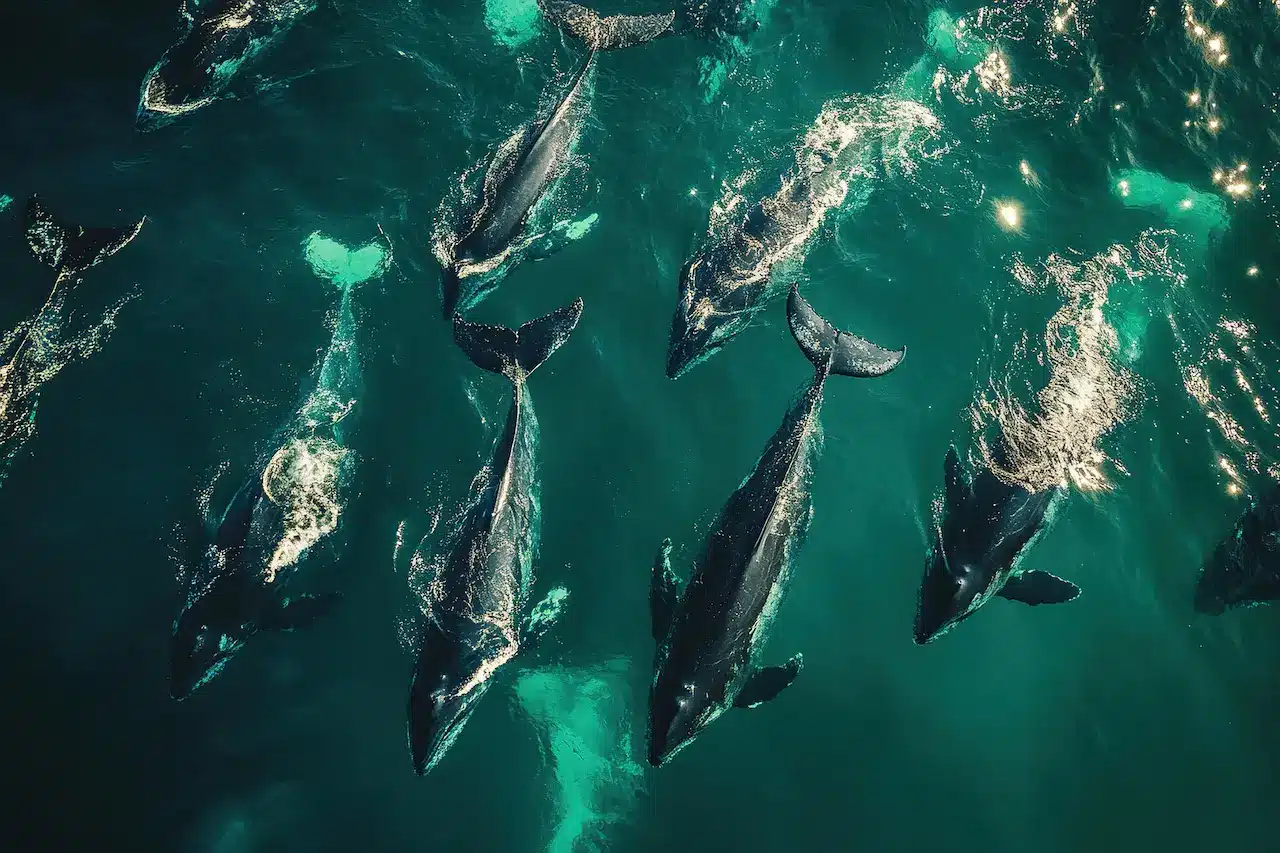
Whales travel thousands of miles across oceans each year. They move from cold, food-rich waters in the summer to warm breeding grounds in the winter. This migration helps them conserve energy and ensure the survival of their calves.
Have you ever wondered how these giants navigate such vast distances? They use the Earth’s magnetic field and even the sun’s position as guides.
Bats’ Seasonal Travels
Not many realize that some bat species migrate too. These small mammals move between summer roosts and winter hibernation sites. Their migration patterns help them avoid harsh weather and find abundant insect prey.
Picture a dark evening sky filled with tiny, winged travelers. Their journey might be short compared to whales, but it’s just as crucial for survival.
Caribou’s Arctic Treks
Caribou undertake one of the longest land migrations of any mammal. They travel across the Arctic tundra to reach summer grazing areas and safe calving grounds. This trek can cover hundreds of miles in harsh conditions.
Imagine the determination it takes to navigate icy landscapes and predators. Their migration is a powerful reminder of nature’s resilience and adaptability.
Credit: natgeotv.com.au
Fish And Aquatic Migrants
Fish and other aquatic animals also travel great distances to survive and reproduce. Their migrations are vital for their life cycles and the health of ecosystems. Many fish migrate between fresh and saltwater, moving with the seasons or to find safe places for their young.
These journeys can be long and dangerous. Fish use natural cues like the earth’s magnetic field, water temperature, and currents to navigate. Their migrations support fishing communities and maintain balance in aquatic environments.
Salmon’s River Return
Salmon are famous for their long swim back to the rivers where they were born. After spending years in the ocean, they swim upstream to lay eggs. This journey can cover hundreds of miles against strong currents.
Salmon rely on their sense of smell to find their home river. They face many obstacles like dams, predators, and pollution. Their return is crucial for the river’s ecosystem, providing nutrients that support many other species.
Eels’ Mysterious Voyage
Eels travel thousands of miles from freshwater rivers to the ocean to breed. Their exact breeding grounds were a mystery for a long time. Scientists discovered they spawn in the Sargasso Sea, a remote part of the Atlantic Ocean.
Young eels, called elvers, then swim back to rivers and lakes to grow. This migration takes several years and is full of challenges. Eels adapt to both salt and fresh water, showing amazing survival skills during their voyage.
Insects On The Wing
Insects are not just small creatures buzzing around. Many species travel thousands of miles each year. Their migrations are vital for survival and reproduction. These journeys show nature’s strength in tiny wings. Insect migration often matches the scale and mystery of bird flights. Let’s explore two famous insect travelers.
Monarch Butterflies’ Epic Flight
Monarch butterflies are famous for their long migrations. They travel up to 3,000 miles across North America. Monarchs move from the United States and Canada to central Mexico. This trip can take several weeks or months. They use air currents and thermal updrafts to glide. Monarchs follow the same routes year after year. Their migration is a multi-generational journey. No single butterfly completes the entire round trip. Each generation continues the flight south or north. This epic flight helps monarchs avoid cold winters. It also allows access to breeding sites and food.
Dragonflies’ Long-distance Travel
Dragonflies are not only fierce hunters but also strong travelers. Some species migrate over 11,000 miles. The globe skimmer dragonfly crosses oceans during migration. It moves between India and Africa in several stages. Dragonflies rely on wind patterns to assist their journey. They fly during the day, resting at night. Migration helps dragonflies find new breeding grounds and food. Their flights are less known but equally impressive. Dragonflies show that even insects can be great navigators.
Reptilian Road Trips
Reptilian road trips are some of the most fascinating journeys in the animal kingdom. Unlike birds, reptiles rely on different cues and strategies to navigate their migrations. These travels often involve long distances and challenging environments, revealing surprising adaptability and endurance.
Sea Turtles’ Oceanic Pilgrimage
Sea turtles undertake epic migrations across vast oceans to return to the beaches where they were born. This journey can span thousands of miles, crossing currents and avoiding predators. Their ability to use the Earth’s magnetic field as a natural GPS is truly remarkable.
Have you ever wondered how a creature with no map or compass manages to find the exact same shore after years at sea? This natural navigation skill helps them maintain their population and ensures their survival.
Snakes’ Seasonal Movement
Snakes don’t migrate in the traditional sense, but many species do move seasonally to find better conditions. During colder months, they seek out warm dens or burrows to survive winter. In spring and summer, they spread out to hunt and reproduce.
Tracking these movements can help you understand local snake behavior and even improve safety during outdoor activities. Have you noticed snakes disappearing from your garden in winter? That’s their way of adapting to changing weather.
Amphibians’ Overland Journeys
Amphibians are often overlooked when we think about migration, but their overland journeys are fascinating and vital for their survival. These creatures travel between habitats, usually moving from terrestrial environments to aquatic breeding grounds. Understanding their travel routes helps you appreciate the challenges they face and the delicate balance of their ecosystems.
Frogs’ Wetland Wanderings
Frogs leave their dry forest or meadow homes to find water bodies for breeding. These trips can cover several miles, often at night to avoid predators and dehydration. You might notice frogs hopping along roads or through gardens during rainy spring evenings, driven by an instinct to reach ponds or wetlands.
During these journeys, frogs rely heavily on moisture and cool temperatures. Dry or hot weather can stop their migration, putting their breeding success at risk. Have you ever paused to watch a frog’s steady, deliberate hop toward a distant pond? It’s a simple act with huge consequences for their future generations.
Salamanders’ Breeding Paths
Salamanders also undertake impressive migrations, often traveling from forests to vernal pools or small ponds. Unlike frogs, many salamander species migrate underground or under leaf litter, making their trips less visible but equally critical. These routes are essential for finding mates and laying eggs in safe aquatic environments.
Barriers like roads and urban development can disrupt salamanders’ paths, leading to population declines. Protecting their breeding corridors ensures these secretive travelers continue their journeys. Next time you walk through a damp woodland in early spring, look carefully—you might witness salamanders on their own remarkable migration.

Credit: www.wildlifenomads.com

Credit: blog.education.nationalgeographic.org
Frequently Asked Questions
What Animals Migrate Besides Birds?
Besides birds, many mammals, fish, insects, and reptiles migrate seasonally. Examples include whales, caribou, monarch butterflies, sea turtles, and salmon. These animals travel to find food, breed, or escape harsh climates. Migration helps them survive and reproduce in changing environments.
How Do Whales Migrate Across Oceans?
Whales migrate thousands of miles between feeding and breeding grounds. They travel from cold polar waters to warm tropical areas. Migration is guided by water temperature, food availability, and breeding needs. This journey ensures survival and successful reproduction of many whale species.
Why Do Monarch Butterflies Migrate Annually?
Monarch butterflies migrate to escape cold winters and find suitable breeding sites. They travel from North America to central Mexico, covering thousands of miles. This migration helps them survive winter and reproduce in favorable climates. It’s one of the longest insect migrations globally.
Do Fish Other Than Salmon Migrate?
Yes, many fish species migrate besides salmon. Examples include eels, tuna, and sturgeon. Fish migration often involves moving between freshwater and saltwater for spawning or feeding. This helps maintain their populations and adapt to changing environmental conditions.
Conclusion
Many animals migrate to find food, shelter, or better climates. Fish, mammals, insects, and reptiles all travel long distances. Migration helps them survive changing seasons and harsh conditions. This natural journey shows how life adapts and moves with the world.
Understanding these animals helps us appreciate nature’s balance. Their travels connect different habitats and support ecosystems everywhere. Migration is a powerful reminder of life’s constant change and resilience. It inspires curiosity and respect for the animal kingdom.