
Have you ever wondered which flying bird stands taller than all the rest? Imagine spotting a bird so tall, it almost looks like it could touch the sky.
Knowing the tallest flying bird species isn’t just a fun fact—it can change the way you see the world around you. You’ll discover the incredible bird that holds this unique record and learn surprising details about its size, habitat, and flight.
Ready to find out which bird soars above the others? Keep reading—you won’t want to miss this!
Credit: avibirds.com
The Majestic Sarus Crane
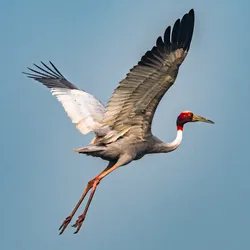
The Sarus Crane stands tall as the world’s tallest flying bird. Its elegant stature and impressive wingspan capture attention. This bird symbolizes grace and strength across its habitats. Native to parts of Asia and Australia, the Sarus Crane holds cultural importance in many regions.
Its height can reach up to 1.8 meters (6 feet). Despite this size, it soars smoothly through the sky. The Sarus Crane’s striking red head and long legs add to its majestic look.
The Physical Features Of The Sarus Crane
The Sarus Crane has a long neck and strong legs. Its body is mostly gray with white streaks. The bare red skin on its head and upper neck stands out clearly. Its wingspan measures about 2.4 meters (8 feet), allowing it to fly gracefully.
Habitat And Distribution
The Sarus Crane lives in wetlands, marshes, and riverbanks. It prefers open areas with shallow water. These birds are found in India, Southeast Asia, and northern Australia. They rely on these habitats for feeding and nesting.
Behavior And Diet
Sarus Cranes are often seen in pairs or small groups. They perform elaborate courtship dances with jumps and bows. Their diet includes aquatic plants, insects, and small animals. They forage by walking slowly in shallow water.
Features Of The Sarus Crane
The Sarus Crane stands out not just for its impressive height but also for its remarkable features that make it unique among flying birds. Understanding these features helps you appreciate why this species holds the title of the tallest flying bird in the world. Let’s take a closer look at what makes the Sarus Crane so special.
Physical Characteristics
The Sarus Crane can reach up to 1.8 meters (6 feet) tall, making it taller than many humans. Its wingspan stretches up to 2.4 meters (8 feet), allowing it to soar gracefully despite its size. You’ll notice its striking gray body contrasted with a bright red head and upper neck, a feature that is quite eye-catching.
The legs of the Sarus Crane are long and powerful, designed to wade through wetlands and marshes with ease. Unlike many birds that rely heavily on camouflage, the Sarus Crane’s vivid red head acts as a strong visual signal during mating displays and territorial disputes.
Habitat And Range
The Sarus Crane thrives in wetlands, marshes, and shallow lakes primarily across the Indian subcontinent, Southeast Asia, and parts of Australia. These birds prefer open landscapes with abundant water sources, which support their diet of aquatic plants, small animals, and insects.
Have you ever wondered how such a tall bird manages to navigate dense wetlands? The Sarus Crane’s long legs allow it to move through water up to a meter deep, a feature crucial for feeding and nesting. Their habitats face threats from human activity, which makes understanding their living conditions important for conservation efforts.
Behavior And Lifestyle
The world’s tallest flying bird shows unique behavior and lifestyle traits. Its daily activities blend strength with grace. Understanding these traits helps appreciate this bird’s survival skills and adaptation.
Diet And Feeding Habits
This bird prefers a diet mainly of plants and small animals. It often feeds in wetlands and grasslands. Its long legs help wade through shallow waters. It uses its strong beak to catch fish and insects. Sometimes, it also eats seeds and berries. Feeding happens mostly during dawn and dusk. The bird can stay still for long periods while hunting. This patient approach helps it catch prey more easily.
Breeding And Mating Rituals
Breeding season brings vibrant displays and calls. Males perform dances to attract females. These rituals include bowing, jumping, and wing flapping. Pairs build large nests made of sticks and reeds. They choose tall trees or elevated ground to keep nests safe. Both parents share the duty of incubating eggs. After hatching, they protect chicks until they can fly. Family groups often stay close during early months. This care increases the young’s chances of survival.
Conservation Status
The conservation status of the world’s tallest flying bird species is a critical topic that sheds light on the challenges these magnificent creatures face. Understanding their status helps you realize the urgency of protecting them and their habitats. It also encourages you to think about the role humans play in their survival.
Threats To Survival
Habitat loss is one of the biggest threats these tall birds face. As forests and wetlands disappear due to human activity, their living space shrinks drastically.
Poaching and hunting add pressure, often driven by demand for feathers or meat. This makes it harder for populations to recover.
Pollution and climate change disrupt their food sources and breeding patterns. Have you ever thought about how changes in your environment might affect wildlife miles away?
Conservation Efforts
Conservation programs focus on protecting habitats through reserves and national parks. These safe zones provide a chance for bird populations to grow without human interference.
Community involvement is crucial. When locals understand the bird’s value, they become active protectors rather than threats.
Scientific research helps track population trends and health. This data guides practical actions, like breeding programs or anti-poaching patrols.
Supporting organizations dedicated to bird conservation can make a real difference. What steps can you take today to help preserve these giants of the sky?
Comparison With Other Tall Birds
Understanding the tallest flying birds becomes clearer when you compare them side by side. Each species brings unique features that affect their height and flying abilities. Let’s look closely at two notable tall birds to see how they measure up.
Whooping Crane
The Whooping Crane stands tall at about 5 feet (1.5 meters). Its slender body and long legs give it an impressive height on the ground. Despite this, its wingspan reaches up to 7.5 feet (2.3 meters), allowing it to soar gracefully.
You might wonder how its height influences its flying. The Whooping Crane’s long legs tuck in during flight, reducing drag. This adaptation helps maintain energy efficiency during long migrations.
Andean Condor
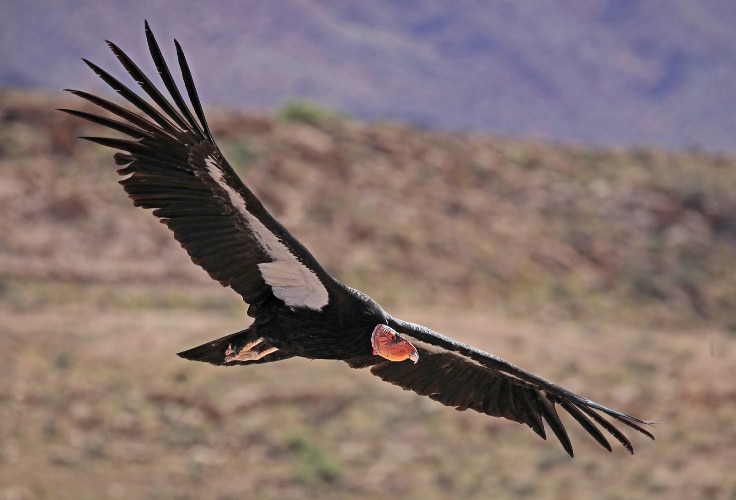
The Andean Condor is one of the largest flying birds by wingspan, stretching up to 10.5 feet (3.2 meters). Standing height varies but is generally shorter than the Whooping Crane, around 4 feet (1.2 meters).
Its massive wings help it glide effortlessly over mountain ranges. Unlike the Whooping Crane, the Andean Condor relies more on soaring than flapping, which suits its heavy body.
| Bird Species | Average Height (feet) | Wingspan (feet) | Flight Style |
|---|---|---|---|
| Whooping Crane | 5 | 7.5 | Flapping with long flights |
| Andean Condor | 4 | 10.5 | Soaring and gliding |
Would you expect the tallest bird on the ground to have the largest wingspan? The answer isn’t always yes. Height and wingspan serve different purposes in flight and survival. Think about your own body—tallness doesn’t always mean strength or speed. The same applies to these magnificent birds.
Credit: avibirds.com
Cultural Significance
The world’s tallest flying bird species holds a unique place beyond its impressive size. Its cultural significance spans history, art, and nature. People have admired and respected this bird for centuries. It appears in stories, symbols, and local traditions. Understanding its role helps us appreciate its impact on human life and the environment.
Symbolism In Different Cultures
Many cultures see this bird as a symbol of freedom and strength. Its height and grace inspire awe and respect. Some Native American tribes regard it as a messenger between earth and sky. In African folklore, it represents wisdom and protection. Artists often depict the bird to show power and vision. Its image appears on flags, emblems, and carvings worldwide.
Role In Local Ecosystems
This tall flying bird plays a vital role in its habitat. It helps control populations of small animals and insects. By doing so, it keeps the ecosystem balanced. The bird’s nesting habits support other wildlife by creating safe spaces. It also aids in seed dispersal, promoting plant growth. Protecting this bird means protecting the health of many ecosystems.
Credit: avibirds.com
Frequently Asked Questions
What Is The Tallest Flying Bird Species In The World?
The tallest flying bird species is the Sarus Crane. It can reach up to 1. 8 meters in height, making it the tallest among flying birds globally.
How Tall Can The Sarus Crane Grow?
The Sarus Crane can grow up to 1. 8 meters (about 6 feet) tall. Its long legs and neck contribute to its impressive height.
Where Is The Tallest Flying Bird Found?
The Sarus Crane is primarily found in wetlands across India, Southeast Asia, and Australia. It thrives in marshes and grasslands.
Can The Tallest Flying Bird Soar At High Altitudes?
Yes, the Sarus Crane can fly at moderate altitudes, but it prefers low to mid-level flights during migration and daily movement.
Conclusion
The tallest flying bird stands out with its impressive height. It amazes many with its unique size and flight ability. Knowing this bird helps us appreciate nature’s wonders more. Birds like this show how diverse and fascinating wildlife can be.
Next time you see a large bird flying, remember its special place in the world. Nature always has surprises waiting to be discovered. Keep exploring and learning about the amazing creatures around us.