
Have you ever wondered why birds always choose a mate from their own species? It might seem simple at first, but there’s a lot going on behind this natural choice.
Understanding why birds stick to their kind can open your eyes to the secrets of nature’s design. You’ll discover the surprising reasons that shape bird relationships and how these choices affect the world around you. Keep reading, and you’ll see birds in a whole new light.

Credit: www.birdwatchingdaily.com
The Role Of Instinct In Bird Mating
Bird mating behaviors are deeply rooted in instinct. Instinct guides birds to choose partners from their own species. This natural drive helps maintain species identity and survival. Each bird species has unique signals and behaviors that attract mates. These instincts prevent confusion and mismatched pairings between different species.
Birds rely on inherited cues to find suitable partners. These cues include songs, dances, colors, and scents. Instinct ensures that birds respond to the right signals. This response increases the chance of successful reproduction and healthy offspring.
The Biological Basis Of Mating Instincts
Birds have genes that control mating behaviors. These genes trigger responses to species-specific traits. For example, a male bird’s song matches females of the same species. This biological wiring ensures proper mate selection. Instincts develop over thousands of years of evolution.
How Instinct Helps Birds Recognize Their Species
Birds recognize their species through visual and auditory cues. Bright feathers, unique calls, and courtship displays are key. Instinct makes birds attracted only to these specific traits. This recognition stops them from mating with other species.
The Role Of Instinct In Preventing Hybridization
Hybrid offspring often have lower survival rates. Instinctive mating behaviors reduce the risk of hybridization. Birds avoid partners that do not fit their species’ typical signals. This natural barrier helps keep species distinct and strong.
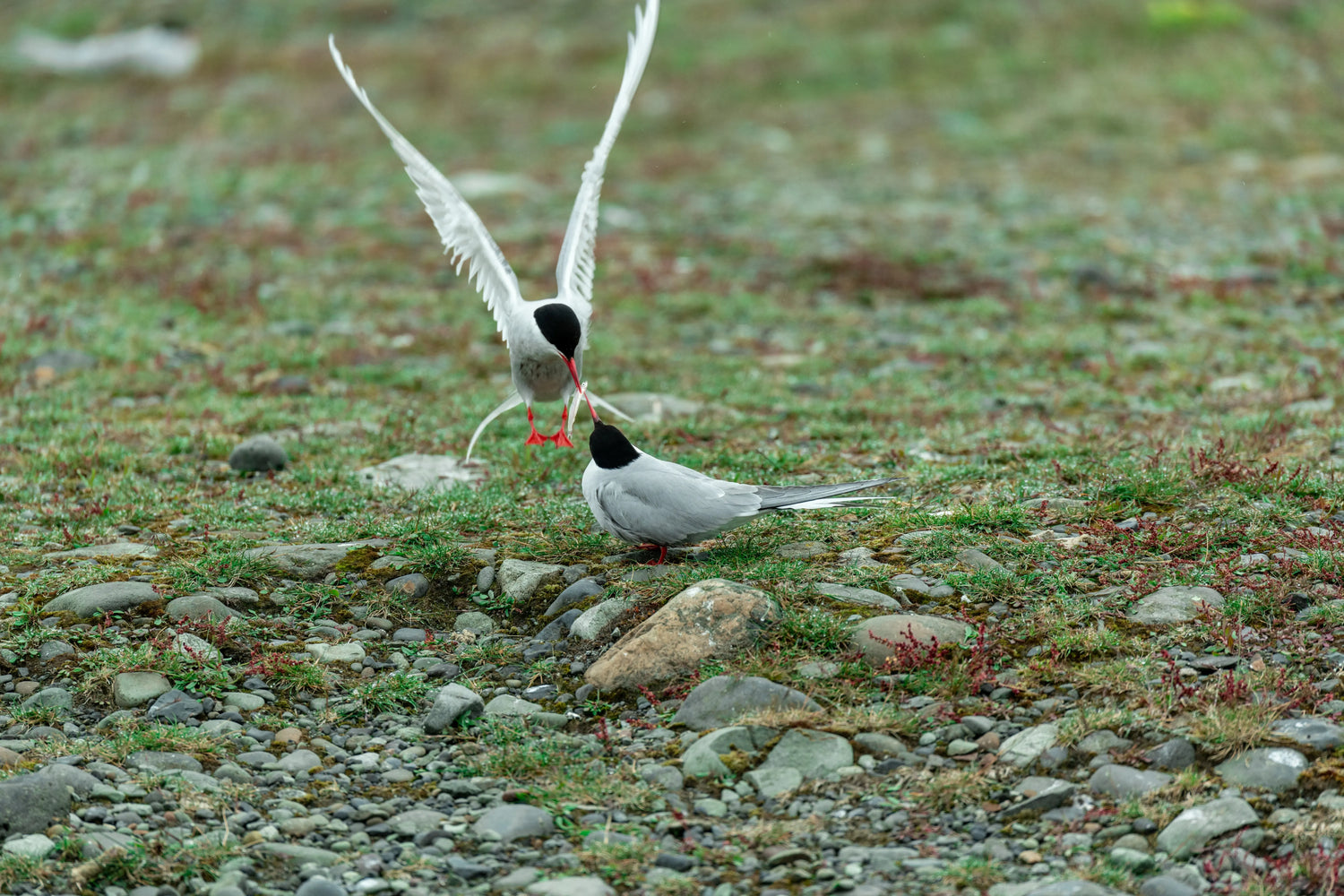
Credit: www.bilantan.com
Genetic Compatibility
Genetic compatibility plays a crucial role in why birds choose mates from the same species. It’s not just about finding a partner; it’s about ensuring that their offspring have the best chance of survival and health. When birds mate with others outside their species, genetic mismatches can occur, leading to weaker or infertile chicks.
How Genetic Compatibility Affects Offspring Survival
Birds share specific genetic codes unique to their species. When these codes mix correctly, the resulting offspring inherit traits that help them thrive in their environment.
Cross-species mating often results in genetic conflicts. These conflicts can cause developmental problems or reduce the ability of chicks to adapt and survive.
Why Genetic Differences Matter In Bird Mating
Even small differences in DNA can create big problems. Your body might reject a mismatched organ transplant—similarly, bird embryos may not develop properly if parents are genetically incompatible.
Genetic differences can affect physical traits like beak shape, feather color, or song patterns, which are vital for survival and attracting mates. Birds instinctively avoid mates whose traits don’t match their own species.
The Role Of Genetic Signals In Mate Selection
Birds use visual and auditory cues to detect genetic compatibility. These signals help them identify suitable partners who share their species’ genetic makeup.
For example, a bird’s song is not just a melody; it carries genetic information that helps others recognize if they are a compatible match. Your ability to spot these signals can give you insight into how precise nature’s matchmaking really is.
Species-specific Courtship Rituals
Birds have unique ways to attract mates. These ways are called species-specific courtship rituals. Each bird species has its own special behaviors and signals. These rituals help birds find the right partner of their own kind. They avoid confusion and keep their species distinct.
Courtship rituals include songs, dances, and displays. These acts show a bird’s health and strength. They also prove the bird belongs to a certain species. Birds respond only to the right signals from their own species. This keeps mating within the species and helps survival.
Unique Songs And Calls
Birds use distinct sounds to attract mates. Each species has its own song patterns. These sounds tell others about their presence and fitness. Birds ignore songs that do not match their own type. This prevents mating mistakes across species.
Distinctive Visual Displays
Colors and movements play a big role in courtship. Male birds often show bright feathers or specific dances. These displays are designed to catch the eye of females from the same species. Different species have different colors and moves. This helps birds recognize their correct partners.
Species-specific Behaviors
Some birds perform unique actions during courtship. These include building special nests or offering food. Such behaviors are often only understood by birds of the same species. They act as a clear signal that says, “I am your kind.” This keeps mating focused within the species.
Communication And Song Patterns
Communication and song patterns play a crucial role in why birds mate only with their own species. Birds use unique calls and songs to identify each other, ensuring they find the right partner. These sounds act like a secret language, guiding birds in their mating choices.
How Song Patterns Help Birds Recognize Their Species
Each bird species has a distinct song pattern. These songs vary in pitch, rhythm, and length, creating a signature tune. When you listen closely, you can hear how different a robin’s melody is from a blue jay’s call.
These unique songs help birds avoid confusion. Imagine trying to find a friend in a crowd by their voice; birds do the same with their songs. This prevents them from mating with the wrong species, which could lead to unsuccessful reproduction.
The Role Of Communication In Bird Mating Rituals
Birds don’t just sing randomly—they use their songs to attract mates and show their fitness. A clear, strong song signals health and vitality. If you ever watched birds in your garden, you might notice males singing loudly to catch the attention of females.
Besides songs, birds use calls and body language to communicate. These signals help them coordinate courtship behaviors and build trust. Without proper communication, mating rituals would fail, reducing the chances of successful pairing.
Can You Hear The Difference? Why Song Variation Matters
Not all songs are identical, even within the same species. Regional dialects exist, much like human accents. This variation can influence mate choice and help birds identify local partners who share the same environment.
Think about hearing a familiar accent—it feels like home. For birds, recognizing local song patterns means finding a mate adapted to their surroundings. This subtle difference keeps species distinct and thriving.
Visual Cues And Coloration
Birds use visual cues and coloration to find the right mate. Their bright feathers and unique patterns help them recognize others of the same species. These signals play a key role in mating decisions and species identification.
Coloration varies greatly among bird species. Some birds show vivid colors during breeding seasons to attract mates. Others have subtle shades that blend with their environment but still signal their species.
Species Recognition Through Feather Patterns
Feather patterns act like a species ID card. Birds notice specific shapes, spots, and stripes. These patterns help avoid confusion with other species. Correct recognition ensures they mate with a suitable partner.
Role Of Bright Colors In Attraction
Bright colors catch attention quickly. Males often display intense colors to show health and strength. Females choose mates with the best coloration to ensure strong offspring. This natural selection keeps species distinct.
Changes In Color During Breeding Season
Many birds change color during mating time. These changes signal readiness to mate. The shift in color helps attract partners of the same species. It reduces the chance of mating errors.
Visual Signals And Species Isolation
Visual signals keep species separate. Birds avoid mates that look different. This isolation prevents hybrid offspring. It maintains species purity and survival over time.
Geographic And Environmental Factors
Geographic and environmental factors play a crucial role in why birds mate only within their own species. These elements shape where birds live, how they find mates, and ultimately who they choose to reproduce with. Understanding these factors helps you see how nature naturally limits cross-species breeding.
Natural Barriers And Habitat Separation
Mountains, rivers, and oceans often act as natural barriers that keep bird populations apart. When birds live in different geographic areas, they rarely meet, which reduces the chance of mating between species.
Even small differences in habitat, like forest versus grassland, create separate living zones. These zones encourage birds to stay within their species because their preferred environment supports their survival and reproduction.
Environmental Adaptations And Compatibility
Birds adapt physically and behaviorally to their environment, making them suited to specific climates and food sources. These adaptations influence their mating rituals and preferences.
You might notice how a bird’s song or plumage matches the environment—it’s not random. These traits help birds find suitable mates within their own species who share similar adaptations, ensuring their offspring thrive.
Timing Of Breeding Seasons
Different species often breed at different times of the year, even when they live in the same area. This timing reduces chances of interspecies mating because birds are focused on their own species’ mating period.
If you watch birds during spring, you’ll see how synchronized their behavior is. This synchronization is driven by environmental cues like temperature and daylight, aligning mating efforts within the same species.
How Does Your Local Environment Influence Bird Behavior?
Consider the birds you see around your home or park. Are they mostly one species or many? Think about how the landscape and seasons might guide their mating choices. Your observations might reveal how geographic and environmental factors shape bird relationships in real time.
Evolutionary Advantages
Birds mating only within their species offers clear evolutionary benefits. This behavior helps keep their genes strong and adapted to their environment. By choosing mates from the same species, birds increase the chances of producing healthy offspring. These offspring inherit traits that are fine-tuned for survival and reproduction in their natural habitat.
Cross-species mating often leads to weak or infertile offspring. This reduces the chances of passing on genes to future generations. Staying within species ensures that genetic information remains stable and effective. It also helps avoid problems that arise from mixing very different gene pools.
Birds of the same species share similar DNA. This compatibility allows for successful fertilization and healthy embryos. Genetic differences between species can cause failures in development. Mating within species ensures offspring have the right genetic makeup.
Adaptation To Environment
Species evolve traits suited to their specific habitats. Mating within species keeps these traits intact. Offspring inherit features that help them survive climate, food sources, and predators. This maintains the species’ ability to thrive in their environment.
Maintaining Species Identity
Reproducing only with the same species preserves unique characteristics. These traits include behaviors, calls, colors, and nesting habits. Keeping these traits intact helps birds find mates and survive as a group. It also prevents the loss of species diversity.
Increased Survival Rates
Offspring from the same species usually have higher survival chances. Their parents’ traits are tested and proven in their environment. These traits include disease resistance and the ability to find food. Strong offspring improve the species’ long-term survival.
Hybridization: Exceptions To The Rule
Birds usually mate within their own species to keep their traits strong and consistent. This behavior helps maintain clear species boundaries. Yet, nature sometimes bends the rules. Hybridization is when birds from different species mate and produce offspring. This is rare but fascinating. It shows how flexible nature can be under certain conditions.
Hybrid offspring often face challenges. They might struggle with survival or reproduction. Still, hybrids can offer clues about evolution and species relationships. Studying them helps scientists understand how species change and adapt over time.
What Causes Hybridization In Birds?
Hybridization can happen when species live close together. Limited mates increase chances of cross-species pairing. Similar behaviors and appearances also encourage hybrid mating. Changes in the environment or human impact can disrupt normal patterns. This leads to more hybrid occurrences.
Examples Of Bird Hybrids
- Liger birds from mallards and black ducks
- Grolar bears, a mix of grizzly and polar bears (not a bird but similar concept)
- Some warblers and finches hybridize in overlapping areas
These examples show hybridization is possible but uncommon.
Impacts Of Hybridization On Bird Populations
- Can blur species boundaries
- May introduce new traits
- Sometimes weakens genetic strength
- Helps scientists track evolution
Hybridization affects birds in complex ways. It can be both beneficial and harmful.
Impact Of Human Activity
Human activity changes bird habitats and affects their mating habits. Cities, farms, and roads break natural areas into smaller patches. This makes it harder for birds to find mates from their own species. Noise, light, and pollution can confuse birds during courtship. These changes can reduce the chance of successful mating.
Some birds may try to mate with different species due to fewer options. But most birds still prefer mates of their own kind to ensure healthy offspring. Human actions also introduce new species, which can cause competition and hybridization risks. Protecting natural habitats helps birds keep their natural mating patterns.
Habitat Fragmentation And Its Effects
Cutting forests and wetlands divides bird populations. Small groups have fewer mates to choose from. This isolation can lead to inbreeding or forced mating with other species. Birds may lose their usual signals and behaviors used to find mates.
Light And Noise Pollution Disrupt Bird Communication
Bright lights at night confuse birds’ internal clocks. Noise from traffic and machines covers bird songs. Birds rely on songs and displays to attract mates. When these signals are blocked, mating success drops. Birds may miss chances to find the right partner.
Introduction Of Non-native Species
Humans bring new bird species to different areas. These newcomers compete for food and nesting spots. Some non-native birds may try to mate with local species. This can cause hybrids that may not survive well. Native birds may lose their unique traits.
Conservation Efforts To Support Natural Mating
- Protect large, connected habitats
- Reduce light and noise pollution near bird areas
- Control invasive species
- Restore native plants and natural environments
These actions help birds find proper mates. Healthy environments encourage natural behaviors. This supports bird populations and biodiversity overall.
/https://tf-cmsv2-smithsonianmag-media.s3.amazonaws.com/filer_public/d0/b6/d0b653bd-978b-408a-999c-bc3ffec1e6b6/gettyimages-1184372519_web.jpg)
Credit: www.smithsonianmag.com
Frequently Asked Questions
Why Do Birds Prefer Mating Within Their Species?
Birds mate within their species to ensure genetic compatibility. This increases the chances of healthy offspring and survival. Different species have distinct mating behaviors and signals, preventing cross-species mating. It helps maintain species identity and evolutionary stability.
How Do Birds Recognize Their Own Species For Mating?
Birds use visual cues like color and size to identify mates. They also rely on species-specific songs and calls. These signals help avoid mating errors and attract suitable partners. This recognition ensures reproductive success within the species.
Can Birds Mate With Different Species Successfully?
Cross-species mating in birds is rare and usually unsuccessful. Genetic differences often cause infertility or weak offspring. Birds’ mating behaviors and signals naturally prevent such mismatches. This maintains species integrity and biodiversity.
What Role Does Evolution Play In Birds Mating Within Species?
Evolution favors birds that mate within their species for better survival. Species-specific traits and behaviors evolve to attract suitable mates. This prevents wasted reproductive effort on incompatible partners. It strengthens species adaptation over time.
Conclusion
Birds choose mates from the same species to keep their kind strong. Mixing species can cause problems for their babies. Each bird species has unique calls, colors, and behaviors that help them find the right partner. This matching helps birds survive and thrive in nature.
Staying with their own kind keeps their family healthy and safe. Nature designed this to protect bird populations. It shows how carefully life works to keep each species alive and well.