
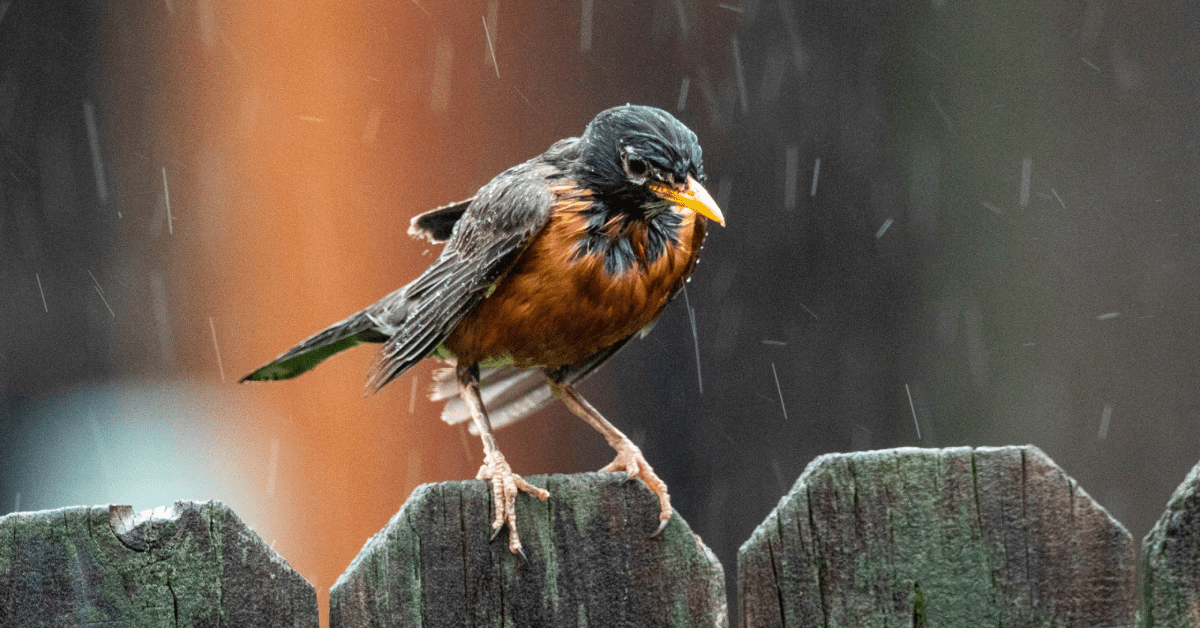
Have you ever noticed how birds suddenly act different when the weather turns bad? Maybe they stop singing, fly in unusual patterns, or disappear altogether.
You might wonder why these changes happen and what it means for the birds you see every day. Understanding why bad weather affects bird behavior can give you a new way to connect with nature and even help you predict what’s coming next.
Keep reading, and you’ll discover surprising reasons behind these changes that will make you see birds—and the weather—like never before.
Credit: greenly.earth
Birds And Weather Patterns
Birds are highly sensitive to weather changes. Their behaviors often shift with the weather. These changes can be subtle or quite pronounced. Understanding these patterns helps us learn more about bird survival strategies. Weather influences their feeding, migration, and nesting habits.
How Weather Affects Bird Activity
Birds adjust their activity levels based on weather conditions. During calm weather, they actively search for food. Rainy days see reduced activity as birds seek shelter. Stormy weather pushes them to conserve energy. They rest to save strength for better days. Windy conditions may affect their flight. They fly less to avoid exhaustion.
Common Weather Triggers For Behavior Change
Several weather elements trigger behavior changes in birds. Temperature drops lead to increased feeding. Birds eat more to maintain body heat. Rain often results in seeking cover. They hide in trees or dense bushes. Snow can make food scarce. Birds may move to areas with more resources. Strong winds make flying difficult. Birds stay grounded to avoid danger. Sudden storms may trigger early migration. Birds move to escape harsh conditions.
Flight And Migration Adjustments
Birds constantly adjust their flight patterns and migration schedules in response to bad weather. These changes are crucial for their survival and energy management. Understanding how storms and wind affect these behaviors can give you a clearer picture of the challenges birds face during harsh conditions.
Storms Impact On Migration Routes
Storms can force birds to alter their usual migration paths, sometimes drastically. Strong rain, lightning, and turbulent air make flying dangerous, so birds often seek shelter or find alternate routes.
Have you noticed fewer birds during stormy days? That’s because many stop flying altogether until conditions improve. Some species even delay migration by days or weeks, waiting for safer skies.
This rerouting can increase the distance and time of their journey, putting extra stress on their bodies. It’s like you being forced to take a longer detour in a heavy storm—exhausting and frustrating.
Wind And Flight Energy Conservation
Wind plays a huge role in how birds manage their energy during flight. Flying against strong headwinds requires more effort, so birds often wait for favorable winds before continuing their migration.
Tailwinds, on the other hand, act like a natural boost. Birds use these winds to glide more and flap less, saving precious energy for the long haul ahead.
Ever wondered why some days see huge flocks moving swiftly, while others show almost no movement? It’s all about wind conditions and how birds balance energy use with their need to move forward.
- Birds may change altitude to find winds that help rather than hinder.
- They also adjust their speed and wing position to maximize glide efficiency.
- Some species rest more frequently during bad wind conditions to recover energy.
Feeding Habits During Bad Weather
Birds adjust their feeding habits dramatically during bad weather to survive and maintain energy. Sudden changes in weather, like heavy rain or strong winds, can make food harder to find and catch. Understanding these shifts helps you notice how resilient and adaptable birds truly are.
Food Availability Shifts
Bad weather often reduces the availability of usual food sources. Rain can wash away insects or make seeds harder to reach, while wind can scatter food or block birds from accessing it. This forces birds to search for alternative foods or rely on stored reserves.
Have you ever seen birds pecking at berries or fruits more frequently during wet days? That’s because these foods remain more accessible when insects hide or become scarce. Some species might even visit bird feeders more often when natural sources dwindle.
Foraging Strategies In Rain And Wind
Birds change their search techniques based on the weather. In heavy rain, they often look under leaves or bark where insects stay dry. During strong winds, they might forage closer to the ground or in sheltered spots to avoid being blown off balance.
Some birds also adjust the timing of their feeding trips. You might notice more activity just before a storm or during brief breaks in bad weather. This shows how they balance the risk of exposure with the need to eat.
- Target sheltered areas for food during storms
- Shift diet to more available items like seeds or fruits
- Feed during calmer weather windows when possible
Next time you watch birds on a rainy day, try spotting these changes. What feeding tactics do you think your local birds use to cope? Your observations can reveal a lot about their survival skills.

Credit: birdsnways.com
Sheltering And Nesting Responses
Birds change their behavior during bad weather to stay safe and protect their young. Sheltering and nesting responses help birds survive storms, cold, and heavy rain. These actions reduce risks from harsh elements and keep nests secure.
Seeking Shelter From Harsh Conditions
Birds look for safe places to hide from wind, rain, and cold. Dense bushes, tree cavities, and thick branches offer good cover. Some birds tuck themselves under leaves or inside hollow trees. Staying still in shelter helps them save energy and stay warm. They avoid open spaces where wind and rain hit hard.
Nest Protection Tactics
Birds work hard to protect their nests during bad weather. They reinforce nests with extra materials like mud, leaves, or feathers. Parents stay close to keep eggs or chicks warm and dry. Some birds adjust the nest shape to better block wind or rain. Others shield their young by standing over them or turning their bodies to block cold air.
Communication Changes In Stormy Weather
Stormy weather doesn’t just change the way birds move; it also alters how they communicate. The noise of heavy rain and wind makes it harder for birds to hear each other. This forces them to adjust their usual signals to stay connected with their flock or potential mates.
Altered Birdsong Patterns
Birds often sing louder or at different pitches during storms to cut through the background noise. Some species shorten their songs, making them quicker and more direct. This helps messages get across before the wind or rain drowns them out.
Have you noticed how some birds suddenly stop singing during heavy rain? They might switch to calls that travel better in bad weather, like sharp chirps instead of long melodies. This change keeps their communication clear, even when conditions are tough.
Visual Signals And Weather
When sound gets lost in the storm, birds rely more on visual signs. Wing movements, head bobs, and feather displays become important ways to send messages. Bright plumage might be less visible, so birds exaggerate their motions to catch attention.
This shift shows how adaptable birds are. If you watch closely during a storm, you might see them using body language more than usual. What might this tell you about how animals manage challenges in their environment?
Surprising Adaptations To Extreme Weather
Birds face many challenges during extreme weather. Their survival depends on quick changes in behavior and physical traits. These adaptations help birds stay safe, find food, and keep warm. Some changes are small but very effective. Others are surprising and show how clever birds really are.
Behavioral Flexibility In Birds
Birds can change their actions to handle bad weather. Many stop flying and seek shelter in thick bushes or trees. Some reduce their activity to save energy. Others change their feeding times to avoid storms. This flexibility helps them survive harsh conditions.
Birds also huddle together to keep warm. This behavior reduces heat loss and protects them from cold winds. Some species migrate to warmer places before weather gets too harsh. This movement ensures they find enough food and better living conditions.
Species That Thrive In Bad Weather
Some birds are built to handle tough weather. For example, puffins have waterproof feathers that keep them dry in heavy rain. Owls have silent flight, helping them hunt during stormy nights. Ravens are strong flyers and can soar in strong winds.
These species use their special traits to find food and shelter. They often live in areas where other birds cannot survive. Their ability to thrive in bad weather shows nature’s power to adapt and survive.

Credit: birdsnways.com
Frequently Asked Questions
Why Do Birds Change Behavior During Bad Weather?
Birds adjust behavior to conserve energy and stay safe. Bad weather reduces food availability, so they seek shelter and reduce activity to survive harsh conditions.
How Does Rain Affect Bird Activity?
Rain limits flying and foraging for birds. They often hide in dense foliage or tree cavities to stay dry and conserve energy during heavy rain.
Do Birds Migrate Because Of Bad Weather?
Yes, many birds migrate to avoid harsh weather. Migration helps them find warmer climates with more food and safer conditions for breeding.
What Signs Show Birds Are Stressed By Weather?
Birds may fluff feathers, reduce calls, or stay hidden. These behaviors indicate stress and efforts to conserve energy during bad weather.
Conclusion
Birds change their actions when bad weather arrives. They seek shelter and stay safe. Food becomes harder to find during storms. Birds may fly less or rest more. These changes help them survive tough times. Watching their behavior teaches us about nature.
Next time you see bad weather, notice birds closely. Their actions tell a story of survival and care. Understanding this helps us protect birds better. Nature adapts, and so do birds. Their behavior shows strength in hard weather.