
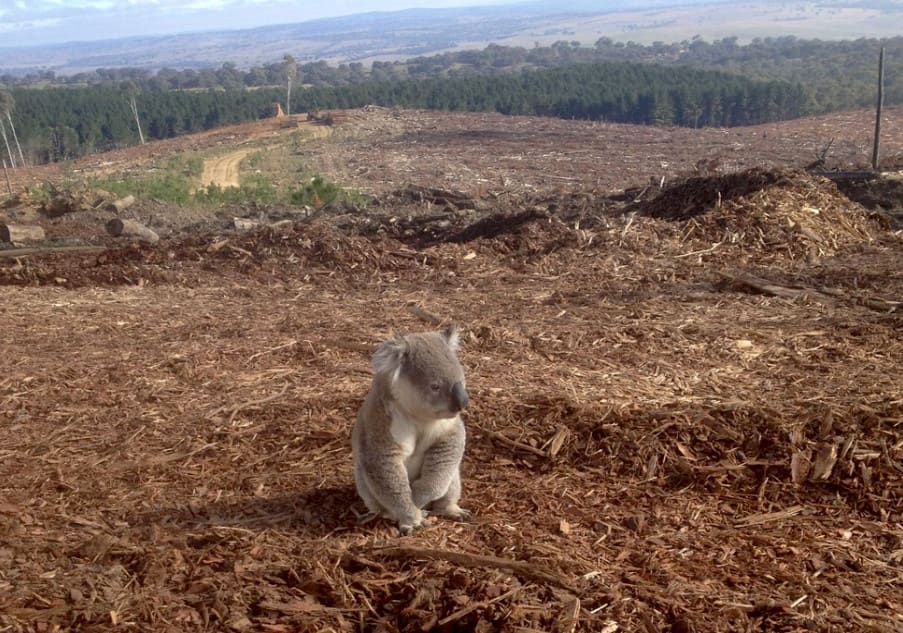
Have you ever stopped to think about what happens to the homes of birds when humans change the land? Every time you see a new building, road, or farm, it might be pushing birds out of their natural habitats.
But what types of human activities cause the most harm? Understanding this can help you make better choices to protect these beautiful creatures. Keep reading, and you’ll discover the surprising ways our actions affect bird habitats—and what you can do to help save them.
Deforestation And Habitat Loss
Cutting down trees and clearing land for farms destroys where birds live. Building cities and roads also breaks up their homes. These actions leave birds with fewer places to find food and shelter.
Deforestation and Habitat Loss Birds, with their vibrant colors and enchanting songs, are an essential part of our ecosystem. Yet, their habitats are being destroyed at an alarming rate. Human activities, particularly deforestation, are a significant threat to these creatures’ survival. But what exactly within deforestation is causing this destruction?Logging And Land Clearing
Logging removes crucial trees that birds use for nesting and shelter. This activity disrupts their natural habitat, making it difficult for birds to find food and protection. Imagine a world where your home is gone overnight—this is the reality for many bird species. Land clearing for development or agriculture erases entire ecosystems. It doesn’t just affect the trees but also the insects and smaller plants birds rely on. Have you ever thought about the ripple effect one felled tree can have?Agricultural Expansion
Agricultural expansion often means converting forests into farmland. This not only reduces the number of trees but also introduces harmful pesticides into the environment. Birds ingest these chemicals, leading to health issues and reduced reproductive success. As farms grow, the natural vegetation that supports bird populations disappears. Could this be the price of feeding a growing human population?Urban Development
Urban development replaces natural landscapes with concrete jungles. Skyscrapers and roads take the place of trees and meadows. Birds find it challenging to adapt to such drastic changes in their environment. Noise pollution from cities can interfere with birds’ communication and mating calls. Have you noticed fewer birds singing in your neighborhood? Each of these activities contributes significantly to habitat destruction. By understanding their impact, you can make informed choices and advocate for policies that protect bird habitats. What steps will you take to ensure these beautiful creatures continue to thrive?
Credit: www.wildlifenomads.com
Pollution And Its Impact
Pollution plays a major role in destroying bird habitats. It contaminates the places birds live, feed, and breed. Different types of pollution affect birds in many harmful ways. Understanding these effects helps us protect their homes.
Chemical Contamination
Birds suffer from chemicals like pesticides and heavy metals. These toxins enter water and soil, poisoning birds directly or through their food. Chemicals can cause illness, reduce reproduction, and even death. They also weaken bird immune systems, making survival harder.
Plastic Waste
Plastic trash litters many bird habitats worldwide. Birds often mistake plastic for food, leading to choking or starvation. Plastic can trap birds, limiting movement and causing injuries. Broken plastic pieces pollute nesting areas, reducing safe spaces for raising young.
Air And Water Pollution
Dirty air and water harm birds deeply. Polluted air carries harmful gases that damage bird lungs and feathers. Contaminated water sources reduce clean drinking and food availability. Both types of pollution disrupt bird migration and breeding patterns, causing population decline.
Climate Change Effects
Climate change is reshaping the world around us, and birds are among the most affected creatures. Their habitats, finely tuned to specific conditions, are being disrupted in ways that threaten their survival. Understanding these changes can help you see the urgent need to protect bird habitats.
Temperature Shifts
Rising temperatures force birds to adapt quickly or face declining populations. Some species move to higher altitudes or latitudes seeking cooler environments. But not all birds can relocate easily, especially those tied to specific habitats.
Have you noticed how certain birds are less common in your area during warmer months? This change often links to temperature shifts disrupting their normal living conditions. You can help by supporting local conservation efforts aimed at preserving diverse habitats.
Altered Migration Patterns
Birds rely on precise cues like temperature and daylight to time their migrations. Climate change disrupts these signals, causing birds to arrive too early or too late for optimal feeding and breeding. This mismatch can lower their survival rates dramatically.
Imagine missing your bus because the schedule changed unexpectedly. Birds face a similar challenge every year. You can observe these shifts by tracking migration patterns in your local birdwatching spots.
Habitat Alteration
Climate change alters the physical environment—wetlands dry up, forests suffer from pest outbreaks, and coastlines erode. These changes reduce the available habitats for birds, forcing them into smaller, fragmented areas.
Think about how a favorite park might change if trees are lost or water sources disappear. Birds experience this loss firsthand, which can lead to population declines. Protecting and restoring habitats near you can make a real difference for local bird species.
Hunting And Poaching
Hunting and poaching remain significant threats to bird habitats worldwide. These activities not only reduce bird populations but also disrupt entire ecosystems. Understanding how hunting and poaching impact birds can help you recognize the urgency of protecting these creatures and their homes.
Illegal Bird Trade
The illegal bird trade fuels poaching by creating high demand for exotic and rare species. Birds are often captured from the wild and sold as pets or for decorative purposes.
This trade strips birds from their natural habitats, leaving ecosystems unbalanced. You might be surprised to learn that some birds are worth thousands of dollars on the black market, making poachers very motivated.
Stopping this trade requires more than laws—it needs awareness and your support. Have you ever considered how your choices as a consumer might influence this market?
Overhunting Consequences
Overhunting causes rapid declines in bird populations and can wipe out local species. When too many birds are removed, it affects food chains and plant pollination.
Birds play key roles like controlling pests and spreading seeds, so their loss can lead to larger environmental problems. You can think of it as a chain reaction—one missing link disrupts the whole system.
Communities that rely on birds for eco-tourism or agriculture feel these effects directly. What actions can you take to help reduce overhunting in your area?
Infrastructure Expansion
Infrastructure expansion significantly alters the natural world where birds live. As new structures rise, habitats shrink or change, often leaving birds struggling to adapt. Understanding how specific developments impact these environments can help you see the effects clearly and consider what can be done to protect them.
Roads And Highways
Road construction cuts through forests, wetlands, and grasslands, directly removing bird habitats. Noise and pollution from traffic disturb birds’ nesting and feeding routines, making these areas less welcoming.
Have you noticed birds avoiding busy roads or highways? This avoidance behavior shows how sensitive they are to human activity. Roads also increase the risk of collisions, causing many bird deaths each year.
Wind Turbines And Power Lines
Wind turbines and power lines are vital for energy but pose risks to birds. Birds often collide with turbine blades or get electrocuted on power lines, especially during migration seasons.
Placing these structures without careful planning can destroy critical flight paths and breeding grounds. Could relocating turbines or burying power lines make a difference? Many communities are exploring these options to reduce harm.
Urban Sprawl
As cities grow, they spread into natural habitats, replacing trees and open spaces with buildings and pavement. This expansion fragments bird habitats, leaving smaller, isolated pockets that can’t support diverse bird populations.
Urban sprawl also brings domestic pets, pollution, and human disturbances that further threaten birds. What if city planning focused more on green corridors and parks? Such changes could help birds survive alongside human development.

Credit: www.wildlifenomads.com
Invasive Species Introduction
Invasive species introduction is a major threat to bird habitats. These species are plants, animals, or insects that are not native to an area. They arrive through human activities like shipping, trade, and travel. Once established, invasive species disrupt the natural balance of ecosystems. Birds often suffer from loss of food, nesting sites, and safety.
Predatory Animals
Invasive predatory animals hunt native birds and their eggs. They include rats, cats, and snakes brought to new areas by humans. Native birds often have no defense against these predators. Predators reduce bird populations quickly and change bird behavior. Many ground-nesting birds are especially vulnerable.
Competition For Resources
Invasive species compete with birds for food and shelter. Plants like invasive vines can cover trees and bushes. This reduces nesting places and blocks sunlight. Insects and animals may eat the same food as birds. The competition lowers the survival chances of native birds.

Credit: www.sciencedirect.com
Frequently Asked Questions
What Human Activities Destroy Bird Habitats The Most?
Deforestation, urban development, and agriculture are the top activities that destroy bird habitats. These actions remove trees and plants essential for nesting and food. Pollution and mining also degrade habitats, causing birds to lose shelter and resources needed for survival.
How Does Urbanization Impact Bird Habitats?
Urbanization replaces natural landscapes with buildings and roads, reducing available habitats for birds. It fragments ecosystems, making it hard for birds to find food and mates. Noise and light pollution from cities also disturb bird behavior and breeding patterns.
Can Agriculture Harm Bird Habitats?
Yes, agriculture harms bird habitats by clearing vegetation and using pesticides. Monoculture farming reduces biodiversity, limiting birds’ food sources. Pesticides can poison birds directly or reduce insect populations that many birds rely on for food.
Why Is Deforestation Harmful To Bird Populations?
Deforestation removes trees that birds use for nesting and feeding. It destroys complex ecosystems, forcing birds to relocate or perish. Loss of forest cover also reduces insect populations, further limiting bird food sources and breeding sites.
Conclusion
Human activities like deforestation, pollution, and urban growth harm bird habitats. These actions destroy nesting sites and reduce food sources. Birds struggle to find safe places to live and raise their young. Protecting natural areas helps birds survive and thrive.
We all share the responsibility to protect bird homes. Small changes in daily life can make a big difference. Saving bird habitats supports nature and keeps ecosystems healthy. Let’s act now to preserve these vital spaces for future generations.