
Have you ever wondered which bird can dive faster than anything else in the sky? Imagine a creature that can plummet through the air at mind-blowing speeds, outpacing anything you’ve ever seen.
Knowing which species holds the record for the fastest dive isn’t just fascinating—it reveals secrets about nature’s incredible design and power. If you want to discover this amazing bird and understand how it achieves such speed, keep reading. Your curiosity is about to take flight!
Peregrine Falcon: The Speed Champion
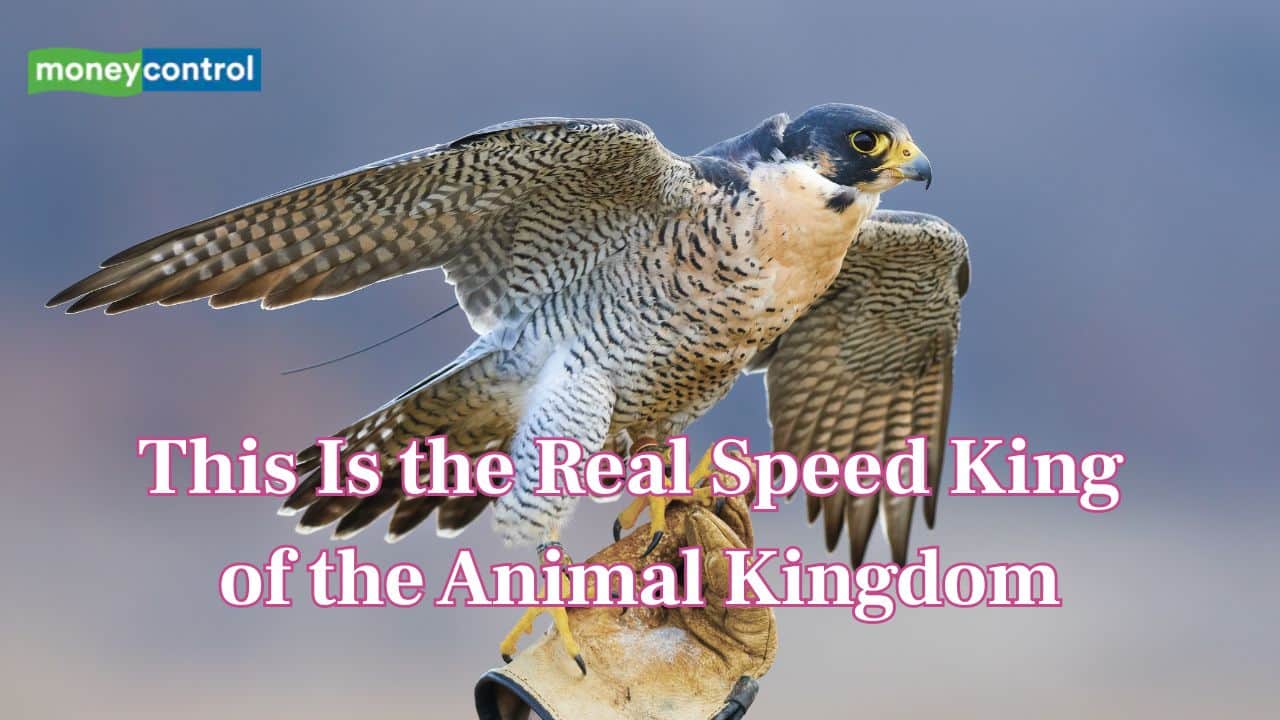
The Peregrine Falcon stands out as the ultimate speed champion among birds. Its diving speed has amazed scientists and bird watchers alike, reaching velocities that no other bird can match. This remarkable skill isn’t just about speed—it’s a finely tuned hunting strategy that showcases nature’s engineering at its best.
The Incredible Speed Of The Peregrine Falcon
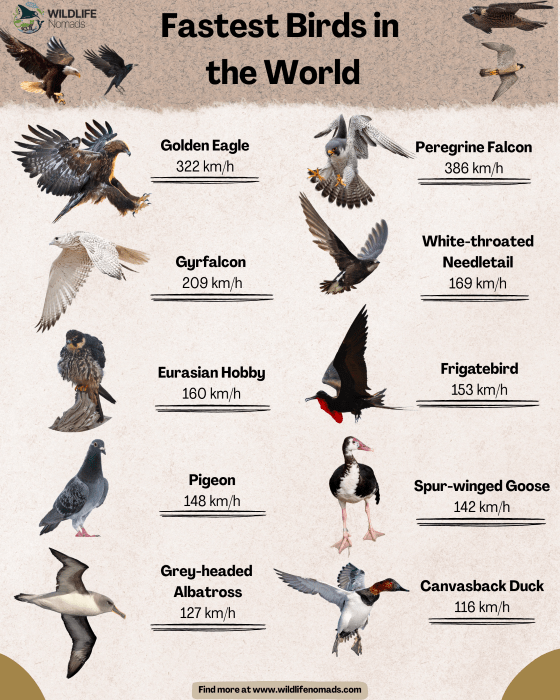
The Peregrine Falcon can dive at speeds exceeding 240 miles per hour (386 kilometers per hour). This makes it the fastest animal on the planet during its hunting stoop, or dive. Imagine the power and precision needed to control such speed while targeting prey from hundreds of feet above.
How The Peregrine Falcon Achieves Its Speed
The secret lies in its body shape and strong muscles. Its aerodynamic form reduces air resistance, allowing it to cut through the air smoothly. Powerful wingbeats and controlled folding of its wings during the dive help it maintain stability and speed.
Why Speed Matters In Hunting
Speed isn’t just for show—it’s critical for the Peregrine Falcon’s survival. By diving at incredible speeds, it surprises prey and reduces their chance to escape. This rapid strike is both energy-efficient and highly effective, giving the falcon an edge over other predators.
What You Can Learn From The Peregrine Falcon’s Speed
- Focus on streamlining your approach to any challenge.
- Use power and control to maintain momentum.
- Adapt quickly to changing conditions for better results.
Next time you face a difficult task, ask yourself: how can you dive in with precision and speed like the Peregrine Falcon?
Anatomy Of High-speed Diving
Understanding the anatomy behind a bird’s high-speed dive reveals how nature engineers speed and precision. These birds are not just fast; their bodies are perfectly crafted for rapid descent. Let’s break down the key physical traits that make these aerial acrobats the fastest divers on the planet.
Streamlined Body Structure
A streamlined body minimizes air resistance, allowing birds to slice through the sky with ease. Their slender, tapered shapes reduce drag, much like a racing car’s smooth design. Have you noticed how the peregrine falcon’s head and body form a sleek arrow? This shape helps it maintain control and speed during its steep dives.
Powerful Musculature
Strong muscles provide the explosive power needed to dive swiftly and change direction mid-air. The breast muscles, especially the pectorals, are highly developed for powerful wing strokes and control. Imagine the energy it takes to accelerate from a perched position to over 240 mph; this strength is essential for both speed and maneuverability.
Feather Adaptations
Feathers play a crucial role in controlling airflow and reducing turbulence. Birds that dive at high speeds have stiff, narrow feathers that hold firm against the wind, preventing fluttering. Some even have specialized fringes on their feathers to reduce noise and improve stealth, which is vital when hunting prey during these rapid dives.
Comparing Birds Of Prey
Birds of prey captivate us with their hunting skills and aerial agility. Their diving speeds are not just a testament to their power but also to their evolutionary adaptation. Comparing these raptors reveals surprising differences that might challenge what you think about speed in the animal kingdom.
Gyrfalcon Vs. Peregrine Falcon
The Gyrfalcon is the largest falcon species, known for its strength and endurance rather than sheer speed. It can dive at speeds up to 130 miles per hour, impressive but not record-breaking.
In contrast, the Peregrine Falcon holds the title for the fastest dive speed. It can reach a staggering 240 miles per hour during its hunting stoop. This incredible velocity makes it a master of surprise and precision in capturing prey.
Have you ever wondered how such a difference exists between two falcon species? It’s largely about body structure and hunting style—Peregrines are built for speed, while Gyrfalcons rely on power and stamina.
Other Fast-diving Raptors
Besides falcons, other raptors also showcase remarkable diving speeds. The golden eagle, for example, can reach speeds around 150 miles per hour when diving.
Harpy eagles, known for their strength, dive slower but excel in maneuverability through dense forests. This shows how habitat influences diving speed and hunting techniques.
- Red-tailed hawks dive around 120 miles per hour.
- Swallow-tailed kites use swift dives to snatch insects and small birds.
These variations highlight how each bird’s environment and prey shape its diving ability. Which bird of prey do you think fits your idea of the ultimate hunter?
Credit: www.moneycontrol.com
Scientific Measurement Techniques
Scientific measurement techniques play a crucial role in understanding the incredible dive speeds of certain bird species. These methods allow researchers to capture precise data in real-time, revealing details that would otherwise remain hidden. Accurate measurements help answer fascinating questions about how these birds achieve such rapid acceleration and maintain control during their dives.
Tracking And Monitoring
Tracking birds in their natural environment is challenging but essential for gathering reliable speed data. Researchers often use lightweight GPS trackers attached to the bird’s body to record their flight paths and velocities. These devices provide continuous data on altitude, speed, and location without hindering the bird’s movement.
Another common tool is high-speed videography, which records the bird’s dive at thousands of frames per second. Watching these videos frame by frame allows scientists to analyze the exact moments of acceleration and maneuvering. Have you ever wondered how a bird can shift its wings and body mid-dive to maintain balance? This method helps uncover those rapid adjustments.
Use Of Technology
Technology has transformed how we measure dive speeds. Doppler radar, similar to what meteorologists use to track storms, can detect the velocity of birds in flight from a distance. This technology captures data without any physical contact, reducing stress on the animals.
Additionally, researchers employ accelerometers that measure changes in speed and direction. These small sensors provide detailed insights into the bird’s motion patterns during dives. Combining data from GPS, radar, and accelerometers creates a comprehensive picture of the bird’s diving performance.
Would you have guessed that understanding the fastest dive speeds involves such a mix of advanced gadgets and careful observation? These tools not only confirm which bird holds the speed record but also deepen our appreciation for their remarkable abilities.
Factors Influencing Dive Speed
Dive speed in birds depends on several key factors. These factors influence how fast a bird can plunge from the sky. Understanding these elements helps explain why some birds dive faster than others. Let’s explore the main influences on dive speed.
Environmental Conditions
The environment plays a big role in dive speed. Air density affects how much resistance the bird faces. Lower air pressure at high altitudes reduces drag, allowing faster dives.
Weather conditions matter too. Strong winds can either help or slow down a dive. Clear skies give better visibility, helping birds aim accurately.
Temperature also influences air density. Cooler air is denser, which can slow a bird down slightly during a dive.
Prey Pursuit Strategies
Birds use different hunting methods that affect their dive speed. Some rely on surprise attacks, diving rapidly to catch prey off guard.
Others dive slowly to avoid startling their target. Speed adjusts based on prey behavior and escape ability.
The angle of the dive changes how fast a bird falls. Steeper angles increase speed but require precise control.
Birds balance speed and accuracy to make successful catches. Their hunting style shapes their dive performance.

Credit: www.wildlifenomads.com
Implications For Conservation
The incredible dive speed of certain bird species, like the peregrine falcon, is not just a marvel of nature—it has real implications for their survival. Understanding these implications helps you see why protecting these birds is more urgent than ever. Conservation efforts need to focus on factors that directly impact their ability to thrive in the wild.
Habitat Protection
Fast-diving birds rely heavily on specific habitats to hunt and breed successfully. Preserving cliffs, tall trees, and open spaces is crucial for these species. If you live near such areas, you can help by supporting local habitat preservation projects or avoiding disruption during breeding seasons.
Habitat loss shrinks their hunting grounds, forcing birds to expend more energy and reducing their chances of catching prey. Would you want to chase your dinner in a crowded, noisy city? These birds face similar challenges when their natural habitats disappear.
Impact Of Human Activities
Human activities like urban development, pollution, and pesticide use directly threaten fast-diving birds. Chemicals reduce prey availability, while tall buildings and wind turbines pose collision risks. Have you ever seen a bird crash into a window? Such incidents are more common than you think and can be fatal.
Reducing light pollution and creating bird-safe building designs can make a big difference. You can contribute by advocating for wildlife-friendly policies or making your own property safer for birds. Small changes in your environment can help these incredible hunters maintain their high-speed dives and overall health.

Credit: www.wildlifenomads.com
Frequently Asked Questions
Which Bird Species Dives The Fastest?
The peregrine falcon holds the record for the fastest dive speed. It can reach speeds over 240 mph (386 km/h) during a hunting stoop. This speed helps it catch prey mid-air with incredible precision.
How Do Peregrine Falcons Achieve High Dive Speeds?
Peregrine falcons have aerodynamic bodies and strong muscles. Their streamlined shape reduces air resistance. They tuck their wings close and dive headfirst, maximizing speed and control during the stoop.
Are There Other Birds With Fast Dive Speeds?
Yes, other birds like the golden eagle and gyrfalcon also dive fast. However, their speeds are lower than the peregrine falcon’s. These birds use diving to catch prey or evade predators efficiently.
Why Do Birds Dive At Such High Speeds?
High-speed diving helps birds catch prey quickly and surprise it. It also aids in escaping threats. Fast dives improve hunting success and survival in the wild.
Conclusion
The peregrine falcon holds the title for the fastest dive speed. It can reach speeds over 240 miles per hour. This incredible speed helps it catch prey quickly and efficiently. Other birds dive fast too, but none match the falcon’s power.
Nature shows amazing adaptations through these fast dives. Watching these birds reminds us how strong and skilled they are. Their speed is not just for show but for survival. The world of birds offers many wonders like this. Understanding their abilities makes us appreciate wildlife more deeply.