

Have you ever looked up at the sky and seen hundreds, sometimes thousands, of birds moving together in perfect harmony? This breathtaking dance is called a murmuration, and it’s one of nature’s most mesmerizing sights.
But have you ever wondered which species of birds perform these incredible aerial ballets? If you’re curious about these fascinating creatures and want to discover the secrets behind their stunning displays, you’re in the right place. Keep reading to uncover the species that bring murmurations to life and learn what makes their flight patterns so extraordinary.
Starling Spectacle
The Starling Spectacle is one of nature’s most mesmerizing shows. Every evening, thousands of starlings gather in the sky, moving as one fluid shape. This behavior, called murmuration, captures the attention of bird lovers and casual observers alike.
Watching these birds twist and turn in perfect harmony feels almost magical. But this spectacle is more than just beautiful—it’s a survival strategy. The starlings create patterns that confuse predators and help them stay safe.
What Makes Starlings Unique Murmuration Performers?
Starlings are small, social birds that thrive in large groups. Their ability to coordinate movements at lightning speed sets them apart. Each bird reacts to its seven nearest neighbors, creating seamless waves of motion.
This tight coordination demands exceptional eyesight and quick reflexes. When you see a murmuration, you’re witnessing a complex communication system without a single sound. It’s a stunning example of teamwork in the animal world.
Where And When Can You Witness Starling Murmurations?
Murmurations happen mainly in the late autumn and winter months. Starlings gather near roosting sites, often in cities, parks, or wetlands. If you live near open spaces or water bodies, you might catch this spectacle just before dusk.
Some famous spots include the coasts of England and parts of Europe where thousands flock. Have you ever paused your day to watch these shifting clouds of birds? Taking time to observe can deepen your appreciation of nature’s rhythms.
How Do Murmurations Benefit Starlings?
- Predator Protection:The swirling patterns make it tough for hawks to target a single bird.
- Warmth:Gathering in large groups helps them conserve heat during cold nights.
- Information Sharing:Starlings can communicate about food sources and safe roosting areas through their movements.
Seeing these benefits in action might inspire you to think about how cooperation helps your own community. What lessons could you take from the starlings’ teamwork?
Swallows In Motion
Swallows are among the most captivating birds known for their murmurations. These small birds create stunning patterns as they fly together in large groups. Their movements look like a living, breathing dance in the sky. Watching swallows in motion is a magical experience that draws many bird lovers.
Swallows gather in huge numbers before they rest for the night. They fly close to each other, changing direction smoothly and quickly. This behavior helps protect them from predators and keeps them warm. The patterns they form can shift in seconds, showing incredible teamwork.
Common Species Of Swallows That Murmurate
- Barn Swallow (Hirundo rustica)
- Cliff Swallow (Petrochelidon pyrrhonota)
- Tree Swallow (Tachycineta bicolor)
Why Do Swallows Perform Murmurations?
Swallows murmurate mainly to avoid predators like falcons. Flying in a large, moving group confuses attackers. It also helps swallows find safe places to roost. This group flight uses less energy and keeps them warm during cool evenings.
How Swallows Coordinate Their Flight
Each swallow watches the movements of seven nearby birds. They adjust speed and direction instantly. This close coordination creates smooth, flowing shapes. The whole flock acts like one living organism.
The Dance Of Dunlins
The Dance of Dunlins is one of nature’s most captivating spectacles. These small shorebirds gather in large flocks, moving in mesmerizing patterns across the sky. Watching a murmuration of Dunlins reveals both their agility and the power of coordinated movement.
As you observe them, you’ll notice how each bird responds instantly to the others. This creates a fluid, ever-changing shape that feels almost alive. But what makes Dunlins so special in the world of murmurations?
The Unique Behavior Of Dunlins
Dunlins are known for their quick, darting flight style. During murmurations, they form dense, swirling clouds that can stretch for hundreds of meters. Their ability to change direction rapidly helps the flock avoid predators and navigate safely.
You might wonder how they manage to stay so perfectly in sync. It turns out, each Dunlin watches its closest neighbors closely, adjusting speed and angle in real time. This decentralized communication keeps the flock tightly knit without any one bird leading.
Where And When To See Dunlin Murmurations
If you want to witness the Dance of Dunlins, coastal wetlands and estuaries are prime spots. These birds often gather in large numbers during migration seasons, especially in late autumn and winter. Timing your visit to these areas during dusk can increase your chances of seeing their spectacular aerial display.
Have you ever stood by the shore as the sky darkens, suddenly filled with swirling clouds of birds? That moment captures the magic of Dunlin murmurations perfectly.
Why Dunlin Murmurations Matter
Murmurations aren’t just beautiful—they serve critical survival purposes. They confuse predators like falcons and help the birds conserve energy by flying in tight formations. Watching Dunlins perform this dance reminds us how cooperation in nature can be a powerful defense.
Next time you see a flock of birds moving together, consider the complex dance happening above you. What lessons could their unity teach us about working together in your own life?
Black Sun Of Starlings
The “Black Sun” of starlings is one of nature’s most mesmerizing spectacles. As dusk falls, thousands of these small birds gather and move in perfect harmony, creating swirling, shifting patterns against the darkening sky. This breathtaking display is more than just a beautiful sight—it reveals how these birds communicate and protect each other.
The Starling Species Behind The Black Sun
The European starling (Sturnus vulgaris) is the primary species responsible for the Black Sun phenomenon. These birds are found across Europe, parts of Asia, and have been introduced to North America and Australia. Their adaptability to urban and rural environments allows them to form large flocks, setting the stage for these incredible murmurations.
Why Do Starlings Perform Murmurations?
Starlings murmurate for several reasons, including safety, warmth, and social bonding. The dense, fluid movements confuse predators, making it harder for them to single out one bird. You might wonder how thousands of birds coordinate so seamlessly without crashing into each other—it’s a natural example of collective intelligence in action.
Experiencing The Black Sun: What You Should Know
Seeing a Black Sun in person can change how you view animal behavior. If you want to witness this, visit coastal or rural areas during late autumn and winter at dusk. Bring binoculars, but often, simply watching with the naked eye as the sky fills with moving shadows is enough to feel the wonder.
How Starlings’ Murmurations Impact Their Ecosystem
Beyond the visual spectacle, these murmurations affect local ecosystems. Large flocks help control insect populations by feeding on them in vast numbers. This natural pest control benefits farmers and gardeners alike—so your appreciation for the Black Sun might extend to your own backyard.
Choreography Of Red Knots
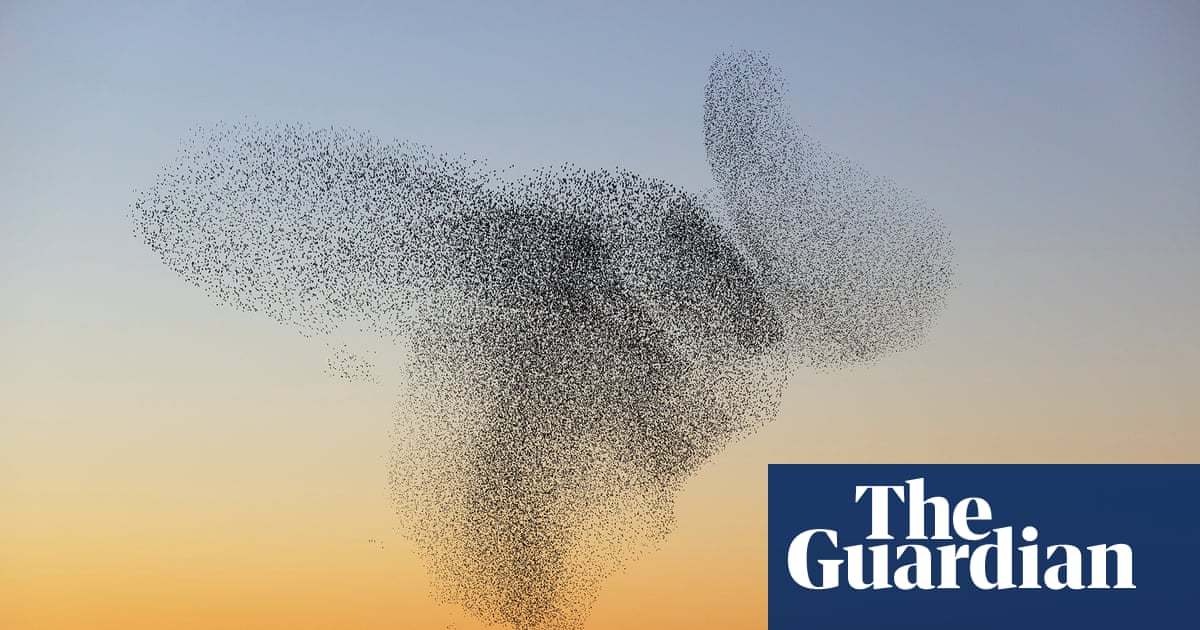
The choreography of Red Knots offers a fascinating glimpse into the complex world of bird murmurations. Unlike the more famous starling murmurations, Red Knots display their own unique aerial dance that captivates observers. Watching their synchronized movements can change how you think about bird behavior and group dynamics.
How Red Knots Coordinate Their Movements
Red Knots move as a tight, fluid group, responding instantly to each other’s changes in speed and direction. Each bird watches its neighbors closely, adjusting its flight to maintain the formation.
This real-time communication allows the flock to shift shape seamlessly, creating a living, moving sculpture in the sky. Have you ever noticed how they rarely collide? That’s because each bird predicts the others’ movements.
Why Red Knots Murmurate
These birds murmurate primarily to protect themselves from predators. The swirling patterns confuse threats like falcons, making it harder to single out one bird.
But there’s more to it—murmurations also help Red Knots find food and conserve energy by flying together. Their choreography is a survival tool that benefits every member.
When And Where Red Knot Murmurations Occur
Red Knot murmurations happen mostly during migration seasons, especially in coastal areas. You can spot them gathering in large numbers on mudflats and estuaries just before they take off.
Timing is crucial. If you want to see this spectacle, consider visiting these spots at dawn or dusk when Red Knots are most active.
Credit: www.theguardian.com
The Synchronized Flight Of Sandpipers
The synchronized flight of sandpipers is a breathtaking spectacle that captures the essence of nature’s precision. Watching hundreds or even thousands of these small shorebirds move in near-perfect harmony challenges your understanding of coordination. Have you ever wondered how such tiny creatures manage to fly as one unit without crashing into each other?
The Species Known For Synchronized Flight
Several species of sandpipers show this remarkable behavior, but the Western Sandpiper and the Dunlin are among the most notable. These birds gather in large flocks along coastal mudflats during migration seasons. Their synchronized movements create mesmerizing patterns that can change shape within seconds.
How Sandpipers Achieve Such Coordination
Sandpipers rely on quick visual cues and subtle changes in wingbeat timing to stay in sync. Each bird watches its nearest neighbors closely and adjusts its speed and direction accordingly. This collective awareness allows the flock to behave like a single organism, avoiding collisions and predators with incredible efficiency.
Why Do Sandpipers Perform Murmurations?
The primary reason is safety. Flying in tightly packed groups confuses predators and reduces the chance that any one bird will be caught. Additionally, moving as a group helps conserve energy by taking advantage of aerodynamic effects, making long migrations less exhausting.
Experiencing Sandpiper Murmurations Yourself
- Visit coastal areas during migration seasons, especially in the early morning or late afternoon.
- Look for large flocks on mudflats or sandy shores where sandpipers feed and rest.
- Bring binoculars or a camera with a zoom lens to capture the intricate flight patterns.
Have you ever stood on a beach and watched hundreds of birds twist and turn as if choreographed? It’s a reminder of how much we can learn by observing the natural world closely.
Factors Influencing Murmurations
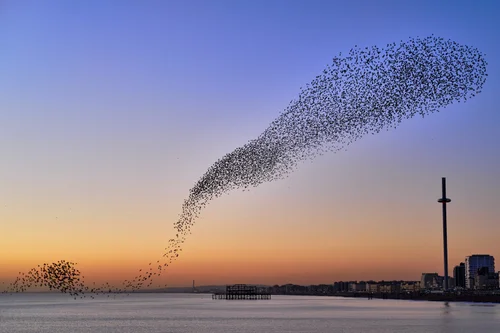
Murmurations are stunning displays of birds moving together in fluid shapes. Several factors influence these impressive gatherings. Understanding these helps us appreciate why birds perform such dances in the sky.
Predator Avoidance
One main reason for murmurations is safety. Birds group tightly to confuse predators. The moving shapes make it hard for predators to target one bird. This reduces the chance of any single bird being caught.
Large groups also spot danger earlier. Many eyes watch for threats. Birds react quickly to escape, moving as one unit.
Communication And Coordination
Birds use murmurations to share information. They coordinate their movements through subtle signals. This keeps the flock synchronized.
Communication helps birds find food and roosting spots. It strengthens group bonds. Each bird adjusts to neighbors, creating smooth patterns.
Environmental Triggers
Changes in weather or light often start murmurations. Birds may gather before nightfall or during cool temperatures. These environmental cues signal safe times to group.
Availability of food and safe roosting areas also affects when murmurations occur. Birds respond quickly to their surroundings to stay safe and fed.
Credit: www.thesciencewriter.org
Importance Of Murmurations
Murmurations are more than just stunning bird displays. They play a vital role in nature and culture. Understanding their importance reveals why these patterns fascinate people worldwide.
Ecological Significance
Murmurations help birds protect themselves from predators. The shifting shapes confuse attackers and reduce risks. These group flights also improve communication among birds. They find food sources faster by moving together. Murmurations show how teamwork benefits survival in the wild.
Cultural Impact
People admire murmurations for their beauty and mystery. They inspire artists, writers, and filmmakers. Many cultures see these patterns as symbols of unity and strength. Murmurations remind us of nature’s harmony and connection. They bring communities together through shared wonder and stories.
Challenges Facing Murmuration Species
Bird species known for their murmurations face many challenges. These challenges affect their ability to gather, roost, and survive. Protecting these species means understanding the threats they face daily. Below are key challenges impacting murmuration birds.
Habitat Loss
Many murmuration species depend on specific habitats. Urban growth and farming reduce these natural spaces. Trees and open fields disappear, leaving fewer safe places to roost. Without habitat, birds cannot form large, safe groups. This loss breaks the murmuration’s natural rhythm and safety.
Climate Change
Changing weather patterns disrupt bird migration and feeding. Warmer winters and unpredictable storms confuse birds. Food sources become scarce or shift locations. These changes force birds to adapt quickly or face starvation. Murmuration patterns may change or fail altogether.
Human Interference
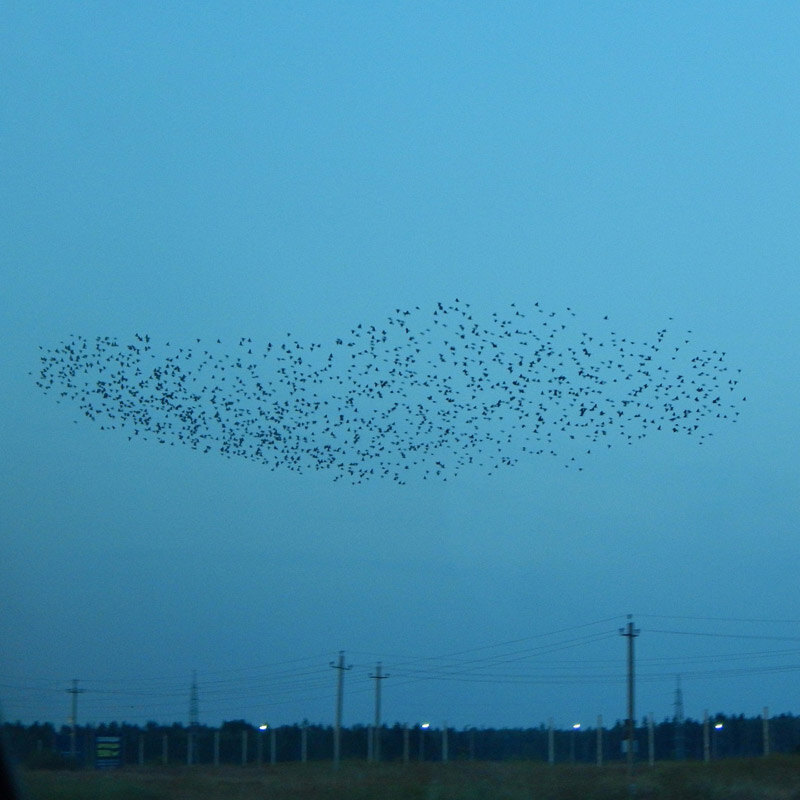
Human activity disturbs murmuration sites daily. Loud noises and bright lights scare birds away. Construction and traffic reduce peaceful roosting areas. Sometimes, birds face hunting or trapping risks. These disturbances stress birds and reduce murmuration sizes.
Credit: lafeber.com
Conservation Efforts
Conservation efforts play a vital role in protecting bird species that perform murmurations. These spectacular displays depend on safe habitats and healthy populations. Many groups focus on preserving these natural wonders for future generations.
Protecting Roosting Sites
Roosting sites are crucial for murmuration species. These birds gather in large numbers at specific locations to rest and stay warm. Protecting these areas helps maintain their natural behavior.
Conservationists work to:
- Identify key roosting locations
- Limit human disturbance near these sites
- Preserve trees and natural landscapes
- Monitor environmental changes affecting habitats
Legal protection often follows to prevent habitat destruction. This ensures birds have safe places to gather during critical times.
Promoting Awareness
Raising public knowledge about murmurations encourages support for conservation. People who understand these birds value their protection more deeply.
Education efforts include:
- Community talks and workshops
- School programs about bird behavior
- Social media campaigns with clear messages
- Guided birdwatching tours to observe murmurations
Awareness helps reduce harmful actions and builds a community of advocates. Every voice counts in protecting murmuration species.
Frequently Asked Questions
What Bird Species Are Known For Murmurations?
Starlings are the most famous birds performing murmurations. Other species like blackbirds and swallows sometimes show similar group flight patterns. However, starlings’ murmurations are the largest and most spectacular, often involving thousands of birds moving in synchronized waves.
Why Do Birds Perform Murmurations?
Birds perform murmurations mainly for safety and warmth. The large, coordinated group confuses predators and helps conserve heat during cold evenings. It also aids in communication and locating roosting sites, enhancing survival for the flock.
How Large Can A Murmuration Get?
Murmurations can include thousands of birds. Some flocks reach over 50,000 starlings flying together. The size depends on the species, location, and time of year, creating stunning aerial displays visible from great distances.
Where Are Murmurations Commonly Seen?
Murmurations are commonly seen in Europe, especially the UK, during autumn and winter. They occur near roosting sites like woodlands, wetlands, and urban areas. Starlings gather at dusk, creating dynamic, swirling patterns in the sky.
Conclusion
Many bird species perform murmurations, with starlings being the most famous. These birds create amazing shapes as they fly together. Watching murmurations can feel magical and peaceful. Understanding which birds do this helps us appreciate nature more. Next time you see a big flock moving like one, think about the teamwork behind it.
These natural light shows remind us how animals communicate and stay safe. Nature’s wonders are all around, waiting to be noticed. Keep exploring and enjoying the beauty of bird murmurations.