

Imagine discovering that a single bird species you thought you knew has actually transformed into several new kinds, each with its own unique traits. How does this happen?
And why should you care? Understanding this fascinating process can change the way you see nature and the world around you. You’ll uncover the secrets behind how one species evolves into many, unlocking stories of survival, adaptation, and incredible change.
Keep reading—you won’t want to miss what these birds can teach you about life itself.
The Concept Of Speciation
Speciation is the process where one species splits into two or more distinct species. This transformation happens over many generations as populations adapt to different environments or become isolated from each other. Understanding speciation helps you see how biodiversity grows and why the natural world is so rich and varied.
What Drives Speciation?
Speciation often begins when groups of the same species become separated. This separation can be physical, like mountains or rivers, or behavioral, such as different mating calls or habits. Over time, these groups change in ways that prevent them from interbreeding, creating new species.
- Geographic isolation—like islands or valleys splitting populations.
- Ecological differences—living in distinct habitats or eating different foods.
- Genetic changes—mutations or natural selection shaping new traits.
Types Of Speciation
There are several ways species can form, but the main types are all about how populations become isolated. You might find it surprising that even without physical barriers, new species can emerge.
| Type | Description |
|---|---|
| Allopatric | Species form due to geographic separation. |
| Sympatric | New species arise in the same area, often through genetic changes. |
| Parapatric | Species form in neighboring areas with limited mixing. |
Why Should You Care About Speciation?
Speciation shapes the world you live in, affecting ecosystems and the animals you see every day. Have you noticed how birds on different islands look and behave differently? That’s speciation in action, reminding you that nature is always changing.
When you understand speciation, you gain insight into conservation efforts, too. Protecting habitats isn’t just about saving existing species—it’s about allowing new species to emerge and thrive. What role do you think humans should play in this natural process?
Adaptive Radiation In Birds
Adaptive radiation in birds shows how one species can evolve into many. This process happens when birds spread out into new environments. Each group changes to survive in its own way. This leads to the rise of new species from a single ancestor.
Birds adapt their beaks, feathers, and behaviors to fit different niches. These changes help them find food, avoid predators, and live better in their habitats. Adaptive radiation explains the diversity of bird species we see today.
What Triggers Adaptive Radiation In Birds?
New environments with few competitors often trigger adaptive radiation. Birds find many open niches to fill. Changes in climate or geography can also create new opportunities. This encourages species to branch out and adapt.
Examples Of Adaptive Radiation In Birds
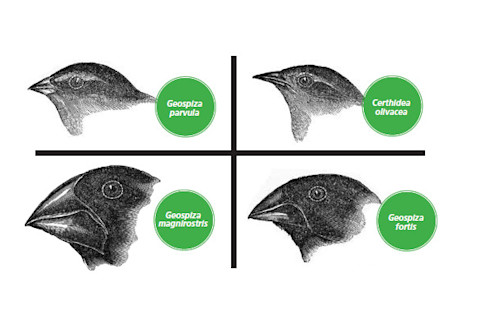
The finches of the Galápagos Islands are a classic example. From one ancestral species, many finch species evolved. Each finch has a unique beak shape for different foods. This shows how adaptive radiation shapes bird diversity.
How Adaptations Help Birds Survive
- Beak shapes evolve for specific diets
- Feather colors change for camouflage
- Flight patterns adjust for different terrains
- Behavioral changes improve nesting and feeding
These adaptations increase survival chances in varied environments. Birds that adapt well become successful new species.
Environmental Influences On Evolution
Environmental factors play a key role in the evolution of bird species. Changes in climate, food sources, and habitat shape how birds adapt and survive. These pressures can lead one species to split into many new ones over time.
Different environments create unique challenges. Birds that live in forests need different traits than those in open fields or mountains. This variety drives the evolution of distinct species from a common ancestor.
Climate And Habitat Changes
Shifts in temperature and rainfall affect food availability and nesting sites. Birds must adjust to these changes or move to new areas. Over many generations, these adaptations lead to new species suited for specific climates and habitats.
Food Sources And Feeding Strategies
Birds evolve different beak shapes and behaviors to access various foods. Some may specialize in seeds, others in insects or nectar. This specialization reduces competition and encourages species to diverge.
Geographic Isolation And Separation
Physical barriers like mountains, rivers, or islands divide bird populations. Isolated groups evolve independently, developing unique traits. This isolation is a common cause of species splitting in birds.
Predators And Competition
Predators and rivals influence survival strategies. Birds may evolve better camouflage, faster flight, or new calls. These changes help them avoid danger and compete for resources, supporting species diversification.

Credit: www.discovermagazine.com
Case Study: Darwin’s Finches
Darwin’s finches offer a fascinating glimpse into how one species of bird can evolve into many distinct species. These birds, found in the Galápagos Islands, showcase the power of evolution happening right before our eyes. Their story challenges you to think about how small changes in nature can lead to big differences over time.
Origin And Discovery
Charles Darwin first encountered these finches during his visit to the Galápagos Islands in the 1830s. Initially, he did not realize how important they would become to his theory of natural selection. Later studies revealed that what seemed like similar birds were actually several different species, each adapted to its own island environment.
Imagine visiting a new place and noticing slight differences in the birds around you. These subtle variations can hint at a bigger evolutionary story. Have you ever spotted small differences in animals or plants in your local area?
Diverse Beak Adaptations
The most striking difference among Darwin’s finches is their beak shapes and sizes. Each species has a beak designed to handle specific food sources, from cracking nuts to catching insects. This variety allows them to thrive in different ecological niches without directly competing for the same resources.
- Ground finches have strong, broad beaks to crush seeds.
- Cactus finches possess long, pointed beaks for feeding on cactus flowers and fruits.
- Tree finches use sharp, pointed beaks to catch insects.
Understanding these adaptations helps you appreciate how nature fine-tunes species for survival. What kind of beak do you think would suit the environment where you live?
Role Of Natural Selection
Natural selection acts as the guiding force behind the finches’ evolution. Birds with beak shapes best suited for their food source survive and reproduce more successfully. Over generations, these traits become more common, leading to the emergence of new species.
Researchers have even observed shifts in beak size during droughts, when food availability changes drastically. This real-time evolution shows how quickly species can adapt when pressured by their environment.
Thinking about your own environment, what traits do you see being favored? How might natural selection be shaping the plants, animals, or even humans around you right now?
Genetic Divergence And Isolation
Genetic divergence and isolation play a key role in how one bird species splits into many. Over time, groups of birds develop unique genetic traits. These differences build up because the groups do not mix their genes. Isolation helps keep these groups separate, allowing new species to form. This process explains much of the diversity seen in bird species today.
Genetic Variability
Genetic variability means the differences in DNA among individuals. These differences come from mutations, gene flow, and recombination. Variability allows populations to adapt to new environments. Small changes in genes can lead to new physical traits or behaviors. Over many generations, these changes accumulate. This accumulation leads to distinct groups within a species.
Bird populations separated by mountains or islands often show high genetic variability. Isolation prevents interbreeding, so unique traits become common in each group. This process slowly shapes new species with clear genetic differences.
Reproductive Isolation Mechanisms
Reproductive isolation stops different groups from breeding. This isolation is crucial for species to remain distinct. It can happen in several ways:
- Behavioral Isolation:Birds may have different songs or courtship rituals.
- Temporal Isolation:Groups breed at different times or seasons.
- Mechanical Isolation:Differences in body parts prevent mating.
- Geographic Isolation:Physical barriers like rivers or mountains separate groups.
These barriers reduce gene flow between groups. Over time, they develop unique traits and become separate species. This process ensures that each species stays genetically distinct.
Impact Of Geographic Barriers
Geographic barriers play a key role in the evolution of bird species. These natural obstacles divide populations, stopping them from breeding together. Over time, isolated groups develop unique traits. This separation leads to new species forming from one original species.
Allopatric Speciation
Allopatric speciation happens when a physical barrier splits a bird population. Mountains, rivers, or large distances can cause this split. Each group adapts to its own environment. Differences grow in behavior, appearance, and genetics. Eventually, they become different species that cannot interbreed.
This process explains many bird species diversity worldwide. It shows how isolation drives evolution. Birds separated by barriers change slowly but surely. Their survival depends on adapting to new conditions.
Island Endemism
Islands create unique geographic barriers. Birds arriving on islands often become isolated. They face different climates and food sources. This isolation leads to island endemism, where species exist only on one island.
Island birds evolve special traits to survive. They may lose the ability to fly or develop new feeding habits. These changes make island species distinct from their mainland relatives. Many rare and unique birds are island endemics.
Behavioral Changes And New Species
Behavioral changes play a key role in how one bird species splits into many. These changes help birds adapt to new environments and form distinct groups. Over time, these groups develop unique behaviors that keep them separate.
Behavior shifts in mating and communication are especially important. Such differences prevent mixing between groups and lead to new species. Let’s explore how mating rituals and song variations contribute to this process.
Mating Rituals And Preferences
Mating rituals are complex behaviors used to attract partners. Small changes in these rituals can cause birds to choose different mates. Over generations, this causes groups to mate only within themselves.
Birds may change dance moves, feather displays, or courtship calls. These unique behaviors create clear boundaries between groups. Birds that prefer certain rituals avoid others, reducing gene mixing.
This selective mating builds new species. Each group develops its own customs, increasing diversity. The result is multiple species evolving from a single ancestor.
Song Variations
Birdsong is a key form of communication. It helps birds mark territory and find mates. Variations in songs arise as birds adapt to different areas.
These song differences become a signal of identity. Birds respond better to familiar songs and ignore others. This reduces interbreeding between groups with distinct songs.
Song variations often evolve quickly. They act as a barrier between populations. Over time, this leads to reproductive isolation and new species formation.

Credit: askfilo.com
Human Influence On Bird Evolution
Human activities have drastically changed the natural world, and birds are no exception. These changes can speed up or slow down how birds evolve into new species. Understanding how your actions influence bird evolution helps you appreciate the delicate balance between nature and development.
Habitat Alteration
When you alter bird habitats, you change the living conditions that shape their evolution. Cutting down forests or building cities forces birds to adapt quickly or move elsewhere. Some species evolve new traits to survive in urban areas, like altered diets or nesting habits.
I once observed a species of finch that began nesting in street lamps instead of trees. This shift shows how birds respond rapidly to human-made environments. Could your local park be a testing ground for bird evolution right now?
- Loss of natural habitats can isolate bird populations, leading to new species over time.
- Urban environments create unique challenges that drive evolutionary changes.
- Conservation efforts that protect habitats help maintain natural evolutionary processes.
Climate Change Effects
Climate change, driven largely by humans, alters temperature and weather patterns that birds depend on. These changes can shift migration times, breeding seasons, and food availability. Birds that adapt to new conditions may evolve differently from their ancestors.
For example, some bird species now migrate earlier in the year to match changing insect populations. This shift can lead to genetic differences as populations respond to new environmental pressures. How might your local birdwatching spot look different in just a few decades?
| Climate Change Impact | Effect on Bird Evolution |
|---|---|
| Warmer temperatures | Shift in breeding and migration timing |
| Altered rainfall patterns | Changes in food availability, leading to diet adaptation |
| Increased extreme weather | Population stress, potentially driving natural selection |
Paying attention to these effects helps you see how your actions connect to the future of bird species. What small changes can you make to support birds facing these challenges?
Future Of Avian Speciation
The future of avian speciation holds many possibilities. Birds continue to adapt and change due to environmental shifts and isolation. New species may emerge as habitats transform and populations separate. Understanding this process helps protect biodiversity and supports healthy ecosystems.
Conservation Efforts
Protecting bird habitats is key to supporting speciation. Preserving forests, wetlands, and grasslands allows bird populations to thrive. Conservation programs focus on reducing threats like pollution and deforestation. Creating wildlife corridors connects isolated groups, promoting genetic diversity. Community involvement raises awareness and encourages sustainable practices.
Research Advancements
Scientists use new technology to study bird evolution closely. Genetic analysis reveals how species diverge over time. Tracking devices monitor migration patterns and habitat use. Advanced imaging helps identify subtle differences between species. These tools improve knowledge about how new species form and survive.
Credit: www.discovermagazine.com
Frequently Asked Questions
How Does One Bird Species Evolve Into Many?
One bird species evolves into many through adaptive radiation. This occurs when birds adapt to different environments, food sources, or behaviors. Over time, genetic differences accumulate, creating new species with unique traits suited to their specific habitats.
What Triggers Bird Speciation In Nature?
Bird speciation is triggered by geographic isolation, environmental changes, or ecological niches. When populations separate, they evolve independently. Natural selection favors traits that suit local conditions, leading to reproductive barriers and new species formation.
How Long Does Bird Speciation Usually Take?
Bird speciation typically takes thousands to millions of years. The process depends on factors like mutation rates, environmental pressures, and isolation duration. Rapid speciation can occur in isolated ecosystems with diverse habitats, accelerating evolutionary change.
Why Study Bird Species Evolution?
Studying bird species evolution helps us understand biodiversity and ecosystem health. It reveals how species adapt to environmental changes and informs conservation strategies. It also sheds light on evolutionary processes shaping life on Earth.
Conclusion
This story shows how nature changes over time. One bird species can become many new kinds. Each new species adapts to its home and food. This process helps animals survive in different places. It also teaches us about life’s great variety.
Watching evolution in action is truly amazing. It reminds us to protect these creatures and their homes. Nature’s changes are slow but powerful. Every small change can lead to something new. This is the wonder of life on Earth.