

Have you ever spotted a bright, colorful bird and wondered, “What species of bird is an oriole?” If you’re curious about these striking creatures, you’re in the right place. Orioles are more than just beautiful birds; they have unique habits and features that make them truly fascinating.
By the end of this article, you’ll not only recognize an oriole at a glance but also understand what makes them special. Ready to uncover the secrets behind this vibrant bird? Let’s dive in!
Oriole Species Overview
Orioles are a fascinating group of birds known for their vibrant colors and melodious songs. Understanding the different species within this group can deepen your appreciation and help you spot them more easily in the wild. Let’s take a closer look at what defines an oriole and where you might find these striking birds.
Identifying Features
Orioles stand out with their bright plumage, often featuring combinations of orange, yellow, and black. Their slender bodies and sharp, pointed bills make them adept at feeding on insects and nectar. You might notice their unique hanging nests, woven intricately from plant fibers, swaying gently from tree branches.
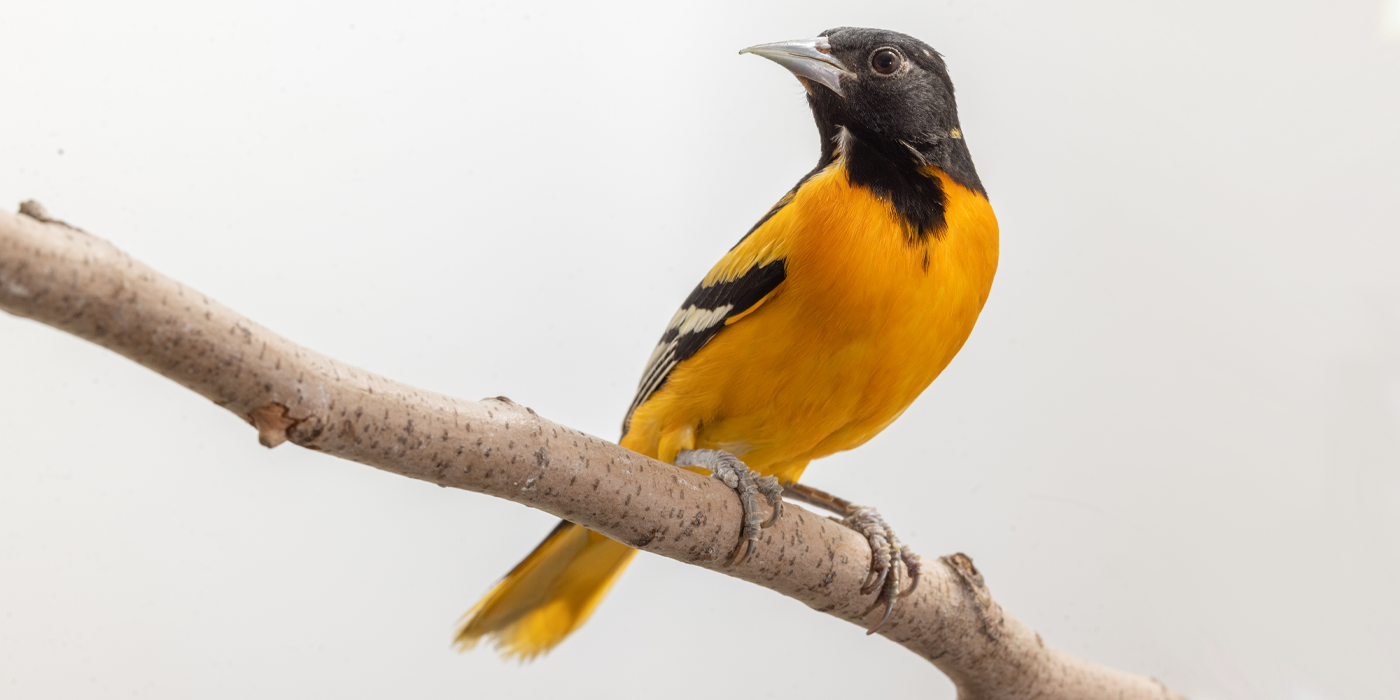
One of the most common species, the Baltimore Oriole, sports a rich orange belly contrasted with a black head and back. Meanwhile, the Orchard Oriole is smaller and darker, with males showing deep chestnut and black tones. These color differences can help you identify the species at a glance.
Geographical Distribution
Orioles are primarily found across the Americas, ranging from Canada down to northern South America. During the warmer months, many species migrate northward to breed, filling orchards, woodlands, and gardens with their bright colors and songs.
In the United States, you’re likely to spot orioles in the eastern and central regions, especially near open woodlands and water sources. Some species prefer tropical climates and remain in Central and South America year-round. Have you noticed orioles in your local parks or backyards? Their presence can tell you a lot about the health of the surrounding environment.
Types Of Orioles
Orioles are vibrant birds known for their bright colors and melodic songs. They belong to the family Icteridae, which includes various species found across the Americas. Each oriole species has unique traits and habitats, making them fascinating to bird watchers and nature lovers alike.
Understanding the different types of orioles helps in identifying them in the wild. Below are some common oriole species found in North America.
Baltimore Oriole
The Baltimore Oriole is famous for its fiery orange and black feathers. Males display bright orange on their chest and back, while females are more muted in color. These birds prefer open woodlands and are often seen near water. They build hanging nests from tree branches, adding charm to spring landscapes.
Orchard Oriole
The Orchard Oriole is smaller and darker than the Baltimore Oriole. Males have chestnut-colored breasts and glossy black heads. Females are yellow-green with lighter underparts. They favor orchards, open fields, and edges of forests. Their calls are softer and less musical compared to other orioles.
Hooded Oriole
Hooded Orioles have bright yellow and black plumage. Males feature a striking black hood with vivid yellow bodies. Females are lighter with olive tones. These birds inhabit southern U.S. and Mexico, often seen in palm trees and urban areas. Their nests are woven from plant fibers, hanging delicately from branches.
Spot-breasted Oriole
The Spot-breasted Oriole is less common and found mainly in Central America. They have rich orange bodies with distinct black spots on their breasts. Both males and females share similar coloring. These orioles prefer tropical forests and dense shrubbery, blending well into their environment.
Habitat And Behavior
Understanding the habitat and behavior of orioles gives you a clearer picture of these vibrant birds. Their lifestyle is closely tied to where they live, how they find food, and how they raise their young. Observing these details can help you spot orioles in your own backyard or on nature walks.
Preferred Habitats
Orioles favor open woodlands, forest edges, and areas with tall trees. You’ll often find them in parks, gardens, and near water sources where trees like maples, oaks, or elms grow. Some species adapt well to suburban areas if the environment offers enough trees and shrubs.
Have you noticed orioles visiting your feeder or a nearby park? That’s likely because the habitat suits their needs for food and shelter. They avoid dense forests or completely open fields, preferring a mix of open space and cover.
Feeding Habits
Orioles primarily eat insects, fruits, and nectar. They are especially fond of caterpillars, beetles, and spiders, which they actively hunt among leaves and branches. During warmer months, they also sip nectar from flowers and feeders, similar to hummingbirds.
It’s interesting that orioles use their sharp beaks to peel fruits like oranges and berries. This behavior helps you attract them by offering sliced fruits in your yard. Have you tried putting out fruit or nectar to see if orioles visit?
Nesting Patterns
Orioles build intricate, hanging nests woven from plant fibers, grasses, and sometimes human materials like string. These nests often hang from the tips of slender tree branches, making them hard to spot. The female usually builds the nest alone, carefully crafting a sturdy home for her eggs.
The nesting season is a busy time as orioles fiercely protect their young from predators. Watching this process can teach you about their strong survival instincts. Do you pay attention to the trees where orioles might be nesting during spring and early summer?

Credit: www.nvbirdalliance.org
Migration Patterns
Orioles are known for their vibrant colors and melodic songs. These birds also have fascinating migration habits that help them survive seasonal changes. Understanding their migration patterns reveals how they travel between breeding and wintering areas. This movement is crucial for finding food, suitable climate, and safe nesting places.
Seasonal Movements
Orioles usually migrate between North America and Central or South America. They spend warm months in northern regions to breed. As cold weather approaches, they fly south to warmer climates. Their migration often follows a north-south route that covers thousands of miles.
Migration typically happens twice a year:
- Spring: Orioles move north to breed and raise young.
- Fall: They travel south to escape cold and find food.
These birds often travel alone or in small groups. They choose stopover sites to rest and feed during long flights. This helps them build energy for the next leg of their journey.
Factors Influencing Migration
Several factors affect oriole migration. Weather changes play a big role. Orioles avoid flying in storms or strong winds. Temperature shifts signal when to start migrating.
Food availability is another key factor. Orioles feed on insects and fruit. When food becomes scarce in the north, they head south. This ensures they have enough energy for survival.
Day length also influences their timing. Longer days in spring trigger northward movement. Shorter days in fall signal it is time to move south.
Finally, age and experience matter. Older orioles often migrate earlier and more efficiently. Young birds learn routes by following adults on their first journey.
Conservation Status
The conservation status of orioles varies depending on the species and their habitats. While some orioles thrive in stable environments, others face significant risks that threaten their populations. Understanding these risks and conservation efforts can help you appreciate the challenges orioles encounter and the actions needed to protect them.
Threats To Orioles
Orioles face several threats that impact their survival. Habitat loss is a major concern as urban development and agriculture reduce the areas where orioles can nest and find food.
Other threats include:
- Climate change affecting migration patterns and food availability
- Pesticides that poison insects, their primary food source
- Predation by domestic cats and invasive species
Have you noticed fewer orioles in your local parks or gardens? This decline often signals these underlying threats at work.
Efforts For Conservation
Efforts to conserve orioles focus on protecting their habitats and reducing human impact. Many wildlife organizations work to preserve forests and wetlands essential for oriole nesting.
Some effective conservation actions include:
- Creating bird-friendly gardens with native plants that attract orioles
- Reducing pesticide use to keep insect populations healthy
- Installing oriole-specific nesting boxes to support breeding
By supporting these initiatives or making simple changes in your backyard, you can help orioles thrive. What small step can you take today to support these vibrant birds?
Credit: nationalzoo.si.edu
Cultural Significance
The oriole holds a special place in many cultures. Its bright colors and sweet song have inspired stories and traditions. People see the oriole as a symbol of joy, hope, and good fortune. This bird often appears in art and literature, showing its deep impact on human creativity.
Symbolism In Different Cultures
In some cultures, the oriole represents happiness and renewal. It is seen as a sign of spring and new beginnings. Some Native American tribes view the oriole as a messenger of love and protection. In Chinese culture, the oriole is linked to good luck and prosperity. These meanings show how the oriole connects to human emotions and beliefs.
Orioles In Art And Literature
Artists often paint orioles to capture their bright beauty. Their yellow and orange feathers stand out in many works. Writers use the oriole to symbolize freedom and joy. Poems and stories sometimes describe the oriole’s song as a symbol of hope. This bird continues to inspire creativity worldwide.

Credit: dnr.illinois.gov
Frequently Asked Questions
What Family Does The Oriole Bird Belong To?
Orioles belong to the Icteridae family, known for colorful songbirds. They are closely related to blackbirds and meadowlarks, sharing similar habitats.
Where Are Orioles Commonly Found In The Wild?
Orioles are native to North and South America. They prefer open woodlands, gardens, and wetlands, thriving in warm climates during spring and summer.
What Are The Distinctive Colors Of An Oriole?
Male Orioles typically have bright orange and black plumage. Females are usually duller with yellowish tones, helping them blend into their surroundings.
What Do Orioles Eat In Their Natural Habitat?
Orioles feed on insects, fruits, and nectar. Their diet helps control insect populations and pollinate flowers, making them important for ecosystems.
Conclusion
Orioles belong to a group of colorful songbirds found mostly in the Americas. They are known for their bright plumage and sweet songs. These birds build hanging nests and enjoy eating fruits and insects. Observing orioles can brighten any nature walk or garden visit.
Knowing their species helps bird lovers appreciate their beauty and behavior. Keep an eye out for orioles during spring and summer months. Their presence signals a healthy, lively environment. Watching orioles is simple joy anyone can experience.