
Have you ever wondered which group of vertebrates—mammals, birds, or reptiles—holds the title for the greatest species richness? Understanding this can change how you see the natural world around you.
Whether you’re curious about wildlife, planning a nature trip, or simply want to know more about the animals sharing your planet, this article will give you clear, fascinating answers. Keep reading, and you’ll discover surprising facts that make each group unique and learn why species richness matters more than you might think.
Your view of the animal kingdom is about to get a whole lot clearer.
Importance Of Species Richness
Species richness is a key measure of biodiversity. It shows how many different vertebrate species live in a habitat. This includes mammals, birds, and reptiles. The importance of species richness lies in its role in ecosystem health and stability.
High species richness means a balanced and resilient environment. It helps ecosystems recover from changes and disruptions. Diverse species perform various functions, such as pollination, seed dispersal, and pest control. This variety supports ecosystem services crucial for human survival.
Species richness also contributes to genetic diversity. This diversity allows species to adapt to environmental changes. It reduces the risk of extinction and supports long-term survival. Protecting species richness helps maintain nature’s balance and resources.
Supports Ecosystem Stability
More species mean stronger ecosystems. Different vertebrates fill unique roles. This variety prevents any single species from dominating. It creates a natural balance that keeps ecosystems healthy.
Enhances Environmental Resilience
Rich species diversity helps ecosystems resist damage. It allows quick recovery after natural disasters or human impact. Diverse species can adapt to new conditions better.
Maintains Food Web Complexity
Vertebrates like mammals, birds, and reptiles create complex food chains. Each species affects others directly or indirectly. High species richness keeps food webs stable and functional.
Provides Economic And Cultural Benefits
Many communities rely on wildlife for food and income. Diverse species support tourism and recreation. They also hold cultural and spiritual value for many people.
Indicates Environmental Health
Species richness reflects habitat quality. Declines in richness warn of ecosystem problems. Monitoring vertebrate diversity helps detect environmental changes early.
Factors Affecting Vertebrate Diversity
Vertebrate diversity depends on a variety of factors that shape which species thrive in different environments. Understanding these factors helps you appreciate why certain areas boast rich populations of mammals, birds, and reptiles, while others do not. Let’s examine key elements that influence the presence and variety of vertebrate species.
Habitat Availability
Habitat is the foundation for vertebrate life. Without enough suitable space, animals struggle to find food, shelter, and mates.
Different vertebrates require specific habitats—mammals often need forests or grasslands, while many reptiles prefer arid, rocky areas. Birds may depend on wetlands or dense trees for nesting.
Have you noticed how urban sprawl reduces nearby green spaces? That loss directly limits where vertebrates can live and reproduce.
Climate Conditions
Temperature, rainfall, and seasonal changes play a crucial role in vertebrate diversity. Each species adapts to particular climate conditions that support its survival.
Cold-blooded reptiles generally thrive in warm climates because they rely on external heat sources. Birds and mammals, being warm-blooded, can survive in a wider range of temperatures but still depend on stable conditions.
Changes in climate can disrupt breeding cycles or food availability. How might shifting weather patterns affect the animals in your local area?
Human Impact
Human activities dramatically reshape vertebrate diversity. Habitat destruction, pollution, and hunting reduce populations and fragment ecosystems.
For example, deforestation removes vital habitats for many mammal and bird species. Pollution in water bodies harms reptiles and amphibians dependent on clean environments.
You can contribute by supporting conservation efforts or reducing your ecological footprint. What small changes can you make today to help protect local wildlife?
Mammals: Diversity And Distribution
Mammals are a diverse group of vertebrates found in almost every habitat on Earth. From tiny bats to massive whales, they vary greatly in size and shape. Their ability to adapt allows them to live in forests, deserts, oceans, and polar regions. This diversity shows how mammals have evolved over millions of years.
Many mammal species play important roles in their ecosystems. They help control insect populations, pollinate plants, and spread seeds. Understanding their diversity and where they live helps scientists protect these vital animals.
Major Mammalian Orders
- Primates:Includes monkeys, apes, and humans. Known for their intelligence and social behavior.
- Carnivora:Includes lions, bears, and wolves. Mostly meat-eaters with sharp teeth and claws.
- Rodentia:The largest order with mice, rats, and squirrels. Known for their strong teeth and fast breeding.
- Chiroptera:Bats, the only mammals capable of sustained flight. Important for insect control and pollination.
- Artiodactyla:Hoofed animals like deer, cows, and giraffes. Mostly herbivores with complex stomachs.
Conservation Challenges
Mammals face many threats worldwide. Habitat loss is a major problem due to deforestation and urban growth. Many species lose their homes and food sources.
Poaching and illegal wildlife trade also harm mammal populations. Some are hunted for fur, meat, or body parts. This reduces their numbers quickly.
Climate change affects mammals by changing their habitats. Temperature shifts and weather extremes make survival harder. Some species struggle to adapt fast enough.
Protecting mammals requires efforts like habitat preservation and anti-poaching laws. Public awareness and scientific research support these actions.

Credit: www.researchgate.net
Birds: Avian Species Richness
Birds represent one of the most diverse and widespread groups of vertebrates on Earth. Their species richness varies greatly across regions, influenced by factors like climate, habitat, and geography. Understanding where and why bird diversity thrives can help you appreciate the complexity of avian life around you.
Migration Patterns
Bird migration plays a crucial role in shaping species richness. Many birds travel thousands of miles between breeding and wintering grounds, which affects where you can spot different species throughout the year.
Migration routes often overlap with rich habitats, creating hotspots for bird diversity during specific seasons. These patterns also influence local ecosystems, as migrating birds contribute to seed dispersal and pest control.
Have you ever wondered why some areas suddenly teem with bird species during spring and fall? These migration corridors act like natural highways, concentrating diverse species in relatively small areas.
Endemic Bird Areas
Endemic Bird Areas (EBAs) are regions where birds found nowhere else on Earth live. These areas are critical for conserving unique avian species and often have high species richness.
EBAs usually coincide with isolated habitats like islands, mountain ranges, or specific forest types. Protecting these zones helps maintain global bird diversity and offers you a chance to see rare species.
Visiting an EBA can transform your birdwatching experience. You get to witness species that have evolved in isolation, adapting to very specific environments.
Reptiles: Varied Species And Habitats
Reptiles showcase an incredible range of species and thrive in diverse habitats. From the steamy rainforests to the chilly temperate zones, they adapt with impressive skill. Understanding where they live and how they survive can change how you see these often misunderstood creatures.
Tropical Vs Temperate Reptiles
Tropical reptiles often exhibit vibrant colors and larger sizes. These species, like the green anaconda or the colorful chameleons, rely on warm, humid environments to regulate their body temperature.
Temperate reptiles, such as many snakes and turtles, have adapted to colder climates. They often hibernate or enter a state of brumation during winter, showing remarkable survival strategies.
- Tropical reptiles typically have year-round activity due to stable temperatures.
- Temperate reptiles face seasonal changes that require behavioral adjustments.
- Both groups contribute uniquely to their ecosystems, balancing prey and predator dynamics.
Have you ever noticed how a lizard behaves differently in your garden during summer compared to autumn? This simple observation reflects deep ecological adaptations.
Threats To Reptile Populations
Reptiles face growing dangers from habitat loss, pollution, and climate change. Urban expansion often destroys the specific environments they depend on, reducing their numbers quickly.
Illegal pet trade and hunting also put pressure on certain species, pushing some towards the brink of extinction. Your awareness and choices can make a difference in protecting these animals.
- Loss of wetlands and forests reduces breeding and feeding grounds.
- Pesticides and pollutants disrupt their health and reproduction.
- Climate shifts affect their temperature-dependent sex determination.
What steps can you take to help protect reptile habitats near your community? Simple actions like supporting local conservation groups or reducing pesticide use matter more than you might think.
Measuring Vertebrate Species Richness
Measuring vertebrate species richness is vital for understanding biodiversity. It helps track the number of different species like mammals, birds, and reptiles in an area. Accurate measurement supports conservation efforts and guides environmental policies. Various techniques exist to gather reliable data on species presence and abundance.
Field Survey Methods
Field surveys are traditional ways to count and observe vertebrates. Researchers visit habitats to record species seen or heard. Common methods include:
- Visual Encounter Surveys: Walking through an area to spot animals.
- Transect Sampling: Observing animals along set lines or paths.
- Point Counts: Staying at fixed points to detect birds and mammals.
- Trap Surveys: Using live traps to catch reptiles or small mammals safely.
- Camera Traps: Setting motion-activated cameras to capture animal images.
These methods provide direct evidence of species but require time and trained observers.
Technological Advances In Data Collection
New technologies improve species richness measurement, making surveys faster and more accurate. Tools include:
- Drones: Capturing aerial views to find animals in hard-to-reach areas.
- Acoustic Sensors: Recording animal sounds to identify species like birds and frogs.
- Environmental DNA (eDNA): Detecting species from DNA in water or soil samples.
- GPS and GIS: Mapping species locations and habitats precisely.
These advances reduce human effort and help detect elusive or rare species. They complement traditional surveys well.
Conservation Efforts And Strategies
Protecting the incredible variety of vertebrates like mammals, birds, and reptiles requires focused conservation efforts. These strategies are designed to safeguard habitats and support species survival. You might wonder which approaches make the biggest difference and how you can contribute to them.
Protected Areas And Reserves
Setting aside land as protected areas is one of the most effective ways to conserve species richness. National parks, wildlife reserves, and marine protected zones offer safe habitats free from hunting, deforestation, and urban development.
These areas often serve as refuges for endangered mammals like tigers, birds like the California condor, and reptiles such as sea turtles. Their success depends on proper management and enforcement, which can be challenging but essential.
Have you ever visited a wildlife reserve? Seeing animals in their natural environment highlights why these spaces matter so much. Supporting protected areas through donations or responsible tourism can directly impact conservation outcomes.
Community-based Conservation
Involving local communities in conservation efforts often produces lasting results. When people living near wildlife understand the benefits of protecting species, they become powerful allies.
This approach includes education programs, sustainable resource use, and economic incentives like eco-tourism. For example, communities in Africa managing land for elephants have reduced poaching and increased species richness.
What role could your community play in preserving local wildlife? Sometimes small actions, like participating in citizen science or advocating for green spaces, help create a bigger impact than expected.
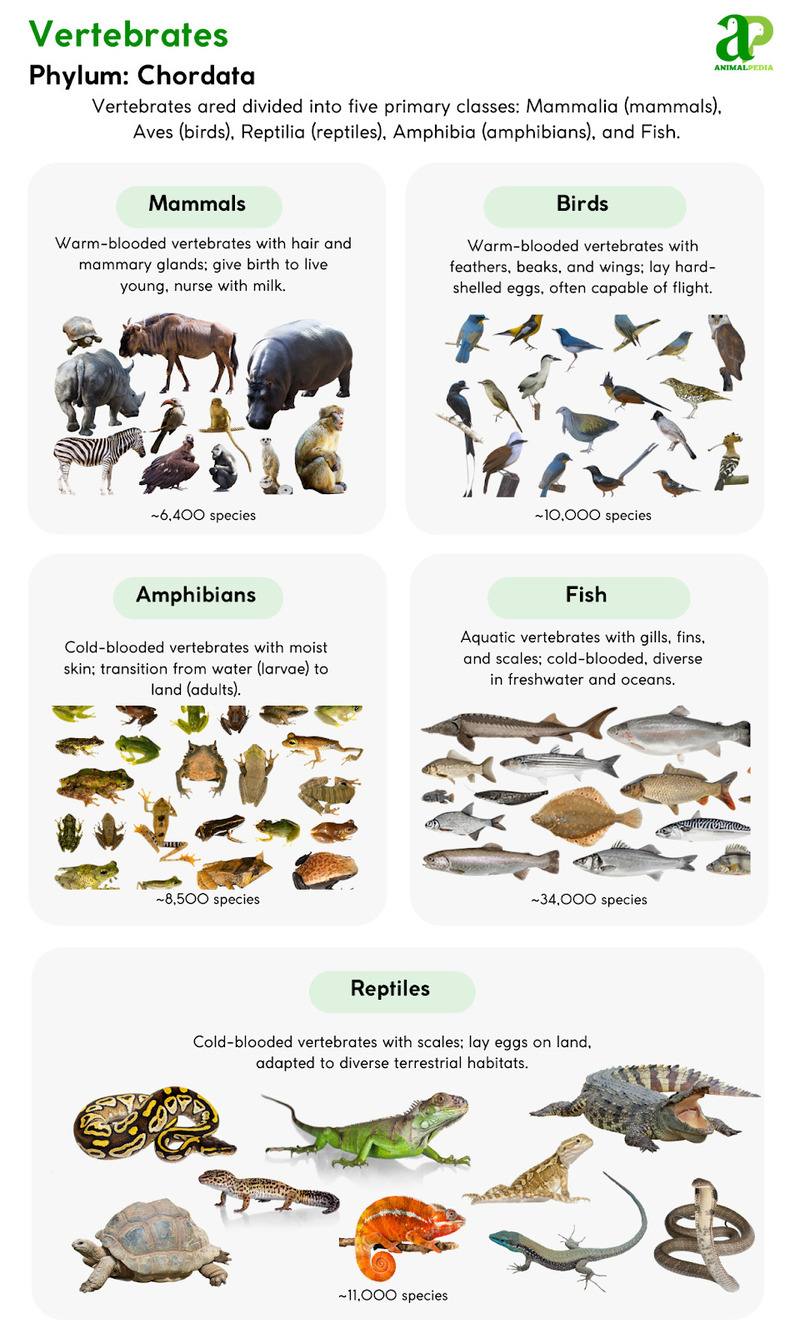
Credit: animal-pedia.org
Future Of Vertebrate Species Richness
The future of vertebrate species richness holds critical importance for the health of ecosystems and human well-being. As you observe changes in mammals, birds, and reptiles, you may wonder how their diversity will shift in the coming decades. Understanding the factors shaping this future helps you take meaningful action to support biodiversity.
Role Of Climate Change
Climate change is a powerful force affecting vertebrate species richness worldwide. Rising temperatures and altered weather patterns disrupt habitats and migration routes, forcing many species to adapt or face extinction.
You might notice birds arriving earlier in spring or reptiles shifting their range to cooler areas. Such shifts can cause mismatches in food availability and breeding cycles, threatening survival. Protecting diverse habitats that allow species to move and adapt is crucial.
Innovations In Conservation
New conservation techniques offer hope for preserving vertebrate diversity. Advances like drone monitoring, genetic analysis, and habitat restoration help you track and protect vulnerable populations more effectively.
Community-based projects empower local people to safeguard species by combining traditional knowledge with modern science. Imagine using technology to identify poaching hotspots or restore critical breeding grounds—these practical tools make a real difference.
What steps can you take to support these innovations in your area? Engaging with local conservation groups or promoting habitat-friendly practices in your community can contribute to a richer future for vertebrates.

Credit: www.researchgate.net
Frequently Asked Questions
What Is Species Richness In Vertebrates?
Species richness refers to the number of different vertebrate species in a specific area. It measures biodiversity and ecosystem health, highlighting variety among mammals, birds, and reptiles.
Which Vertebrates Have Highest Species Richness?
Birds generally have the highest species richness, followed by mammals and reptiles. This reflects their adaptability to diverse habitats worldwide.
How Does Habitat Affect Vertebrate Species Richness?
Habitat diversity directly influences vertebrate species richness. More varied habitats support more species by providing different food, shelter, and breeding opportunities.
Why Is Species Richness Important For Ecosystems?
Species richness maintains ecosystem stability, resilience, and productivity. Diverse vertebrate populations ensure balanced food webs and essential ecological functions.
Conclusion
Species richness among vertebrates like mammals, birds, and reptiles shows nature’s variety. Each group has unique roles in ecosystems. Mammals often thrive in diverse habitats. Birds cover vast areas with many species. Reptiles adapt well to different climates. Protecting these animals helps keep balance in nature.
Understanding their richness helps us value wildlife more. Every species counts in the web of life. Studying them inspires care for our planet. Preserve habitats, and these creatures will thrive. Nature’s diversity is a treasure worth saving.