
Have you ever wondered how different bird species take care of their babies? The way birds raise their young is full of surprises and shows just how clever nature can be.
From sharing feeding duties to protecting nests with fierce determination, each species has its own special way of parenting. Understanding these unique behaviors can change the way you see birds forever. Keep reading to discover the fascinating types of parental care birds display and why it matters to you and the world around you.
Parental Care In Birds
Birds show a wide variety of parental care behaviors. These behaviors help their young survive and grow. Some bird species share parenting duties. Others rely mostly on one parent. Understanding parental care in birds reveals much about their lives and survival strategies.
Defining Parental Care
Parental care means the actions parents take to protect and raise their offspring. It includes building nests, feeding, and keeping chicks warm. Birds may guard their eggs from predators. They also teach young birds to find food or fly.
Parental care varies greatly among species. Some birds feed their chicks frequently. Others leave them alone for longer periods. The level of care depends on the species’ environment and habits.
Importance In Bird Species
Parental care is vital for the survival of bird chicks. Young birds need warmth, food, and protection. Without care, many chicks would not survive to adulthood.
Good parental care improves the chances of chicks growing strong. It also helps maintain the population of the species. Birds that provide more care often have healthier offspring.
This care can affect the behavior and skills of young birds. For example, parents that teach hunting improve their chicks’ survival skills.
Nesting And Egg Protection
Birds show strong care for their nests and eggs to ensure their young survive. Nesting and egg protection are vital parts of their parental behavior. Birds build nests in safe places to hide their eggs from predators and harsh weather. They keep eggs warm and safe until they hatch.
Nest Building Strategies
Birds use different materials to build nests. Twigs, leaves, mud, feathers, and even spider silk help create sturdy homes. Some birds build nests high in trees to avoid ground threats. Others dig burrows or use cavities in rocks or trees.
- Weaving twigs tightly to form a secure structure
- Using soft materials like feathers to cushion eggs
- Choosing hidden locations to reduce predator risk
- Building nests that can withstand rain and wind
Each bird species adapts its nest style to fit its environment. This helps protect eggs from damage and keeps them warm.
Egg Incubation Techniques
Keeping eggs warm is crucial for embryo development. Birds use their body heat to incubate eggs. Most birds sit on their eggs, covering them with their belly feathers. Some species take turns incubating, allowing both parents to rest and find food.
- Balancing eggs on feet and covering with belly feathers
- Turning eggs regularly to promote even warmth
- Using body heat to maintain a constant temperature
- Adjusting incubation time depending on weather conditions
Eggs need steady warmth to develop properly. Incubation times vary, but parents stay attentive until hatching.
Feeding And Nourishment
Feeding and nourishment are key parts of parental care in bird species. Parents must provide food that meets their chicks’ needs. This helps young birds grow strong and healthy. Different species use various feeding strategies to ensure their offspring survive and thrive.
Variety In Feeding Methods
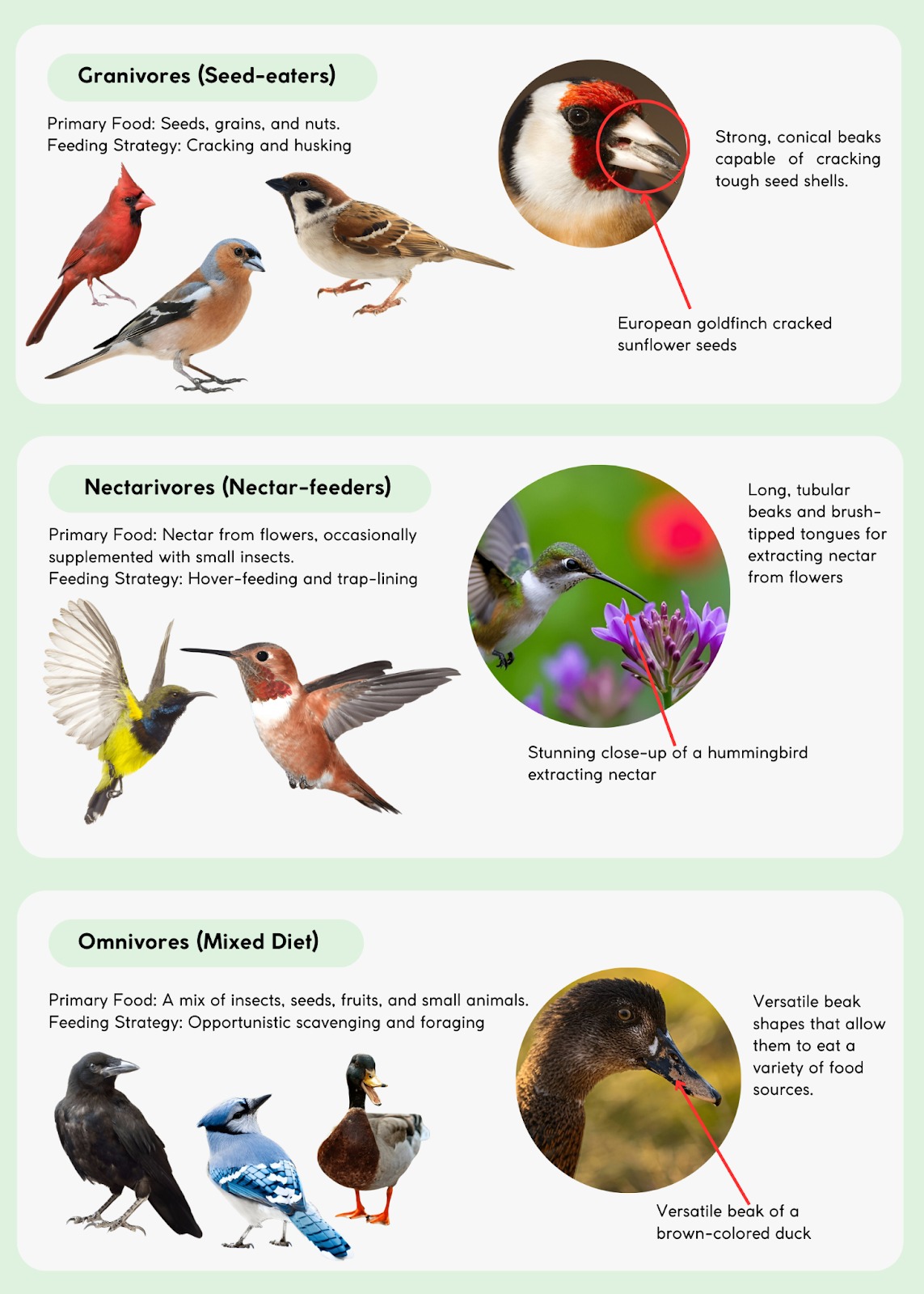
Birds show many ways to feed their young. Some parents bring insects or worms. Others feed regurgitated food, which is easier for chicks to digest. Some species feed their chicks seeds, fruits, or small fish. Feeding can happen inside the nest or away from it.
Some birds feed their chicks frequently throughout the day. Others feed less often but with larger meals. Feeding methods depend on the bird’s environment, food type, and chick needs.
Role Of Both Parents
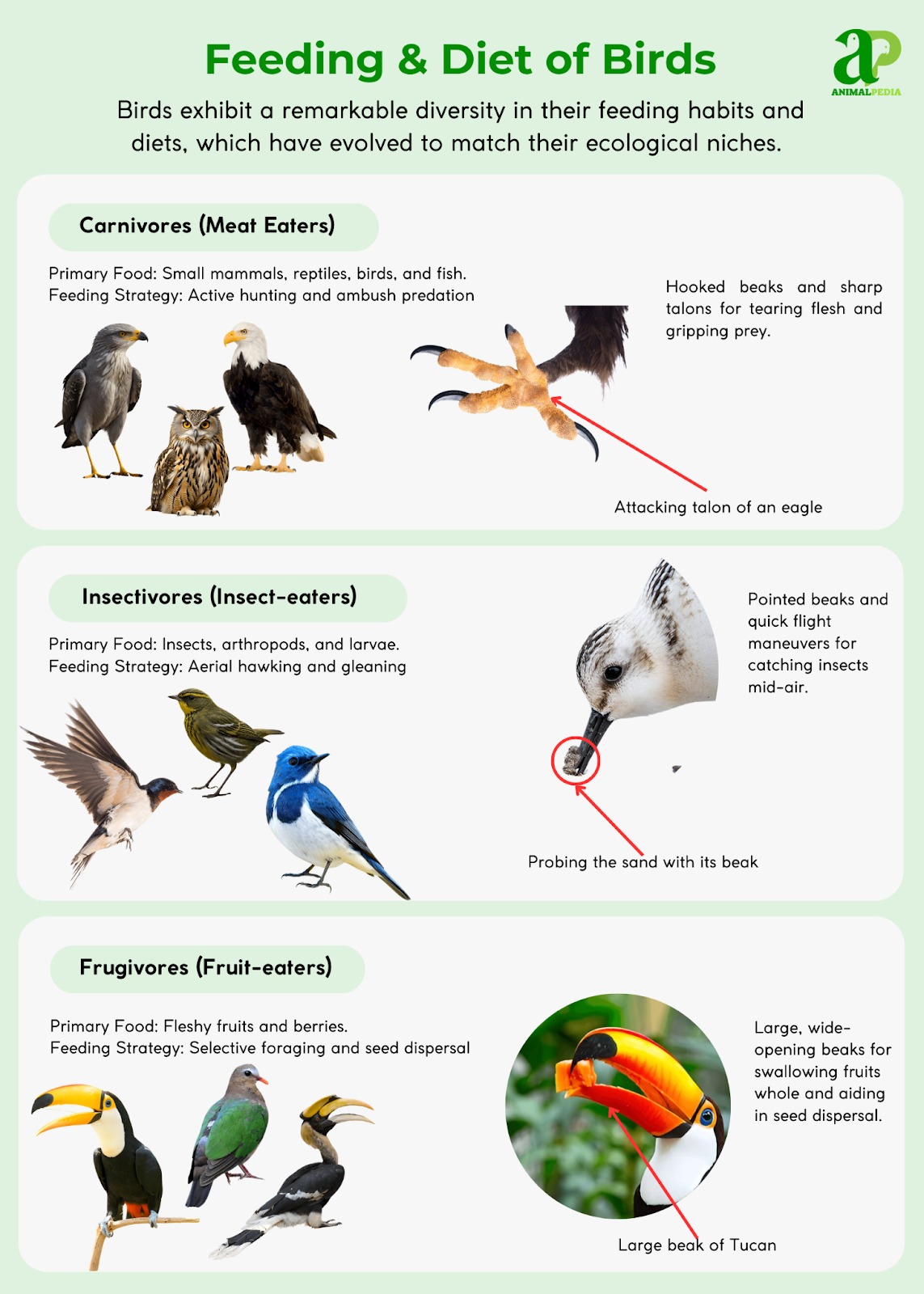
Many bird species share feeding duties. Both parents work together to find and deliver food. One may guard the nest while the other hunts. This teamwork helps protect the chicks from predators and keeps them well-fed.
In some species, males bring food while females feed the chicks. In others, both parents take turns feeding. The shared effort increases the chicks’ chances of survival and healthy growth.
Credit: animal-pedia.org
Types Of Parental Involvement
Bird species exhibit a fascinating variety of parental care strategies that directly impact their offspring’s survival. Understanding these different types of parental involvement helps you appreciate how birds adapt to their environments and ensure their young thrive. Each approach offers unique insights into the delicate balance between effort, cooperation, and survival.
Monogamous Partnerships
Many bird species form monogamous pairs, working together to raise their young. Both parents often share responsibilities like building nests, incubating eggs, and feeding chicks. This teamwork increases the chances of offspring survival, as the workload is divided and both parents stay vigilant against predators.
Take swans, for example. They are known for lifelong partnerships where both the male and female invest heavily in raising their cygnets. If you watch closely, you’ll notice how they alternate roles seamlessly, proving that cooperation is key in parental care.
Cooperative Breeding
Some birds take parenting a step further by involving more than two individuals. Cooperative breeding means that other group members—often relatives—help with feeding and protecting the young. This strategy spreads out the responsibilities and increases the survival rate of the chicks.
Acorn woodpeckers, for instance, live in family groups where older siblings and even cousins pitch in. This raises a question for you: how might shared caregiving affect the social bonds within a bird community? It’s clear that cooperation can create stronger family units beyond just the parents.
Brood Parasitism
Not all birds invest in raising their own young. Brood parasites, like cuckoos, lay their eggs in the nests of other species, leaving the host parents to care for their chicks. This hands-off approach frees the parasitic bird from parental duties but often at the cost of the host’s offspring.
Imagine the challenge for the host bird, unknowingly nurturing a stranger’s chick alongside its own. This raises an intriguing thought: how do some species recognize and reject parasitic eggs, while others fall prey? Understanding this dynamic reveals the complexity of survival strategies in the bird world.
Defense Mechanisms
Birds use a variety of defense mechanisms to protect their young from predators and threats. These strategies are vital for the survival of their offspring and show how deeply parental care is embedded in their behavior. Understanding these defense tactics can help you appreciate how birds balance risk and safety in their daily lives.
Protective Behaviors
Many bird species exhibit aggressive behaviors to guard their nests. Some may dive-bomb intruders, using sharp beaks and claws to drive them away. Others rely on camouflage, blending in with their environment to keep their nests hidden.
Have you ever noticed a bird pretending to have a broken wing? This is a clever tactic to lure predators away from the nest. It’s a reminder that defense isn’t always about confrontation—it can be about distraction and deception too.
- Direct attacks on predators
- Camouflaging nests and eggs
- Feigning injury to divert attention
Alarm Calls And Signals
Birds use sound to warn their family and nearby birds of danger. Sharp, repetitive alarm calls alert others to stay hidden or flee. These calls can vary from species to species but serve the same purpose—raising an early warning system.
Listening to these calls can teach you how birds communicate urgency. It’s fascinating to hear how a simple sound can trigger coordinated protective actions among a group of birds.
- Distinct alarm calls for different threats
- Use of body language combined with calls
- Passing warnings to other species sharing the habitat
/https://tf-cmsv2-smithsonianmag-media.s3.amazonaws.com/filer_public/d0/b6/d0b653bd-978b-408a-999c-bc3ffec1e6b6/gettyimages-1184372519_web.jpg)
Credit: www.smithsonianmag.com
Learning And Development
Birds invest much time in the learning and development of their young. This phase shapes how chicks survive and thrive. Parental care goes beyond feeding. It includes teaching essential skills and encouraging social behavior. Young birds learn by watching and copying adults. Such education boosts their chances in the wild.
Teaching Survival Skills
Parents show chicks how to find food safely. They demonstrate which plants or insects are good to eat. Hunting birds teach their young to catch prey by example. Parents also warn chicks about dangers like predators or bad weather. This guidance helps young birds act quickly and wisely.
Some species use repeated calls or gestures as lessons. These signals teach chicks when to hide or fly. Birds may practice flying near parents to build strength. Learning by doing is vital for survival skills. Parents balance protection with freedom to explore.
Social Learning In Flocks
Many birds grow up in flocks or groups. Social learning happens as young birds interact with peers and adults. They observe how others behave in different situations. This includes sharing food, defending territory, or caring for eggs.
Chicks learn social rules like cooperation and communication. They copy songs and calls to fit into their group. Social skills improve chances of finding mates and avoiding fights. Being part of a flock teaches safety in numbers and teamwork.
Case Studies Of Unique Species
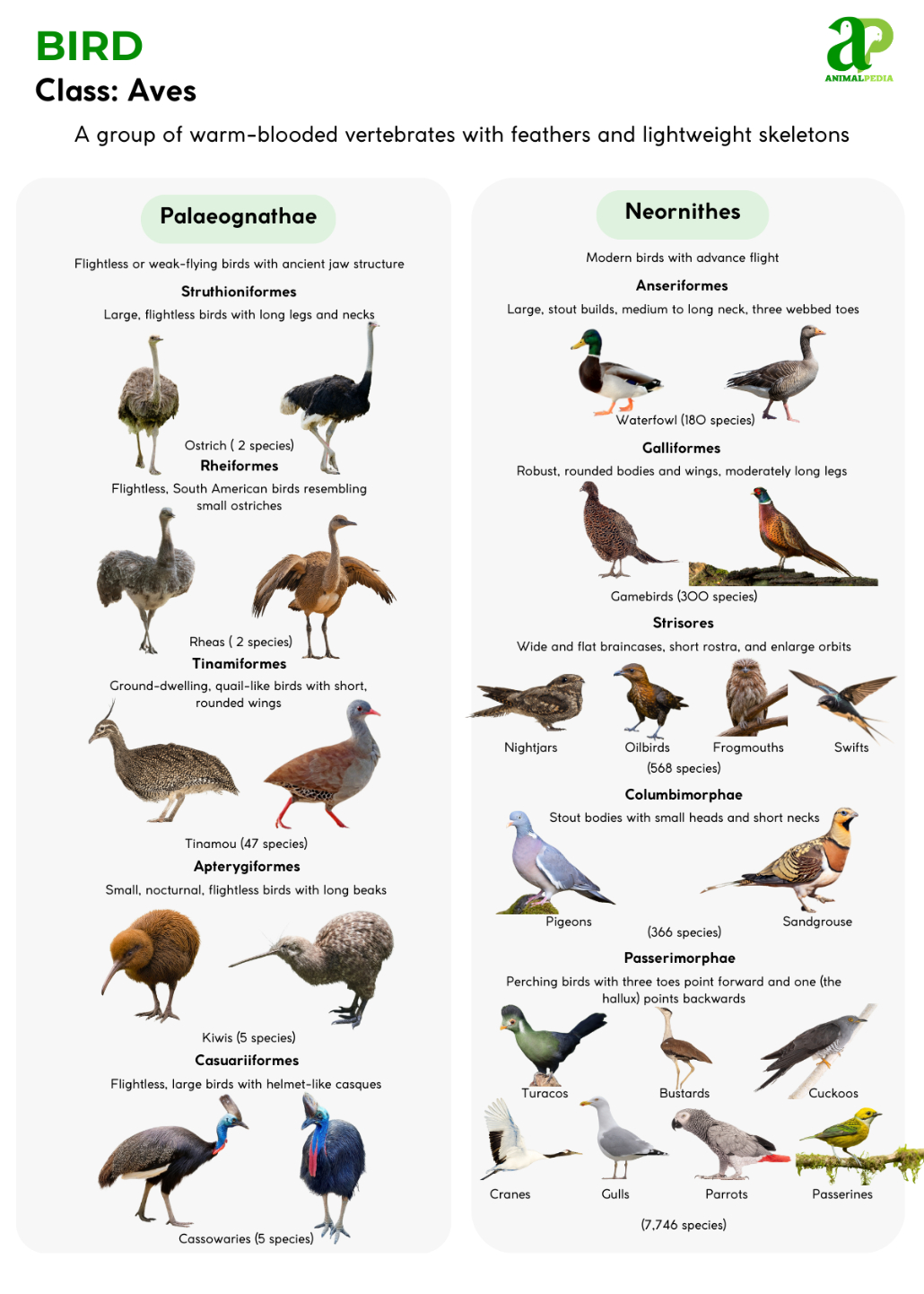
Birds show many types of parental care. Some species share duties equally. Others have one parent taking most of the responsibility. Studying unique species helps us understand these differences. Each bird species adapts its care to its environment and needs.
Emperor Penguins
Emperor penguins are famous for their harsh environment. Males keep eggs warm by balancing them on their feet. They cover eggs with a special skin fold. Females go to the sea to find food. Males can fast for weeks while protecting the eggs. This teamwork is vital for chick survival in freezing weather.
Songbird Families
Songbirds often build nests in trees or bushes. Both parents usually feed and watch their chicks. They bring insects and seeds to the nest. Parents take turns to keep chicks safe from predators. Songbirds teach their young how to fly and find food. This care lasts until chicks can live alone.
Cuckoo Birds
Cuckoo birds are known for a unique trick. They lay eggs in other birds’ nests. The host birds raise cuckoo chicks as their own. Cuckoo chicks may push out the host’s eggs. This behavior lets cuckoos avoid raising their young. It is a surprising way to pass parental duties.
Credit: animal-pedia.org
Evolutionary Perspectives
Birds show many types of parental care shaped by evolution. Their care strategies help chicks survive and grow. These behaviors change over time due to environmental pressures and species needs. Studying evolution helps us understand why birds invest differently in their young.
Adaptations Over Time
Bird species developed unique care methods through natural selection. Some build complex nests to protect eggs from predators. Others feed chicks continuously to ensure fast growth. In some species, both parents share duties equally. In others, one parent takes most responsibility. These changes improve chick survival rates and suit each habitat.
Examples of adaptations include:
- Brood parasitism, where birds leave eggs in others’ nests.
- Extended parental care, seen in species with slow-growing chicks.
- Feeding specialization, where parents bring specific food types.
Impact On Species Survival
Parental care affects how well bird species survive and reproduce. Strong care increases offspring survival, boosting population numbers. Poor or no care often leads to lower survival rates. Birds that adapt care to harsh environments thrive better. Parental investment also influences mating success and social behavior. Thus, care strategies directly shape the future of bird species.
Challenges And Threats
Birds face many challenges while caring for their young. These threats affect their ability to protect eggs and feed chicks. Parental care becomes harder as the environment changes and humans interfere. Understanding these challenges helps us see the struggles birds endure.
Environmental Changes
Climate shifts impact birds’ nesting habits and food supply. Warmer temperatures can cause early hatching, mismatched with food availability. Extreme weather, like storms, can destroy nests and separate parents from chicks.
Loss of habitat reduces safe places for raising young. Pollution affects water and food quality, harming both parents and chicks. These changes force birds to adapt quickly or risk losing their offspring.
Human Interference
Human activities disrupt bird care in many ways. Urban development destroys natural nesting sites. Loud noises can scare parents away from nests, leaving eggs vulnerable.
Pollution from chemicals and plastics harms birds directly and indirectly. Feeding wild birds improper food affects chick health. Hunting and trapping reduce bird populations, making parental care less effective.
Conservation Efforts
Conservation efforts play a crucial role in supporting the diverse parental care behaviors birds display. Many bird species rely on specific environments and conditions to raise their young successfully. Protecting these conditions ensures that birds can continue their natural care routines, which are vital for their survival and the health of ecosystems.
Protecting Habitats
Birds need safe and suitable habitats to build nests and raise their chicks. Habitat destruction from urban growth, agriculture, and pollution threatens these spaces. You can help by supporting protected areas like national parks and wildlife reserves that provide birds with secure breeding grounds.
Think about the mangrove forests that serve as nurseries for many coastal birds. When these habitats disappear, so do the birds’ chances to properly care for their young. How would your favorite bird species survive if their home vanished tomorrow?
Supporting Breeding Programs
Breeding programs in zoos and wildlife centers focus on increasing bird populations, especially for endangered species. These programs mimic natural parental care by providing safe environments where birds can incubate eggs and feed chicks. Your support for such programs can help maintain genetic diversity and boost survival rates.
Some programs even teach birds essential survival skills before releasing them into the wild. This approach directly supports their ability to care for offspring later. Imagine the impact you can make by contributing to efforts that give birds a second chance at life.
Frequently Asked Questions
What Types Of Parental Care Do Bird Species Show?
Bird species display various parental care types, including incubation, feeding, and protection of chicks. Both parents or just one may care for the young. Care varies by species, environment, and survival strategies.
How Do Birds Share Parental Responsibilities?
Many bird species share duties like nest building, incubating eggs, and feeding chicks. Shared care improves offspring survival and strengthens pair bonds. In some species, only one parent provides care, depending on ecological and evolutionary factors.
Why Is Parental Care Important For Bird Chicks?
Parental care ensures chicks receive warmth, food, and protection. It boosts chick survival rates and prepares them for independence. Without care, many bird offspring would not survive harsh environmental conditions.
Do All Birds Provide Equal Care To Their Offspring?
No, parental care varies widely among birds. Some species show biparental care, while others rely on a single parent. In some cases, care intensity depends on environmental pressures and species-specific behaviors.
Conclusion
Birds show many ways to care for their young. Some parents share feeding duties. Others keep eggs warm alone. Many species teach flying and finding food. Parental care helps baby birds grow strong. It also improves their chance to survive.
Each bird species has its own style. This variety makes nature more interesting. Watching these behaviors deepens our love for birds. Understanding bird care helps protect them better. Every small action counts in their survival. Caring for birds means caring for nature too.