
Have you ever wondered where birds feel most at home? The places birds choose to live are as varied and fascinating as the birds themselves.
Whether it’s a dense forest, a calm wetland, or even your own backyard, each habitat offers something unique for these feathered friends. Understanding what kind of habitat birds live in not only helps you appreciate their beauty but also shows you how to create a welcoming space for them.
Keep reading, and you’ll discover the secrets behind the perfect bird homes and how you can spot them wherever you go.

Credit: www.arborday.org
Forests
Forests are among the most diverse habitats on Earth, offering a rich tapestry of life where birds find shelter, food, and breeding grounds. The dense canopy, varied plant life, and complex ecosystems make forests a sanctuary for avian species. Each type of forest offers unique characteristics that attract different bird species, ensuring a vibrant and dynamic bird population.
Tropical Rainforests
Tropical rainforests are a paradise for birds, teeming with life and color. With a constant supply of fruits, seeds, and insects, these forests support an astonishing variety of bird species. Have you ever seen a toucan with its striking bill or a vivid parrot? They thrive here, amidst the lush vegetation and towering trees.
These forests are so dense that sunlight barely reaches the forest floor, creating a multi-layered habitat. Birds here adapt to different layers, from the canopy dwellers to those that forage on the ground. Next time you’re in a tropical rainforest, look up, and you might spot the brilliant flash of a bird in flight.
Temperate Forests
Temperate forests experience distinct seasons, offering birds a varied environment throughout the year. In spring, these forests burst into life, providing nesting sites and abundant food resources. Have you ever heard the melodic song of a warbler or the drumming of a woodpecker? These birds find their home in temperate forests.
As the seasons change, so do the birds. Migratory species visit, taking advantage of the rich summer feeding grounds. If you’re exploring a temperate forest, keep an ear out; the diverse bird songs tell the story of the changing seasons.
Boreal Forests
Boreal forests, also known as taiga, are the world’s largest land biome. These forests are a challenging environment, with long winters and short summers. Yet, birds like the hardy crossbills and the elusive owls have adapted to these conditions.
These birds are masters of survival, finding food and shelter despite the harsh climate. Have you wondered how these birds manage? It’s their incredible resilience and adaptability that allows them to thrive in such a tough habitat. For bird enthusiasts, boreal forests offer a glimpse into nature’s extraordinary ability to adapt and endure.
Wetlands
Wetlands are unique habitats where water meets land, creating rich environments teeming with life. Birds find wetlands especially attractive because these areas offer abundant food, shelter, and nesting sites. If you’ve ever stood by a wetland, you might have noticed the lively chorus of birdcalls and the flurry of wings above the water’s surface.
Marshes
Marshes are wetlands dominated by grasses, reeds, and other herbaceous plants. These open, sunny areas attract a variety of birds such as herons, egrets, and red-winged blackbirds. You might spot shorebirds probing the muddy edges for insects and small fish.
What makes marshes vital is their shallow water, which supports a wide food chain. If you want to observe waterfowl like ducks or geese, marshes are often the best place to start.
Swamps
Swamps differ from marshes because they are dominated by trees and shrubs rather than grasses. This dense vegetation provides perfect nesting spots for birds like woodpeckers, owls, and warblers. The thick canopy also offers protection from predators and harsh weather.
Have you ever noticed the quiet stillness in a swamp? That calm hides a bustling world of bird activity and diverse species adapted to living among standing water and twisted roots.
Mangroves
Mangroves grow along tropical coastlines, where saltwater and freshwater mix. These trees have unique root systems that provide shelter for fish and birds alike. Species such as kingfishers, herons, and pelicans thrive in mangrove habitats.
Walking near mangroves, you might see birds perched on the roots, scanning for fish below. These areas are critical for bird survival, especially during breeding seasons when safe nesting sites are hard to find.
Grasslands
Grasslands provide a unique and vital habitat for many bird species. These open areas with vast stretches of grasses and few trees offer different conditions than forests or wetlands. Understanding the types of grasslands can help you spot birds that thrive in these environments and appreciate their behaviors better.
Savannas
Savannas are grasslands dotted with scattered trees, mostly found in warm climates. Birds here often rely on both the open ground and the trees for nesting and feeding.
Species like the Secretarybird hunt on the ground, using the open space to spot prey easily. Meanwhile, birds such as weaverbirds build their nests in the scattered trees, showing how diverse bird life can be in savannas.
Prairies
Prairies have tall grasses and are common in North America. They provide shelter and food for many ground-nesting birds.
Think about the prairie chicken, which performs elaborate dances on open grounds to attract mates. The vastness of prairies challenges birds to stay alert, making their survival strategies fascinating to observe.
Steppes
Steppes are dry grasslands found in regions like Central Asia and Eastern Europe. These areas have fewer trees and more extreme weather conditions than other grasslands.
Birds such as the Steppe Eagle adapt to hunting in wide open spaces, soaring high to spot prey from a distance. Have you noticed how these birds use the wind currents to glide effortlessly? It’s a skill that helps them save energy in a tough environment.
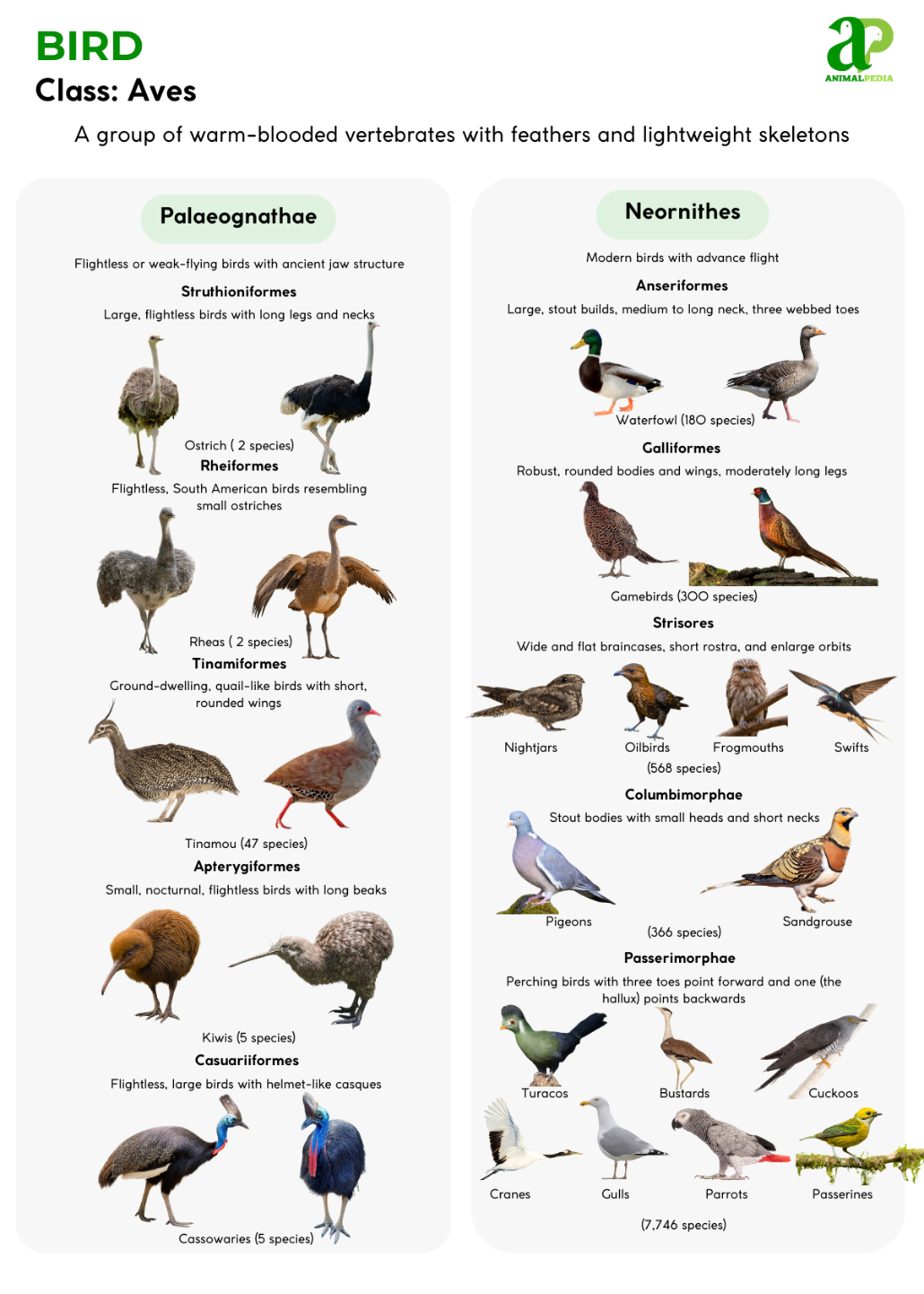
Credit: animal-pedia.org
Deserts
Deserts are unique habitats where few plants and animals survive. Birds living here adapt to extreme heat or cold and scarce water. They find food and shelter in tough conditions. Different deserts host different types of birds, each suited to the climate.
Hot Deserts
Hot deserts have very high temperatures during the day. Birds here avoid heat by being active early or late in the day. They get water from food like insects and seeds. Many birds have light-colored feathers to reflect sunlight. Some build nests in shaded areas or burrows to stay cool.
- Cactus Wren
- Roadrunner
- Desert Sparrow
These birds survive with little water and tolerate heat well. Their bodies lose less water, helping them live longer without drinking.
Cold Deserts
Cold deserts have freezing winters and warm summers. Birds here grow thick feathers to keep warm. They find food like seeds, insects, and small animals. Many migrate to warmer places during winter. Some stay and hide in bushes or rocks to avoid wind and cold.
- Snow Bunting
- Horned Lark
- American Pipit
Birds in cold deserts show great skill in staying warm and finding food. Their behavior and feathers help them survive tough winters.
Mountains
Mountains create unique habitats for birds, shaped by altitude and climate. These high places offer challenges and opportunities that influence which birds can thrive there. If you’ve ever hiked a mountain trail, you might have noticed how the birdlife changes as you climb higher.
Alpine Zones
The alpine zone sits above the tree line, where conditions are harsh and vegetation is sparse. Birds living here must endure cold temperatures, strong winds, and limited food sources.
Species like the rosy finch and white-tailed ptarmigan have adapted well to these tough conditions. They have thick feathers and specialized diets that help them survive when other birds cannot.
Have you ever wondered how these birds find shelter without trees? They often nest in rock crevices or burrows, using the natural landscape to protect themselves from predators and the elements.
Subalpine Zones
The subalpine zone lies just below the alpine, where stunted trees and shrubs start to appear. This zone supports more bird species due to slightly milder weather and better food availability.
Birds like the Clark’s nutcracker and mountain chickadee are common here. They rely on seeds from pine cones and insects found in the shrubs and trees.
When you visit subalpine areas, listen closely—these birds often have distinct calls that stand out in the quiet mountain air. Their presence indicates a healthy ecosystem balancing between tough alpine conditions and more hospitable lower elevations.

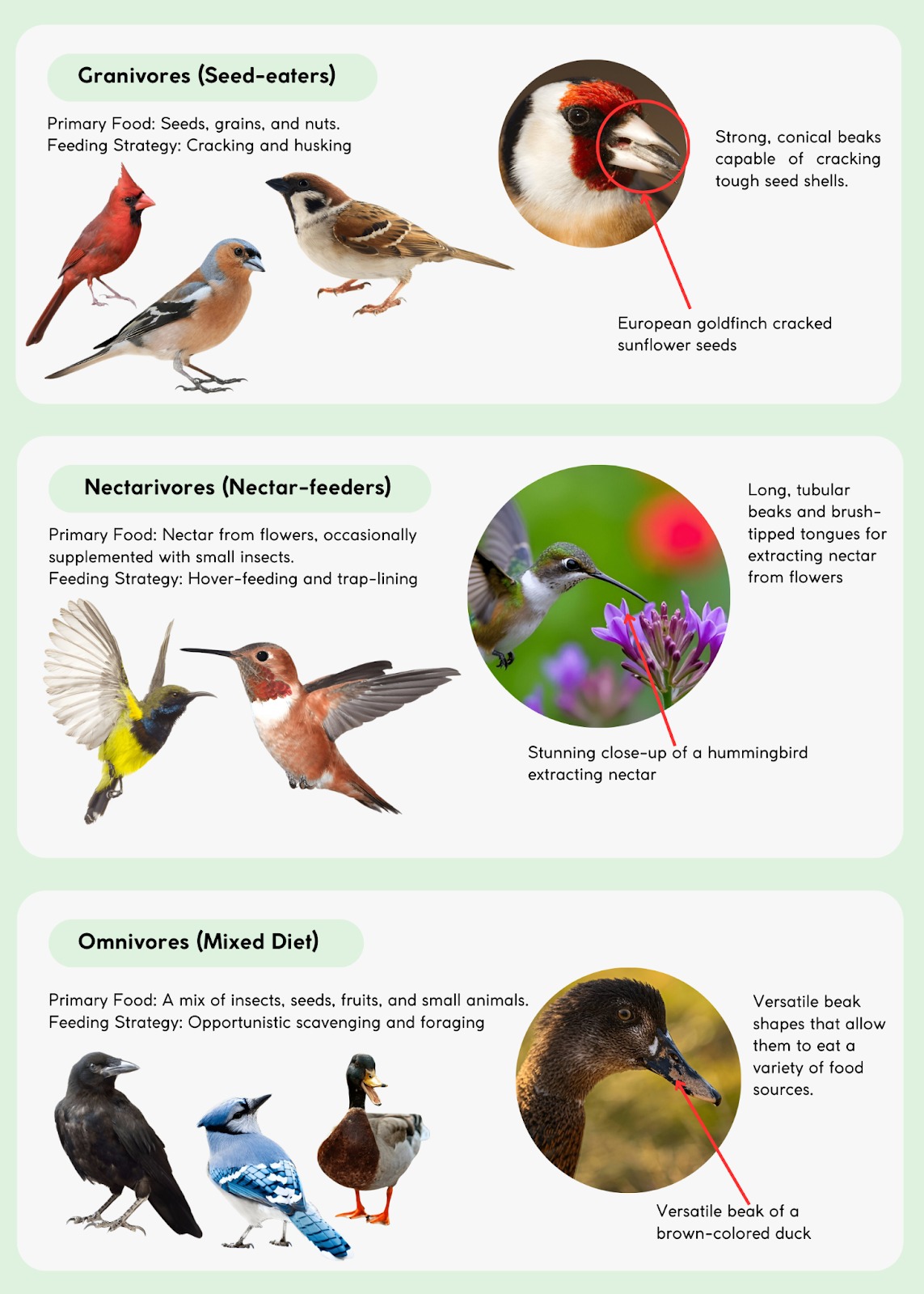
Credit: animal-pedia.org
Urban Areas
Urban areas might seem like unlikely places for birds to thrive, but many species have adapted remarkably well to city life. These environments offer unique challenges and opportunities for birds, from limited natural spaces to abundant food sources. Understanding where birds choose to live in urban settings can help you create bird-friendly spaces right in your neighborhood.
City Parks
City parks serve as vital green oases amid concrete and traffic. They provide trees, shrubs, and water features that attract a variety of birds. You might spot robins, sparrows, or even woodpeckers enjoying these patches of nature.
Because parks often have a mix of open lawns and wooded areas, they support both ground feeders and tree dwellers. Have you noticed how birds use park benches or playgrounds as perching spots? These small behaviors reveal how adaptable they are to human presence.
Suburban Gardens
Your own garden can be a sanctuary for urban birds. Many birds like finches, blue jays, and cardinals find food and shelter in gardens filled with native plants and bird feeders. Even small spaces with flowering plants or a birdbath can make a big difference.
Planting berry-producing shrubs or leaving a patch of leaf litter encourages insects, which in turn attract insect-eating birds. Have you tried creating a layered garden with different plant heights to provide shelter and nesting spots? It’s an easy way to invite more birds to your yard.
Coastal Regions
Coastal regions provide diverse habitats for many bird species. These areas combine land and water, offering food, shelter, and nesting sites. Birds adapt to different coastal environments, from sandy shores to rocky cliffs. Each habitat supports unique bird communities that depend on its features.
Beaches
Beaches are sandy or pebbly shores along the ocean or sea. Many shorebirds live here, feeding on small crabs, insects, and fish. Birds like sandpipers and plovers run along the wet sand. They search for food in the shallow water or sand. Beaches also serve as nesting sites for some species.
Cliffs
Cliffs rise steeply from the sea and provide safe nesting spots. Birds such as puffins and gulls build nests on narrow ledges. The cliffs protect them from predators and strong waves. These high places offer good views to watch for fish. Cliffs often have crevices and caves for shelter.
Estuaries
Estuaries are where rivers meet the sea. These areas have brackish water and rich nutrients. Birds like herons and egrets feed in the shallow waters. Estuaries support many fish and plants, creating a rich food source. Birds use estuaries for feeding, resting, and breeding.
Frequently Asked Questions
What Types Of Habitats Do Birds Prefer?
Birds live in diverse habitats like forests, wetlands, deserts, and urban areas. Each species adapts to specific environments for food, shelter, and breeding.
How Do Wetlands Support Bird Populations?
Wetlands provide abundant food, water, and nesting sites. They are crucial for migratory birds and many species depend on wetlands for survival.
Why Do Some Birds Live In Urban Areas?
Urban areas offer food, warmth, and nesting spots. Birds like pigeons and sparrows adapt well to city life despite human activity.
What Role Do Forests Play In Bird Habitats?
Forests offer shelter, nesting sites, and food sources. Many bird species rely on trees for protection and raising their young.
Conclusion
Birds live in many different habitats around the world. Each habitat offers food, shelter, and safety for birds. Forests, wetlands, deserts, and cities all host unique bird species. Birds adapt well to their environments to survive. Protecting these habitats helps keep bird populations healthy.
Watching birds can teach us about nature’s balance. Every habitat plays a role in the life of birds. Understanding where birds live helps us care for them better. Nature’s variety makes birdwatching exciting and rewarding.